
How to Cure Stomach Pain in Dogs: Causes, Remedies, and When to See a Vet
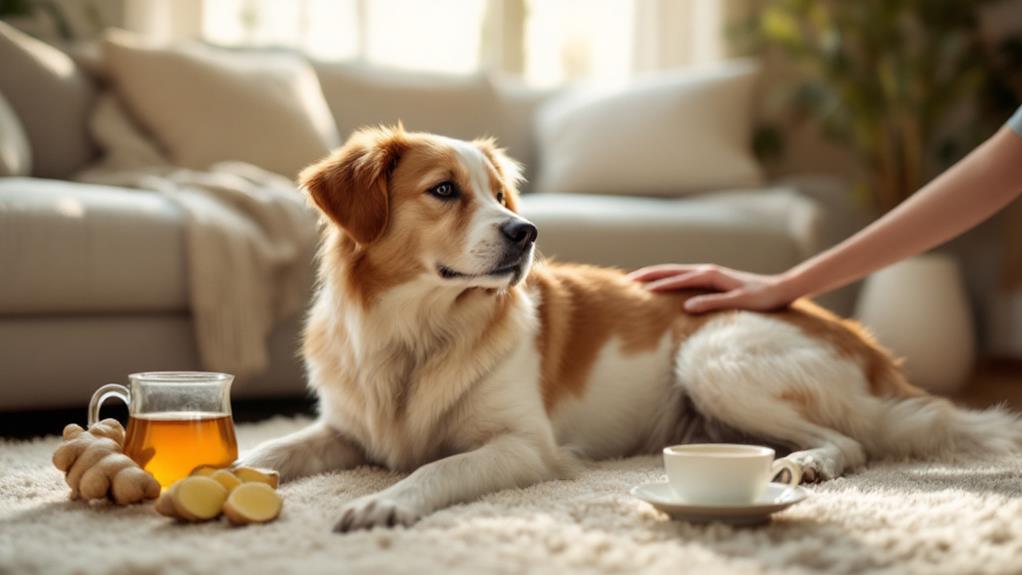
To cure your dog's stomach pain, initially identify the cause. Common culprits include dietary indiscretion, parasites, or sudden diet changes. Symptoms like vomiting, diarrhea, and excessive drooling signal distress. Remedies include feeding a bland diet of boiled chicken and rice, ensuring hydration with fresh water or diluted broth, and occasionally fasting for digestive rest. Natural aids like ginger can also be soothing. If symptoms persist beyond 24 hours or if there's blood in vomit or stool, contact a vet immediately. Understanding these essential aspects gives you the knowledge needed for effective and prompt action. Investigate further for detailed insights.
Common Causes of Stomach Pain
Stomach pain in dogs often stems from different identifiable causes, and understanding these can help you provide better care for your furry friend. A dog's upset stomach is frequently due to dietary indiscretion, where your pet consumes inappropriate foods or foreign objects. This behavior can lead to digestive issues like vomiting and diarrhea. Another common cause is intestinal parasites, such as roundworms and hookworms, which are often found in dogs that have had contact with uncollected feces. These parasites can cause significant abdominal discomfort and require prompt treatment.
Sudden alterations in diet can also upset your dog's digestive system. If you switch foods abruptly, it can lead to discomfort and digestive issues. Gradual changes are always better to prevent such problems. Moreover, inflammatory bowel disease is another culprit that can cause chronic digestive distress, requiring long-term management.
Pancreatitis, an inflammatory condition triggered by high-fat foods, can cause severe stomach pain and needs immediate veterinary attention. Though less common, other causes like infections, tumors, or structural abnormalities in the gastrointestinal tract should be considered. Always seek veterinary input for persistent or severe cases to guarantee proper diagnosis and care for your beloved pet.
Recognizing Symptoms in Dogs
When your dog is experiencing stomach pain, recognizing the symptoms early can make a significant difference in their recovery. Common symptoms of an upset stomach in dogs include vomiting and diarrhea. You might also notice a lack of appetite, which is a clear indicator your dog isn't feeling well. Keep an eye out for excessive drooling, as it often accompanies gastrointestinal distress. Behavioral changes like restlessness, pacing, or whining can also signal discomfort.
In more severe cases, symptoms may escalate. If you see blood in your dog's vomit or stool, notice abdominal swelling, or if vomiting and diarrhea persist for more than 24 hours, seek veterinary attention immediately. These signs could indicate a more serious underlying issue that needs prompt medical care.
Dehydration is another vital aspect to monitor. Check your dog's gums for dryness or perform a skin tenting test, where the skin doesn't snap back quickly when gently pulled. These are signs of dehydration, which can quickly become serious. Puppies, in particular, are at higher risk due to their underdeveloped immune systems, so it's essential to act swiftly if you suspect any gastrointestinal distress. Recognizing these symptoms early can greatly aid in your dog's recovery.
Dietary Indiscretion and Its Effects
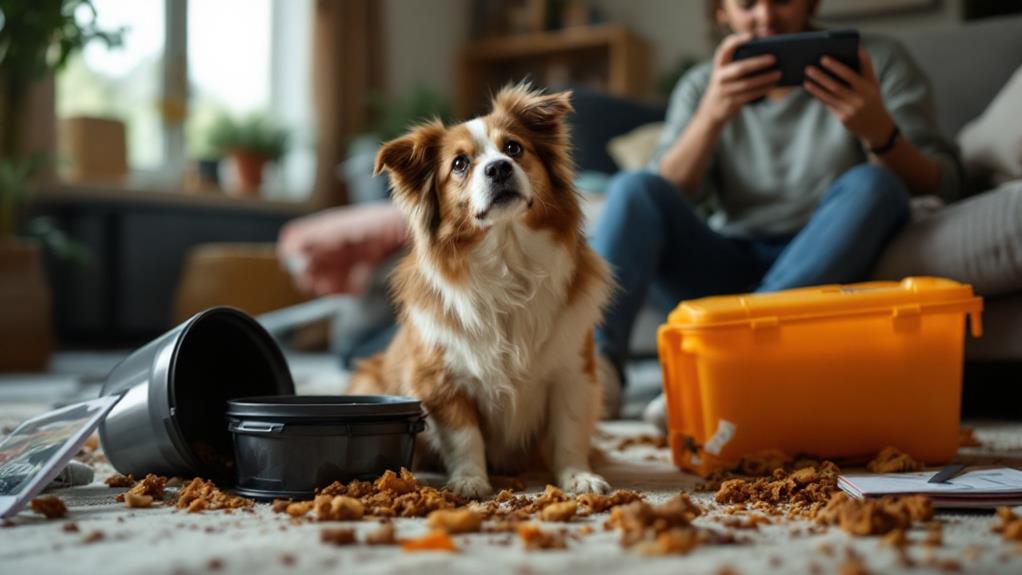
Many dogs are naturally curious, and this curiosity often leads them to investigate the world with their mouths. This tendency can result in dietary indiscretion, where your dog consumes inappropriate items like human food, plants, or foreign objects. This behavior frequently causes gastrointestinal upset, with symptoms such as vomiting and diarrhea. The common effects of dietary indiscretion include inflammation of the stomach lining and, in severe cases, obstructions in the intestines. Moreover, harmful items may introduce bacteria or other pathogens, leading to further complications.
Rapid dietary changes can also upset your dog's stomach. When you introduce new foods too quickly, your dog might struggle to adjust, resulting in diarrhea or loose stools. Certain breeds are more prone to these issues, so you should monitor their eating habits closely and make changes gradually over 7-10 days.
Preventative measures are vital to avoid these problems. Avoid giving your dog table scraps, and make certain their environment is free of harmful items they might ingest. By gradually introducing new foods and supervising their surroundings, you can help prevent symptoms of gastrointestinal upset and keep your furry friend healthy.
Role of Parasites and Infections
While keeping your dog's diet in check is necessary, another key factor affecting their stomach health is the presence of parasites and infections. Parasites like roundworms, hookworms, and giardia can wreak havoc on your dog's digestive system, causing gastrointestinal upset. You'll notice symptoms such as vomiting, diarrhea, and weight loss, which can severely impact their general health.
Bacterial infections from organisms like Salmonella and E. coli often originate from contaminated food or water. These infections can lead to severe digestive issues, and if symptoms persist, it's imperative to seek veterinary attention. Puppies are particularly vulnerable to intestinal parasites due to their developing immune systems. Regular deworming is a significant preventative measure to protect them from these harmful invaders.
To minimize the risk of parasites and infections, consider the following preventative measures:
- Maintain proper hygiene, including regular cleaning of food and water bowls.
- Schedule regular vet check-ups to catch any issues early.
- Administer parasite preventatives as recommended by your vet.
- Ascertain your dog has access to clean, uncontaminated food and water.
Identifying Serious Conditions
Stomach pain in dogs can sometimes signal serious underlying conditions that require immediate attention. If your dog shows signs of an upset stomach alongside vomiting or diarrhea, it's vital to assess the severity. Serious conditions like parvovirus often manifest with symptoms such as vomiting, fever, and blood in the stool, especially in unvaccinated puppies. This requires prompt veterinary care to prevent life-threatening outcomes.
Intestinal obstructions, usually caused by swallowed foreign objects, can lead to severe abdominal pain, bloating, and persistent vomiting. These require surgical intervention, so don't delay veterinary evaluation. Bloating, another life-threatening condition, is characterized by a distended abdomen, excessive drooling, and rapid breathing. Immediate emergency care is imperative in such cases.
Cancers affecting the gastrointestinal tract can present with persistent vomiting, diarrhea, weight loss, and lethargy. These symptoms warrant thorough diagnostic testing to assess the extent of gastrointestinal issues and determine appropriate treatment. Blood in vomit or diarrhea, along with signs of severe dehydration, are clear indicators that your dog needs urgent veterinary assessment. Identifying these serious conditions early can make a significant difference in your dog's health and recovery.
Home Remedies for Relief
When your furry friend is suffering from an upset stomach, you can try some simple home remedies to provide relief and promote healing. Start by offering a bland diet consisting of boiled chicken and white rice. This gentle combination helps soothe their stomach and supports recovery from gastrointestinal distress. To further aid digestion, consider adding fiber-rich foods like pumpkin or sweet potatoes. These can help alleviate symptoms and provide your dog with vital nutrients.
Ensure your dog stays hydrated by offering fresh water at all times. Dehydration can worsen their condition, so encourage drinking by providing ice chips or diluted bone broth if they're reluctant. Fasting for 12-24 hours might also help, giving their digestive system a chance to rest and reset.
Incorporating natural remedies such as ginger can be beneficial. Ginger is known for its ability to soothe the digestive tract and relieve nausea and discomfort. Slippery elm bark is another option worth considering for its calming effects on the stomach lining.
Here are some tips to remember:
- Bland diet: Boiled chicken and white rice
- Fiber-rich foods: Pumpkin or sweet potatoes
- Hydration: Fresh water, ice chips, or diluted bone broth
- Natural remedies: Ginger and slippery elm bark
When to Contact a Vet
In the event that your dog exhibits persistent vomiting or diarrhea lasting more than 24 hours, it is vital to contact a vet to prevent dehydration and other complications. These symptoms can quickly lead to more severe conditions if not addressed promptly. If there's any blood in your dog's vomit or stool, consider it an emergency requiring immediate veterinary care. This could signal serious underlying health issues that need urgent attention.
Additionally, if your dog has ingested foreign objects like toys or bones, seek veterinary evaluation right away. These objects can cause blockages, and surgical intervention might be necessary. Pay attention to signs of severe discomfort, such as a distended abdomen, restlessness, rapid breathing, or excessive drooling. These symptoms may indicate life-threatening conditions like bloat or obstruction, and prompt veterinary care is vital.
Puppies, older dogs, or those with underlying health issues are particularly vulnerable. They should receive immediate attention for any gastrointestinal symptoms to prevent rapid health deterioration. Always err on the side of caution and prioritize your dog's health by seeking professional help when they exhibit serious stomach pain or other concerning symptoms.
Importance of Hydration
Making sure your dog stays hydrated is vital when they're experiencing stomach pain. Dehydration can set in quickly, particularly if your dog is vomiting or has diarrhea. Providing small servings of water frequently can help maintain hydration without overwhelming their sensitive stomach. It's significant to guarantee they always have access to fresh water to support their digestive health and recovery from gastrointestinal distress.
Including electrolytes in their water can further aid in hydration and provide extra comfort to their digestive tract. Simple additions like bone broth or a touch of honey can be beneficial:
- Bone broth: Rich in nutrients and electrolytes, it helps restore hydration.
- Honey: A natural sweetener that can encourage drinking and provide mild electrolytes.
- Coconut water: Offers natural electrolytes and is gentle on the stomach.
- Pedialyte: A balanced electrolyte solution suitable for dogs in moderation.
Monitoring for signs of dehydration is vital. Look out for dry gums, lethargy, or loss of skin elasticity. These symptoms indicate serious health risks and need immediate attention. By taking these steps, you guarantee your dog gets the hydration they need for ideal recovery and digestive health.
Preventative Measures
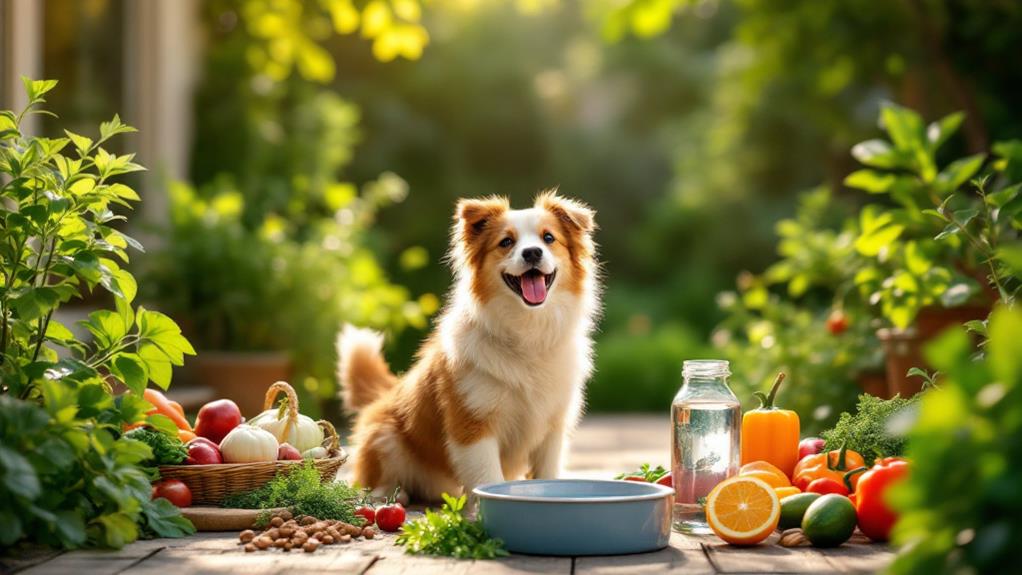
Have you ever wondered how to keep your dog's stomach in perfect health? Practicing preventative measures can make a world of difference. Start by scheduling regular veterinary check-ups. These appointments help catch potential issues early and keep your pet up to date with vaccinations and parasite prevention, which are essential for digestive health. If your dog has food allergies, working with your vet to identify and eliminate these from their diet can prevent distress.
Feeding smaller, frequent meals instead of large portions can aid digestion and reduce gastrointestinal disturbances. This simple change can help minimize the risk of stomach upset. Furthermore, when introducing new foods, do so gradually over 7-10 days. This approach helps your dog's digestive system adjust without causing sudden upset.
It's important to monitor your dog's environment carefully. Pet-proofing your home by removing access to toxic plants, chemicals, and small objects that could be ingested prevents accidents. Ensuring your dog can't access human food scraps also reduces risks. By taking these preventative steps, you're creating a safer and healthier environment for your furry friend, minimizing the chances of stomach pain and digestive issues.
Long-Term Management Strategies
Maintaining your dog's digestive health in the long run requires consistent effort and attention. Long-term management strategies are fundamental to prevent stomach issues in dogs of any stage. Begin by implementing a balanced diet tailored to your dog's specific needs. Avoid high-fat foods and sudden dietary changes, as these can lead to digestive upset. It's imperative to gradually introduce new foods over a 7-10 day period, allowing your dog's digestive system to adjust and minimizing the risk of gastrointestinal distress.
Proper hydration plays a significant role in maintaining digestive health. Always provide access to fresh water, as dehydration can worsen common symptoms of stomach issues. Regular veterinary check-ups are essential for early detection of gastrointestinal problems, helping you monitor symptoms and guarantee your dog's general well-being.
Consider these supplementary tips:
- Use slow feeder bowls to help dogs that eat too quickly, reducing bloating and discomfort.
- Monitor your dog's hydration levels and encourage water intake.
- Regularly observe your dog's behavior and stool for any changes.
- Schedule routine veterinary check-ups to catch any potential issues early.