
How to Choose a Good Vet for Your Dog: Important Tips

To choose a good vet for your dog, start by asking friends, family, and local pet professionals for recommendations. Look for a clinic nearby to handle emergencies promptly and guarantee ease of access. Check the services offered, from vaccinations to emergency care, and compare fees to fit your budget. Visit the clinic to gauge cleanliness and staff friendliness. Understand their treatment philosophy to confirm it aligns with your values. Ask about emergency care procedures and available after-hours support. Taking these steps will guide you to make an informed decision for your furry friend's best care. There's more to investigate.
Importance of Early Vet Selection
Choosing a veterinarian early on is vital for guaranteeing your new dog's health and well-being. Before your pet even arrives, having a trusted vet lined up saves you from scrambling during emergencies, especially if you're adopting from a shelter or rescue. These pets might have hidden medical needs, and an established relationship with a vet guarantees immediate care and guidance. Early selection is important because many veterinary practices are booked weeks in advance. By securing your vet beforehand, you avoid long wait times and guarantee prompt attention when it matters most.
Proactively choosing a veterinarian means you're prepared for any medical needs, allowing for timely vaccinations and preventive treatments that are key to your dog's general health. During the ongoing COVID-19 pandemic, access to veterinary services has become more unpredictable. Establishing a connection with a vet early on assures better access to necessary care, reducing stress for both you and your pet. Emergency care is often unpredictable, and knowing exactly where to turn in a crisis can make all the difference. Early selection of a vet sets the foundation for a smooth change into responsible pet ownership, guaranteeing your dog receives the best possible care from day one.
Gathering Recommendations
After securing the importance of early vet selection for your dog, the next logical step involves gathering recommendations to find the best veterinarian for your needs. Start by consulting neighbors, friends, and family for personal referrals. They can provide insights into veterinarians they trust and have had positive experiences with. These firsthand accounts are invaluable as they're based on real interactions.
Next, reach out to breeders or breed club members. They often have specific knowledge about reputable veterinarians who cater to your dog's breed and needs. This tailored advice guarantees your furry friend gets the specialized care they deserve.
Don't overlook advice from local groomers, shelter managers, and dog trainers. These professionals regularly interact with different veterinary practices and can guide you towards the most trusted and skilled options in your area. Their experiences can help you gather a well-rounded list of potential veterinarians.
Additionally, utilize directories from state and local veterinary societies. These resources help you find accredited veterinarians nearby. By combining these recommendations, you'll create a thorough shortlist of reputable veterinarians. This varied approach assures you'll find a trustworthy expert to care for your dog's health and well-being.
Evaluating Clinic Location

When evaluating a clinic location for your dog's veterinary needs, proximity often plays a crucial role. Ideally, choose a vet within a 5-mile radius of your home. This guarantees accessibility for routine visits and emergencies. With proximity to home, you can quickly get to the clinic when your dog needs care. Consider traffic patterns and travel time, especially during peak hours, to avoid delays in urgent situations. The last thing you want is to be stuck in traffic when your dog needs immediate attention.
Assess the clinic's emergency coverage. Do they offer 24-hour care, or is there a nearby emergency facility? Knowing this can provide peace of mind during off-hours. Check the clinic's operating hours, including weekends and holidays. Make certain they align with your schedule, so you can manage routine visits without hassle.
Parking facilities are another consideration. Convenient parking can improve your experience during appointments. You don't want to circle the block searching for a spot when your dog is anxious or unwell. Verify the clinic accepts your dog and meets all needs, so you're well-prepared for both routine and emergency situations.
Assessing Services Offered
Finding the right veterinary services for your dog is fundamental for their health and happiness. Start by confirming that the veterinary practice offers core services like vaccinations, wellness exams, dental care, and preventive treatments tailored for dogs. These basic services guarantee your pet receives thorough veterinary care.
Next, check if the clinic provides on-site diagnostics, including blood tests, x-rays, and ultrasound. Having these facilities available helps in delivering timely care and treatment, critical for maintaining your dog's health. Moreover, inquire about the availability of emergency care and after-hours services. While it's essential to know they can handle urgent situations, focus on if they have protocols to guarantee your dog receives prompt attention when needed.
It's also significant to assess if the clinic offers specialized care for specific breeds or health conditions. This can be particularly beneficial if your dog has unique health needs or belongs to a breed prone to certain issues. Beyond medical services, consider any further offerings like grooming, weight management clinics, and behavioral training classes. These can greatly improve your dog's general well-being, making the clinic a thorough resource for your pet's needs.
Understanding Emergency Care
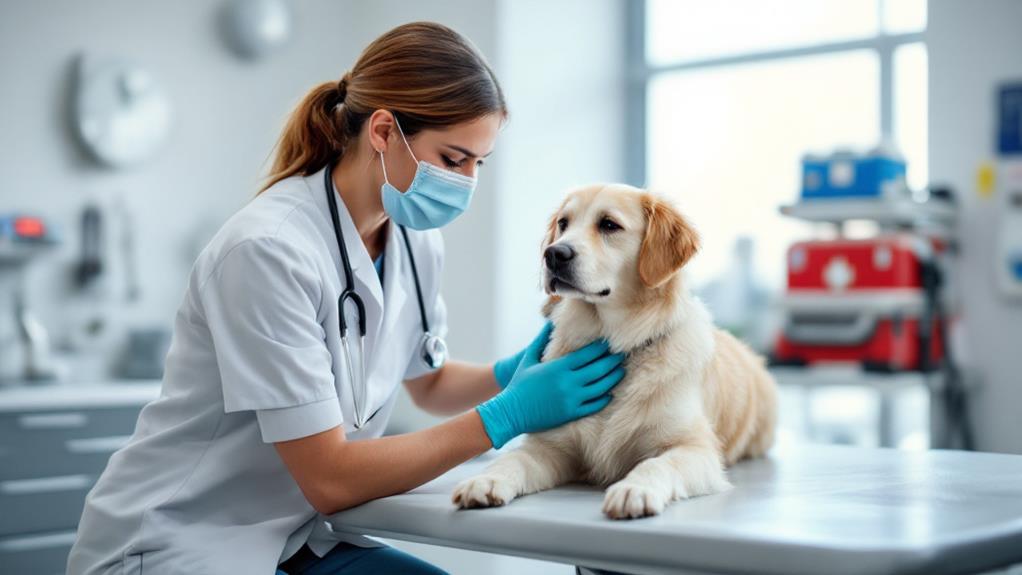
Having assessed the array of services a veterinary clinic offers, it's important to turn your attention to understanding their emergency care protocols. Start by inquiring about the clinic's procedures for after-hours emergencies. Find out if they have an on-call veterinarian or staff available for urgent situations. It's significant to know if they can handle emergencies directly or if you'll be referred to another facility.
Check the availability of emergency contact numbers and how quickly the clinic can respond to urgent care needs. Quick response times are imperative in emergencies, so verify the clinic's system is efficient. Also, assess their capabilities to provide immediate stabilization and treatment on-site.
Ask if the clinic maintains partnerships with local emergency veterinary clinics for specialized care during after-hours. This can be a lifesaver when your pet requires more advanced treatment than the clinic can provide.
Determine if the clinic offers 24/7 emergency services or if they refer clients to nearby facilities for after-hours care. Knowing these details will give you peace of mind, making sure that you're prepared for any urgent situation that may arise with your pet.
Comparing Fees and Payments
Comparing fees and payment options is vital when selecting a veterinary clinic, as costs can vary widely depending on the location and services offered. Start by understanding that urban veterinary clinics often charge higher rates than rural ones. It's important to compare costs among different clinics to find one that fits your budget. Here's how you can effectively manage the cost of veterinary care:
- Request Estimates: Ask for upfront estimates for common procedures. Transparency helps prevent unexpected expenses, ensuring you're financially prepared for your pet's care.
- Explore Payment Options: Inquire about available payment plans or financial assistance programs. Some clinics offer sliding scales or flexible payment options, making it easier to manage expenses.
- Check Pet Insurance: Confirm if the clinic accepts specific pet insurance plans. This can greatly affect your out-of-pocket costs, making veterinary care more affordable in the long run.
- Consider Wellness Plans: Some practices offer wellness plans or monthly health clubs. These provide cost-effective solutions for regular check-ups and preventive care, saving money on routine visits.
Observing Treatment Philosophies

When selecting a veterinary clinic, it's significant to understand the treatment philosophies of the veterinarian who'll be caring for your dog. Ask about their preferred treatment options, especially if they lean towards conventional methods or adopt holistic or alternative approaches. This is particularly meaningful for conditions like cancer, where diverse treatment philosophies may exist. Furthermore, investigate their stance on preventative care—do they prioritize regular check-ups, vaccinations, and dental health?
Understanding the clinic's views on spaying and neutering is also fundamental. Confirm they address any concerns and provide thorough information about these procedures. If your dog is a senior, you'll want to know how the veterinarian approaches senior pet care. Do they prioritize pain management and consider quality of life in their treatment plans?
Euthanasia is a difficult topic, but it's significant to confirm the clinic's philosophy aligns with your values. Compassionate end-of-life care is essential, so discuss their approach openly. Ultimately, consider if the veterinarian is part of a reputable veterinary association, as this may reflect their commitment to high standards and professional development. Observing these philosophies helps you choose a vet who aligns with your values and guarantees the best care for your dog.
Visiting the Clinic
A clinic's atmosphere can tell you a lot about the quality of care your dog will receive. When visiting the vet's office, it's vital to evaluate a few key aspects to guarantee the best experience for you and your furry friend. Start by examining the cleanliness and organization of the facility. A tidy environment often reflects a commitment to high standards of care.
Next, consider the following:
- Cleanliness and Organization: Look around the waiting room and examination rooms. They should be clean, organized, and comfortable for both pets and owners.
- Services and Office Hours: Inquire about the services offered and the office hours. Make certain they match your needs for routine check-ups and any potential emergency situations.
- Emergency Provisions: Ask about the clinic's emergency coverage. It's significant to know how after-hours emergencies are handled and if they have a dedicated team for urgent cases.
- Staff Interaction: Engage with the staff to gauge their friendliness and professionalism. They should be willing to answer your questions and demonstrate a genuine interest in your dog's health.
Addressing Vet Concerns

After evaluating a clinic's atmosphere and services, you might still have concerns about your current veterinarian. It's significant to identify specific issues, like poor communication or misdiagnosis, so you can clearly articulate your concerns. Document any instances of dissatisfaction with dates and details; this will help when discussing your issues with the vet. If you're uncertain about the care or diagnosis, don't hesitate to seek a second opinion. Another veterinarian might offer different treatment options or insights that could be beneficial for your dog's health.
Changing veterinarians isn't uncommon, but it requires some preparation. Research the proper procedures, including how to transfer medical records, to guarantee a smooth changeover. Your dog's medical history is vital for continuity of care, so make sure all records are up-to-date and transferred promptly.
If serious issues arise, such as a lack of transparency in treatment options or ongoing dissatisfaction, consider filing a complaint with the state veterinary licensing board. This step guarantees that your concerns are formally acknowledged and might help improve the standards of veterinary care. Always advocate for your pet's health and well-being by addressing any vet concerns promptly and thoroughly.