How to Care for Your Sick Dog: Essential Tips for Comfort and Recovery
To care for your sick dog, start by watching for changes in behavior, appetite, and energy levels. Create a quiet, cozy space and make sure fresh water is always accessible. Offer gentle petting to reduce anxiety, and feed easily digestible foods like boiled chicken and rice if recommended by your vet. Administer medications carefully, keeping a strict schedule to avoid missed doses. Document their progress daily, noting any unusual behaviors or side effects. Regular vet visits and consultations are essential for accurate diagnosis and treatment adjustments. There's more to learn about guaranteeing your furry friend's comfort and smooth recovery.
Recognizing Signs of Illness
Recognizing when your dog is unwell is vital for ensuring they receive timely care. You should pay close attention to changes in behavior, such as increased irritability or withdrawal. These could indicate discomfort or pain and might be signs of underlying health issues. Changes in appetite often serve as early indicators of illness. Regardless of whether your dog is eating less or more, it's significant to monitor this closely, as it may warrant veterinary attention.
Lethargy is another significant sign. If your dog suddenly seems excessively tired or reluctant to engage in normal activities, it's a potential red flag. Monitoring changes in drinking habits is just as vital. Increased thirst or urination can suggest kidney disease or diabetes, conditions needing prompt early diagnosis and treatment.
Keep an eye out for physical signs like difficulty rising or abnormal breathing patterns. These may point to joint problems or respiratory issues, both requiring veterinary attention. By recognizing these signs, you can help ease your dog's stressful time and contribute to their comfort and recovery. Remember, early detection is key to managing your dog's health effectively and ensuring they receive the best care possible.
Providing Comfort and Care
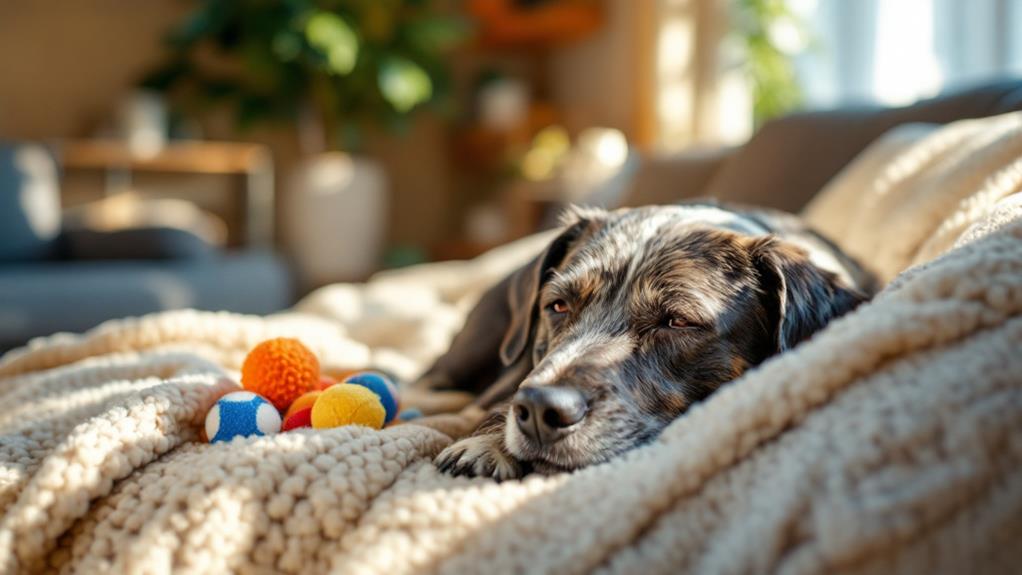
Creating a comfortable recovery space is vital for your sick dog's healing process. Set up a quiet and comfortable area where your dog can rest without disturbances. This promotes better rest and aids in their recovery. Make certain fresh water is always available to prevent dehydration. If your dog is reluctant to drink, offer small amounts frequently to encourage hydration.
Provide easily digestible foods like boiled chicken and rice to meet your dog's nutritional needs. Consult with your veterinarian for tailored dietary recommendations specific to your dog's condition. Monitor your dog's comfort closely, offering emotional support through gentle petting and companionship. This interaction can reduce anxiety and improve their recovery experience.
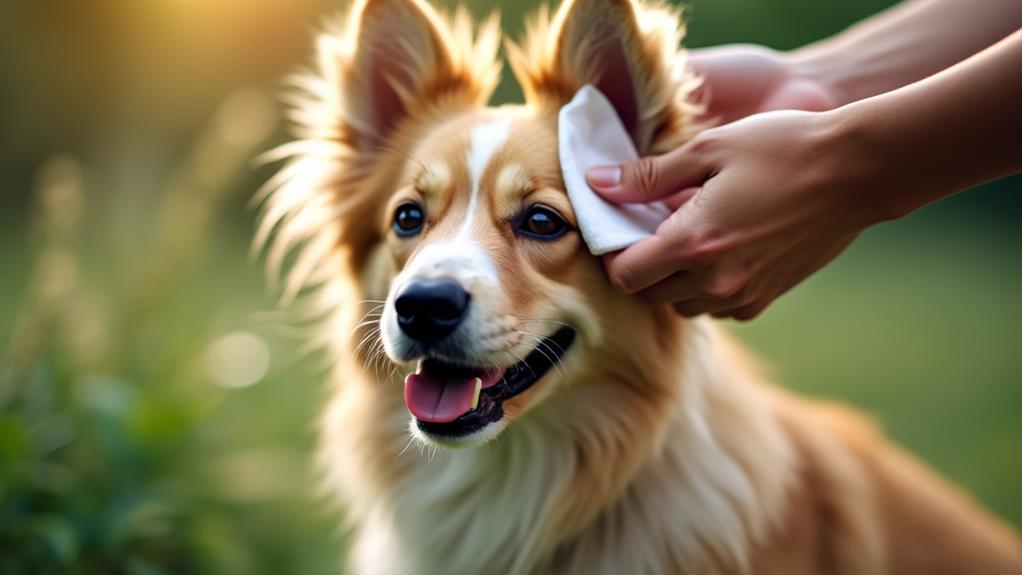
Maintain hygiene by cleaning any soiled areas regularly and washing your hands after handling your sick dog, helping to prevent infections. Keep in mind that veterinary care is vital, so stay in touch with your vet for any concerns or changes in your dog's condition. Your attentive care and the steps you take can make a significant difference in your dog's comfort and speed up their recovery process.
Administering Medication
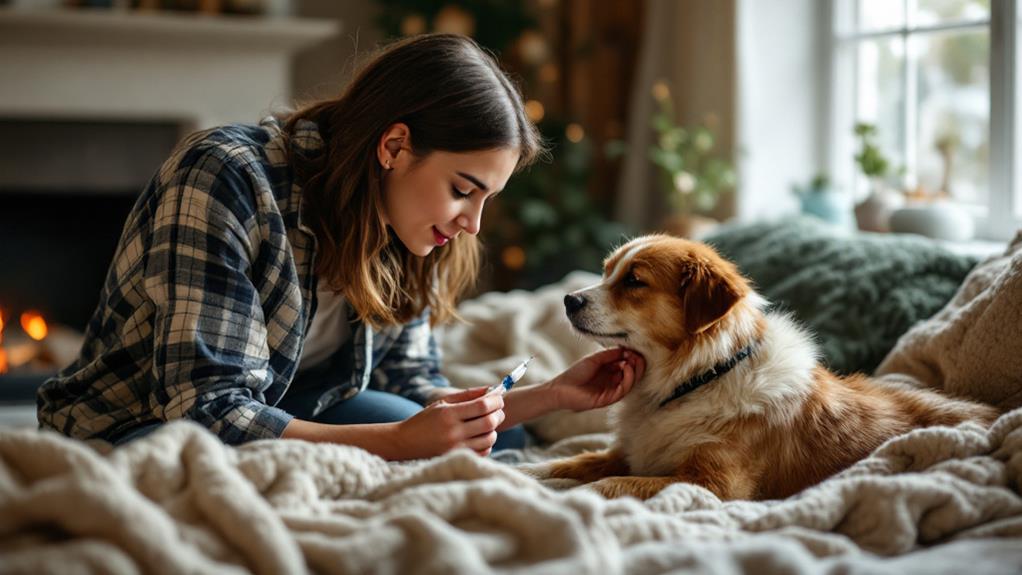
In regard to administering medication to your sick dog, preparation is key to guaranteeing a stress-free experience for both you and your pet. Gather all necessary supplies, including medications, syringes for liquid doses, and treats or food to hide pills. For pill administration, gently tilt your dog's head back, place the pill at the back of their throat, then close their mouth while encouraging swallowing with gentle rubs. If you're giving liquid medication, securely hold your dog and place the dropper between their cheek and gums, releasing the medication slowly to avoid choking.
Always consult your veterinarian about the proper technique and dosage before you administer the medication. Keep them informed of any difficulties you encounter. Diligently track the medication schedule to guarantee no doses are missed and to monitor for any adverse side effects. This will help in evaluating your dog's symptoms and adjusting treatment as necessary. Proper nutrition goes hand in hand with medication, supporting your dog's comfort and recovery. Watch closely for any changes in behavior or health, as these might indicate reactions to the medications. With the right approach, administering medication can become a smooth part of your dog's healing process.
Monitoring Health Progress
Keeping a close eye on your dog's health is vital when they're recovering from an illness. Start by maintaining a daily log of their symptoms, energy levels, and appetite. This documentation helps in tracking health progress and provides valuable insights during follow-up appointments. Noting changes, even minor ones, can give you an all-encompassing overview of how your dog is responding to treatment.
Be vigilant for unusual behaviors such as increased irritability or lethargy. These could signal complications requiring immediate veterinary attention. Moreover, watch for any medication side effects, as these can impact recovery progress. Recording these observations will aid your vet in making necessary adjustments to your dog's care plan.
Regularly examine any wounds for signs of redness, swelling, or discharge. Documenting these details can be significant for evaluating recovery progress. It's vital to share all observations with your veterinarian during follow-up appointments to guarantee your dog's needs are being met effectively.
Seeking Veterinary Support
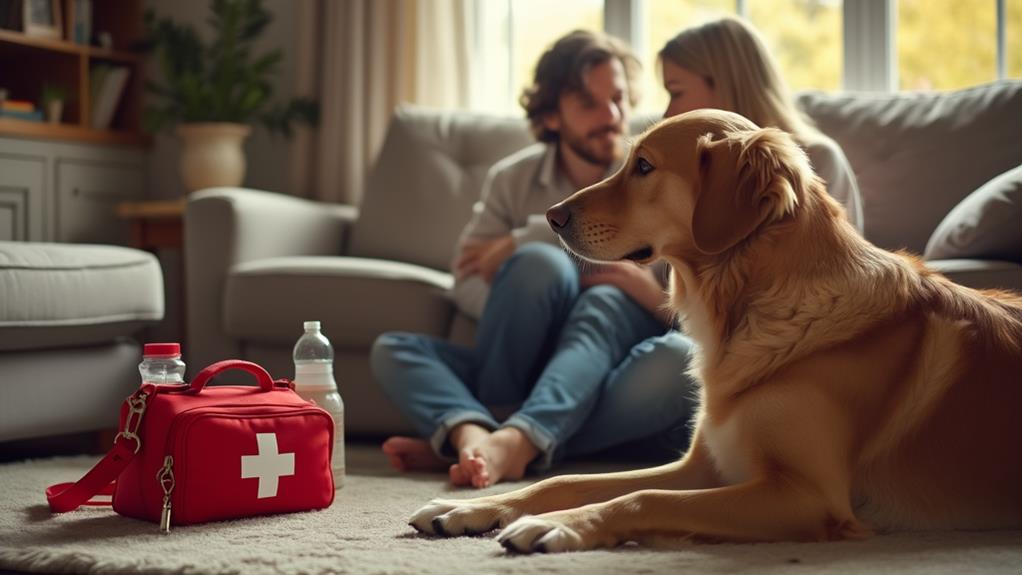
When your dog is unwell, seeking veterinary support promptly is imperative to guarantee they receive the right diagnosis and treatment. Early consultation with a veterinarian not only guarantees an accurate diagnosis but also improves the chances of a faster recovery. It's significant to consult your vet as soon as you notice any changes in your dog's symptoms, behavior, or appetite. Document these changes carefully, as they provide valuable information during follow-up visits and help refine the treatment plan.
Don't hesitate to contact your veterinarian for any urgent health concerns. Professional veterinary guidance is crucial for managing your dog's condition, especially regarding medication, dietary restrictions, and home care strategies tailored to their needs. Access to emergency services is critical for addressing pressing issues that could lead to complications if left untreated.
Regular check-ups play a considerable role in monitoring ongoing health issues and adjusting treatment plans accordingly. Your vet can provide insights into your dog's progress, guaranteeing they receive the best care possible. If you suspect something might be wrong, reach out to your vet right away. Prompt action can make all the difference in your dog's comfort and recovery.