How to Care for Your Dog: A Complete Guide for New Pet Owners
Caring for your new dog involves fulfilling their needs for love, exercise, nutrition, and vet care. Make sure you're ready for the time and financial commitment, with 1-3 hours daily for attention and exercise. Choose a breed that matches your lifestyle and prepare your home with crucial supplies. Providing high-quality food and constant fresh water supports their growth and health. Start training early with basic commands and positive reinforcement for a well-behaved pet. Regular vet visits and grooming keep your dog healthy and happy. Build a strong bond through consistent routines and activities you'll both enjoy, with more tips to improve your experience together.
Assessing Your Readiness
Bringing a dog into your life is like adding a new chapter to your story, and it starts with evaluating your readiness. Initially, assess your time commitment. Dogs need 1-3 hours of daily attention, exercise, and social interaction, depending on their stage of life and breed. Consider if your schedule can accommodate these needs. Next, reflect on your living situation. Do you have enough space for a dog, especially if you're considering a larger breed? Check any pet policies in your rental agreements to avoid future issues.
Financial readiness is essential too. Initial costs for dog ownership can range from $1,500 to $9,900. This includes adoption fees, vaccinations, food, and ongoing veterinary care. Make certain your budget can handle these expenses, along with unexpected veterinary bills. Discuss the decision with everyone in your household. It's important that all potential pet parents agree on the responsibilities involved to guarantee a harmonious home.
Choosing the Right Breed
Choosing the right breed for your lifestyle is crucial in guaranteeing a happy and healthy relationship with your new canine companion. When selecting the right dog, there are several factors to evaluate to find the perfect fit. Initially, think about the size of the breeds that are examined. Small breeds like Chihuahuas are ideal if you live in an apartment, while large breeds such as Labradors need more space and a yard.
Next, assess the energy levels of breeds. If you lead an active lifestyle, energetic breeds like Border Collies may suit you best. On the other hand, if you prefer a more tranquil environment, a relaxed breed like a Basset Hound might be ideal. Remember, temperament is key, especially if you have children. Gentle breeds like Golden Retrievers are excellent family dogs, whereas Beagles offer great companionship.
Finally, grooming needs vary widely. Long-haired breeds like Shih Tzus require regular grooming, while short-haired breeds like Boxers are lower maintenance. Ascertain the breed's activity levels and grooming needs align with your lifestyle compatibility to create a harmonious home. Use this first-time dog owner checklist to guide your decision-making process:
- Size and Space Requirements
- Energy and Activity Levels
- Grooming and Maintenance Needs
Preparing Your Home
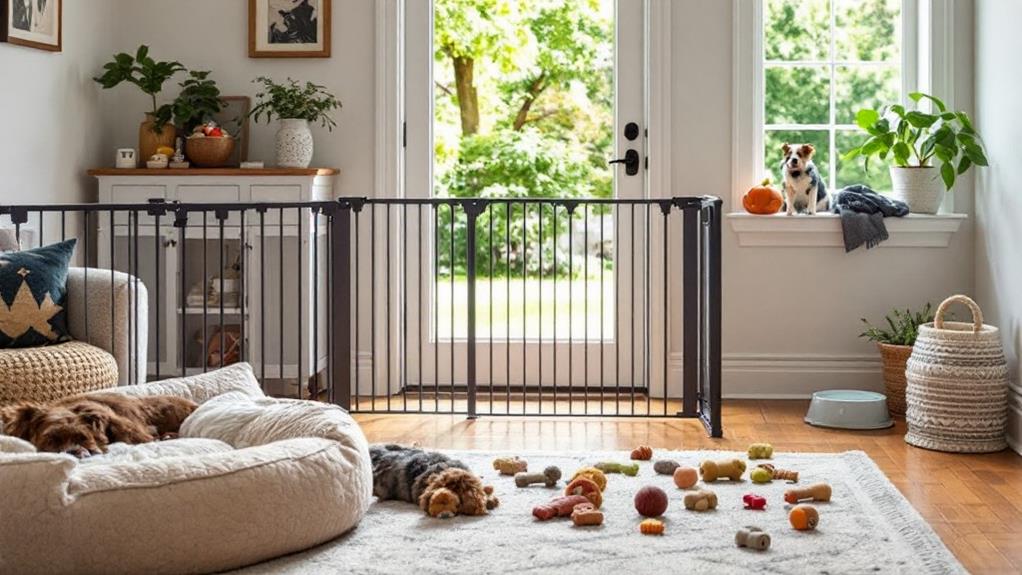
Once you've selected the perfect breed for your lifestyle, it's time to prepare your home for your new furry friend. Start by creating a designated area where your dog can feel safe and comfortable. Organize a quiet corner with a cozy bed, toys, and a crate to help them acclimate. This safe space will become their sanctuary as they adjust to their new life.
Next, dog-proof your home to prevent accidents and guarantee safety. Remove toxic plants and secure trash cans, storing hazardous items out of your dog's reach. Regularly check your fences and doors, confirming they're secure to prevent any escapes. Baby gates can be a useful tool to restrict access to unsafe areas.
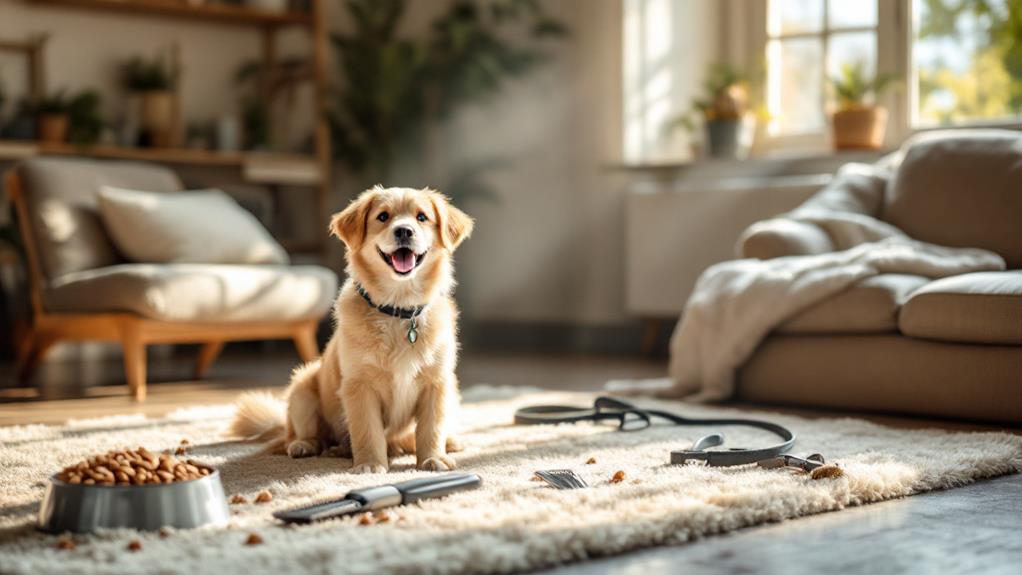
It's significant that all household members agree on pet care responsibilities. Establish house rules to create a consistent environment for your dog. Invest in vital supplies like food and water bowls, a collar, a leash, grooming tools, and suitable dog food to meet your dog's basic needs.
Nutrition and Feeding
Proper nutrition is one of the key elements to guaranteeing your dog's health and happiness. Start by selecting the right dog food, prioritizing high-quality protein and balanced nutrients. Check that the initial ingredient is a meat source and look for the AAFCO nutritional adequacy statement to guarantee you're providing complete and balanced nutrition.
- Feeding Puppies: Puppies need specialized growth food 3-4 times daily until six months old. Afterward, you can reduce their meals to twice a day, similar to adult dogs. This approach supports healthy growth and development.
- Providing Fresh Water: Always make certain your dog has constant access to fresh water. Hydration is vital for dogs of all stages to maintain general health and well-being.
- Using Treats Wisely: Limit treats to no more than 10% of your dog's daily caloric intake. This keeps their diet balanced while allowing treats to be used effectively as training rewards.
Regular consultations with your veterinarian are fundamental for tailored dietary recommendations. They can guide you based on your dog's stage, breed, and health needs to guarantee peak nutrition. Following these guidelines will help keep your dog happy and healthy.
Essential Training Tips
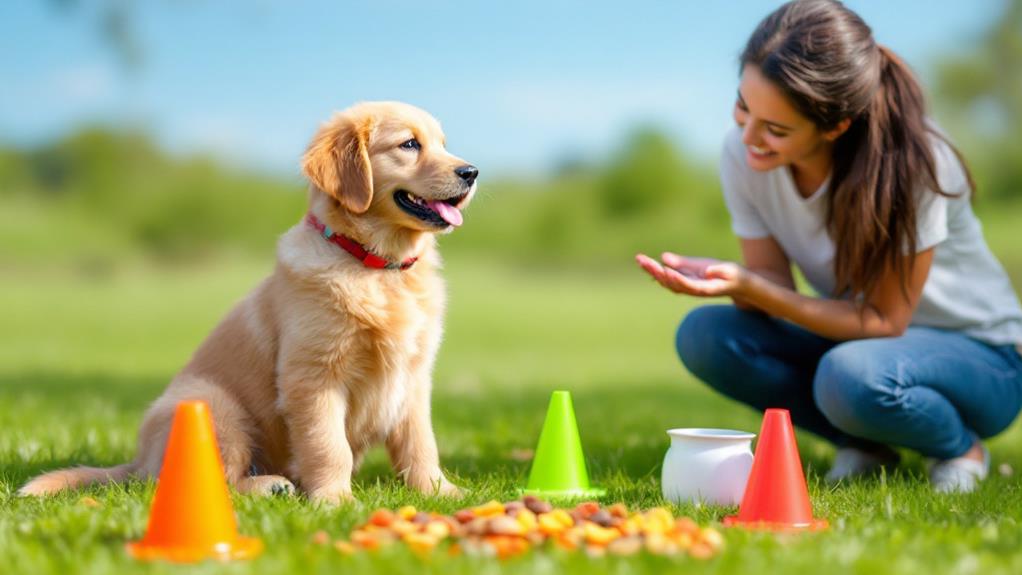
Regarding training your dog, starting early is vital. The best time to begin is when they're a puppy, as this sets the foundation for good behavior. Focus on basic commands like sit, stay, and come. Incorporating these into short, regular training sessions as part of your daily routine will help your puppy become accustomed to learning. Aim for 5 to 10 minutes several times a day to keep them engaged and focused.
Positive reinforcement is significant in training. Reward your dog with treats or praise when they exhibit desired behaviors. This not only encourages them to repeat these actions but also strengthens your bond. Consistency is just as important; make certain all family members use the same commands and responses to avoid confusion.
Confidence-building is another key aspect of training. While we won't explore full socialization strategies here, keep in mind that early exposure to different environments, people, and animals can help reduce anxiety in your puppy. Such exposure lays the groundwork for a well-adjusted adult dog. With dedication and patience, these vital training tips will guide you in raising a happy, well-behaved canine companion.
Socialization Strategies
Socialization is the cornerstone of raising a well-adjusted dog. Start socializing your puppy between 3 to 12 weeks of development. This critical period is when they're most open to new experiences and environments. Here's how you can help your puppy gain confidence and develop appropriate social skills:
- Expose Them to New Experiences: Gradually introduce your dog to different people, animals, and settings. This exposure helps build their confidence and reduces the likelihood of fear-based behaviors later in life.
- Attend Puppy Classes: These classes or playgroups encourage positive interactions with other dogs. They also offer a controlled environment for your puppy to learn and practice appropriate social skills.
- Use Positive Reinforcement: Reward your dog with treats and praise for calm and friendly behavior during socialization experiences. This technique reinforces desirable actions and encourages your puppy to repeat them.
Always monitor your dog's body language and reactions during these interactions to guarantee their comfort and safety. If you notice signs of fear or aggression, intervene promptly. By focusing on their comfort and gradually introducing new experiences, you'll foster a well-rounded, confident pup.
Exercise and Playtime
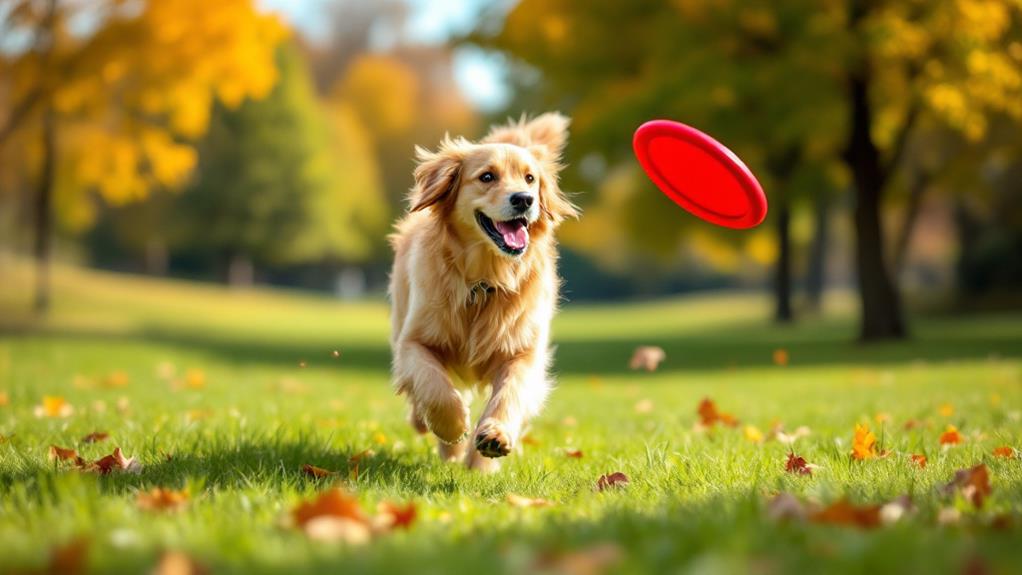
Engaging your dog in regular exercise and playtime is essential for their physical and mental well-being. Most dogs need between 30 minutes to 2 hours of activity daily, based on life stage, breed, and energy. So, how much exercise does your dog require? It varies. Puppies might need up to an hour, while senior dogs benefit from shorter, consistent sessions. These activities help maintain your dog's physical and mental health, ensuring they burn off energy and stay fit.
Engaging in regular playtime activities like fetch or tug-of-war isn't just fun; it strengthens your bond with your puppy or dog and provides crucial physical stimulation. Regular play also helps meet your dogs' daily caloric needs, reducing the risk of obesity. Meanwhile, mental stimulation is just as important. Incorporating puzzle toys and scent games can improve problem-solving skills and provide mental enrichment.
Watch for signs of boredom in dogs, such as destructive behavior or excessive barking. These can indicate your dog needs more exercise or mental challenges. By understanding what your dogs need, you can create a balanced routine that keeps them happy and healthy.
Health and Vet Care
A significant aspect of your dog's well-being is regular health and vet care, ensuring they live a long and happy life. Start by scheduling regular veterinary check-ups. Adult dogs need these at least once a year, while puppies require more frequent visits for growth monitoring and initial puppy vaccinations, which should begin as early as 6 to 8 weeks old. Core vaccinations, such as Distemper, Parvovirus, and Rabies, are crucial in preventing serious diseases.
Preventative care is another important component of your dog's health care routine. Here are some essential steps you should take:
- Parasite Control: Implement regular parasite control measures to protect your dog from fleas, ticks, and heartworms, which can severely impact their health if untreated.
- Dental Health: Maintain your dog's oral hygiene with regular brushing and dental chews. Consider professional cleanings annually to prevent health issues related to poor dental care.
- Pet Insurance: Consider investing in pet insurance to help mitigate unexpected vet bills. Policies can cover up to 100% of medical expenses, offering peace of mind as a responsible pet owner.
Grooming Essentials
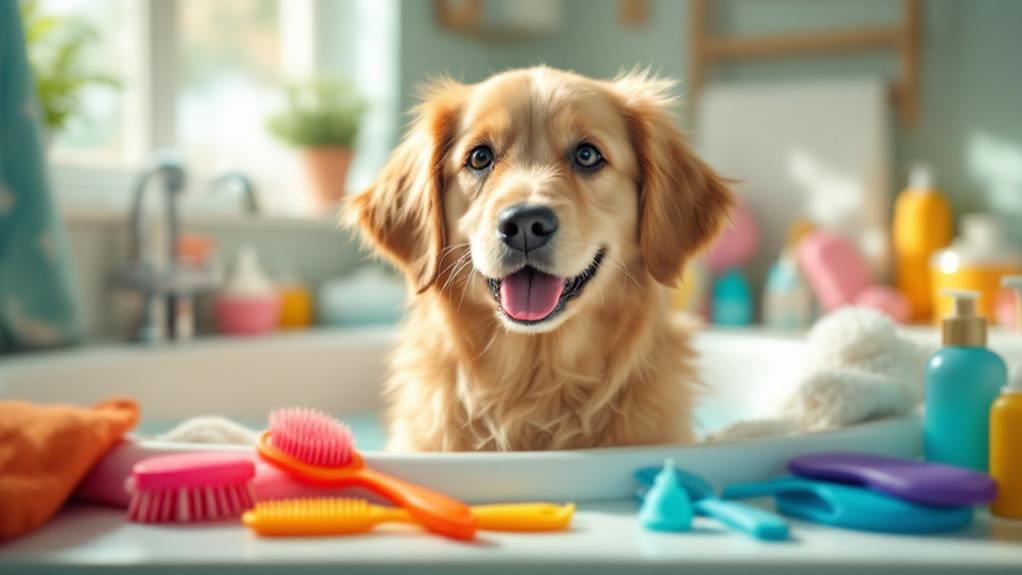
Although grooming might seem like a simple task, it's an fundamental part of your dog's general health and well-being. Regular grooming prevents matting and skin issues, especially in long-haired breeds like Shih Tzus, which need grooming every 4-6 weeks. In contrast, short-haired breeds like Boxers may only require grooming once or twice a year. Brushing your dog at least once a week is significant. It removes loose fur and dirt, promotes healthy skin by distributing natural oils, and can reduce shedding by up to 90%, particularly during shedding season.
Bathing your dog every 1-3 months with a dog-specific shampoo is critical for maintaining coat health and preventing skin irritation. Be careful not to over-bathe, as it can strip natural oils. Nail trimming is another key aspect of grooming. Most dogs need their nails clipped every 3-4 weeks to avoid overgrowth, which can cause pain or mobility issues. Don't overlook dental care; brushing your dog's teeth 2-3 times a week can help prevent periodontal disease, affecting 80% of dogs by maturity 3. Incorporating these grooming fundamentals guarantees your dog stays healthy and comfortable.
Building a Strong Bond
To build a strong bond with your dog, it's vital to engage in activities that promote companionship and trust. Here's how you can improve your relationship:
- Playtime: Regular playtime activities, such as fetch or tug-of-war, are not just fun but also important for strengthening your bond. They create a sense of companionship and allow both you and your dog to enjoy shared moments of joy and excitement.
- Training and Routine: Consistent training routines using positive reinforcement can greatly improve communication between you and your dog. By responding to commands, your dog learns to trust you, knowing that good behavior is rewarded. Establishing a daily routine for feeding, potty breaks, and playtime makes your dog feel secure and understood, further deepening the bond.
- Exercise and Mental Stimulation: Daily walks provide vital exercise, allowing your dog to discover and socialize, contributing to their mental well-being. Incorporate mental stimulation through puzzle toys or scent games to encourage problem-solving, creating a deeper bond through shared challenges and accomplishments.