Greater Swiss Mountain Dog: The Muscular and Confident Working Dog
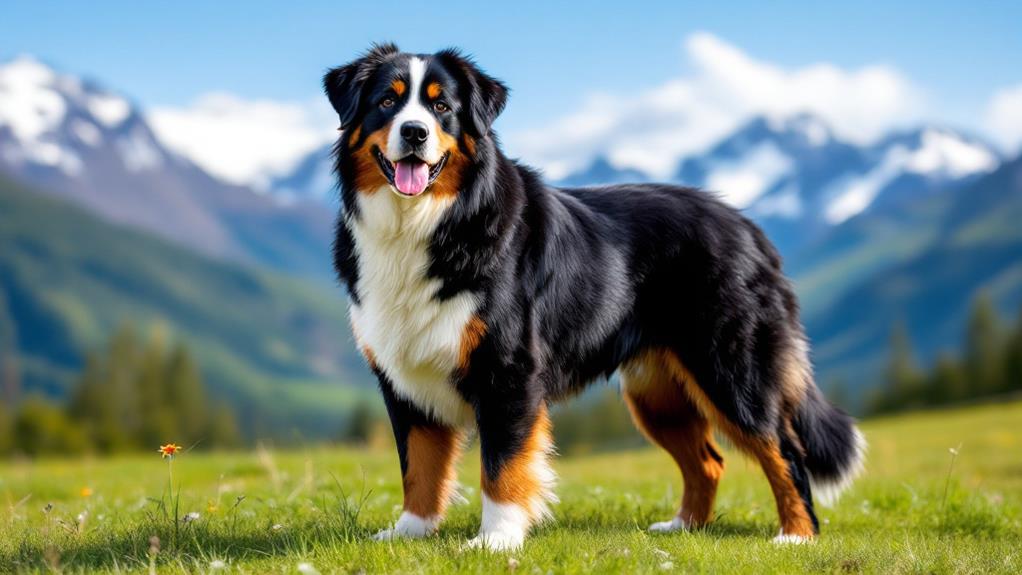
The Greater Swiss Mountain Dog is a muscular and confident breed that's stood the test of time. Originating in Switzerland over 2000 years ago, these dogs were bred as all-purpose farm helpers, skilled in herding, hauling, and guarding. Despite their giant stature and ability to pull thousands of pounds, they're known for their gentle and affectionate nature. They thrive with regular exercise and engagement but need attention to prevent separation anxiety. With their rarity and health sensitivities, responsible ownership is essential. Delving deeper into their rich history and maintenance can enrich your experience with this magnificent breed.
Breed Origins and Purpose
Imagine a breed that traces its roots back over 2000 years to the rugged landscapes of Switzerland, where it thrived as an all-purpose farm dog. The Greater Swiss Mountain Dog, a robust working breed, originated from Switzerland and excelled in diverse roles. This breed was prized for its versatility, adeptly performing tasks such as herding livestock, drafting heavy loads, and guarding properties. Its ancestors played a vital role in shaping the genetic background of other prominent breeds like the Rottweiler and St. Bernard, highlighting its significant genetic contribution.
Known in the 19th century as Metzgerhunde, or "butchers dogs," these dogs were a common sight in lively market settings, where their strength and reliability were invaluable. Their ability to handle multiple farm duties made them indispensable in agricultural communities. However, their popularity began to wane with the advent of mechanization, which decreased the demand for traditional working dogs.
Despite this decline, the Greater Swiss Mountain Dog's legacy endures, thanks to its historical significance and the recognition by the Swiss Kennel Club in 1990. As you learn about this breed, you'll appreciate its remarkable origins and enduring purpose.
Population and Rarity
While the Greater Swiss Mountain Dog boasts a storied past as a versatile farm companion, its expedition into the present day tells a different story. This breed, once thriving on Swiss farms, now faces a stark reality of rarity and a dwindling population. The mechanization and shifts in farming practices over the years greatly impacted their numbers, leading to a sharp decline. By 1945, the post-war population of these dogs plummeted to just about 350-400 individuals, underscoring their vulnerability.
In 1968, the breed made its initial leap across the Atlantic with imports to the United States. Despite this expansion, the Greater Swiss Mountain Dog remains rare. This rarity amplifies the urgency of conservation efforts aimed at preserving this breed's historical importance. Responsible breeding practices are essential to maintain and increase their population, guaranteeing these majestic dogs don't fade into obscurity.
Conversations about the Greater Swiss Mountain Dog today often revolve around their preservation. These discussions focus on balancing the breed's historical importance and its role as a versatile farm dog with modern conservation efforts. It's crucial to guarantee their legacy continues for future generations to appreciate.
Physical Strength and Behavior
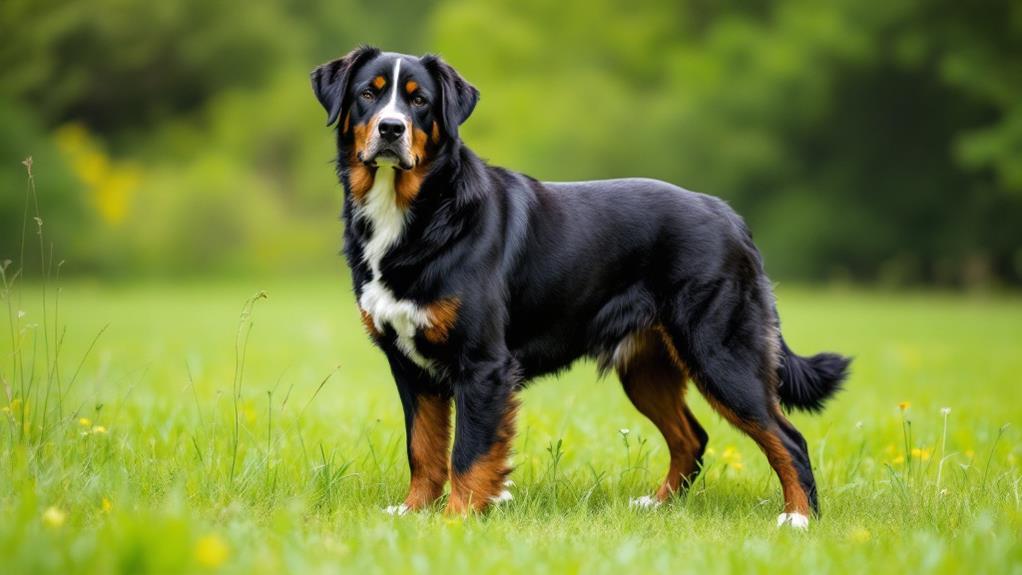
In relation to physical strength, Greater Swiss Mountain Dogs, affectionately known as Swissys, don't hold back. As large dogs with impressive power, they can pull over 3,000 pounds on average. It's no surprise they're renowned as working dogs with a natural pulling ability. However, their physical strength demands consistent exercise to manage their energy and prevent behavioral issues. Meeting their exercise needs is fundamental, as inactivity can lead to unwanted behaviors.
You must start early training to guarantee proper leash behavior. Without it, these large dogs can pose a challenge during walks. Their strong herding instinct can cause them to chase cars and small animals, so supervision in open environments is critical. Despite their strength, Swissys have a friendly and outgoing nature. Yet, they can be rambunctious and may suffer from separation anxiety if left alone too long.
Here's a rundown of what you need to know:
- Exercise Needs: Regular exercise is significant to manage their energy and prevent behavioral issues.
- Early Training: Key for proper leash behavior and controlling their herding instincts.
- Separation Anxiety: Swissys can experience anxiety when left alone, so consider this in your routine.
Climate Considerations
Greater Swiss Mountain Dogs, with their impressive strength and energy, also require careful attention regarding climate. Their dense double coat makes them struggle with hot weather, so guaranteeing they have access to water and shade is essential during warm months. You'll want to avoid exercise during peak heat to prevent overheating. Instead, opt for early morning or late evening walks when temperatures are cooler. Providing an air-conditioned environment in summer can help keep them comfortable and prevent them from suffering due to heat sensitivity.
Hydration is key for Greater Swiss Mountain Dogs, especially in warmer climates. You must be vigilant about their water intake to maintain their health. Always have fresh water available and encourage regular drinking. If you're planning outdoor activities, monitor them closely to make sure they don't overheat. Recognizing the signs of overheating, like excessive panting or lethargy, can be lifesaving.
Creating a cool and comfortable environment is critical for keeping your Greater Swiss Mountain Dog healthy and happy in hot weather conditions. Prioritize their comfort with plenty of shade, water, and a suitable exercise schedule to enjoy a harmonious life with your Swissy.
Activities and Sports
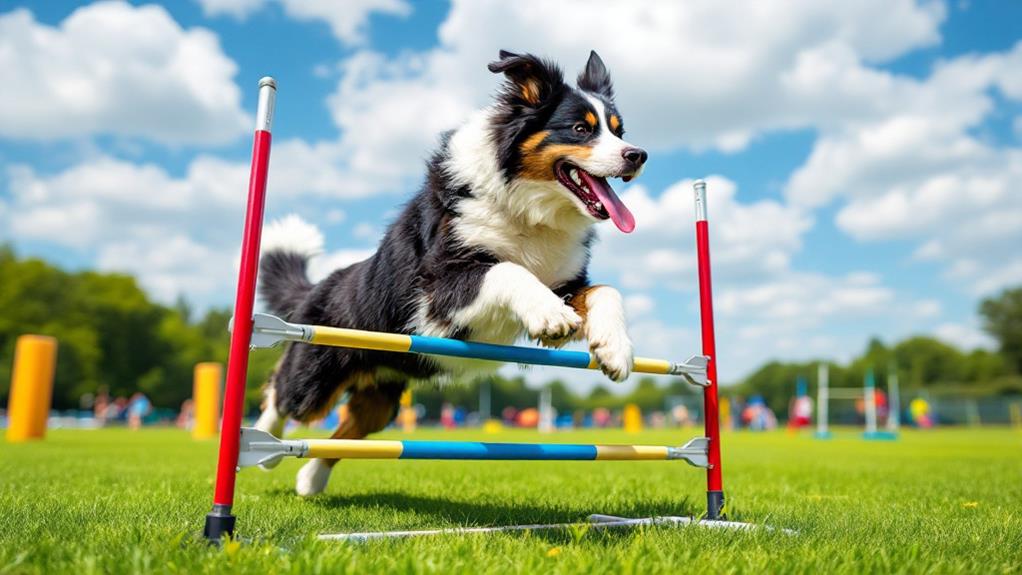
Regarding activities and sports, the Greater Swiss Mountain Dog is a powerhouse of energy and versatility. These dogs thrive on exercise, needing at least one to two daily walks to maintain their health and energy levels. Their impressive strength makes them excellent contenders in weight pulling competitions, with some capable of pulling over 4,800 pounds. But their talents don't stop there. The Greater Swiss Mountain Dog excels in a variety of activities that test both their physical fitness and mental stimulation.
Here are three ways you can engage your Swissy:
- Drafting and Backpacking: These dogs are natural draft animals. Equip them with a harness and let them pull carts or carry gear during hikes, which taps into their working heritage.
- Agility and Obedience Trials: Participate in these sports to challenge their quick thinking and responsiveness. It's a fantastic way to bond and keep them mentally sharp.
- Herding and Hiking: Their herding instincts make them excellent partners for herding trials, while hiking offers both exercise and a change of scenery.
Regular participation in such activities not only enhances their physical fitness but also helps manage behavioral issues and keeps your Swissy happy and healthy.
Characteristics and Traits
Many Greater Swiss Mountain Dogs stand out due to their impressive size and muscular build, typically weighing between 80-140 lbs and standing 23-27 inches tall. Their robust stature makes them one of Switzerland's largest and most formidable breeds. Despite their size, these dogs are gentle giants, known for their affectionate and loyal nature. They thrive as family companions, particularly excelling in homes with children or other pets due to their protective instincts.
These dogs are not just muscular; they're also incredibly energetic. To keep them happy and healthy, you'll need to dedicate at least one to two hours daily for exercise. Regardless of it's a brisk walk, a playful romp in the yard, or a challenging training session, the Greater Swiss Mountain Dog loves to stay active. Their intelligence and enthusiasm to please make them highly trainable. However, they can develop separation anxiety if left alone too long, so consistent companionship is vital.
Alertness is another hallmark trait. They're naturally inclined to serve as watchdogs, often barking at unfamiliar sounds. Early socialization and training can manage this trait effectively, ensuring they're attentive but not overly vocal. These dogs truly embody a blend of strength, loyalty, and intelligence.
Health Concerns
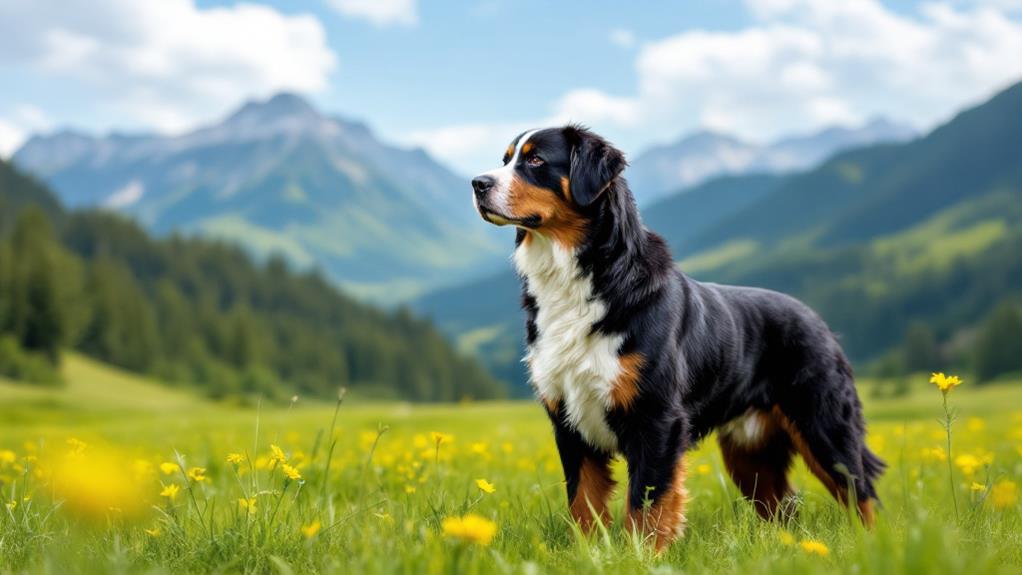
When considering a Greater Swiss Mountain Dog (GSMD) as a pet, it's important to be aware of their potential health concerns. These dogs are prone to several genetic issues that require attention and care. Here are a few key health concerns to keep in mind:
- Joint Disorders: GSMDs are susceptible to hip dysplasia and elbow dysplasia, both of which can lead to arthritis and mobility problems as they grow older. Making sure your dog maintains a healthy weight can help alleviate some of the stress on their joints.
- Dental Disease: A staggering 80% of GSMDs are affected by dental disease by the time they are two. Regular dental care, including brushing and professional cleanings, plays an important role in maintaining their oral health and preventing further complications.
- Serious Conditions: Gastric dilatation and volvulus (bloat) is a life-threatening condition that requires immediate attention if symptoms like retching and an enlarged abdomen appear. Furthermore, hemangiosarcoma and lymphoma are prevalent and necessitate regular health screenings for early detection.
Routine veterinary check-ups are significant to monitor for other common issues such as cataracts and obesity. By staying vigilant about their health concerns, you can help make sure your GSMD leads a long and healthy life.
Preventive Health Measures
Understanding the potential health challenges faced by Greater Swiss Mountain Dogs is just the beginning; taking proactive steps to mitigate these risks is just as important. Implementing preventive health measures guarantees your dog leads a healthy, fulfilling life. Start with regular veterinary check-ups to catch health issues like hip and elbow dysplasia or gastric torsion early. These check-ups can help you stay ahead of potential problems.
Daily teeth brushing is vital because periodontal disease affects many dogs, and GSMDs are no exception. Maintaining a balanced diet and regular exercise regimen helps prevent obesity-related issues, reducing strain on joints and the risk of heart disease. This approach promotes comprehensive well-being and longevity.
Routine blood testing is another essential component, especially before any surgeries. It helps identify underlying health risks, guaranteeing safer procedures for your Greater Swiss Mountain Dog. Unexpected medical costs can arise, so consider enrolling in pet health insurance. It provides peace of mind, knowing you're prepared for any health concerns this breed might face.
Grooming Needs
Caring for your Greater Swiss Mountain Dog's grooming needs involves attentiveness and routine. Their short, dense double coat requires regular brushing to keep shedding under control and maintain ideal coat health. You'll find this especially significant during spring and fall when shedding is more pronounced. A monthly bath, or as needed, will keep their coat clean and help prevent skin irritation and odor.
To guarantee your dog's well-being, consider the following grooming necessities:
- Regular Brushing and Coat Maintenance: Aim for regular brushing sessions to reduce shedding and keep your Swissie's coat healthy. This promotes natural oils and removes debris.
- Nail Trimming: Regular nail trimming is essential since overgrown nails can cause discomfort and affect mobility. Aim to check and trim their nails every few weeks.
- Dental Hygiene: Dental care is crucial, with daily teeth brushing recommended to ward off periodontal disease, which many dogs face by the time they reach two.
Don't forget to check their ears weekly for moisture buildup that can lead to infection. Adhering to these grooming needs not only keeps your Greater Swiss Mountain Dog looking its best but also guarantees a happier, healthier life.
Training and Sociability
Greater Swiss Mountain Dogs are known for their intelligence and enthusiasm to please, making them highly trainable companions. To harness their potential, start with early socialization. Exposing your Swissy to different people, dogs, and environments helps them develop a well-rounded temperament. Consistent training sessions using positive reinforcement techniques, like treats and praise, encourage them to learn commands and routines effectively.
Since Swissys thrive in social settings, regular interaction is vital. Without it, they might experience separation anxiety when left alone for extended periods. Engage them in activities that provide both physical exercise and mental stimulation, such as obedience trials, agility courses, and weight pulling competitions. These activities cater to their energetic nature and keep them mentally sharp.
Be mindful of their strong herding instincts. They might be tempted to chase cars or small animals, so early leash training is important for safe outdoor excursions. Consistent walks and controlled environments help curb these instincts, ensuring your Swissy's safety and your peace of mind. By investing time in proper training and socialization, you'll nurture a confident and well-behaved Greater Swiss Mountain Dog that's a joy to have as a companion.