GPS vs. Bluetooth Pet Tracker: Which Is Best for Your Pet’s Safety?

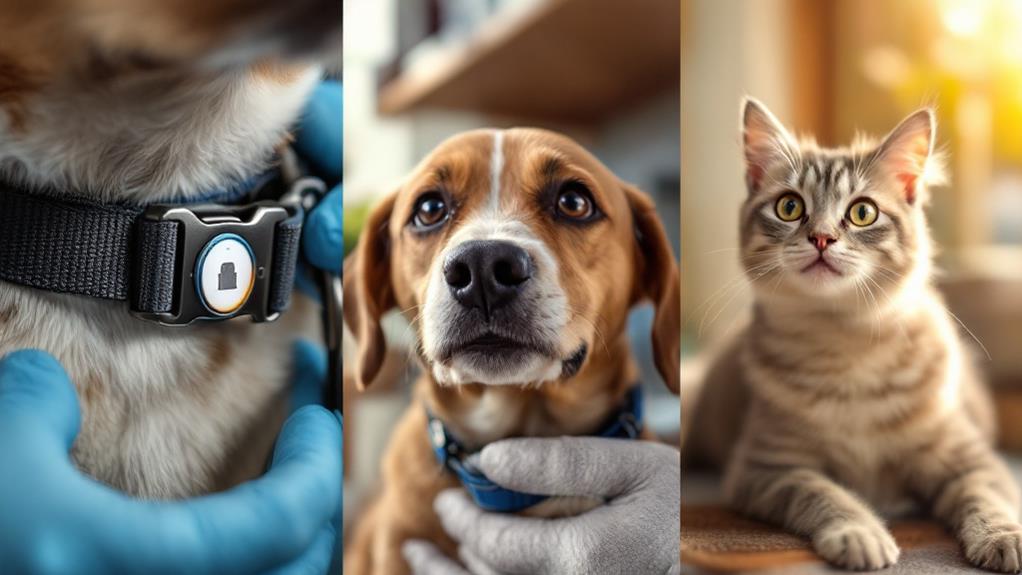
Choosing between GPS and Bluetooth pet trackers depends on your pet's lifestyle. If your pet roams outdoors, a GPS tracker offers unlimited range and real-time location, though it requires a subscription and can be pricier. It's perfect for ensuring your pet's safety when they venture beyond the neighborhood. Bluetooth trackers are more budget-friendly, with no ongoing fees and longer battery life, ideal for indoor pets. They rely on proximity to your smartphone and have limited range, which can be a drawback for adventurous pets. Uncover more to see how each fits your pet's unique safety needs.
Key Takeaways
- GPS trackers offer unlimited global tracking, ideal for pets that roam far from home.
- Bluetooth trackers are cost-effective with no subscription fees, suitable for pets staying indoors.
- GPS trackers provide real-time location updates and activity monitoring for enhanced pet safety.
- Bluetooth trackers have limited range and rely on proximity to smartphones, less effective in remote areas.
- Choose GPS for outdoor roaming pets and Bluetooth for indoor pets with minimal movement.
Understanding GPS and Bluetooth Trackers
When you're choosing between GPS and Bluetooth trackers for your pet, it's crucial to understand how each technology works. GPS pet trackers use satellite technology for tracking, which means you can pinpoint your pet's location from almost anywhere globally. This capability is ideal for pets that might wander far, as GPS provides real-time tracking and alerts if they stray too far. However, this technology often requires a subscription plan, impacting cost.
On the other hand, Bluetooth trackers have a limited range, typically between 10-60 meters. They excel in short-range tracking but fall short if your pet roams beyond this distance. Bluetooth trackers are more budget-friendly, with lower upfront costs and no ongoing fees. They boast longer battery life due to less frequent data transmission, making them maintenance-friendly but less effective for long-distance tracking.
GPS trackers also offer supplementary features like activity monitoring and geofencing, which can help manage your pet's health and safety. They alert you when your pet enters or exits a designated area, adding a layer of security. Bluetooth trackers primarily focus on locating items nearby, lacking these advanced features.
Range and Connectivity Comparison
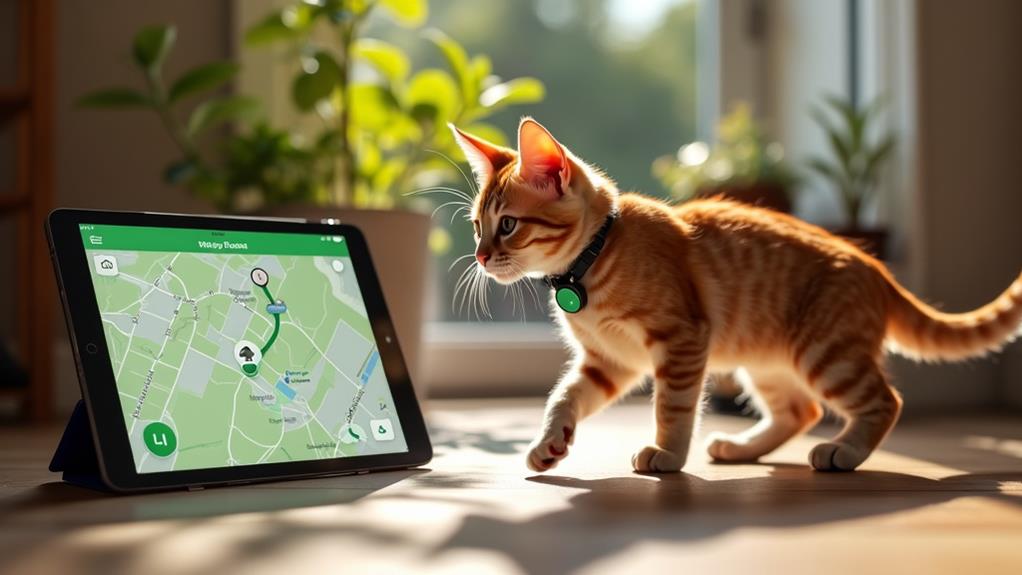
Having a clear understanding of GPS and Bluetooth trackers sets the stage for comparing their range and connectivity. GPS trackers offer an unlimited range, letting you locate your pet from anywhere in the world. This is possible because they use satellite signals for real-time tracking, ensuring you get location updates no matter where your pet is. However, GPS trackers typically require a mobile network connection to function.
In contrast, Bluetooth trackers are designed for short-range tracking. They have a limited range of about 30 feet (10 meters), depending heavily on their proximity to a smartphone with the appropriate app. This means that if your pet wanders beyond this limited range, the effectiveness of Bluetooth trackers considerably diminishes. They don't require cellular connectivity, but the reliance on a nearby phone makes them unreliable in remote areas.
When considering connectivity, GPS trackers maintain their effectiveness even in isolated locations, while Bluetooth trackers struggle without a nearby device. If your pet is prone to exploring far and wide, GPS trackers provide continuous location updates without the constraints of distance. On the other hand, for short-range tracking needs, Bluetooth trackers can be a convenient option.
Pros of GPS Pet Trackers
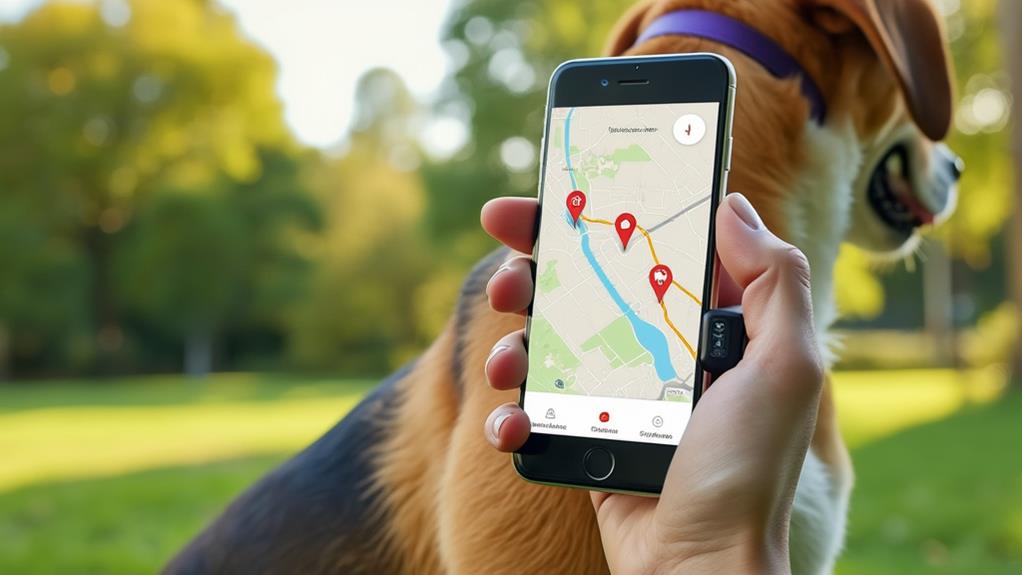
One of the biggest advantages of GPS pet trackers is their ability to provide an unlimited tracking range. You can locate your pet from anywhere in the world, even during international travel. This feature is essential for ensuring your pet's safety and security. By offering real-time location updates through a mobile app, similar to how you track parcels, GPS pet trackers keep you immediately informed about your pet's whereabouts. This precise location tracking reduces anxiety, as you can relax knowing your pet is safe.
Moreover, GPS pet trackers often come with location history features. These record your pet's movements, giving you insights into their daily activities and habits. This isn't just about tracking your pet's location; it's about understanding their routines and ensuring they're staying active. Many GPS trackers, like the Tractive GPS, also allow you to monitor pet activity levels, which is vital for managing their health and weight. With accuracy to within 10 meters, you'll have peace of mind knowing exactly where your pet is. Ultimately, the combination of unlimited range, real-time tracking, and activity monitoring makes GPS pet trackers a top choice for pet safety.
Pros of Bluetooth Pet Trackers
Bluetooth pet trackers offer a cost-effective solution for keeping tabs on your furry friend. With prices starting around $25, these devices won't break the bank, making them an affordable option for pet owners. Not only are they easy on your wallet, but they also boast a long battery life, often lasting several months to years. This is mainly due to their less frequent data transmission compared to GPS devices, so you won't have to worry about constant recharging.
These trackers excel in providing precise location tracking within their short range, often down to centimeters. This makes them perfect for finding your pet in close proximity, especially in indoor environments where GPS signals might struggle. Because they are lightweight and compact, you can easily attach them to your pet's collar without adding unnecessary bulk or discomfort.
Bluetooth pet trackers are incredibly user-friendly and easy to set up, so you can get started without any hassle. Their short-range tracking capabilities are ideal for keeping an eye on your pet indoors, ensuring you always know where your little one is. All in all, Bluetooth pet trackers provide a simple yet efficient way to improve your pet's safety.
Cons of Bluetooth Trackers

While Bluetooth pet trackers offer some conveniences, their limitations can't be ignored. One major drawback is their limited operational range, typically around 30-60 feet. This makes Bluetooth trackers ineffective for tracking pets that wander beyond this distance. If your pet loves to roam, this range won't suffice. Furthermore, these trackers depend on nearby smartphones for location updates. In remote areas where such devices are scarce, Bluetooth trackers become virtually useless.
Physical obstacles also pose a problem. Buildings, walls, or even dense foliage can disrupt Bluetooth signals, leading to inaccurate location updates. When precision in locating your pet matters, these disruptions can be frustrating. Unlike GPS trackers, many Bluetooth models lack real-time updates and activity monitoring, which are essential for tracking active pets.
Moreover, Bluetooth trackers often aren't designed with pets in mind. Their small size presents a safety hazard, as they can easily be chewed or swallowed, posing an ingestion risk. This makes them a less than ideal choice to attach to collars. Considering these factors, Bluetooth trackers can be more of a safety hazard rather than a helpful tool, especially for adventurous pets in varied environments.
Cons of GPS Trackers
Having investigated the limitations of Bluetooth trackers, let's now turn our attention to the drawbacks of GPS trackers. One significant issue is signal interference, especially indoors. This can hinder their effectiveness in certain environments, making it challenging to locate your pet accurately. Furthermore, many GPS trackers require a monthly subscription for cellular service. This extra cost of ownership can add up over time, making it a more expensive option compared to Bluetooth alternatives.
Battery life is another concern. Most GPS trackers last between 3 to 7 days on a single charge, meaning you'll need to recharge them frequently, especially with continuous real-time tracking. This could be inconvenient, particularly during emergency situations when you need the device to function without interruption.
The price of GPS trackers also tends to be higher, generally starting at around $50. While this might not seem steep, it's still more expensive than many Bluetooth options, adding to the total cost. Moreover, although GPS trackers offer real-time tracking, you might experience initial notification delays when your pet exits a designated safe zone. In emergency situations, these delays could be critical and impact the device's complete effectiveness in ensuring your pet's safety.
Real-Time Tracking Features
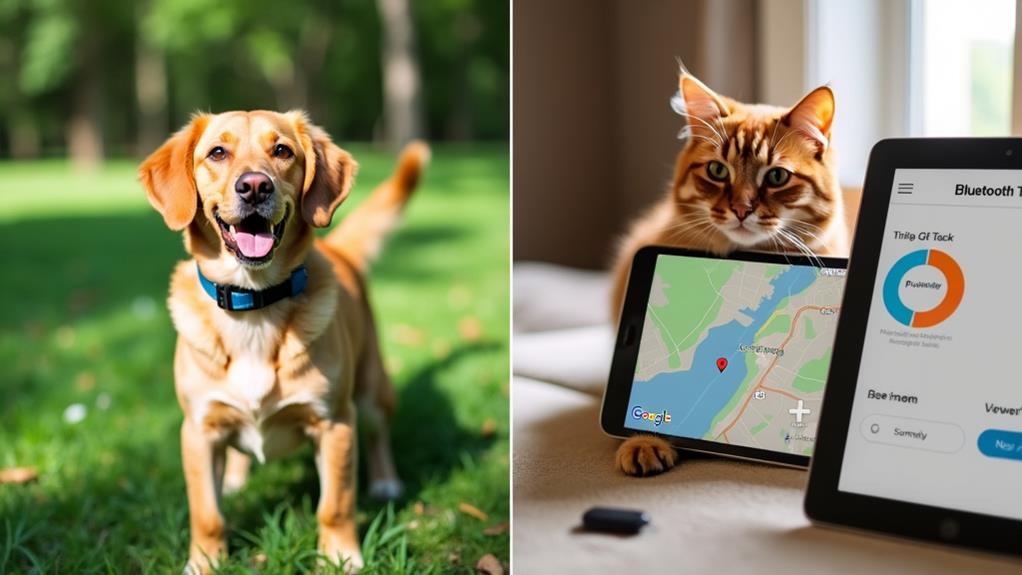
Real-time tracking features of GPS pet trackers offer a significant advantage by providing instant location updates, allowing you to keep a close eye on your pet's whereabouts at any time. With GPS tracking, you can monitor your pet's location regardless of how far they roam, thanks to satellite technology. This is a huge benefit for pet safety, especially if your furry friend likes to venture beyond your immediate vicinity.
In contrast, Bluetooth trackers are limited to a range of about 10-60 meters, which makes them less effective for pets that wander off. Since Bluetooth trackers rely on nearby smartphones for location updates, their functionality is hindered during outdoor activities or in remote areas where connectivity is lost.
GPS trackers often come with extra features like geofencing. This allows you to set safe zones for your pet and receive alerts if they venture out of these areas, further enhancing pet safety. Moreover, GPS devices provide insights into your pet's daily activities and movement history. This data not only helps track your pet's location but also offers valuable information about their health and habits, giving you peace of mind.
Choosing the Right Tracker
When choosing the right tracker for your pet, it is essential to weigh your specific needs against the features each type offers. If you value real-time tracking for pet safety during outdoor adventures, a GPS tracker is your best bet. It provides unlimited range and precise location updates, ensuring you can always find your pet. However, keep in mind that most GPS trackers require a monthly subscription, making the cost factor an significant consideration.
On the other hand, if your pet mainly stays indoors, a Bluetooth tracker could suffice. While it has a limited range of 10-60 meters, it generally doesn't require a subscription, making it more cost-effective. However, it's less effective for tracking lost pets over large distances.
When you choose a tracker, also consider the weight and comfort for your pet. Devices like the Safer Pet GPS tracker weigh only 23 grams and fit comfortably on collars, minimizing discomfort. If you have multiple pets, look for GPS trackers with capabilities to monitor them simultaneously, providing thorough activity insights.
Ultimately, the choice between a GPS and a Bluetooth tracker depends on your specific needs, balancing cost, tracking capabilities, and your pet's comfort.