Glen of Imaal Terrier: The Small but Tough Working Terrier
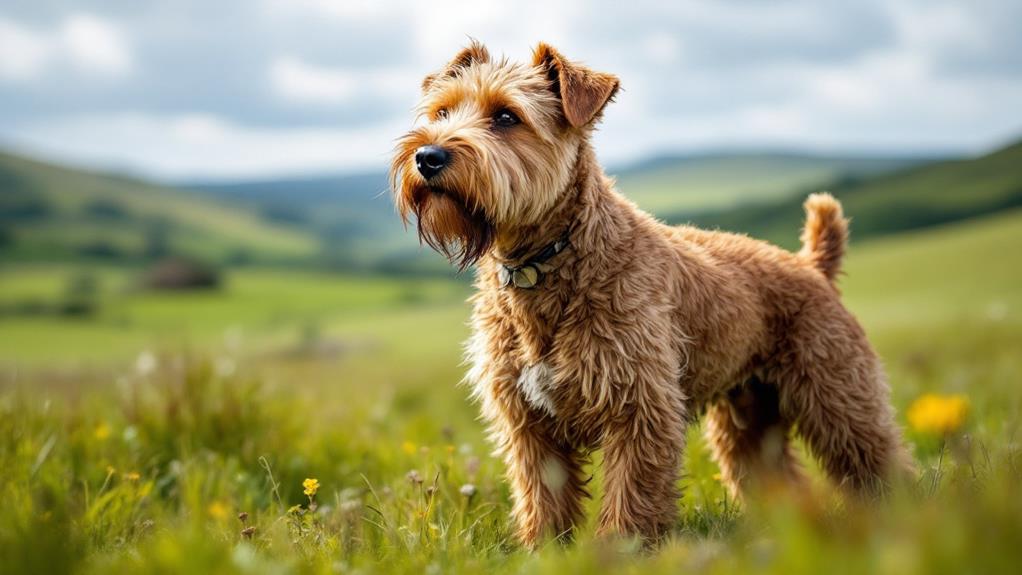
The Glen of Imaal Terrier is a sturdy breed from Ireland, known for its compact muscle and strength. Measuring 12.5 to 14 inches tall and weighing 32 to 40 pounds, it combines a rough double coat and a deep chest for harsh work environments. This terrier is both confident and gentle, perfect around kids and less prone to barking. Its strong prey drive and independence require early socialization and training. The breed nearly faced extinction in the early 20th century, but enthusiasts saved it. With ongoing breed nurturing efforts, there's much more to uncover about this remarkable terrier.
Breed Overview
The Glen of Imaal Terrier is a unique member of the Terrier Group, recognized by the AKC since 2004. If you're interested in terrier breeds, the Glen of Imaal Terrier might catch your eye with its distinctive qualities. Standing between 12.5 to 14 inches tall and weighing between 32 to 40 pounds, this small but sturdy breed is perfect for those who appreciate a compact, muscular dog. Unlike many terriers, Glens are known for being a bit gentler and less excitable, which can be a rejuvenating change if you're seeking a more laid-back companion.
You'll appreciate their practical double coat, designed to offer protection. The rough outer layer shields them from harsh elements, while the soft undercoat provides warmth and comfort, a feature particularly useful if you live in colder climates. Their robust health is another notable aspect, with a life expectancy of 10 to 15 years, ensuring they'll be a long-lived enhancement to your family. As a working dog, the Glen of Imaal Terrier brings resilience and endurance, making them capable of handling diverse tasks. They're an illustration of the versatility and charm of terrier breeds.
Temperament and Traits
Ever wonder what sets the Glen of Imaal Terrier apart regarding personality? This dog's temperament is a unique mix of boldness and gentleness, making it stand out among other terrier breeds. Known for their spirited nature, Glen of Imaal Terriers are surprisingly friendly and make excellent companions for children. They're capable of engaging in playful interactions without being overly excitable, which is a trait not commonly seen in the terrier world.
Despite their independent streak, these dogs are intelligent and quick learners. Training can sometimes be a challenge due to their stubbornness, but with patience and consistency, they can grasp commands effectively. An interesting trait of the Glen of Imaal Terrier is their ability to entertain themselves, so they don't require constant attention. They also bark less compared to other terriers, a nod to their history of silent work.
However, their strong prey drive means early socialization is vital. Introducing them to different environments, people, and other animals early on helps mitigate aggressive tendencies, particularly towards smaller animals. Proper socialization guarantees that their temperament remains balanced and that they grow into well-adjusted, sociable dogs.
Historical Significance
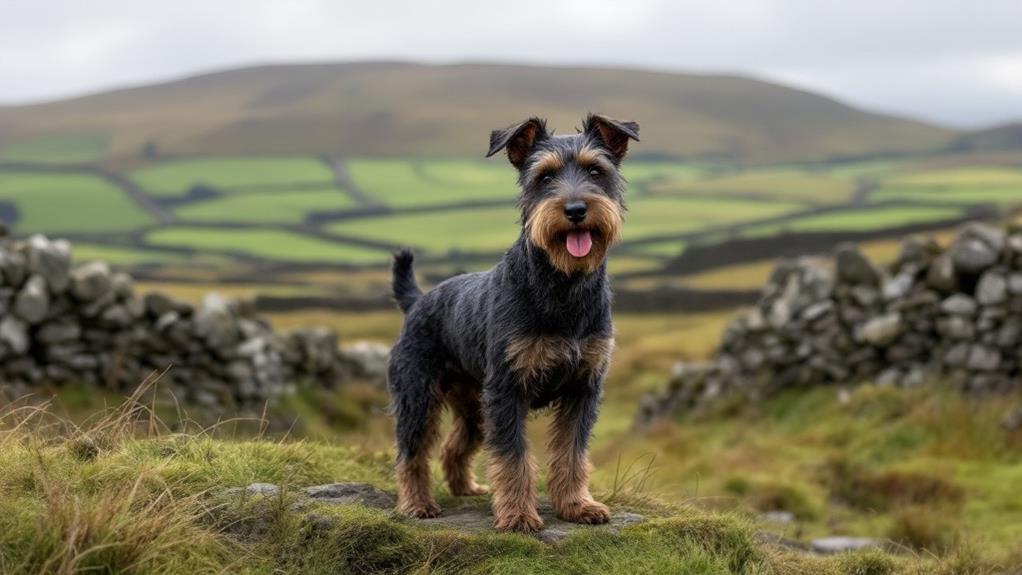
While exploring the rich history of the Glen of Imaal Terrier, you'll find its roots deeply planted in the Glen of Imaal valley in County Wicklow, Ireland. This resilient breed emerged in the late 16th century, developed by mercenaries tasked with diverse working tasks. Initially, the Glen of Imaal Terrier was bred for hunting small prey like rats and larger quarry such as foxes and badgers. They were also believed to be used as turnspit dogs in kitchens, although this particular role is not well-documented.
The breed's historical significance is further highlighted by its recognition by the Irish Kennel Club in 1934, affirming its place within the esteemed terrier group. However, the Glen of Imaal Terrier faced a dire period in the early 20th century, teetering on the brink of extinction. Thanks to the dedicated efforts of enthusiasts like Paddy Brennan and Willie Kane, the breed was successfully revived.
Despite their revival, the Glen of Imaal Terrier remains one of the rarest dog breeds today, with only about 3,100 individuals worldwide. This rarity underscores ongoing concerns for their sustainability and preservation, emphasizing the importance of continued breed awareness and support.
Training and Skills
Understanding the historical significance of the Glen of Imaal Terrier highlights its impressive versatility and adaptability, traits that shine in their training and skills today. Their strong hunting instincts make them excellent participants in Earthdog trials, where they showcase their natural talent for tracking scents and controlling vermin. This breed's independent-minded nature can sometimes lead to stubbornness, so early obedience training is essential. It helps you manage their behavior effectively, ensuring they remain attentive and enthusiastic learners.
Short, engaging training sessions of about 5 minutes, repeated three times a day, work wonders for maintaining their enthusiasm. The Glen of Imaal Terrier's agility and intelligence make them suitable candidates for a variety of dog sports, including agility and AKC Rally. With the right training and socialization, they can excel and enjoy these activities.
Socialization from a young period is key to developing positive behaviors around other dogs and small animals. It helps mitigate their strong prey drive, ensuring they're well-behaved and comfortable in different environments. By prioritizing consistent training and socialization, you reveal this breed's full potential, harnessing their natural skills and making them adaptable companions.
Health Considerations
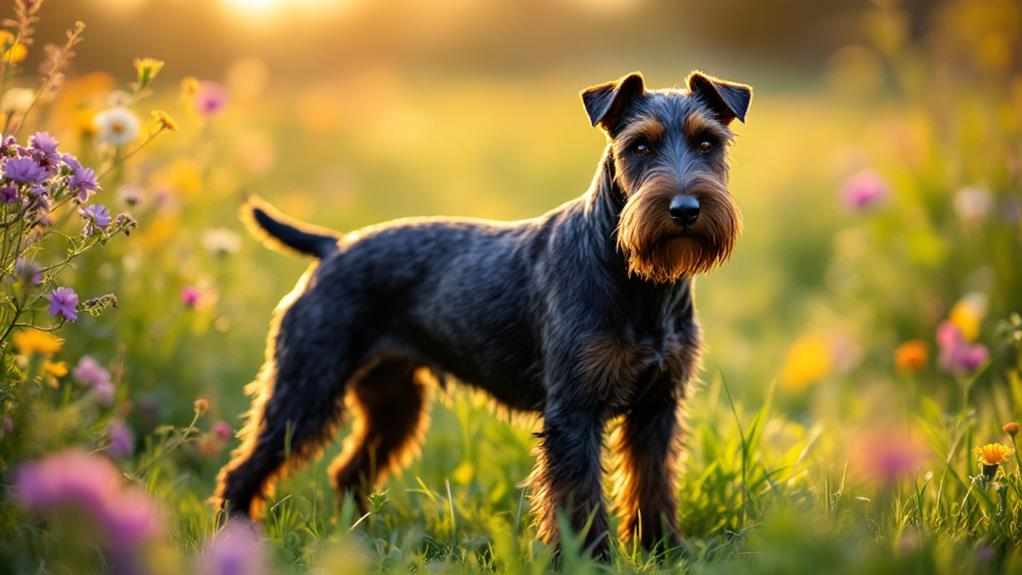
Caring for a Glen of Imaal Terrier involves understanding their unique health considerations. Despite their robust nature, these terriers are prone to certain genetic conditions. Key issues include hip dysplasia and cone rod dystrophy (CRD), which could lead to blindness. To mitigate these risks, responsible breeders perform health screenings, identifying genetic conditions early to guarantee healthier litters. This proactive approach helps reduce the prevalence of hereditary health issues in puppies.
Regular veterinary check-ups are essential for maintaining your Glen's health. These visits allow for monitoring of common concerns such as elbow and hip dysplasia. X-rays can diagnose these issues, helping you address them promptly. Furthermore, allergies are common in the breed, often causing skin irritations, especially on the paws, which require attention.
Don't forget about progressive retinal atrophy, specifically type crd3, a condition there's genetic testing for. Knowing about this condition helps guide breeding practices, guaranteeing healthier future generations. Although your Glen of Imaal Terrier generally doesn't suffer from back problems common in other breeds, maintaining a healthy weight through balanced exercise and high-quality dog food is imperative for their general well-being. Stay proactive, and your Glen can live a long, healthy life.
Care and Maintenance
Grooming your Glen of Imaal Terrier is a vital part of their care routine. You'll need to brush them 1-2 times a week to prevent matting and strip their wiry double coat 2-3 times a year. Don't forget weekly ear checks for wax or debris, and regular plucking to keep their ears healthy. This grooming helps maintain their distinctive look and prevents potential health issues.
Exercise is essential for your Glen's well-being. They thrive on moderate activity, so short walks or playful runs are ideal. These activities help keep them fit and mentally stimulated. Pair this with a high-quality, protein-rich diet, feeding them twice daily. Consulting your vet can help you tailor their diet to prevent obesity.
Training your Glen of Imaal Terrier involves short, engaging sessions—five minutes, three times a day works well. Their independent nature can be managed with consistent training and early socialization. Socializing them early helps them adapt to different environments and people, making them well-rounded companions.
Physical Characteristics
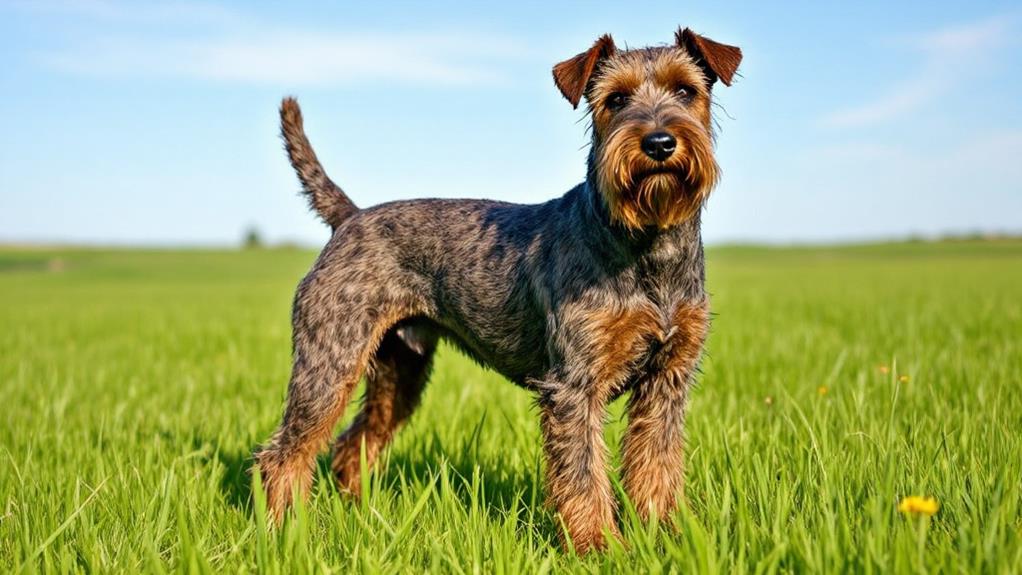
Some breeds capture attention with their distinctive features, and the Glen of Imaal Terrier is no exception. Standing between 12.5 to 14 inches tall and weighing around 32 to 40 pounds, this compact yet sturdy breed is a powerhouse in a small package. Its unique appearance is highlighted by a large, broad head and rose-shaped ears, amplifying its endearing yet robust look. A deep, muscular chest not only contributes to their distinct profile but also underscores their strength and endurance.
The Glen of Imaal's physical characteristics are further defined by its rough double coat. The wiry outer coat and soft undercoat make this terrier well-equipped to handle several weather conditions, guaranteeing they're always ready for action. Their movement is both agile and quick, thanks to slightly bowed legs and turned-out feet, which improve their performance in working tasks.
Color adds another layer to their charm, with shades ranging from blue and brindle to a range of wheaten tones. This diversity guarantees each Glen of Imaal terrier boasts its own special allure. Regardless of their sturdy build, unique coat, or lively colors, this breed's physical traits never fail to impress.
Community and Enthusiasts
While the Glen of Imaal Terrier stands out with its robust physical traits, it's the community of enthusiasts that truly keeps the breed alive and thriving. The Glen of Imaal Owners and Breeders Association, formed in the early 1970s, plays a significant role in promoting the breed's interests and ensuring its preservation. Dedicated enthusiasts, especially in its Irish homeland of West Wicklow, work tirelessly to maintain the breed's integrity. Despite its limited recognition in official stud books and champion lists, grassroots support proves fundamental.
As a rare breed in America, the Glen of Imaal Terrier benefits from ongoing community initiatives aimed at raising awareness and promoting responsible breeding practices. Enthusiasts focus on educating potential owners about the breed's unique characteristics and needs. Responsible breeders are essential in this effort, ensuring that the Glen's traits and health are preserved for future generations.
Discussions among the community highlight the need for a key examination of historical claims to preserve accurate narratives about the breed. By doing so, the Glen of Imaal Terrier's legacy is safeguarded, ensuring that its charm and resilience continue to captivate new generations of admirers.
Modern Breed Perception
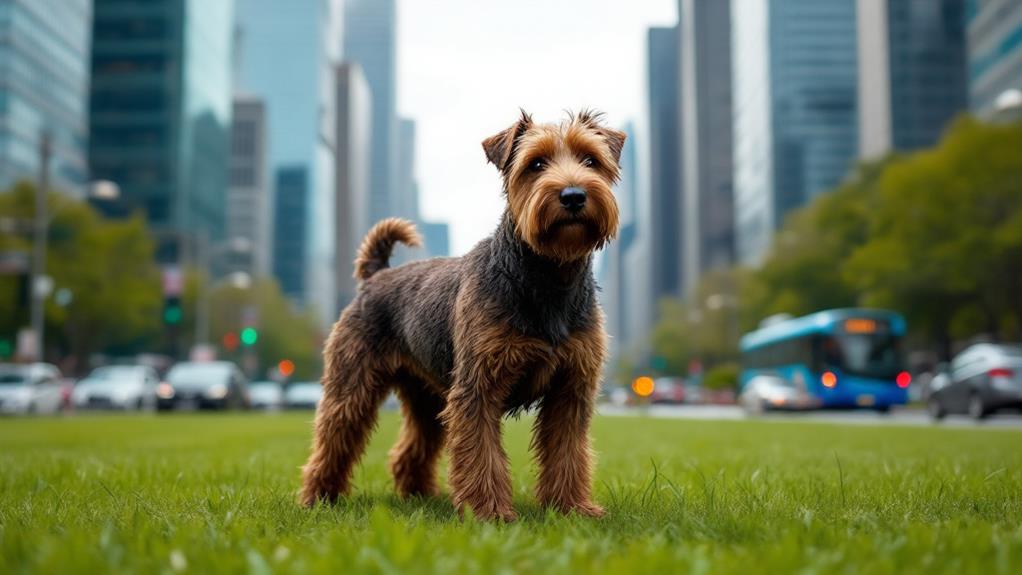
In the present world, the perception of the Glen of Imaal Terrier is shaped by both its rarity and misconceptions about its nature. As one of the rarest dog breeds in America, with a global population of just 3,100, the Glen of Imaal Terrier often flies under the radar. Many people simply aren't aware of its gentler temperament, contrasting sharply with the feisty reputation of other terriers. This modern breed perception is further muddled by its low ranking of 170 out of 201 in AKC popularity, suggesting that few have experienced its charming qualities directly.
Despite its historical roots as a hardworking dog, the Glen's abilities in Earthdog trials and agility competitions often go unnoticed. This oversight is due in part to its scarcity and the limited public awareness surrounding it. Fortunately, dedicated community efforts aim to change this narrative. These enthusiasts work tirelessly to promote and preserve the breed, ensuring that the Glen of Imaal Terrier's unique traits are celebrated rather than overshadowed. As you learn more about this rare terrier, you'll unveil a breed whose toughness is matched only by its endearing disposition.