German Wachtelhund: The Elegant and Skilled German Scenthound
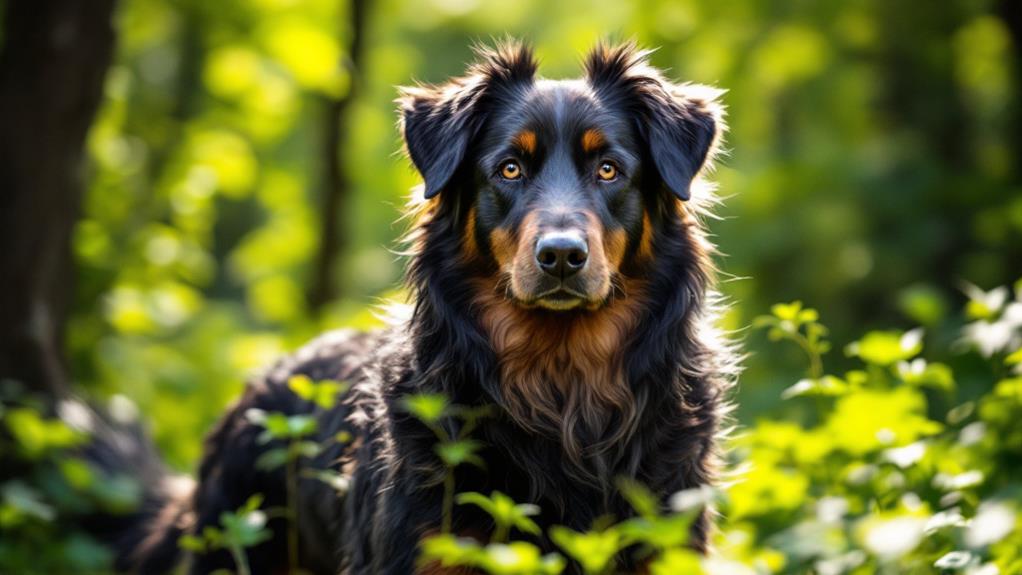
You'll love the German Wachtelhund for its elegance and skilled scent-tracking abilities. This medium-sized dog has a muscular body complementing its noble head and graceful neck. Its coat, often brown or brown roan, may feature charming curls. Originating from the 18th-century Stober, the breed nearly disappeared but was revived and officially recognized in 1903. Known for being friendly and adaptable, it's ideal for families. You'll need to invest time in exercise, training, and grooming to keep it happy and healthy. Uncover more about their temperament, history, and care as you continue exploring this fascinating breed.
Breed Characteristics
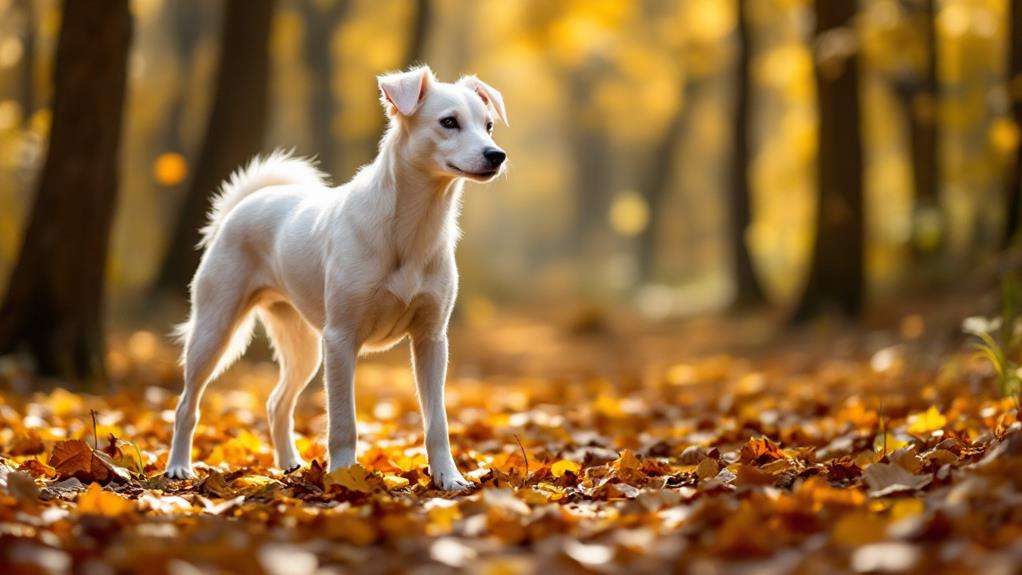
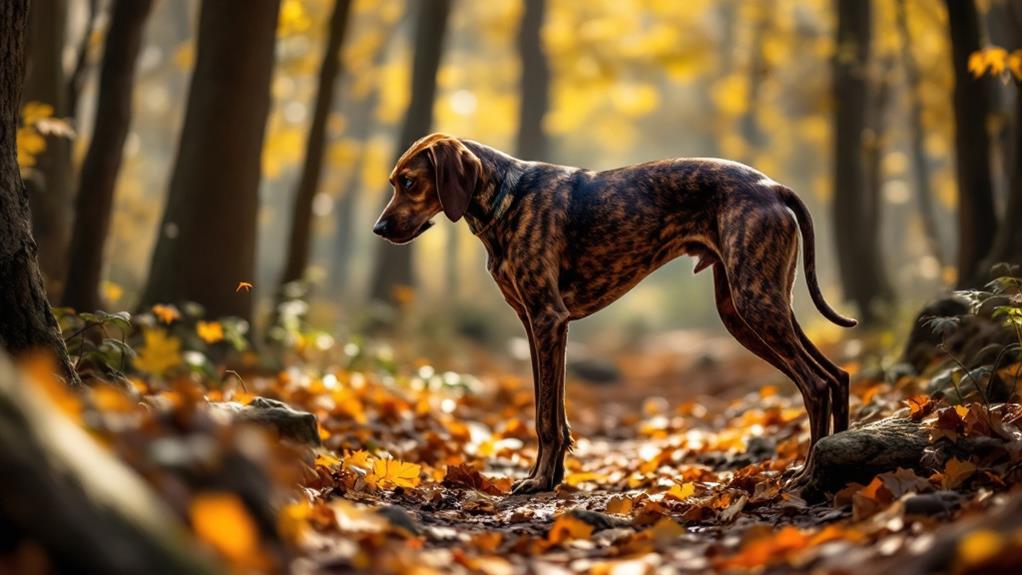
The German Wachtelhund's defining characteristics make it a standout among scent hounds. This medium-sized breed, known formally as the Deutscher Wachtelhund, combines elegance with robust hunting skills. Its muscular body, noble head, and graceful neck create a balanced and athletic silhouette. The breed's coat, a mix of short, fine hair on the head and longer, wavy or curly hair on the body, comes in solid brown or brown roan, often accented with white markings or ticking. These features give it a unique and striking appearance.
Beyond looks, the Deutscher Wachtelhund is highly intelligent, making it easy to train, especially in activities involving water. This intelligence, paired with proper socialization, guarantees the breed excels not only as a versatile hunting companion but also as a loving family dog. You'll find its brown or hazel eyes, set wide apart, exude a gentle and approachable expression. The long, silky hair covering its flat-lying ears adds to its charm.
Their adaptable and friendly temperament means they bond deeply with family members and other dogs, making them perfect for households that cherish canine companionship. Regardless of hunting or spending time with loved ones, this breed thrives on interaction.
Historical Background
Understanding the Deutscher Wachtelhund's historical background sheds light on its impressive abilities and characteristics. This breed's roots trace back to the Stober, a German hunting dog initially documented in 1719. By the late 19th century, the Stober faced near extinction, prompting breeders to cross it with spaniels to improve its hunting prowess. This effort led to the creation of the Deutscher Wachtelhund, a versatile hunting dog renowned for its scenting, tracking, and retrieving skills.
Officially recognized in 1903, the Deutscher Wachtelhund was initially known as the German Spaniel. After the 1848 revolutions in German states, it gained popularity among commoners, who valued its ability to navigate different terrains and hunt various game types. This breed's exceptional scenting abilities made it an indispensable ally for hunters seeking a reliable and adaptable companion.
However, the Deutscher Wachtelhund's high hunting drive meant it wasn't available for public sale in Germany. Proper training was crucial to ascertain it could coexist with other dogs and animals. Understanding this breed's historical evolution helps you appreciate its enduring reputation as a skilled and elegant German scenthound, perfectly suited for dedicated hunting enthusiasts.
Temperament and Behavior
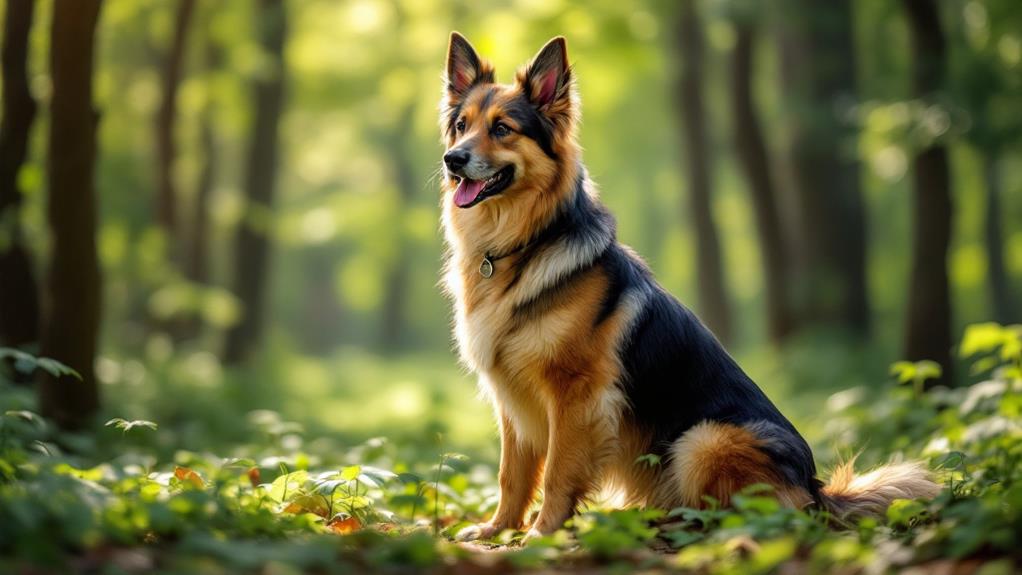
Have you ever wondered what makes the Deutscher Wachtelhund such a delightful companion? This breed is renowned for its friendly and adaptable temperament, making it a perfect choice for both families and individuals. Their affectionate nature guarantees they're always enthusiastic to be by your side, ready to join in on any adventure.
When it comes to training, the Deutscher Wachtelhund's intelligence shines through. They're quick learners, and using positive reinforcement methods improves their ability to pick up commands and tricks. But remember, proper socialization is crucial to managing any potential aggression towards other dogs. By exposing them to different environments and canine friends early on, you guarantee harmonious interactions.
Here's what you need to know about their behavior:
- Energetic: They thrive in active settings, requiring regular exercise to channel their energy positively.
- Intelligent: Their quick wits make them responsive to training, especially with positive reinforcement.
- Sociable: Proper socialization is vital for balanced interactions with other dogs.
- Alert: While not guard dogs, they serve as excellent watchdogs, alerting you to unfamiliar visitors.
Care Requirements
Caring for a Deutscher Wachtelhund involves attention to their dietary and grooming needs. Start with a high-quality diet tailored to their life stage. Measure meal portions carefully to prevent overfeeding, and guarantee treats don't exceed 10% of their daily caloric intake. Exercise plays an important role in their care; although specific exercises will be discussed later, you should know they need an hour of moderate physical activity each day.
Grooming is fundamental for this breed. Their medium-length, wavy or curly coat requires weekly brushing to keep it manageable and healthy. Regular grooming sessions should also include nail trims and eye cleaning to remove dirt. Pay special attention to their ears, as they can be prone to ear infections. Regular ear checks and cleaning help prevent these issues.
Don't overlook dental hygiene. Regular brushing and providing dental chews can greatly reduce the risk of common health problems. Dental care is often neglected, but it's crucial for your Deutscher Wachtelhund's general well-being. By focusing on these care requirements, you guarantee your dog stays happy, healthy, and ready for any adventure.
Exercise and Training
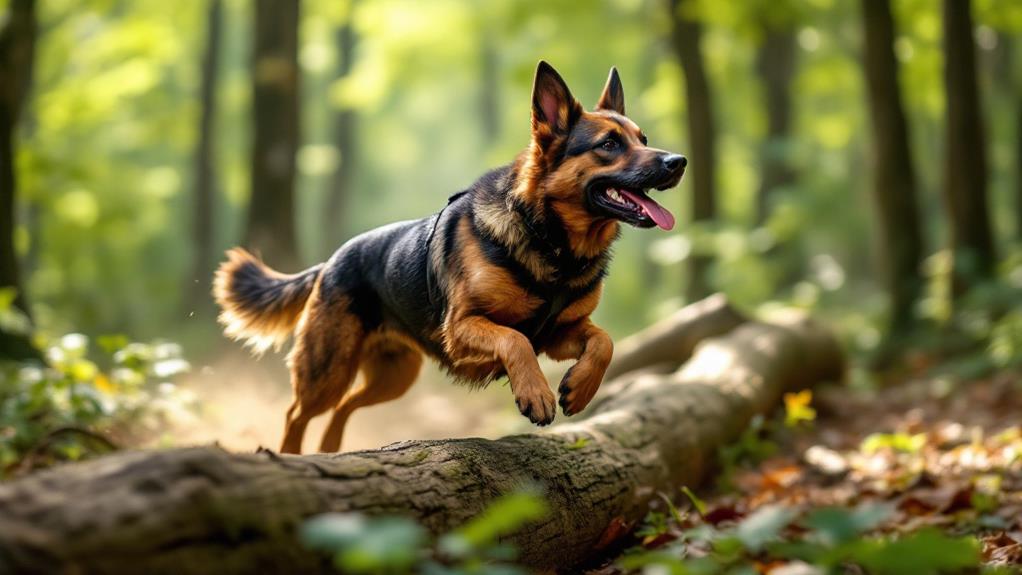
The Deutscher Wachtelhund's exercise and training requirements are essential to their happiness and health. As an energetic breed, they need at least one hour of daily exercise. This can include long walks, swimming, or participating in dog sports like agility and scent tracking, which help satisfy their natural hunting dog instincts.
To guarantee your Wachtelhund's well-being, consider the following:
- Early Socialization: Introduce them to different environments and other dogs early on to develop well-mannered behavior and manage aggression.
- Positive Reinforcement: Utilize this effective method due to their high intelligence, making command and hunting technique training efficient.
- Regular Training Sessions: Incorporate both obedience and hunting skills to keep them well-rounded and responsive across diverse settings.
- Consistent Practice: Their need for companionship means they thrive with routine and supervision, preventing potential behavioral issues.
Grooming Essentials
Grooming your Deutscher Wachtelhund is an important part of their care routine. Their medium-length coat demands regular brushing at least once a week to eliminate loose fur and prevent matting. This not only keeps their coat looking splendid but also promotes healthy skin. During seasonal shedding, consider increasing the frequency of baths to every two months or more. Bathing helps manage shedding and keeps their coat clean and healthy.
Regular ear inspections are necessary due to the breed's long, feathered ears that can trap moisture and debris. Clean their ears consistently to prevent infections and guarantee they remain comfortable. Moreover, maintaining dental hygiene is critical to prevent health issues associated with poor oral care. Make brushing their teeth a routine task and provide dental chews to support oral health.
Don't overlook the importance of trimming hair between their toes, especially in winter. This prevents ice buildup and discomfort during walks. By incorporating these grooming necessities, you'll help your Deutscher Wachtelhund stay healthy and comfortable. Regular grooming not only improves their appearance but also strengthens your bond through attentive care.