Essential Dog Training Tips for Beginners
To start training your dog, establish a consistent schedule with short, focused sessions before meal times for maximum motivation. Begin with basic commands like "sit" and "stay," using clear cues and rewarding correct actions immediately with treats or praise. Positive reinforcement encourages repetition of good behavior and builds a strong bond. Minimize distractions by choosing a quiet setting, and gradually introduce challenges as your dog masters commands. Select rewards your dog loves, ensuring effective learning. If needed, seek professional guidance or join group classes for structured and social learning. Exploring these tips will set you up for lasting success.
Establish a Training Schedule
Creating a training schedule is essential for successful dog training. When you establish a routine, your dog knows what to expect, making them more receptive to learning. Aim for short sessions, about five minutes each, to maintain your dog's focus and prevent them from feeling overwhelmed. The key to effective obedience training is consistency, so plan your training sessions at the same time each day. Scheduling them before meals can be particularly effective, as your dog's hunger will serve as an extra motivator.
Choose quiet times or familiar environments for your training sessions to minimize distractions. This guarantees your dog remains attentive, helping them absorb new commands. Regularly spaced sessions throughout the week will reinforce learning and help integrate obedience training into your dog's daily life. Keep these sessions positive and rewarding by using positive reinforcement, like treats or praise, to encourage good behavior.
Consider attending training classes if you need guidance or socialization opportunities for your dog. These classes can supplement your at-home efforts and provide a structured environment for both you and your pet. Remember, a well-planned schedule is the cornerstone for successful training outcomes.
Master Basic Commands
Mastering basic commands is vital for building a well-behaved and obedient dog. Start with simple commands like "sit," "stay," "come," and "down." These form the foundation of good behavior in Dog Training. Use clear, consistent cue words for each command, and reinforce them with hand signals. This approach helps your dog understand and respond more effectively.
Training your dog should involve short, frequent sessions. Keep them around five minutes to maintain your dog's interest and prevent overwhelm. This promotes better retention of the basic commands. When your dog responds correctly, use Positive Reinforcement. Immediately reward them with small treats or praise. This encourages them to repeat the desired behavior.
To guarantee your dog can execute commands reliably, practice in different environments. This helps them generalize the behavior and respond regardless of distractions. Remember, consistency and patience are key in training your dog.
Here's a quick checklist to guide you:
- Start with basic commands: "sit," "stay," "come," "down."
- Use clear commands and hand signals.
- Keep sessions short and frequent.
- Praise and reward success immediately.
Implement Positive Reinforcement
Building on the foundation of basic commands, the next step is to implement positive reinforcement, a core principle of effective dog training. This method focuses on rewarding good behavior, making it more likely your dog will repeat it. As a dog trainer, you'll find this to be an effective method to promote learning and keep your furry friend mentally stimulated. By immediately rewarding your dog's good behavior with treats, toys, or affection, you strengthen the association between the action and the reward, guaranteeing the lesson sticks.
Avoid inadvertently rewarding unwanted behaviors, like giving attention when your dog barks for it, as this can foster negative habits. Instead, focus on reinforcing the behaviors you want to see more of. Consistency is key in positive reinforcement. Keep the training environment fun and engaging to encourage learning and build a strong bond with your dog. This approach to dog ownership not only helps you raise a well-behaved companion but also guarantees your dog remains enthusiastic to learn and responsive to your guidance. By implementing positive reinforcement, you create a harmonious and rewarding dynamic between you and your pet.
Minimize Distractions
To set the stage for successful dog training, start by minimizing distractions in the environment. Begin your training sessions in a quiet, familiar setting where your dog feels comfortable. This helps guarantee they stay focused on learning the basic commands. It's essential to keep your dog's attention on you, so choose a time when the household is calm and free from excessive noise or activity.
Once your dog is mastering the basic commands, gradually introduce different levels of distraction. This teaches them to maintain focus even when things around them change. Remember, the goal is to build your dog's confidence and ability to concentrate in diverse environments.
Here are some tips to minimize distractions:
- Choose a quiet location: Start in a peaceful area to help your dog concentrate.
- Use training aids: Toys or treats can redirect focus back to you if distractions occur.
- Incremental challenges: Slowly add distractions to improve your dog's focus.
- Consistent timing: Schedule sessions when the environment is least chaotic.
Schedule Before Meal Times

Taking advantage of your dog's natural hunger can greatly improve their training experience. By scheduling training sessions before meal times, you'll find your dog more motivated to learn and engage. Hungry dogs are typically more responsive, making it easier for them to focus on the commands you're teaching. This timing creates a positive association between learning and the food rewards they'll receive once they successfully follow through with your instructions.
Short five-minute training sessions before meals are the perfect way to maintain your dog's focus without overwhelming them. These brief interactions guarantee your dog remains attentive and doesn't get distracted easily. As an owner, you'll notice that regularly conducting training before meals reinforces a routine. This consistency is vital, as it helps in the retention of commands and builds a strong foundation for future training endeavors.
Utilizing mealtime as a training opportunity not only improves your dog's learning but also fosters a deeper bond between you and your pet. The communication that develops during these sessions is invaluable, enriching the complete training experience. By incorporating this strategy, you're setting both yourself and your dog up for success.
Choose Effective Rewards
Choosing the right rewards is essential for successful dog training. Dogs are often food-motivated, so using small, healthy treats can effectively reinforce good behavior during training sessions. It's significant to choose treats that your dog finds irresistible, and many dogs prefer soft, chewy treats over hard, crunchy ones. Take some time to experiment and identify which treats truly captivate your pup's attention.
Consider these tips when selecting rewards:
- Immediate Gratification: Reward your dog immediately after they perform a desired behavior to strengthen the connection between the action and the reward.
- Variety of Rewards: If your dog isn't food-motivated, try non-food rewards like quick play sessions or affection, which can be just as effective.
- Consistency: Stick to the same types of rewards to help your dog clearly understand what behaviors are expected, enhancing their learning process.
- Quality Over Quantity: Small, high-quality treats are often more effective than large quantities, keeping your dog focused and engaged.
Seek Professional Guidance
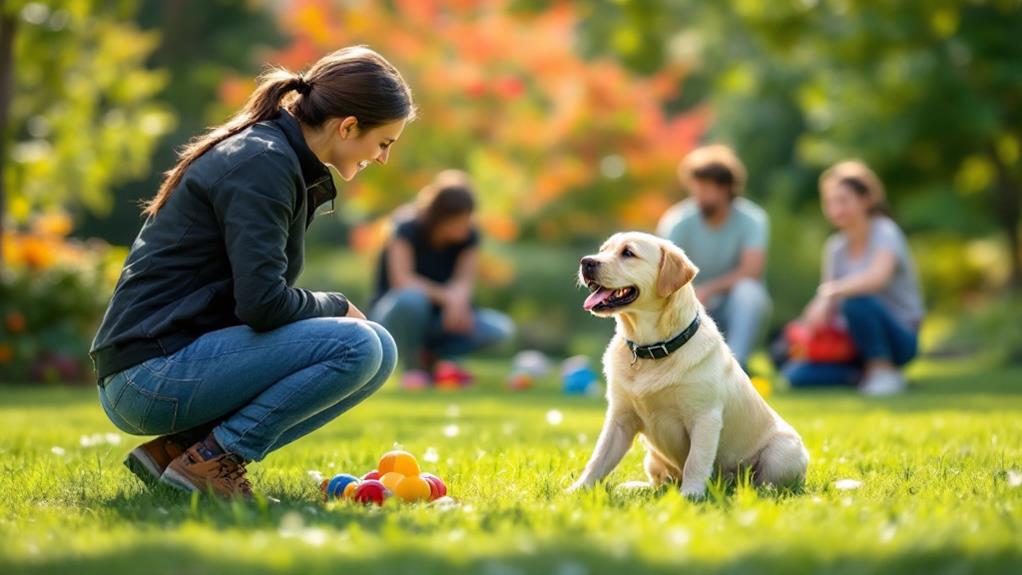
A wealth of expertise can be gained when you seek professional guidance in dog training. Professional trainers offer valuable insights and tailored training plans to address your dog's specific behavioral issues or goals. They can help you Train Your Dog more effectively, ensuring that both you and your furry friend enjoy the process. As a dog owner, it's easy to feel overwhelmed, especially if it's your initial time. This is where professional trainers come in handy—they can guide you through the challenges with ease.
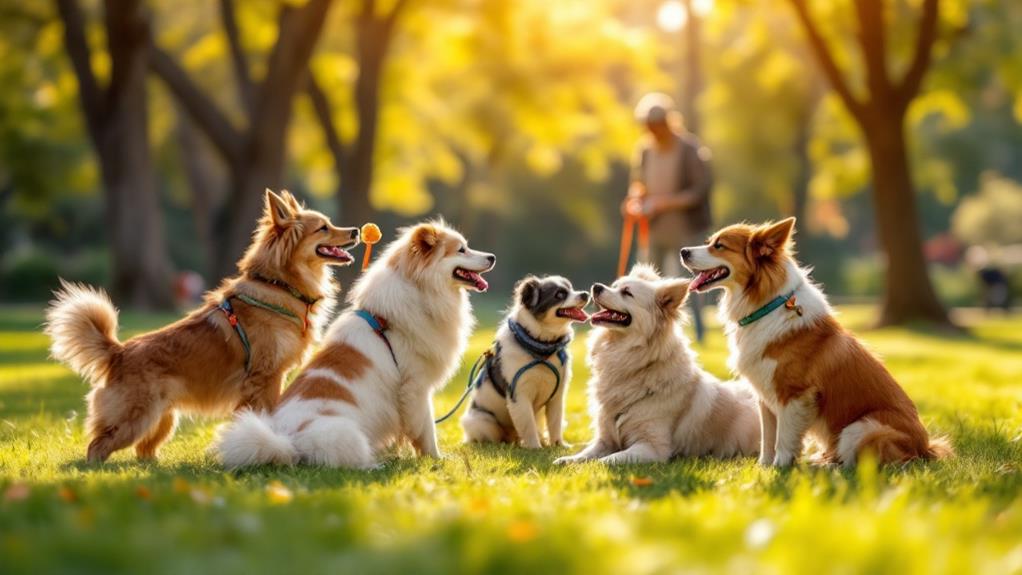
One of the major benefits of engaging with professional trainers is their use of positive reinforcement techniques. This approach not only helps your dog learn better but also strengthens the bond between you and your pet. Furthermore, many trainers offer group classes that provide excellent socialization opportunities. Your dog gets to interact with other dogs in a controlled environment, promoting a positive learning atmosphere.
Hands-on workshops are another great option offered by trainers, giving you practical experience with expert guidance. These sessions are invaluable, especially if you're unsure about effective training practices. By seeking professional guidance, you set yourself and your dog up for success in your training expedition.