Conure as a Pet: Is It the Right Bird for You?
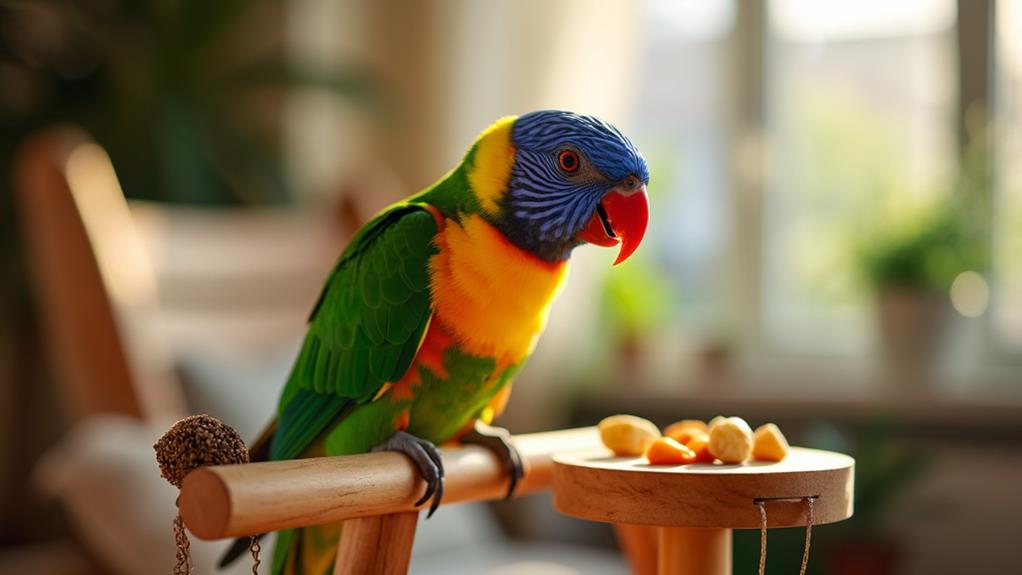
Considering a conure as a pet? These social, playful birds can make great companions if you're ready for a long-term commitment. With a lifespan of 20-30 years, you'll need ample time and attention to meet their care needs. Conures require a spacious cage, a balanced diet of pellets and fresh produce, and mental stimulation to thrive. While their vocal nature keeps things lively, it might not suit quieter homes. Each conure species has unique traits, so choose one that matches your lifestyle. If you're interested in a bird that craves interaction and curiosity, there's more you'll want to investigate.
Key Takeaways
- Conures are social and affectionate birds, requiring regular interaction and companionship.
- Different species vary in size, noise levels, and temperament; choose based on personal lifestyle and environment.
- Conures have a long lifespan of 20-30 years, demanding a long-term commitment from owners.
- A balanced diet, mental stimulation, and regular veterinary care are essential for conure health.
- Conures can be loud; some breeds like Sun Conures may not suit noise-sensitive households.
Understanding Conure Species
There are several species of conures, each with its own unique characteristics and appeal. When considering the types of pet birds, conures stand out for their lively personalities and variety of sizes. If you're looking for a smaller conure species, the Green Cheek Conure might be ideal. They grow to about 10-11 inches and are known for their friendly temperament, making them perfect for novice bird owners. Their manageable size also makes them easier to accommodate in smaller living spaces.
On the other hand, if you prefer a larger bird with striking colors, the Cherry-Headed Conure could catch your eye, reaching up to 12 inches. However, if you're drawn to lively plumage and a spirited demeanor, the Sun Conure is hard to resist. This type of bird is not only visually stunning but also known for its outgoing nature. Keep in mind, though, they can be quite loud, potentially making them a one-person bird.
For those who cherish a quieter environment, species like the Sun and Jenday Conures might not be suitable due to their vocal nature. Each conure species offers unique traits, so consider what aligns best with your lifestyle.
Essential Care Requirements
Caring for a conure requires attention to several significant needs to guarantee they remain healthy and happy. One of the fundamental care requirements is providing a spacious cage. A minimum size of 36" L x 24" W x 24" H is necessary to make sure your conure has enough room to move comfortably. This helps prevent stress and encourages physical activity, keeping your feathered friend in top shape.
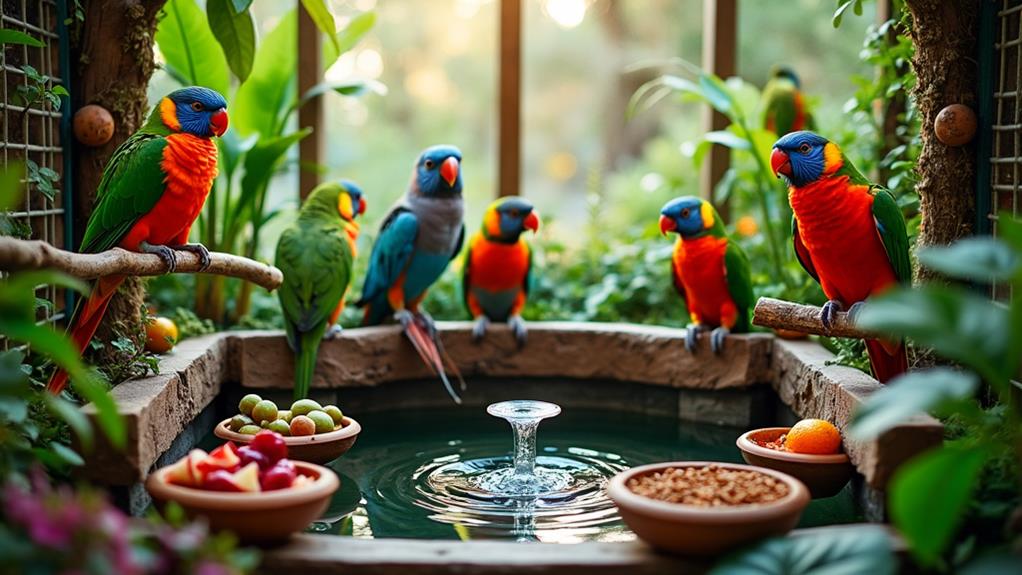
Bathing is another important aspect of conure care. Regular bathing, either through a water dish or spray baths, maintains their feather condition. Clean, well-kept feathers are critical for their general health and well-being. Remember, conures are naturally curious and energetic birds that thrive on mental stimulation. Enrichment through toys and activities is fundamental to prevent boredom and potential destructive behavior. Providing a variety of toys can engage their inquisitive nature and keep them mentally active.
Lastly, think about the long-term commitment. With a lifespan ranging from 20 to 30 years, properly caring for a conure means you're in it for the long haul. Meeting these fundamental care requirements guarantees your conure lives a fulfilling life, bringing joy to your home for many years.
Feeding Your Conure
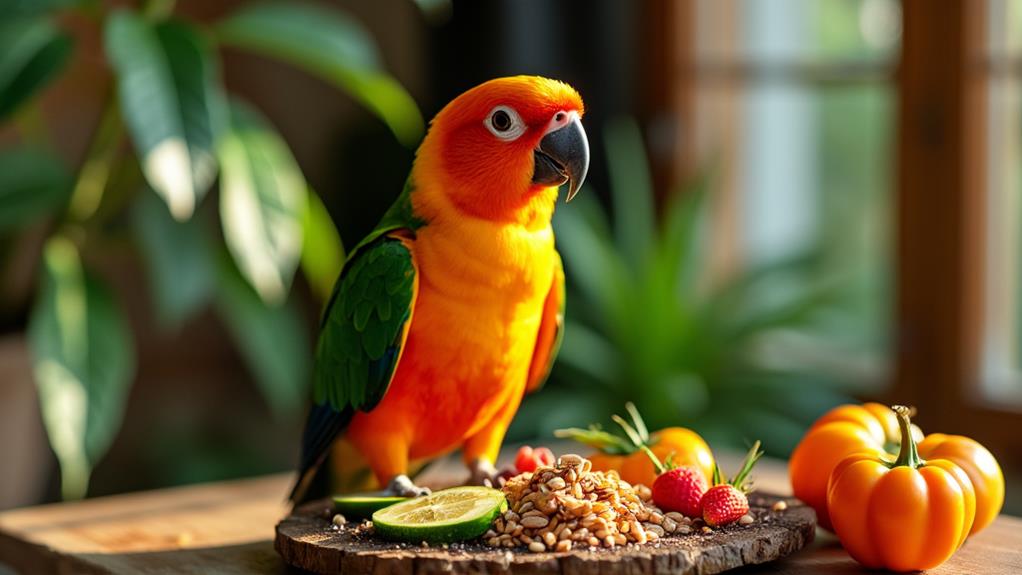
Alongside meeting their care requirements, ensuring your conure receives a balanced diet is key to their health and happiness. Regarding feeding your conure, focus on a mix of high-quality manufactured pellets and fresh produce. These small to medium birds thrive on variety, so incorporating foods like Lafeber Avi-Cakes and Nutri-Berries can provide essential nutrients while being tasty and engaging.
Fresh vegetables should be a staple in their diet. Think leafy greens, carrots, and bell peppers. These options not only offer significant nutrients but also add interesting textures and flavors to their meals. Likewise, fruits like apples and berries should be included regularly for added enrichment. Remember, moderation is fundamental as fruits contain natural sugars.
It's critical to avoid certain foods because they can be harmful or even toxic to your conure. Steer clear of avocado, chocolate, and any high-fat or sugary foods. These could lead to serious health issues.
Additionally, regular bathing opportunities, regardless of water dishes or gentle spray baths, are significant. They complement the diet by helping maintain your conure's feathers and general hygiene, keeping them healthy and lively.
Behavioral Traits
Conures captivate bird enthusiasts with their playful and bold temperament, making them delightful companions. Their behavioral traits are perfect for those seeking friendly birds that thrive on interaction. As highly social creatures, conures love being around people and often seek out close contact. It's not uncommon for them to cuddle up with you, providing warmth and companionship. However, this also means they need regular social interaction and mental stimulation to prevent boredom-related behaviors like feather picking.
You'll find that conures are curious and intelligent, requiring a variety of toys and enrichment activities. This helps keep them engaged and prevents destructive habits. Their adventurous nature means they'll investigate their environment, so make certain it's both safe and stimulating.
Here's what to expect from conure behavioral traits:
- Playful and Bold: They're always ready for fun and a bit of mischief.
- Social and Affectionate: Expect lots of cuddles and close contact.
- Curious and Intelligent: They need mental challenges to stay happy and healthy.
- Attention-Seeking: They'll let you know when they want your company.
Understanding these traits can help you decide if a conure is the right bird for you.
Vocalization and Noise
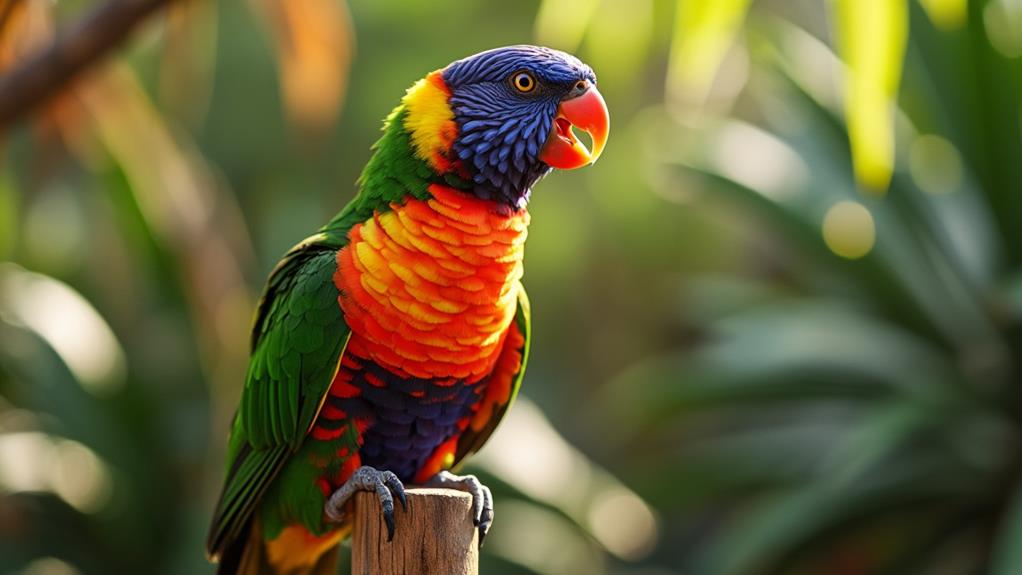
While their playful and bold nature makes them delightful companions, conures also express themselves through vocalization, which is a significant aspect of their behavior. These birds are known for their high-pitched screeches, often using them to seek attention. If you're considering a conure as a family pet, it's vital to understand that your reactions can inadvertently encourage these vocal habits.
Conures are capable of expressing a range of emotions through their sounds, varying their vocalizations based on excitement or the need for attention. Although they can learn a few words and phrases, don't expect them to have the extensive talking abilities of some other parrot species. Sun and Jenday Conures are particularly known for being among the loudest, which might not make them the best choice if you live in a quiet environment or have close neighbors.
However, with patience and proper training, you can manage their sound levels. Positive reinforcement can promote more desirable vocal behaviors, helping to make your conure a more harmonious family pet. If you're prepared to handle their vocal nature, conures can be rewarding companions full of personality and charm.
Common Health Concerns
Owning a conure means being vigilant about their common health concerns to guarantee a long, happy life for your feathered friend. Conures are susceptible to several health issues, requiring your attention and care. Feather picking is a notable concern, often linked to boredom, so providing an enriched environment with toys and activities is vital. Furthermore, your conure should have a balanced diet, including Lafeber Avi-Cakes and fresh produce, to prevent obesity-related problems.
Common diseases affecting conures include Psittacosis, Proventricular Dilatation Disease (PDD), and Aspergillosis. Regular visits to an avian veterinarian are fundamental for early detection and treatment of these conditions. Proper cage placement and good ventilation help avoid respiratory issues caused by drafts or poor air quality. To guarantee your conure lives between 20 to 30 years, proactive health measures are key.
Here are some significant steps to keep your conure healthy:
- Regular Veterinary Checkups: Schedule routine visits to an avian veterinarian to catch any potential issues early.
- Balanced Diet: Offer a mix of manufactured foods and fresh produce.
- Enrichment: Provide toys and activities to prevent boredom and feather picking.
- Cage Placement: Guarantee proper ventilation and avoid drafts.
Socialization and Enrichment
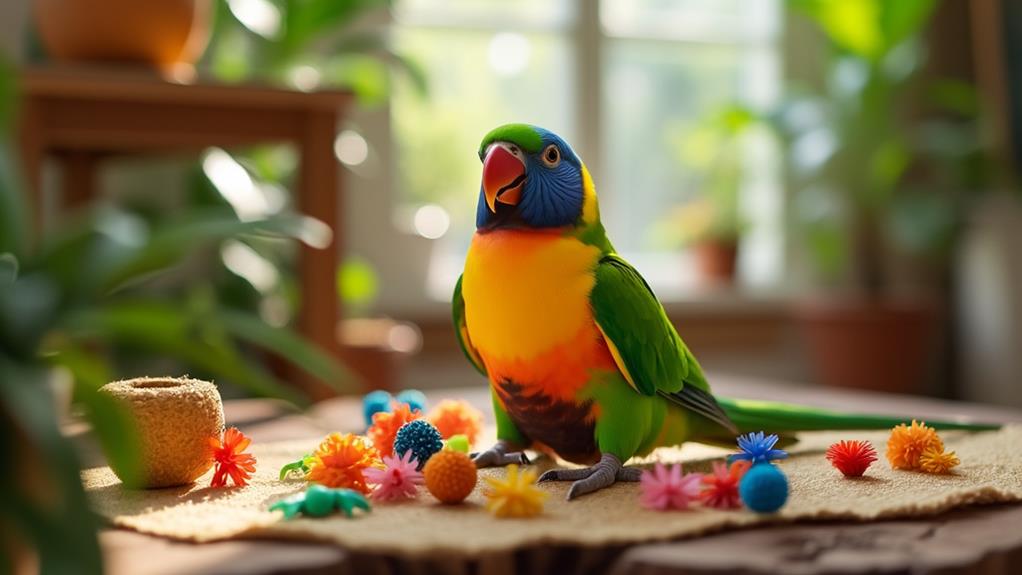
To guarantee your conure enjoys a fulfilling life, focus on their socialization and enrichment needs. Conures thrive on social interaction, so make certain to engage with them daily. Without regular engagement, they can become bored, leading to destructive behaviors like feather picking. Spend quality time with your conure, letting them out of the cage for playtime. This not only helps maintain their physical health but also strengthens your bond with them.
Enrichment is just as essential. Provide a variety of toys, especially wood and foraging items, to stimulate their minds and encourage natural behaviors. Swap out toys regularly to keep things interesting. An enriched environment with varied perches and safe chewing items can greatly improve their quality of life.
Socialization with all family members is vital too. Conures tend to form strong attachments and may favor one person if not properly socialized. Make sure everyone in the household spends time with your feathered friend to prevent this.
Choosing the Right Conure
Selecting the perfect conure for your home involves understanding the unique characteristics of each breed. Conures vary in size, from small Green Cheek Conures to larger Cherry Headed Conures. Your available space and personal preferences should guide your choice. If you're a novice bird owner, Green Cheek Conures, with their manageable size and friendly temperament, are often recommended. On the other hand, Sun Conures are outgoing but can become attached to one person, which might not fit all households.
When visiting pet stores, consider the noise level of the conure you're interested in. Sun and Jenday Conures are among the loudest, making them less suitable for apartments or noise-sensitive environments. Furthermore, each conure has a unique personality, even within the same breed. Spending time with these birds at the pet store can help guarantee you find one that matches your lifestyle.
Keep these factors in mind when choosing a conure:
- Space: Match the conure's size to your living area.
- Temperament: New owner? Consider Green Cheek Conures.
- Noise Sensitivity: Avoid loud breeds if noise is a concern.
- Personality Match: Spend time with potential pets before deciding.