Cleft Palate in Dogs: Causes, Treatment, and Care Tips
You're dealing with a cleft palate in your dog, a condition involving an opening in the roof of the mouth caused by genetics, nutritional deficiencies, or environmental factors. Early detection is vital, so watch for difficulty suckling, nasal discharge, or poor growth. Surgical intervention is essential, typically involving a flap technique, and costs between $5,000 to $10,000. Post-surgery, maintain cleanliness, follow dietary guidelines, and guarantee regular vet visits. Feeding may require bottle or tube techniques initially. Responsible breeding can help prevent cases in brachycephalic breeds. There's much more to investigate on providing the best care.
Understanding Cleft Palate
A cleft palate in dogs is a congenital condition where there's an opening in the roof of the mouth, varying from a minor defect to a complete separation between the oral and nasal cavities. Understanding this condition is vital for providing the right care and treatment. The cleft palate primarily results from genetic factors, nutritional deficiencies during pregnancy, and environmental influences. It's more common in brachycephalic breeds like Bulldogs and Pekingese.
When you're dealing with a dog that has a cleft palate, it's important to recognize the potential symptoms early on. These might include difficulty nursing and other feeding challenges, which can lead to nutritional deficiencies. The open connection between the oral cavity and nasal passages can also increase the risk of aspiration pneumonia, a serious condition that requires immediate attention.
To effectively manage a cleft palate, surgical correction is often necessary to repair the defect. This procedure helps prevent further complications and improves the dog's quality of life. Post-surgery, you'll need to monitor recovery closely and guarantee proper feeding practices to avoid any setbacks. Understanding the intricacies of this congenital condition allows you to provide the best care for your dog.
Common Symptoms
When identifying common symptoms of a cleft palate in dogs, it is vital to observe for specific indicators that suggest a problem. A primary symptom is difficulty suckling, as affected puppies often can't create the necessary suction, causing milk to enter the nasal cavity. This can lead to noticeable nasal discharge during or after feeding. You might also see coughing or gagging, which are signs that the puppy is struggling to eat properly.
Poor growth is another telling sign due to inadequate nutrition. Puppies with a cleft palate may show signs of lethargy and stunted development. These issues arise from both insufficient feeding and the risk of aspiration pneumonia—a condition where food or liquid is inhaled into the lungs. This can lead to respiratory infections, further complicating your dog's health.
In some cases, facial deformities, such as a cleft lip, may accompany the palate issue. During an examination, you might notice unusual mouth structures. Early detection of these symptoms is vital, as they can quickly escalate into severe health complications. In some situations, a feeding tube might be necessary to guarantee adequate nutrition and prevent complications.
Primary Causes
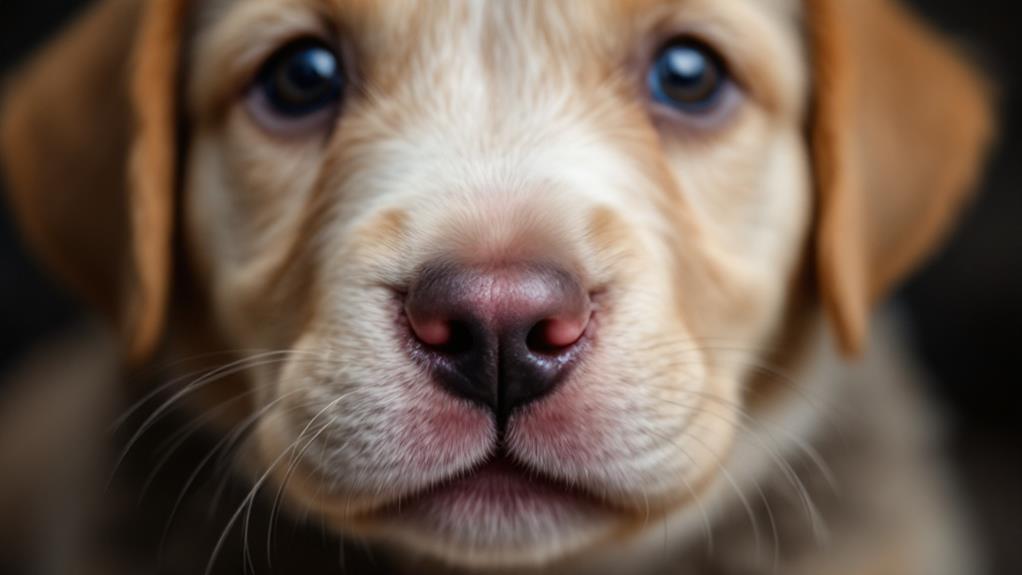
Understanding the symptoms of a cleft palate in dogs is just the beginning; it's likewise significant to know what causes it. Cleft palates in dogs are primarily influenced by genetic factors, with certain breeds possessing a hereditary predisposition. Brachycephalic breeds, like Bulldogs and Pekingese, often show a higher incidence. However, genetics aren't the sole contributors. Numerous other aspects play a vital role:
- Nutritional Deficiencies: During pregnancy, deficiencies such as excess vitamin A or inadequate folic acid can increase the risk of cleft palates in puppies. Ensuring a balanced diet for the mother is fundamental.
- Viral Infections: If the mother contracts a viral infection during pregnancy, particularly during significant developmental stages, it can lead to congenital cleft palates in the offspring.
- Environmental Factors: Exposure to specific medications or toxins during gestation can interfere with fetal development, highlighting the need for responsible breeding practices.
Diagnosis Procedures
Diagnosing a cleft palate in dogs often begins with a thorough physical examination of the oral cavity. In newborn puppies, you can usually spot visible abnormalities, making the initial diagnosis straightforward. However, when dealing with older dogs, sedation might be necessary for a detailed oral inspection. This helps evaluate the severity of the cleft and identify any related complications that may not be immediately apparent.
To get a deeper understanding of the problem, imaging techniques like radiographs (X-rays), MRI, and CT scans come into play. These tools help assess structural abnormalities and are vital for checking for aspiration pneumonia. Due to the cleft, there's a risk that food or liquid might enter the respiratory tract during feeding, potentially leading to pneumonia. So, careful evaluation of the lungs is fundamental to guarantee your dog's health and safety.
In some cases, if an acquired cleft palate is suspected, which can happen due to infections or tumors, a biopsy might be necessary. This step helps confirm the cause of the cleft and guides the appropriate treatment plan. Understanding these diagnosis procedures guarantees you're well-prepared to address your dog's condition effectively.
Surgical Treatment Options
Surgical intervention is the cornerstone for treating a cleft palate in dogs, often employing a flap technique to close the gap between the oral and nasal cavities. This surgical treatment is vital to prevent aspiration pneumonia and guarantee your dog can eat normally. For puppies with cleft palates, surgery is generally performed between 4 to 12 weeks old to optimize their growth and health.
The cleft palate surgery may need to be repeated multiple times, especially if the initial repair doesn't fully close the defect or if cystic defects are present. Here's what you should expect:
- Cost: The average expense ranges from $5,000 to $10,000, varying by complexity and location.
- Recovery: Post-operative care is significant, requiring close monitoring for complications like infection or further oral and nasal issues.
- Follow-ups: Regular vet visits will assess surgical success and manage any complications, as some cases of pneumonia may require extra treatment.
Post-Surgery Care
After undergoing surgery to correct a cleft palate, your dog's path continues with diligent post-surgery care. Start by administering the prescribed antibiotics to ward off infections. It's vital to keep the surgical site clean and regularly check for any signs of complications, such as nasal discharge, persistent coughing, or difficulty eating. These could indicate issues with the surgical repair that need immediate attention.
Your dog will need a soft or blenderized diet for the next 2-4 weeks. This gentle feeding approach helps prevent unnecessary strain on the healing palate. An Elizabethan collar, or e-collar, is another important tool during this recovery phase. It prevents your dog from licking or biting at the surgical site, which could compromise healing or lead to infection.
Regular follow-up veterinary visits are key components of successful post-surgery care. These appointments allow your vet to assess the healing process and decide if further interventions or adjustments in care are necessary. By diligently following these guidelines, you can help guarantee your dog's recovery is smooth and that they return to their happy, healthy self as soon as possible.
Feeding Techniques
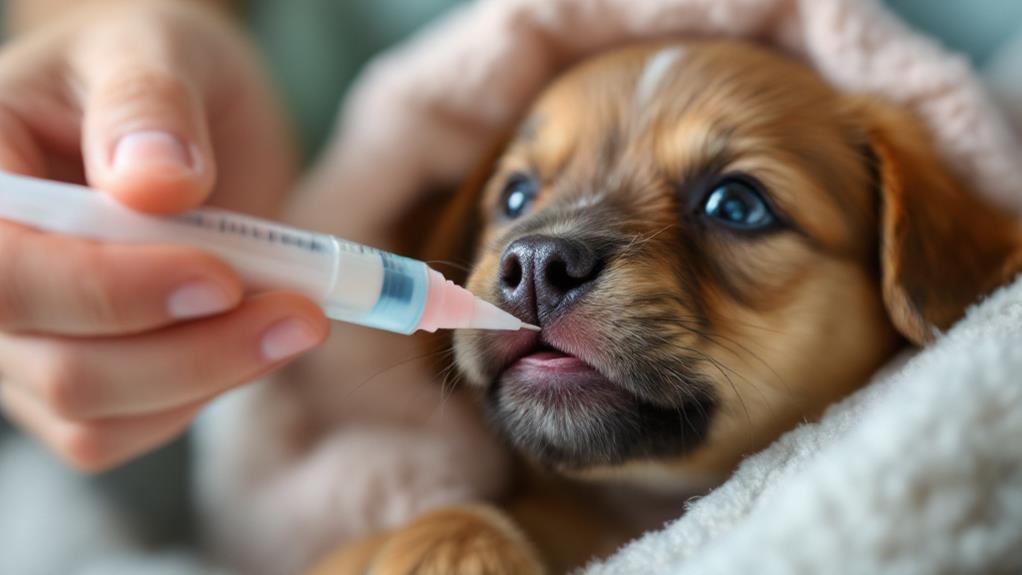
When caring for a dog with a cleft palate, especially puppies, mastering feeding techniques is crucial for their health and development. Puppies often struggle to create suction, making frequent bottle or tube feeding every two hours necessary to guarantee they receive adequate nutrition. To facilitate weaning, you can gradually introduce soft, blenderized foods around four weeks of maturity. This approach accommodates their feeding difficulties and prepares them for a more varied diet.
Here are some effective feeding techniques to keep in mind:
- Use specialized equipment: Utilize feeding bowls or syringes designed to reduce aspiration risk, allowing for safer and more effective nourishment.
- Monitor health closely: Keep an eye out for signs of aspiration pneumonia, such as coughing or difficulty breathing. If you notice these symptoms, seek immediate veterinary care.
- Post-surgery care: After surgical intervention, continue with a soft diet for 2-4 weeks to aid healing and prevent irritation at the surgical site.
Long-Term Management
Caring for a dog with a cleft palate requires ongoing vigilance and dedication to their long-term health. Regular veterinary check-ups are fundamental. Your veterinarian will determine if your dog is healing well post-surgery and monitor for complications like infections or respiratory issues. Since cleft palate can lead to dental problems, regular dental evaluations are also imperative.
You'll need to adapt your dog's diet to guarantee proper nutrition. After surgery, softer or blended foods might be necessary for an extended period. Pay attention to your dog's feeding area—keep it clean to prevent infections. Watch for signs of pneumonia, such as coughing or nasal discharge, which can indicate aspiration issues.
Committing to a structured follow-up care plan is significant. This means managing pain effectively and gradually reintroducing your dog to regular feeding routines. Stay informed about potential long-term health issues, and be proactive in managing any symptoms that arise. By maintaining this level of care, you can help your dog lead a healthier, happier life despite the challenges posed by a cleft palate. Your dedication plays a key role in safeguarding their well-being and quality of life.
Breeding Considerations

While caring for a dog with a cleft palate is essential, it's just as important to contemplate breeding practices that reduce the incidence of this condition. Prioritizing health-focused breeding can help minimize traits linked to cleft palates, especially in breeds like Bulldogs, where the risk is markedly higher. By avoiding extreme brachycephalic features, you can considerably lower the risk of cleft palates in your breeding stock.
To make informed decisions, consider the following:
- Genetic Screening: Implement genetic screening to identify any predispositions to cleft palates. This will help guarantee that only healthy dogs are chosen for breeding.
- Avoid Breeding Dogs with a History: If a dog has previously produced puppies with cleft palates, it's wise not to breed them again. The hereditary component of cleft palates means these traits can easily be passed to the next generation.
- Educate and Acknowledge Breed-Specific Risks: Focus on educating yourself and other breeders about the breed-specific risks associated with cleft palates, particularly in Bulldogs. Awareness and understanding can lead to more responsible breeding practices.