Chinook: The Versatile and Loyal Working Dog
You'll find that a Chinook is more than a dog; it's a adaptable and loyal companion renowned for its strength and intelligence. Originating in New Hampshire, Chinooks are ideal for families with their calm demeanor and enthusiasm to please. They thrive in a variety of activities, from sledding to search and rescue, due to their muscular build and trainable nature. Regular exercise and grooming are vital, as is early socialization to nurture their friendly personality. While generally robust, it's crucial to be aware of specific health concerns. Investigate further to reveal the rich history and unique qualities of this remarkable breed.
Origin and Development
The Chinook breed's origin traces back to early 20th century New Hampshire, where Arthur T. Walden, a seasoned adventurer and dog musher, aimed to create the perfect sled dog. He crossbred a Greenland Husky with a Mastiff-type dog, resulting in a breed of dog known as the Chinook. This new breed was designed for endurance and strength, vital qualities for sled dogs traversing the challenging Arctic landscapes. Walden named the breed after his lead sled dog, Chinook, symbolizing the dog's tenacity and reliability.
You might find it fascinating that Chinooks quickly became significant in numerous polar expeditions, including Admiral Byrd's Antarctic treks during the 1920s and 1930s. These expeditions highlighted the breed's capabilities and loyalty, proving their worth in the harshest environments. However, despite their impressive utility, Chinooks faced a period of near extinction. Dedicated breeders in the 1980s and 1990s worked tirelessly to revive this remarkable breed. Their efforts paid off, and today, there are about 800 Chinooks worldwide. The breed's path from creation to near extinction and back is a demonstration of its remarkable versatility and the enduring dedication of its enthusiasts.
Physical Traits
Having investigated the Chinook's storied past, let's now examine the remarkable physical traits that make this breed stand out. The Chinook dog breed is known for its medium to large size, standing 21 to 27 inches tall and weighing between 55 to 90 pounds. This size is complemented by their strong, muscular build, which is crucial for their role as sled dogs and working companions. Their robust physique supports their physical and mental well-being, enabling them to thrive in demanding environments.
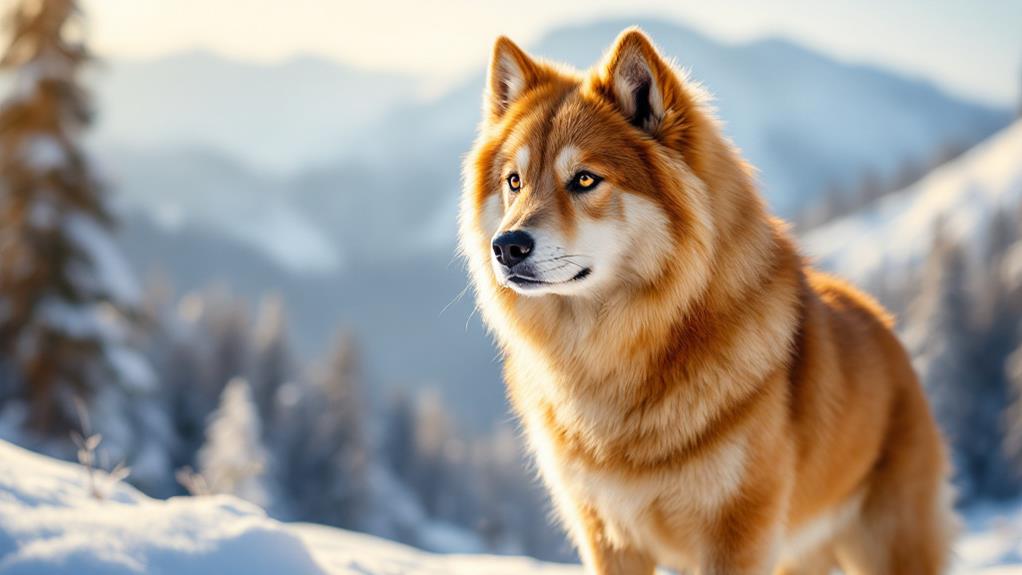
A standout feature of the Chinook is its dense double coat, which provides excellent insulation against harsh weather conditions. The coat colors range from tawny to sable, giving each dog a unique appearance. This thick coat not only serves a functional purpose but also adds to the breed's striking visual appeal.
Chinooks have almond-shaped eyes in multiple shades of brown, giving them an expressive and friendly look. Their high-set triangular ears become erect when alert, enhancing their attentiveness. These physical attributes contribute to the Chinook's ability to excel in tasks requiring focus and endurance, making them a versatile and reliable breed for numerous working roles.
Temperament and Personality
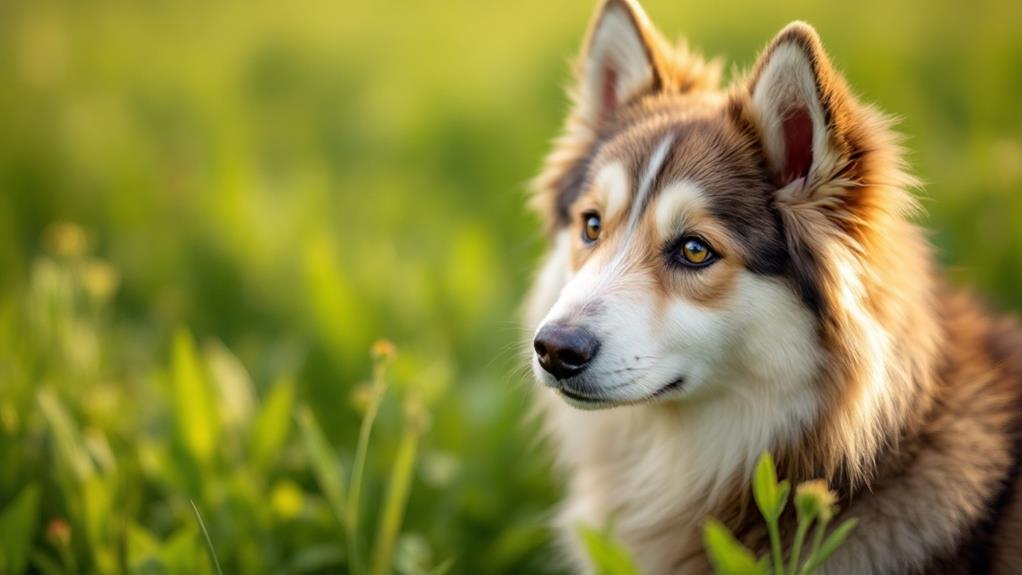
Known for their friendly and outgoing nature, Chinooks make excellent companions and watchdogs. Their calm and laid-back temperament allows them to fit seamlessly into diverse living situations, particularly family environments. You'll find that a Chinook's loyalty is unmatched, as they form deep bonds with their human companions, creating a sense of security and connection that's hard to beat. Their affectionate demeanor means they're not just part of your household—they're part of your family.
Chinooks are not just affectionate; they're also highly trainable. Thanks to their intelligence and willingness to please, they excel in obedience training and various dog sports. This makes them an ideal choice if you're looking for a dog that's not only loving but also capable of learning a wide array of tasks and commands. Regardless of whether it's basic obedience or more advanced activities, a Chinook's willingness to learn makes training a rewarding experience.
Their gentle disposition makes them particularly suitable for families with children. You can trust a Chinook to be both patient and playful, providing endless hours of fun and companionship. In general, their temperament and personality make them a versatile and lovable enhancement to any home.
Training and Socialization
Training and socializing a Chinook is vital to shaping them into well-behaved and adaptable companions. Given their intelligent nature, Chinooks are enthusiastic to please, making them highly trainable when you use consistent positive reinforcement methods. Start with foundational training commands like "sit," "stay," and "recall." These basics establish good behavior and build a solid relationship between you and your Chinook.
Early socialization plays an important role in developing a well-mannered Chinook. Introduce them to different environments, people, and other pets to guarantee they grow into confident and sociable adults. This early exposure helps them interact positively with the world around them, reducing anxiety and fear-based behaviors.
Chinooks have an independent streak, so keep training sessions engaging and varied. Their willingness to learn and participate makes them excellent candidates for obedience and agility competitions. These activities not only reinforce good behavior but also provide mental stimulation, which is vital for their well-being.
Exercise and Lifestyle Needs
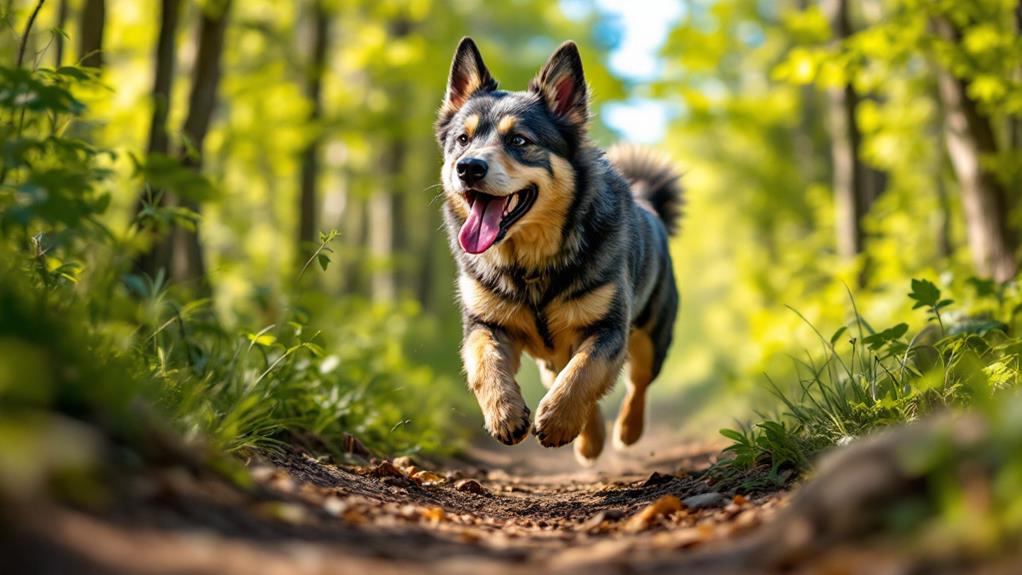
Chinooks consistently require a high level of physical activity, making daily exercise a non-negotiable part of their lifestyle. Their high energy levels mean you'll need to incorporate daily walks and engaging activities to keep them content and healthy. Regular playtime, like fetch or hiking, is perfect for these active dogs. Moreover, incorporating agility and obedience training into their exercise routine helps channel their energy constructively. This approach not only keeps them physically fit but also reduces the risk of boredom, which can lead to unwanted behaviors.
Mental stimulation is just as vital as physical activity for Chinooks. Interactive toys are great tools to keep their minds sharp and engaged. Providing these toys can help satisfy their curious nature and prevent them from becoming restless. You should also consider secure, fenced yards important for their safety during outdoor activities due to their hunting instincts. This precaution guarantees they don't wander off while exploring.
Chinooks thrive in an active lifestyle, and they make excellent companions for outdoor enthusiasts. Whether it's a hike in the woods or a playful game in the yard, keeping your Chinook engaged and exercised will guarantee a happy, healthy pet.
Grooming Essentials
After guaranteeing your Chinook is well-exercised, it's time to focus on grooming necessities to keep them looking and feeling their best. With their dense double coat, regular grooming is fundamental. Start by brushing your Chinook weekly to remove loose hair and prevent matting. This routine is significant, especially during seasonal shedding periods, when you'll need to increase the brushing frequency. By doing so, you effectively manage the extra loose fur.
In addition to brushing, regular baths are necessary to maintain both the coat and skin condition. This helps keep your Chinook's fur healthy and clean, contributing to general well-being. Don't overlook the significance of checking and cleaning their ears, trimming nails, and brushing teeth. These grooming tasks are crucial for preventing potential health conditions.
Proper grooming not only keeps your Chinook's coat in peak condition but also strengthens your bond. Regular handling during grooming sessions develops trust and comfort between you and your dog. Remember, consistent grooming guarantees your Chinook remains a happy and healthy companion, enhancing both their appearance and your relationship. By staying diligent with these tasks, you'll enjoy a loyal and well-groomed furry friend.
Health Considerations
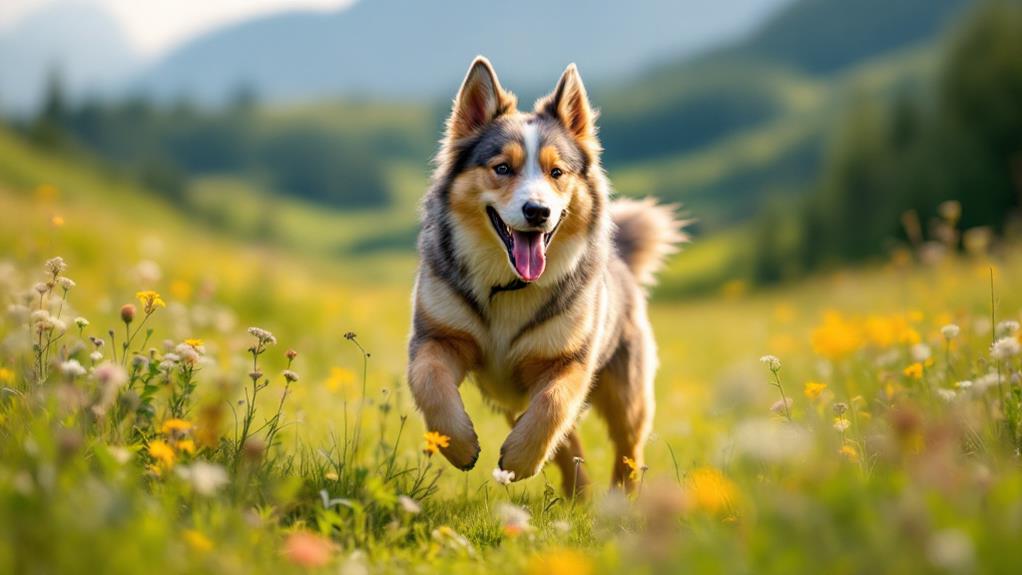
While Chinooks are generally a robust breed, they're not immune to certain health issues. Being aware of these potential problems and taking proactive steps can make a significant difference in their well-being. For instance, conditions like hip dysplasia, hypothyroidism, and progressive retinal atrophy are common concerns. To address these, responsible breeders conduct health screenings to reduce genetic risks.
Here's what you can do to guarantee your Chinook's health:
- Routine Examinations: Regular veterinary check-ups are essential. They're not just about vaccinations but also about early detection of any arising issues.
- Genetic Testing: Before breeding or adopting, consider genetic testing. This helps identify predispositions to conditions like hip dysplasia or eye disorders, allowing for informed decisions.
- Monitor Symptoms: Keep an eye out for signs of discomfort or unusual behavior in your Chinook. Early intervention can greatly improve their quality of life.
- Understand Life Expectancy: With proper care, Chinooks can live 12 to 15 years. Knowing this helps you plan and provide the best care throughout their lives.
Unique Facts and Trivia
Arthur T. Walden's lead sled dog was the inspiration behind the Chinook breed. This remarkable working dog, known for its exceptional strength and loyalty, played a crucial role in early 20th-century Arctic expeditions. If you're in New Hampshire, you'd be in the state that proudly recognizes the Chinook as its official State Dog. This breed's expedition to recognition wasn't swift, though. The American Kennel Club only officially acknowledged the Chinook in 2013, even though the United Kennel Club had done so in 1991.
The Chinook breed faced near extinction in the 1960s, dwindling to just 125 individuals. Thanks to dedicated conservation efforts, there's now an estimated 800 Chinooks worldwide. Their adaptability is astonishing, demonstrating prowess not only as sled dogs but also in roles like therapy work, search and rescue, and various dog sports. You might find their talkative nature intriguing, as they're known for a range of vocalizations beyond simple barking. This trait adds a unique layer to their already enchanting personality.
With their rich history and diverse skills, Chinooks embody the spirit of a true working dog, making them both a fascinating and loyal companion.