British Shorthair: The Affectionate and Easygoing Cat
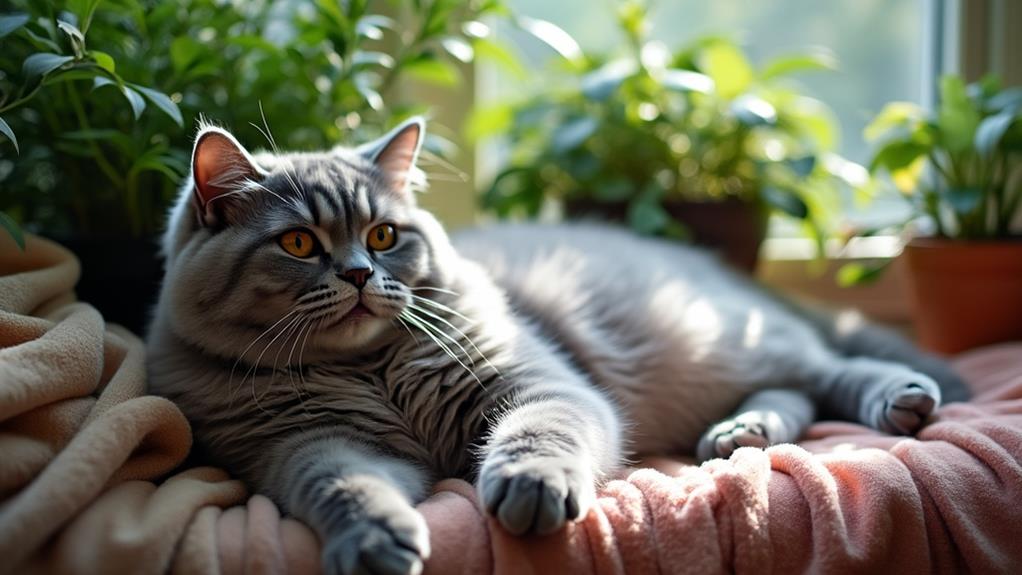
Looking for a calm and affectionate feline companion? British Shorthairs might be perfect for you. These easygoing cats enjoy subtle expressions of love, such as head bumps, and easily get along with families and other pets. Their plush, dense coat does require regular grooming, especially during shedding seasons. They are intelligent and enjoy interactive play, which keeps their minds sharp. With their robust build and iconic smoky blue coat, they make a charming enhancement to any home. Maintaining their health involves balanced nutrition and regular vet check-ups. Curious about their rich history and cultural significance? There's more to uncover.
Key Takeaways
- British Shorthairs are affectionate yet independent, showing love through subtle gestures like head bumps.
- Their calm and easygoing nature makes them ideal for families and compatible with other pets.
- Regular grooming is essential for their dense, plush coat, especially during seasonal shedding.
- They enjoy interactive play and puzzle toys, which provide mental stimulation and bonding opportunities.
- The breed has a rich history, recognized for its unique appearance and cultural significance in Great Britain.
Temperament and Personality
British Shorthair cats are known for their calm and easygoing temperament, making them perfect companions for both families and individuals. You'll find that their personality is a delightful blend of affectionate and independent traits. While they may not be your typical lap cats, British Shorthairs enjoy being close to their human companions, often following you around the house with a quiet presence. Their affection is expressed through subtle actions, like gentle head bumps or sitting nearby, rather than overt cuddling.
These cats are also incredibly sociable, making them well-suited to households with other pets. However, their easygoing nature requires you to be patient during introductions to guarantee a harmonious environment. British Shorthairs thrive in social settings, but they do appreciate their own space and privacy when needed.
Intelligence is another hallmark of the British Shorthair's personality. They're quick learners, easily picking up basic commands and routines, which makes training a breeze. Engaging their intelligent minds with interactive play or puzzle toys can provide mental stimulation and strengthen your bond with them. In general, British Shorthairs are a wonderful balance of sociability, intelligence, and affection, perfect for any home.
Physical Characteristics
When you come across a British Shorthair, you'll immediately notice their striking physical characteristics. This breed is known for its round body shape and robust build, making them a large cat with medium to large size. Males typically outweigh females, ranging from 7 to 17 pounds. Their broad chest, strong legs, and a round head give them a commanding presence. One of the most enchanting features is their large, round eyes, which can be gold, copper, or blue, depending on their coat color.
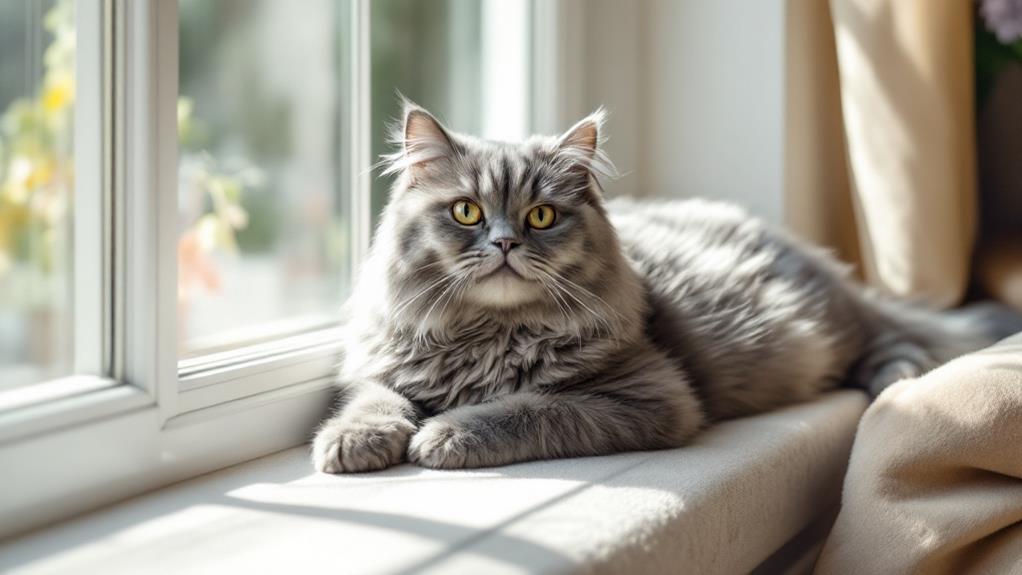
The British Shorthair's dense coat is another standout feature. It's short, thick, and plush, requiring regular brushing to prevent matting, especially during seasonal shedding. This coat comes in nearly every color and pattern you can imagine, but the most iconic is the smoky blue, often referred to as British Blues. This particular coat color adds to their charming and plush appearance.
Their medium-length tail tapers to a rounded tip, perfectly complementing their stocky and muscular frame. These physical characteristics not only make the British Shorthair visually appealing but also contribute to their reputation as a sturdy and well-built companion.
Lifespan and Health
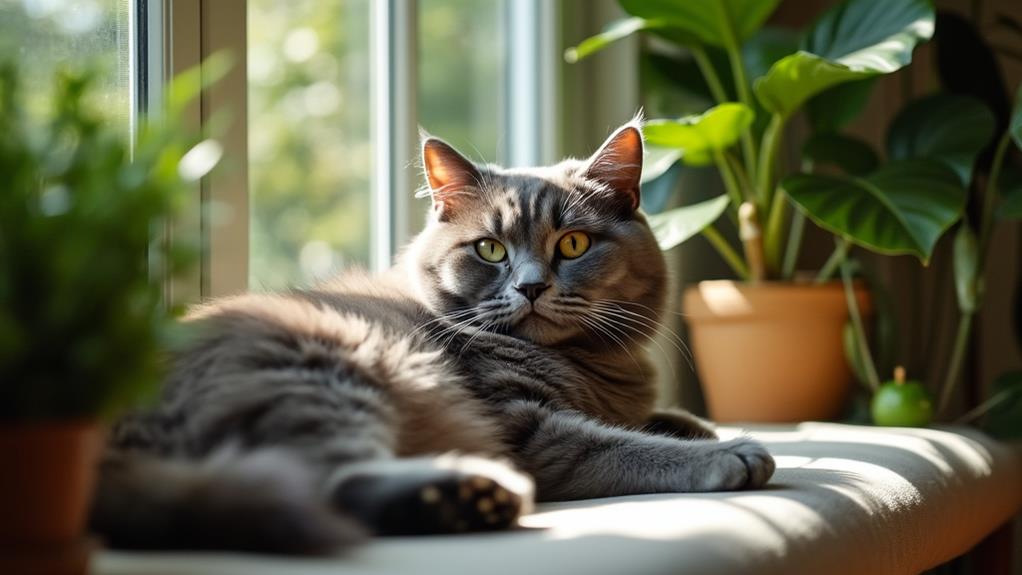
For British Shorthairs, a well-managed lifestyle can lead to a long and healthy life, often spanning 12 to 17 years, and sometimes reaching up to 20 years with ideal care. To guarantee your feline friend enjoys a full lifespan, it's significant to be proactive about their health. British Shorthairs are generally healthy but can face specific health issues. One common concern is hypertrophic cardiomyopathy (HCM), a heart condition that requires monitoring.
Regular veterinary check-ups play a vital role in identifying any potential problems early. This breed is mostly free from genetic diseases, but consistent check-ups help catch issues like HCM or gingivitis before they become serious. Moreover, weight management is fundamental to avoid obesity, a risk due to their laid-back nature. A balanced diet and regular exercise keep your British Shorthair in top shape.
Here's what you can do for their health:
- Schedule routine veterinary check-ups to monitor for HCM and other issues.
- Keep an eye on their diet to prevent obesity.
- Engage them in regular play to encourage exercise.
- Be aware of signs of gingivitis for early treatment.
- Understand the risks of Hemophilia B and discuss with your vet.
Coat Colors and Patterns
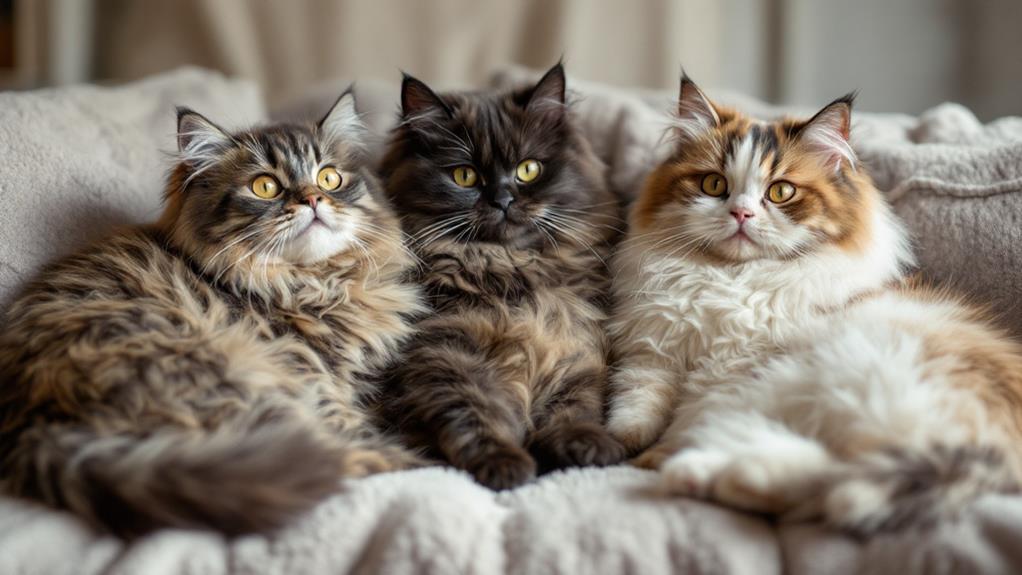
Caring for your British Shorthair's health is just one aspect of ensuring they thrive; their stunning coat colors and patterns also deserve your attention. This breed is known for its diverse appearances, offering nearly every imaginable coat color and pattern. The most iconic is the solid blue, often called the British Blue, which fascinates with its plush, dense texture and enchanting gold eye color. However, it's not all about the classic blue. Your British Shorthair could also flaunt unique hues like lilac, chocolate, or cream, each bringing its own charm.
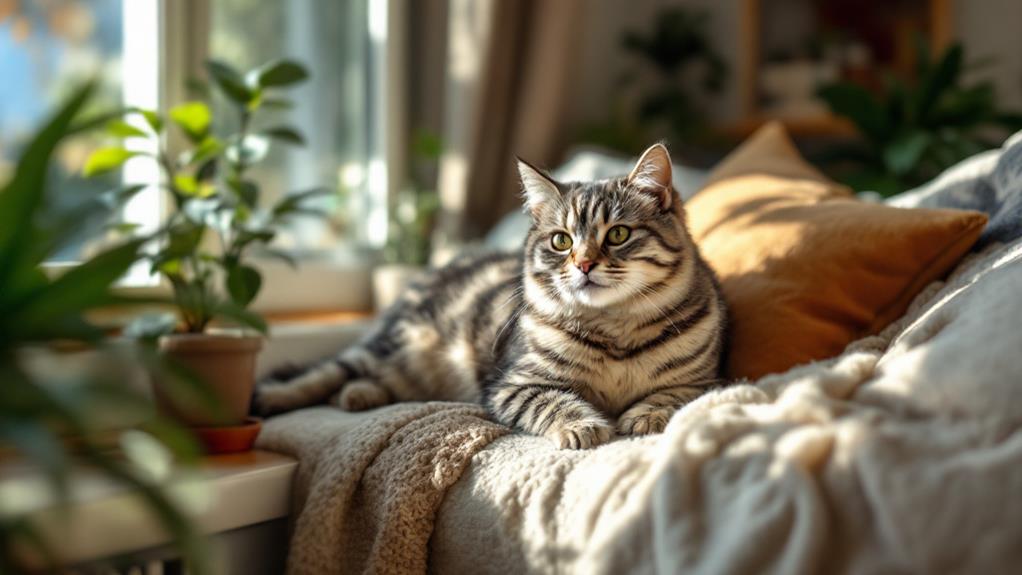
Patterns add another layer of visual interest. From striking tabby to playful bicolor and lively calico, these patterns highlight the breed's versatility. The eye color of your British Shorthair often complements their coat, with pointed varieties typically showcasing mesmerizing blue eyes. This breed's short, thick coat is a hallmark of their appearance, and while it requires some grooming to keep it healthy and reduce shedding, you'll find it manageable.
Embrace the unique beauty of your British Shorthair's coat colors and patterns, as they're not just an aesthetic feature but a reflection of this breed's rich and varied heritage.
Grooming and Shedding
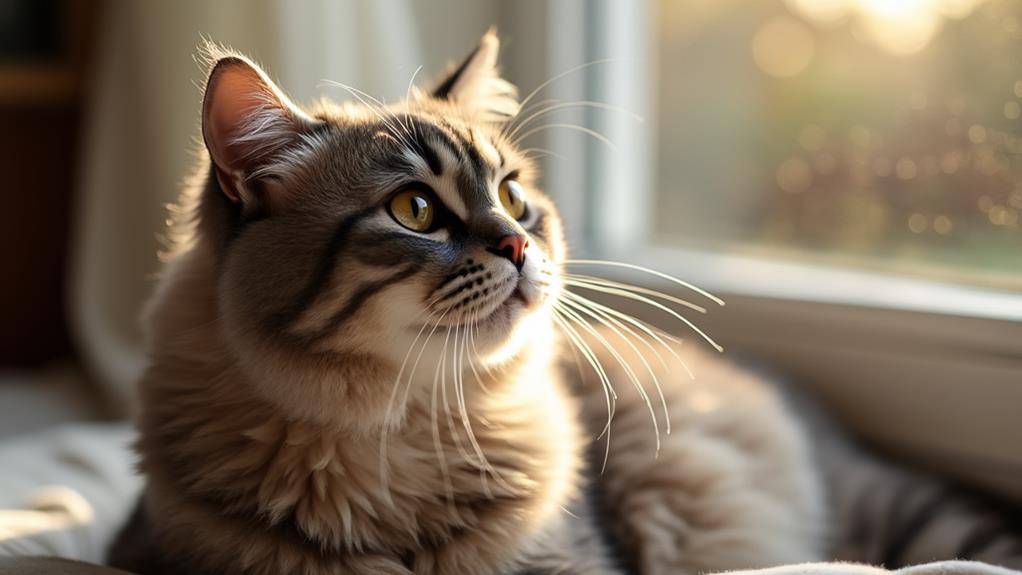
Grooming your British Shorthair is a vital part of keeping their dense, plush coat in top condition. Regular brushing is key to maintaining coat health and minimizing loose hair. Typically, a weekly brushing session works well to prevent matting and control hair around your home. However, during periods of seasonal shedding in spring and fall, you'll want to increase the frequency of these grooming sessions. This helps you manage the extra loose hair and keeps your cat comfortable.
Regular grooming not only contributes to coat health but also supports general feline health. It reduces the risk of hairballs, which can become a problem if left unchecked. To make grooming a smooth process, consider incorporating these practices into your routine:
- Weekly brushing: Fundamental for coat maintenance and health.
- Increased brushing during shedding seasons: Handle the extra loose hair effectively.
- Nail trimming: Occasional trims help prevent overgrowth and discomfort.
- Ear checks: Regular inspections guarantee cleanliness and prevent infections.
- Monitor for any skin issues: Early detection helps maintain general health.
Nutrition and Diet
Fueling your British Shorthair's health starts with a balanced diet tailored to their unique needs. Due to their sedentary lifestyle, weight management is critical to prevent obesity. Opt for weight management cat food to help maintain a healthy weight. For kittens, high-quality, nutrient-rich formulas like Pro Plan Kitten Chicken & Rice Formula are important during their initial year to support growth and development.
As your British Shorthair matures, feeding them twice daily is recommended. Follow feeding guidelines based on their development and weight to prevent overeating. Regular veterinary consultations are fundamental to tailor your cat's nutrition to their individual needs. These consultations help you adjust their diet according to activity level and health status, guaranteeing they receive the ideal nutrients.
During seasonal shedding periods in spring and fall, adjustments in diet and grooming are necessary. A well-balanced diet supports coat health and helps manage loose hair effectively. Incorporate grooming sessions to keep their fur in top condition and reduce shedding. By paying close attention to your British Shorthair's dietary needs and working closely with your vet, you'll make certain your cat stays healthy and content throughout their lifespan.
History and Origins
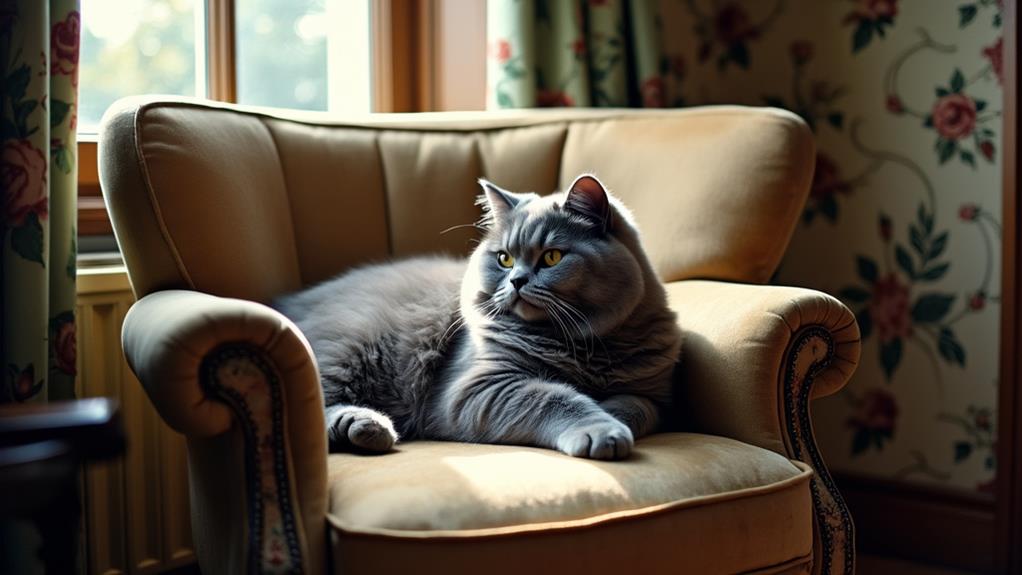
Tracing the history of the British Shorthair reveals its deep roots in England, as it's one of the oldest cat breeds in the region. This fascinating breed is believed to have descended from domestic cats brought to Great Britain by Roman soldiers. Its expedition from those ancient times to the present is nothing short of remarkable. During the Victorian period, the British Shorthair's popularity surged. With stricter breeding practices emerging, breed standards were established, solidifying the cat's place in British culture.
The breed gained further recognition when the initial organized cat show took place in 1871. The British Shorthair was one of the featured breeds, showcasing its significance in the cat fancy movement. However, the breed faced near extinction following World War II due to food shortages. Breeders had to crossbreed with domestic shorthairs, Russian Blues, and Persians to revive its population.
Here are some notable points about the British Shorthair's history:
- Descended from Roman-period domestic cats
- Gained popularity during the Victorian period
- Featured in the initial organized cat show in 1871
- Faced near extinction after World War II
- Recognized by major cat associations by the late 1970s
Today, the British Shorthair stands as a beloved symbol of Great Britain.