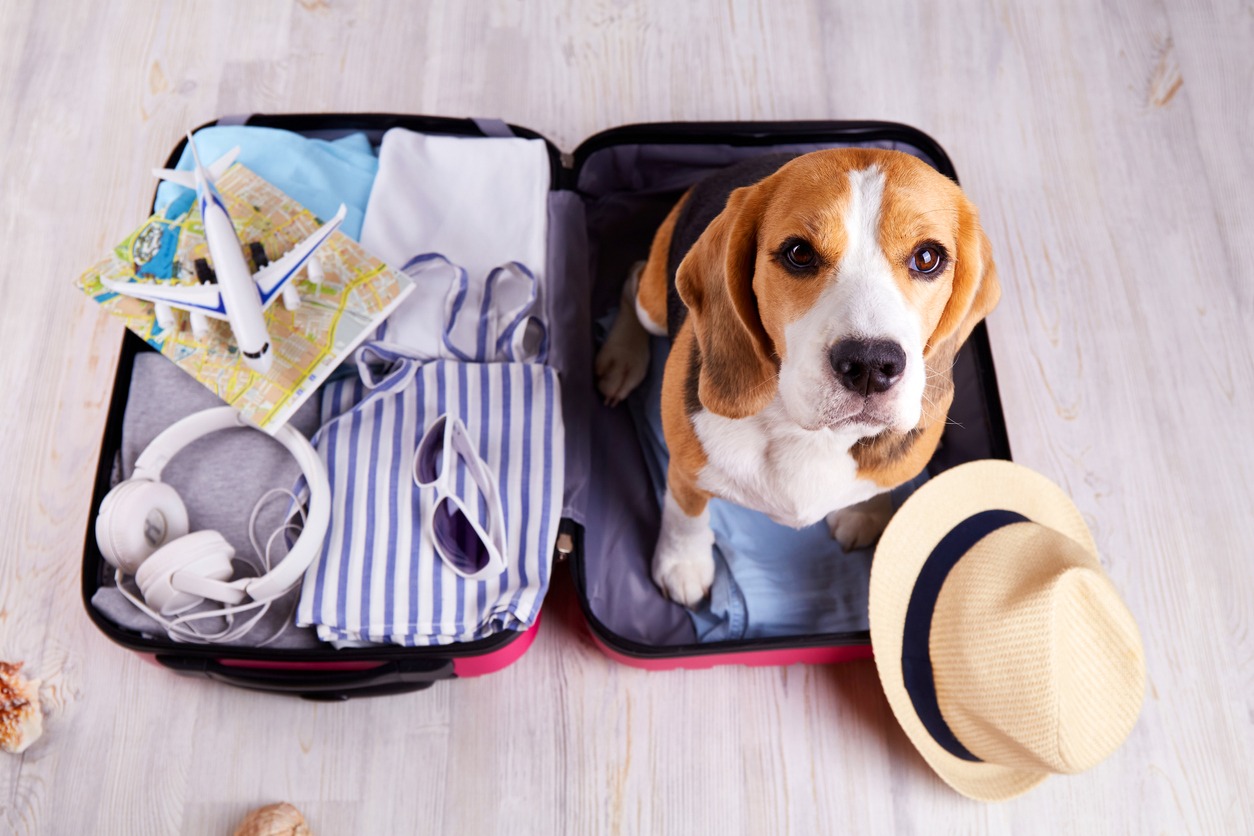
Bringing Your Pet to Texas: Tips Every Visitor Should Know
Traveling to Texas with your pet requires a bit of preparation, but the process is generally straightforward for most visitors. Whether you're driving or flying, you’ll need to ensure your pet is healthy, properly vaccinated, and safely transported. While Texas does not have strict entry requirements for pets traveling domestically, airlines, cities, and international regulations may require additional documentation. Understanding these differences will help you plan a smooth trip.
Domestic or International: Which Rules Apply to Your Trip?
Before traveling, it’s important to understand whether domestic or international regulations apply to your situation. If you're traveling within the United States, Texas does not impose additional statewide entry requirements for pets beyond general health and vaccination standards. However, airlines and individual cities may have their own rules, including vaccination verification and carrier requirements. For international travel, federal regulations apply. Dogs entering the U.S. must meet CDC requirements, especially if arriving from countries considered high-risk for rabies. These may include vaccination records, microchipping, and advance documentation. Regardless of origin, pets should always wear identification tags and ideally have a microchip for added security.
Texas Rabies Vaccination Requirements for Dogs and Cats
Texas law requires that dogs and cats be vaccinated against rabies by 16 weeks of age. The vaccine must be administered by a licensed veterinarian. After the initial vaccination, a booster is required within one year. Subsequent vaccinations are typically administered every one to three years, depending on the vaccine used and local regulations. Pet owners should keep a valid rabies vaccination certificate, which includes the pet’s details, vaccination date, and veterinarian information. This document may be required by airlines, boarding facilities, or local authorities.
Health Certificates for Air Travel
If you’re flying with your pet, most airlines require a health certificate issued by a licensed veterinarian, typically within 10 days of travel. The veterinarian will confirm that your pet is healthy and fit to fly. Requirements can vary by airline, so it’s important to check with your carrier in advance. For longer trips or international travel, additional documentation or endorsements may be required. Always confirm timelines and requirements before departure. Temperature restrictions may also apply. Many airlines limit pet travel when temperatures are extremely high or low, especially for pets traveling in cargo.
Documents to Carry When Traveling With Your Pet
While Texas does not have formal inspection checkpoints for domestic pet travel, it’s still important to carry essential documentation. Recommended documents include:
- Rabies vaccination certificate
- Health certificate (if flying)
- Identification and microchip information
- Any airline-specific paperwork
For international arrivals, federal documentation such as CDC forms and vaccination records may be required. Keeping these documents accessible helps ensure a smooth experience if requested by airline staff, veterinarians, or local authorities.
Airline Pet Carrier Rules and Size Requirements
View this post on Instagram
Airlines have specific guidelines for pet carriers, especially for in-cabin travel. Most airlines require that pets:
- Fit comfortably inside the carrier
- Be able to stand, turn around, and lie down
- Remain inside the carrier for the duration of the flight
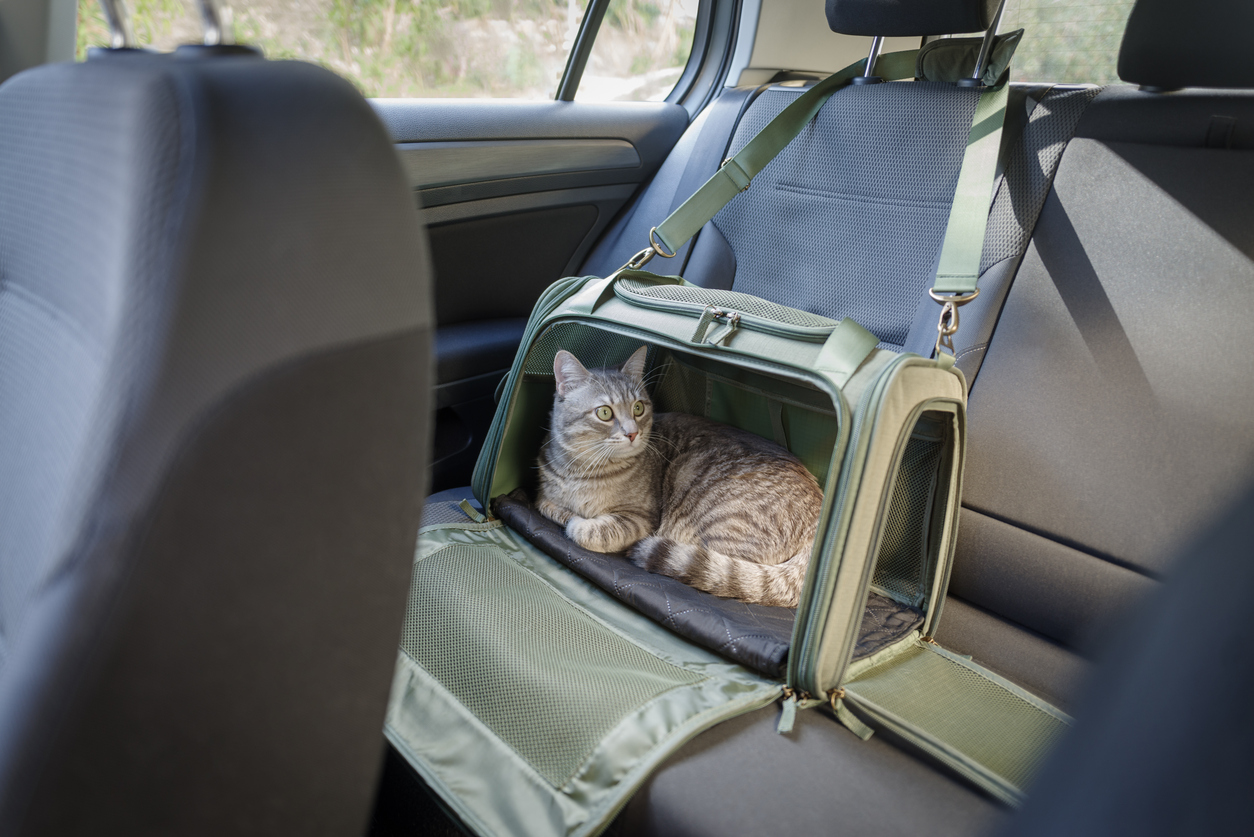
Soft-sided carriers are commonly recommended because they fit more easily under seats. Size restrictions vary by airline, so always confirm dimensions before traveling. Weight limits also apply, typically combining the pet and carrier. Checking these details ahead of time helps avoid travel delays.
Texas Licensing and Local Ordinances After Arrival
Once you arrive in Texas, local regulations may apply depending on the city. Many cities require rabies vaccination compliance and may offer or require pet registration. Some municipalities use microchipping as an alternative to traditional licensing, while others still issue physical tags. For example:
- Some cities require registration for dogs and cats
- Fees and requirements vary by location
- Microchipping is often encouraged or required
Check with the local animal services department in your destination city to stay compliant.
Pet-Friendly Travel Tips for Texas
Beyond legal requirements, planning for your pet’s comfort is just as important. Texas weather can be hot, especially in summer, so plan outdoor activities during cooler parts of the day. Always provide access to water and shade. Many cities offer pet-friendly parks, patios, and accommodations, but it’s best to confirm policies in advance. If you’re road-tripping, schedule regular stops so your pet can rest and stay comfortable throughout the journey.
Pet-Friendly Destinations and Parks Across Texas
View this post on Instagram
Texas offers a wide range of pet-friendly parks and outdoor destinations, making it easy to include your pet in your travel plans. In Austin, Zilker Metropolitan Park provides open space, trails, and access to Barton Creek, where dogs can enjoy water and shaded areas. Dallas features White Rock Lake Park, a popular spot for walking, running, and lakeside views with designated off-leash areas nearby. In San Antonio, Phil Hardberger Park includes dog parks, trails, and shaded walking paths designed for both pets and owners. For coastal trips, Padre Island National Seashore allows leashed pets, offering miles of beach for walking and exploration. These locations provide safe, accessible outdoor spaces where pets can stay active while traveling.
Conclusion
Bringing your pet to Texas is manageable with the right preparation. By ensuring vaccinations are up to date, carrying the proper documents, and understanding airline or local requirements, you can avoid common travel issues. With a little planning, you and your pet can enjoy everything Texas has to offer—from city parks to scenic road trips—while staying safe and compliant.