Black Cat Myths and Superstitions: Separating Fact From Fiction
Many black cat myths and superstitions are more fiction than fact. Despite beliefs that they've bad luck, black cats are affectionate and make great companions. The idea they're more at risk during Halloween isn't true; keeping all cats indoors at this time is wise anyway. Adoption rates for black cats are comparable to other cats, though photo visibility might be a challenge. Black cats have historically been linked to witchcraft, but in places like Japan, they symbolize good fortune. Increasing awareness and interacting with these lovely creatures can shatter misconceptions. Uncover intriguing insights about their fascinating historical and cultural roots.
Halloween Myths and Black Cats
Although many people believe black cats are at greater risk during Halloween, data from the ASPCA shows this isn't true. The idea that black cats are often targeted for harm around Halloween is rooted in long-standing black cat superstitions. These myths suggest that black cats bring bad luck, which has unfairly painted them as targets during this spooky season. However, studies reveal that there's no significant increased danger to black cats specifically during Halloween.
You might think that black cats are often adopted for harmful purposes around this time, but that's another Halloween myth. Concerns about irresponsible adoptions have led some shelters to restrict black cat adoptions in October. While this practice aims to protect them, it can inadvertently cause stress and health issues for these cats by keeping them in shelters longer than necessary.
Interestingly, black cats have been symbols of good luck in different cultures, contradicting the Halloween myths we frequently hear. Rather than focusing on specific superstitions, it's essential to emphasize responsible pet ownership. Keeping all cats, regardless of color, indoors during Halloween can help protect them from the general dangers associated with the holiday.
Adoption Rates and Myths
While many believe black cats face adoption challenges, research shows they're adopted at similar rates as other cats. Contrary to popular myths, black cats aren't less likely to find forever homes. In fact, their adoption rates are comparable to felines of other colors. However, the perception that they struggle to get adopted might stem from their prevalence in shelters. Black cats often dominate the shelter population, which can create a skewed view of their adoptability.
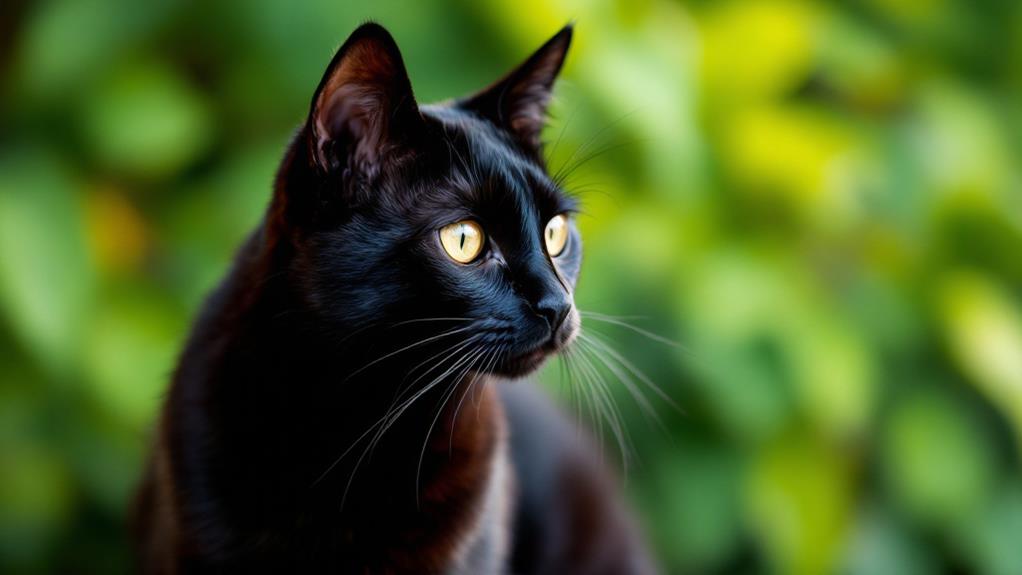
The challenges in photographing black cats, due to their dark fur absorbing light, can make them less visible online. This lower visibility might affect their adoption rates, as more visually striking cats catch potential adopters' eyes initially. Despite these hurdles, many believe black cats bring good luck, yet the myths persist.
Black Cat Awareness Month in October plays an essential role in countering these misconceptions. Educational campaigns and awareness initiatives during this time aim to promote the adoption of black cats and dispel myths surrounding them. By focusing on visibility and presentation, you can help improve their adoption chances, ensuring these charming felines find loving homes as easily as their more colorful counterparts.
October Adoption Restrictions
Some shelters impose adoption restrictions on black cats during October, driven by concerns about their safety during Halloween. The fear is that these cats might be targeted due to Halloween-related cat myths. However, evidence shows these concerns are largely unfounded. Contrary to popular belief, black cats aren't at greater risk during this spooky season. Research from 2020 supports this, indicating that adoption restrictions don't negatively impact outcomes for black cats, suggesting the restrictions might be unnecessary.
Prolonged stays in shelters can increase stress and health risks for cats, making unrestricted adoptions a more favorable approach. When you delay adoption, you're inadvertently putting these animals at risk of stress-related issues. Many organizations now advocate for year-round adoption opportunities, emphasizing responsible pet ownership over seasonal concerns. They argue that black cats, often associated with good luck in some cultures, deserve the same adoption chances as any other cat, regardless of the time of year.
The ASPCA's internal data corroborates this, showing black cats aren't in more danger than others during Halloween. By lifting these adoption restrictions, you contribute to a healthier, happier life for black cats.
Indoor Safety for Black Cats
Ensuring indoor safety for black cats is crucial for their well-being and protection. As a responsible pet owner, you should prioritize indoor living for your feline companions. This choice greatly reduces the risks associated with outdoor hazards like traffic, predators, and diseases. Black cats, like any other, benefit tremendously from a controlled and safe environment. Especially during Halloween, when the streets are lively with increased activity, keeping your black cat indoors prevents potential mishaps when a black cat crosses paths with those unfamiliar with feline behavior.
Year-round, responsible pet ownership means implementing safety measures that create a secure home environment. Start by ensuring that windows and balconies are securely screened, and household plants or substances that are toxic to cats are kept out of reach. Moreover, a stimulating indoor environment is crucial for maintaining your black cat's mental and physical health. Incorporate activities like interactive toys, climbing structures, and cozy resting areas to keep them engaged and content.
Black Cat Personality Traits
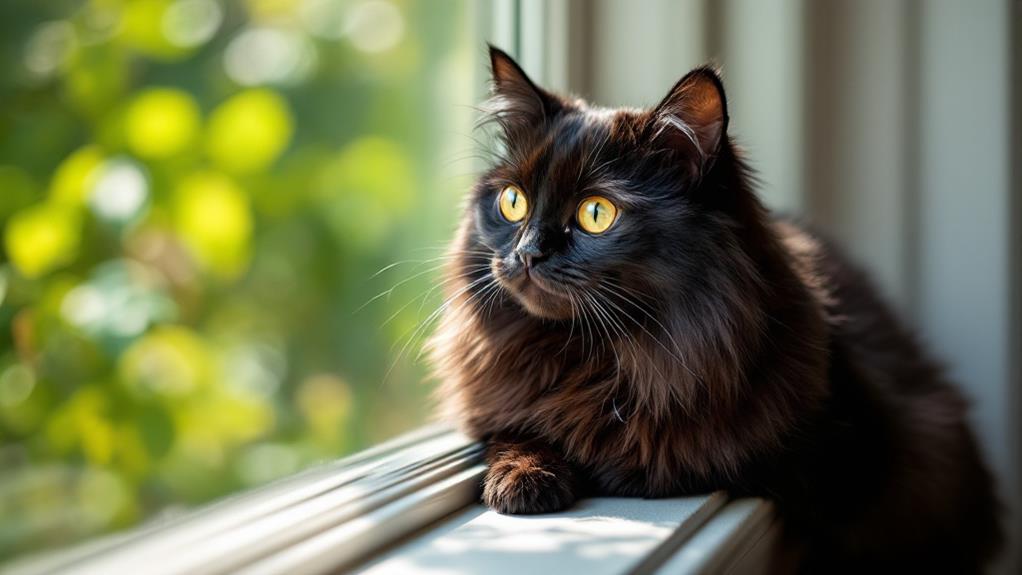
Having guaranteed a safe indoor environment for your black cat, it's just as vital to understand their unique personality traits. Contrary to myths about black cats being less friendly, their personalities are no different from those of cats with other coat colors. Each cat is an individual, with its unique blend of traits, regardless of being playful, affectionate, or independent. The misconception that black cats are less friendly often comes from the challenge of reading their facial expressions due to their dark fur, which can obscure their features.
Research shows that black cats are just as engaging and loving as any other feline companion. They can bring good luck in the form of joy and companionship, dispelling the stereotype that they're less desirable. Unfortunately, the belief that black cats are less photogenic can affect their visibility in adoption settings, perpetuating the myth that they're aloof or unsocial.
To truly appreciate their personality traits, interacting with black cats in person is fundamental. This engagement helps potential adopters see beyond the myths and recognize the loving companions black cats can be. By understanding and valuing their individuality, you can find your perfect feline friend.
Origins of Black Cat Superstitions
In the intriguing tapestry of black cat superstitions, origins stretch back to Ancient Greece with the myth of Galinthias, who was transformed into a black cat. This tale marked the beginning of black cats being seen as mystical creatures. Fast forward to the Middle Periods, and you'll find that black cats became entwined with witchcraft. People believed witches could shapeshift into black cats up to nine times, a superstition that cast these felines in a shadow of suspicion and fear. This view was further fueled during the Salem Witch Trials, heightening the association of black cats with bad luck.
However, not all cultures see black cats in a negative light. In places like Japan and Scotland, black cats are cherished as symbols of good luck and prosperity. They're often considered protectors, bringing fortune to those who encounter them. These contrasting beliefs highlight the unique meanings that black cats hold across different societies. While some superstitions perpetuate myths of bad luck, others celebrate black cats for their positive attributes. Understanding these origins helps you appreciate the diverse cultural narratives surrounding black cats and the rich history of their symbolic presence.
Myths of Bad Luck
While black cats have been celebrated in some cultures, the myth of bad luck remains prevalent in others. You might be surprised to learn that 13% of Americans think seeing a black cat brings misfortune, a belief rooted in the 17th-century witchcraft associations. These connections were especially fueled during the Salem Witch Trials, which tarnished the reputation of these feline companions. However, to separate the myths from reality, it's vital to acknowledge that black cats are not universally seen as harbingers of bad luck.
In fact, in countries like Japan and Ireland, black cats are often seen as symbols of good luck and prosperity. Historical context plays a significant role here, as black cats were revered in Ancient Egypt, leading to enduring positive perceptions in certain cultures. These varied beliefs underscore the significance of understanding cultural differences.
Despite their affectionate nature, black cats face lower adoption rates, partly due to lingering superstitions. Educational efforts aim to dispel these myths, highlighting their loving traits and the joy they can bring to your life. By embracing the truth about black cats, you can help improve their adoption rates and guarantee they find the loving homes they deserve.