Best Dog Breeds for Traveling in Airplane Cabins
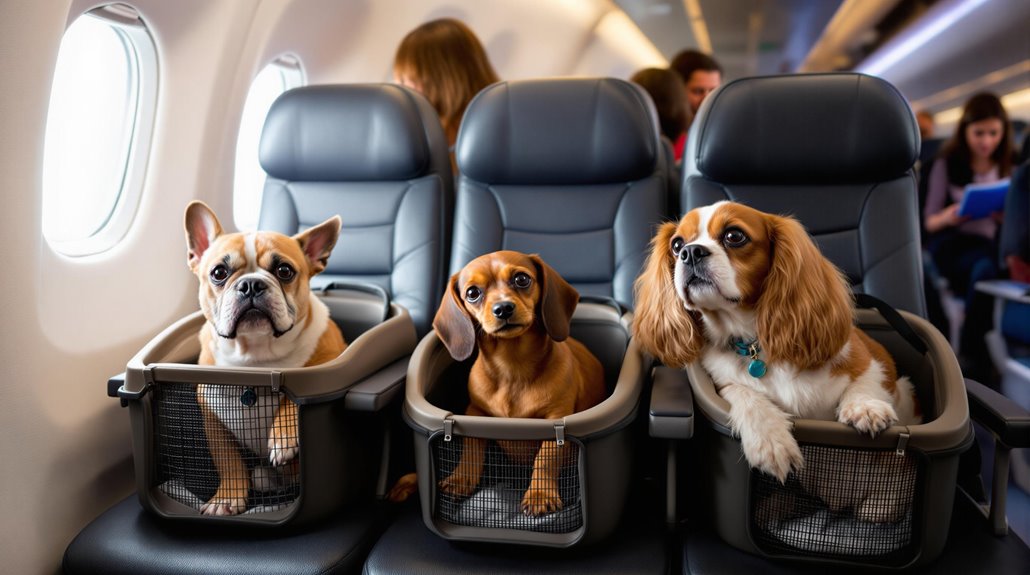
When you're flying with your dog, it's crucial to choose a breed that suits airplane cabin size and remains calm. Small breeds like Chihuahuas, Pomeranians, and Toy Poodles are ideal due to their size and temperament. Yorkies and Papillons also travel well and adapt easily. Always check airline policies, as weight limits vary, and some, like flat-faced French Bulldogs, may face restrictions. Ensure your dog's comfort with familiar toys and proper training for the carrier. Preparing well can make the trip smoother for both your pet and you. Exploring more options will help you find the best travel companion.
Key Takeaways
- Chihuahuas are ideal for air travel due to their small size, calm temperament, and easy manageability in cabins.
- Yorkshire Terriers adapt well to new environments and are generally quiet, making them suitable travel companions.
- Pomeranians provide warmth and companionship during flights, weighing between 1.4 to 3.2 kg.
- Toy Poodles are affectionate and dislike being left alone, ideal for long flights in cabins.
- Miniature Dachshunds, weighing 3.6 to 4.9 kg, are playful but require training to remain calm during travel.
Understanding Cabin-size Requirements
When preparing for airplane travel with your furry friend, understanding cabin-size requirements is crucial. You'll need to ensure your dog fits into the airline's pet carrier specifications. Airlines like American Airlines allow pet carriers weighing up to 9kg (20lb), while Air France has a limit of 7.7kg. It's important to remember that some airlines might prioritize the size of the carrier rather than its weight. So, before you pack your bags, check each airline's specific regulations to ensure smooth travel with your sized dog.
Typically, medium and large dog breeds won't qualify for cabin travel because they exceed the weight and size restrictions set by airlines. Smaller dog breeds are usually more suitable for cabin travel, as their delicate nature allows them to comfortably settle into standard pet carriers. Remember, these carriers must be IATA approved, ensuring they meet safety and ventilation standards needed for air travel.
Top Breeds for Air Travel
Once you understand the cabin-size requirements, choosing the right breed for air travel becomes much easier. When you're planning to travel with your dog, selecting a small dog breed is key for a stress-free journey. Chihuahuas are an excellent choice, weighing between 1.8 to 2.7 kg, and they have a calm temperament that makes them easy to manage in the cabin. Their small size fits perfectly within airline guidelines, including American Airlines.
Pomeranians, with their delightful fuzzy coats, weigh between 1.4 to 3.2 kg. They offer warmth and companionship, enhancing your ideal travel experience. Another great option is the Yorkshire Terrier, typically weighing up to 3.2 kg. These dogs adapt seamlessly to new environments and are generally quiet, making them perfect for flights.
Consider the Papillon, too, weighing up to 4.5 kg. They're friendly and manageable, although they might need specific medications. Miniature Dachshunds, weighing 3.6 to 4.9 kg, bring playful energy but may require training to stay calm around strangers. Before your flight, familiarize yourself with pet relief areas at airports to ensure your furry friend's comfort. For those planning a trip to Austin, you'll find a vibrant pet-friendly culture with numerous off-leash parks and dog-friendly dining options. Traveling with the right breed can make all the difference for you and your dog.
Additional Small Breeds
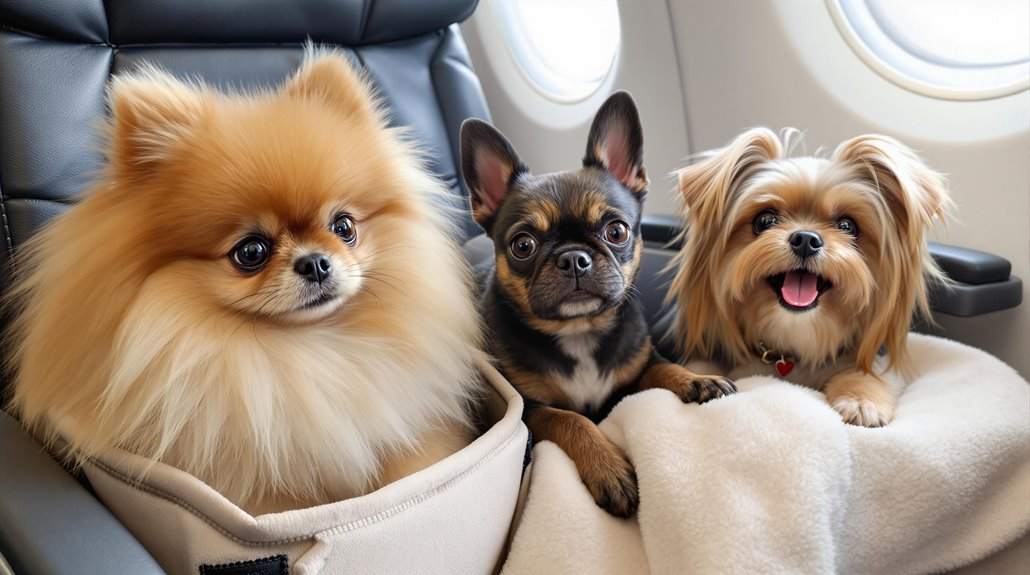
Exploring additional small breeds, you'll find several options that make excellent travel companions. Miniature Dachshunds are a spirited choice, typically weighing between 3.6 to 4.9 kg. Although they might bark at strangers, their lively nature makes them engaging dogs in the cabin. Unlike large dogs, these little ones are usually allowed to fly easily with you. Remember, you'll need a health certificate to ensure they're fit to fly.
Toy Fox Terriers, ranging from 1.5 to 4 kg, are intelligent and sporty, adapting well to the confined space of an airplane cabin. They're great if you're looking for a clever travel companion. Toy Poodles, weighing between 2.3 to 4.5 kg, are affectionate and dislike being left alone, making them ideal company during long flights.
Affenpinschers, generally weighing between 2.9 to 6 kg, tend to remain quiet, ensuring a peaceful flight for everyone on board. Finally, Italian Greyhounds, from 3.6 to 5 kg, are slender beauties. They're prone to epilepsy, so you must prepare thoroughly if they're allowed to fly with you. With the right planning, these breeds make delightful companions in the sky. Additionally, if you are seeking a non-traditional pet, exotic fish can provide relaxation and stress relief, although they might not be suitable for traveling.
Dogs With Special Needs
Traveling with dogs that have special needs requires careful planning to ensure a smooth journey. If you own a flat-faced dog breed like a Shih Tzu, air travel can be challenging due to their sensitive respiratory systems. These breeds need extra monitoring for breathing difficulties as their facial structure can make them more susceptible to changes in air quality and temperature. Airlines often have restrictions for such breeds, so check their guidelines in advance.
For dogs prone to anxiety or with behavioral issues, it's crucial to acclimate them to their transport cage before the trip. This can help reduce stress and make the flight more comfortable for both of you. Service dogs with special needs might also need additional care, such as carrying their veterinary records and medications, especially if they have conditions like epilepsy or seizure disorders.
Consulting with your veterinarian is essential to get tailored advice for your pet's specific needs. Whether it's a Shih Tzu, a Papillon, or an Italian Greyhound, having a solid plan will ensure your furry friend's well-being during air travel. Keep in mind that the right preparation can make a world of difference for dogs with special needs.
Preparing Your Dog for Flight
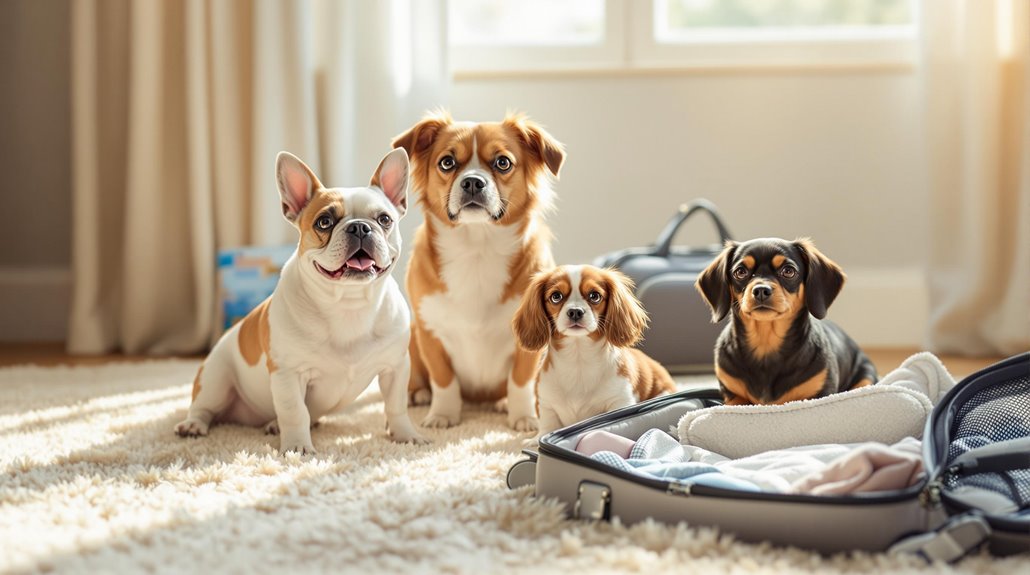
Getting ready for a flight with your dog requires careful preparation to ensure a smooth journey. Start by scheduling a veterinary appointment to confirm your dog's health and obtain a health certificate if required by the airline. This step ensures compliance with any health requirements and gives you peace of mind knowing your furry friend is fit to fly.
Next, familiarize your dog with their travel carrier well ahead of the flight. A comfortable and secure travel carrier can help your dog remain calm and quiet during the journey. Gradually train your dog to spend time inside it, rewarding them for calm behavior. This preparation can alleviate travel anxiety for both you and your pet. Understanding dog anxiety can also be beneficial, as recognizing the signs and having strategies to address them beforehand will make the journey more comfortable.
Finally, research the airline pet policies. Each airline might have different requirements, such as carrier size, weight limits, and necessary documentation. Understanding these guidelines prevents any last-minute surprises at the airport.
In summary, consider the following steps:
- Health Check: Obtain a health certificate and ensure your dog is healthy.
- Carrier Familiarization: Train your dog to be calm and quiet in their travel carrier.
- Policy Adherence: Review airline pet policies and prepare essential items like snacks and medications.
Essential Traveling Tips
Once your dog is prepared for the flight, it's time to focus on key tips to make the journey as smooth as possible. First, choose a soft-sided carrier that's best suited for your pet, ensuring it meets airline specifications for size and weight. This will help your dog remain comfortable and compliant with airline rules while flying with your dog.
Next, keep veterinary records and prescription medications in your carry-on luggage, making them easily accessible in case of emergencies or health checks required by the airline. Training your dog to be comfortable in the carrier and to remain quiet is crucial. This reduces stress for both your pet and fellow passengers, making the trip more enjoyable for everyone.
Monitor the temperature and air quality within the carrier, especially for sensitive breeds, to ensure they remain comfortable throughout the journey. Covering the carrier with a breathable cloth can help create a calming environment, preparing for possible barking during the flight.
Consider these essential traveling tips as part of your travel plans to ensure a smooth experience for you and your dog. With careful planning, flying with your dog can be a pleasant adventure for both of you.
Airline Policies Overview
When flying with your furry friend, understanding airline policies is key to a smooth journey. Most airlines allow dogs in the cabin, typically small ones under 6 kg (13 lbs). However, this varies; for instance, American Airlines permits pets allowed up to 9 kg (20 lbs), while Air France accepts up to 7.7 kg (17 lbs). Knowing these specifics helps dog owners prepare better for cabin travel.
Here's a quick checklist to ensure compliance:
- IATA-Approved Carrier: Airlines require dogs to be in carriers meeting IATA standards for size and ventilation. Non-compliance can mean your pet is denied cabin access, so double-check dimensions and quality before your trip.
- Health Certificates: Some airlines don't require them for cabin travel, like Delta and American Airlines. However, they're often needed for cargo transport or specific destinations. Always verify requirements based on your route.
- Breed Restrictions: Brachycephalic breeds, known for their flat noses, might face restrictions due to respiratory concerns. It's important to check the airline policies regarding these breeds to avoid last-minute surprises.
Fees can vary, ranging from $95 on Delta to $150 on American Airlines, so consider this when planning your travel budget.
Post-Flight Care for Dogs
After navigating airline policies and ensuring a safe flight for your furry friend, it's important to focus on their well-being once you've landed. Dogs entering new environments, like those who travel as animals in the cabin, can experience stress. This is especially true for breeds like King Charles Spaniels or Italian Greyhounds, which may be more sensitive to changes. To combat post-flight anxiety, monitor your dog closely for signs such as excessive barking, pacing, or reluctance to eat.
Dogs must feel secure and comfortable to readjust effectively. Maintaining a consistent routine is key—stick to regular feeding and exercise schedules to help your dog feel at home. Additionally, shower them with extra affection and attention to soothe their nerves and reinforce their sense of security.
It's also important to schedule a veterinary check-up for your dog to ensure they haven't developed any flight-related health issues. Ensure medications are accessible and administered as needed. By giving these thoughtful post-flight care steps, you're not just getting your dog back into their routine, but also ensuring their continued happiness and health after the journey.