Bengal Cat: The Wildly Beautiful Leopardette of the Cat World
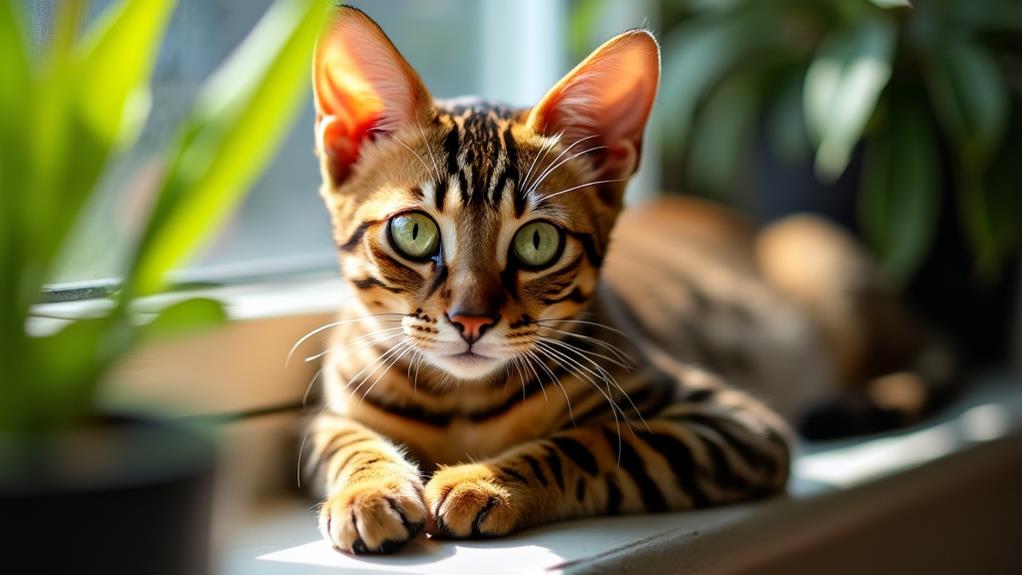
You'll love the Bengal cat, often called the "leopardette" of the cat world, for its exotic allure and enthralling beauty. Originating from a mix of Asian leopard cats and domestic cats, Bengals sport a striking, glittering coat that resembles tiny leopards, with patterns ranging from spotted to marbled. Their muscular build and playful, high-energy nature require plenty of exercise and mental stimulation. Bengals bond through their vocal expressiveness, making them intelligent companions. Remember, they thrive with experienced owners who can meet their active needs. Uncover more about their unique charm and guarantee they're the right fit for your home.
Key Takeaways
- Bengal cats have a distinctive glittering coat with patterns resembling leopards, enhancing their wild appearance.
- They are a hybrid breed, originating from Asian leopard cats and domestic cats.
- Bengals are known for their intelligence, high energy, and need for mental stimulation.
- Responsible ownership requires understanding regional legal regulations due to hybridization concerns.
- Bengals need a high-protein diet and regular veterinary check-ups for health maintenance.
Origins of the Bengal Breed
Although Bengal cats might seem like a recent phenomenon, their origins date back over a century. The Bengal breed was born from the unique hybridization of Asian leopard cats and domestic cats. This fascinating blend aimed to combine the wild allure of the leopard with the amiable nature of a domestic cat. The initial documented hybrids appeared over a hundred years ago, but it wasn't until the 1970s that the modern Bengal cat began to take shape.
Jean Mill, a crucial figure in the development of Bengal cats, sought to create a domestic pet that boasted exotic looks and wild characteristics. Her breeding efforts were instrumental in shaping the Bengal breed into what it is today. Despite early challenges, her persistence paid off, and by 1986, Bengal cats were recognized by The International Cat Association (TICA) as an experimental breed. Their popularity soared, and by 1991, they achieved championship status.
Bengal cats make good companions for those who appreciate their unique blend of wild beauty and domestic charm. By 1992, there were 125 registered Bengal breeders, underscoring the breed's growing popularity and establishment in the feline world.
Distinctive Physical Traits
Bengal cats capture attention not just with their intriguing history but also with their eye-catching physical traits. Unlike typical domestic cats, Bengals boast a striking, glittering coat that mimics the wild allure of exotic animals like leopards and jaguars. The breed's coat features two primary patterns: spotted and marbled, adding a unique element to their visual appeal. This distinctiveness isn't just for show; it's a result of selective breeding and genetic testing, ensuring their wild beauty is preserved across generations.
You'll notice Bengals have a muscular build that's complemented by longer back legs. This anatomy gives them a distinctive running style, making them agile and athletic. Weighing between 8 to 15 pounds, they present a strong, defined physique, with males typically larger than females. Another fascinating trait is their potential for melanism, where some Bengals appear entirely black with spots only visible under specific lighting.
Their coat colors extend beyond the usual Brown, Silver, and Blue to newer shades like chocolate, charcoal, and cinnamon. These distinctive physical traits make Bengals not just pets but living, breathing works of art that stand out among domestic cats.
Color Patterns and Variations
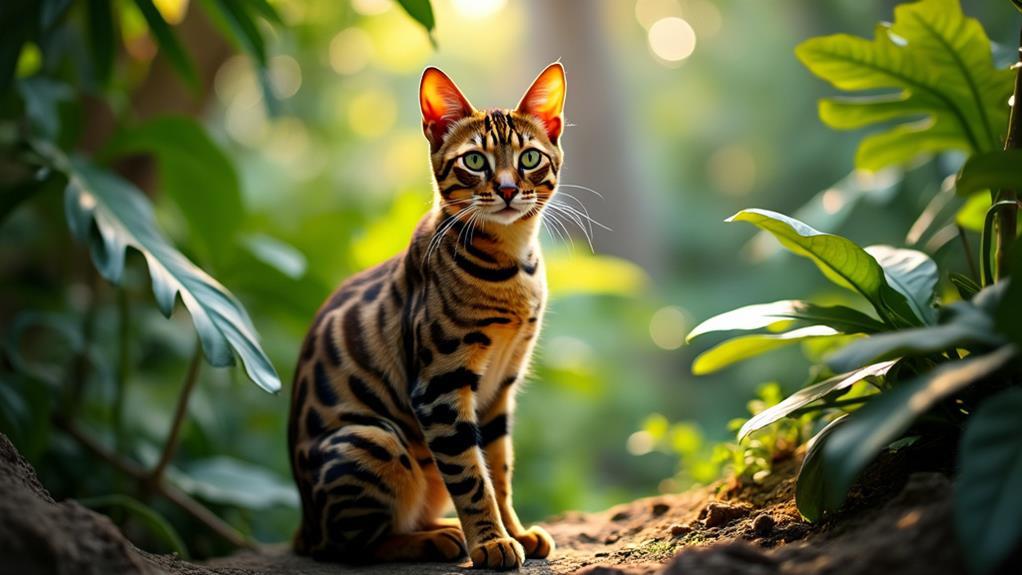
With their striking patterns and vivid colors, Bengal cats offer an enchanting spectrum of visual beauty that's hard to ignore. Their color patterns mainly include two types: spotted and marbled. If you're a fan of the wild look, you'll love the spotted pattern, which often features rosettes similar to those of jaguars. The marbled pattern, on the other hand, presents swirls and lines that create a stunning marble effect. These patterns set Bengal cats apart from other domestic cat breeds, making them truly unique.
Diving into their color variations, Bengal cats come in a range of hues. Common colors include Brown, Snow (which can feature Seal Lynx Points), Silver, and Blue. Recently, newer shades like chocolate, charcoal, and cinnamon have been gaining popularity. Among the unique variations are Melanistic Bengals, which appear entirely black. Their spots only reveal themselves under certain lighting conditions, giving them the mystique of miniature black panthers.
These distinctive color patterns and variations make Bengal cats a standout choice among domestic cat breeds. Regardless of whether you're captivated by their wild appearance or the unique rosette markings, Bengals have an allure that's simply irresistible.
Unique Behavioral Traits
Beyond their enchanting color patterns, Bengal cats charm with their unique behavioral traits that set them apart as one of the most fascinating feline companions. When Bengals come into your life, you'll quickly notice their high energy levels and playful temperament. They require ample exercise and interactive play to keep their minds sharp. As one of the most intelligent breeds, Bengals thrive on mental stimulation, often learning tricks and engaging in problem-solving activities. This makes them more like a canine companion than a typical domesticated cat.
Bengals are vocal and expressive, using a rich variety of sounds—chattering, meowing, and chirping—to communicate. This vocal nature fosters a deeper bond between you and your Bengal, as you'll engage in frequent "conversations." Socialization is vital from a young period, as Bengals are highly social animals. They adapt well to living with other pets, even dogs, which can enrich their environment and meet their need for companionship.
Their strong natural hunting instincts lead to playful behaviors like hiding objects and climbing, so regular playtime is important to channel their energy constructively. By understanding these traits, you can guarantee a fulfilling relationship with your Bengal companion.
Care and Health Needs
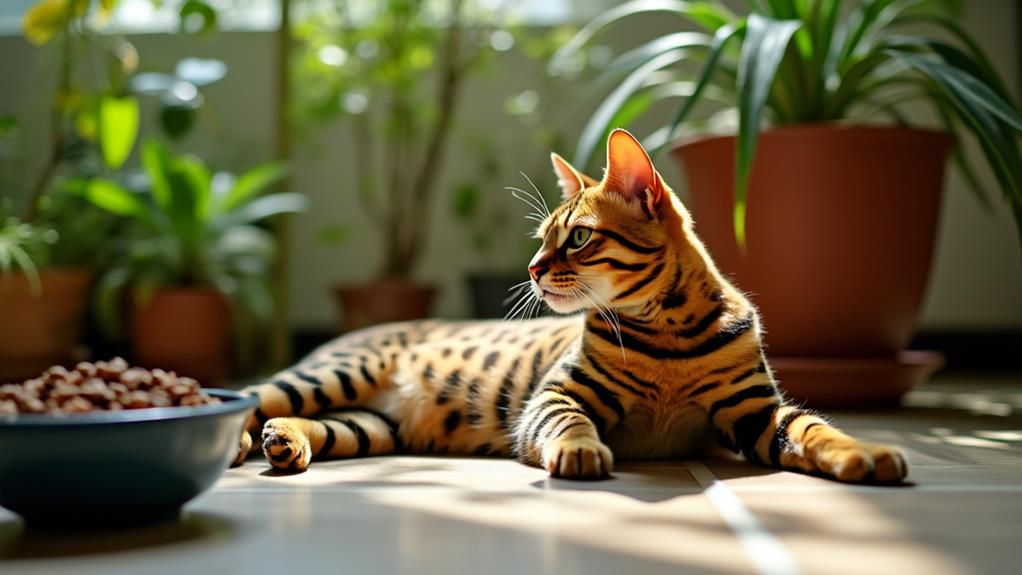
Caring for a Bengal cat involves understanding its unique health and dietary needs to guarantee a happy and long life. These cats, with their hybrid ancestry, require a high-protein diet that mirrors their natural carnivorous tendencies. Making sure their nutritional needs are met is fundamental for maintaining peak health. Regular veterinary check-ups are significant, as Bengals can be susceptible to conditions like Hypertrophic Cardiomyopathy (HCM) and Pyruvate Kinase Deficiency (PkDef). These visits help catch any potential issues early, contributing to their typical lifespan of 14 to 16 years.
Aside from diet and vet visits, grooming plays a key role in their care. Weekly brushing not only keeps their sleek coat glossy but also allows you to check for skin health issues. Bengals' high intelligence and energy levels mean they need plenty of environmental enrichment. Without it, they may resort to destructive behaviors, so it's necessary to keep them mentally stimulated.
Responsible breeders usually spay or neuter Bengal kittens before adoption. This step guarantees they are healthy and prepared to adapt to their new homes. While training isn't covered here, it's worth noting that Bengals thrive when their needs are consistently met.
Training and Socialization
Training and socializing a Bengal cat is vital in fostering a well-behaved and balanced pet. Their highly intelligent nature means they quickly pick up on cues and routines, but they also demand mental stimulation to stay happy and engaged. Without proper socialization from a young period, Bengals might develop behavioral issues. To prevent this, introduce them to different environments, people, and other pets early on. Bengal cats thrive in multi-pet households if they're properly introduced to other animals, even dogs.
For training, positive reinforcement is key. Bengals respond excellently to praise, treats, and engaging activities. Aim to make training sessions short and rewarding to maintain their attention. Regular interaction is necessary, as they love to learn new tricks and play interactive games. This not only strengthens your bond but also keeps them mentally stimulated.
Here are some tips to guarantee successful training and socialization:
- Engage with puzzle toys and climbing structures: These provide fundamental mental stimulation and physical activity.
- Practice consistent training: Keep sessions fun and use positive reinforcement to encourage good behavior.
- Facilitate early socialization: Introduce your Bengal to a variety of experiences and companions to nurture a well-rounded personality.
Legal Considerations
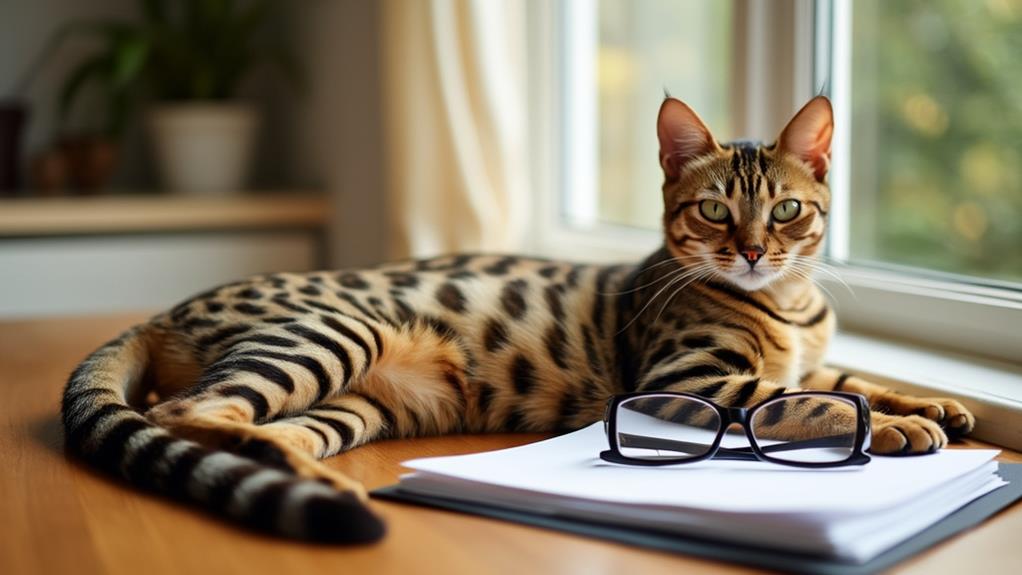
When considering Bengal cat ownership, it is crucial to understand the varied legal landscape surrounding these stunning animals. Legal regulations differ widely depending on where you live. In some places, like Singapore, Bengal cats are completely off-limits due to the risk of hybridization with feral cats. If you're in the United States, ownership is generally allowed, but don't assume it's the same everywhere. Certain states or cities might have specific rules restricting ownership or require you to get a permit.
Before you bring a Bengal home, do your homework on local laws and regulations. You don't want to face fines or, worse, have your new pet taken away because you didn't comply with the rules. It's part of responsible pet ownership to make sure you're following the law. Some areas have strict breeding regulations to prevent hybridization, which means you'll need to be extra cautious if you're considering breeding Bengals.
Stay informed about any changes in these regulations, as laws can change. Being a Bengal cat owner means being a responsible caretaker, ensuring you're always legally aligned with your region's requirements. That way, you and your Bengal can enjoy a worry-free companionship.
Responsible Breeding Practices
Responsible breeding practices for Bengal cats guarantee the health and happiness of these magnificent animals. When you're considering a Bengal, focus on breeders who prioritize the health and temperament of their kittens. These breeders make certain each kitten is well-socialized and receives proper veterinary care from the start. To maintain breed integrity and diminish genetic health risks, ethical breeders adhere to at least three generations of Bengal-to-Bengal lineage.
Genetic testing plays a significant role in responsible breeding practices. It helps identify hereditary health issues like Hypertrophic Cardiomyopathy (HCM) and Pyruvate Kinase Deficiency (PkDef). By selecting breeders who utilize genetic testing, you can help prevent these conditions and safeguard the well-being of your future pet.
Prospective owners should thoroughly research and choose reputable breeders. It's vital to look for those who not only follow responsible breeding standards but also provide transparent health records. The International Cat Association (TICA) recognizes breeders who meet established guidelines, promoting practices that benefit the breed and owners alike.
To promote a healthy Bengal cat, consider:
- Checking for genetic testing and health records.
- Verifying breeder accreditation with TICA.
- Confirming a three-generation Bengal lineage.
Adoption Process Insights
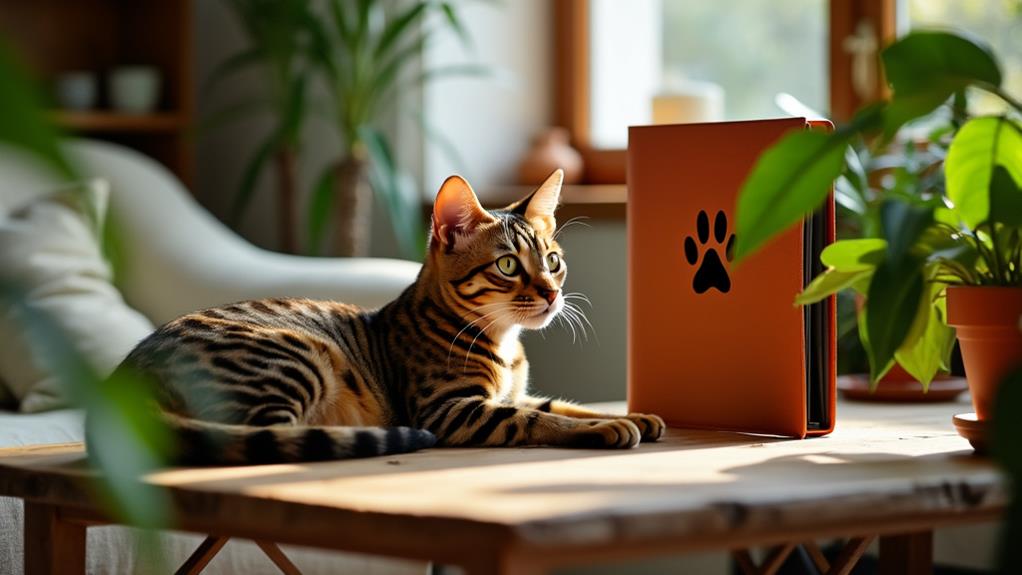
Adopting a Bengal cat is an exciting adventure that requires thoughtful preparation. When you decide to adopt a Bengal, you'll find that rescue cats typically cost between $100 to $250, while acquiring a purebred from a breeder can set you back $1,000 to $3,000. It's vital to guarantee that Bengals are spayed or neutered before adoption, as this helps prevent unwanted behaviors and promotes their comprehensive health.
Bengals are not your average cats; their high energy levels and playful nature mean they need an experienced owner who can provide plenty of attention and stimulation. This includes engaging them in interactive playtime and offering a stimulating environment. Think of it as building a playground for your Bengal with enrichment activities like interactive toys or climbing structures. This not only keeps them happy but also mentally and physically fit.
Creating a calm environment is fundamental, especially when introducing a Bengal to other pets. This guarantees a harmonious living situation. With the right preparation and commitment, adopting a Bengal can be a rewarding experience, bringing a lively and affectionate companion into your home. Remember, the key to a successful adoption is guaranteeing they thrive in a stimulating and interactive environment.
Celebrity Bengal Cat Owners
Celebrities' love for Bengal cats has added to the breed's allure and charm among pet enthusiasts. These striking felines have captivated the hearts of many high-profile owners, enhancing their popularity. For instance, Kristen Stewart's Bengal, Max, is a regular on her film sets, showcasing the breed's social nature and adaptability. Max's presence not only demonstrates how well these cats can adjust to busy environments but also highlights their engaging personalities.
Paris Hilton also contributes to the Bengal cat's fame with her pet, Cutesie. Hilton frequently features Cutesie on her social media, further elevating the breed's status among her followers. The visibility of Bengals in the lives of such celebrities has undeniably contributed to their desirability in the pet community.
Other notable figures in the entertainment industry, including actors and musicians, have chosen Bengals, drawn to their unique appearance and active demeanor. It's no wonder these cats are so popular among celebrities. Here are three key points to remember:
- Bengals' adaptability makes them ideal companions for busy lifestyles.
- Their unique looks and personalities draw celebrities from different fields.
- Social media exposure by celebrity owners enhances their popularity.