Basset Hound: The Charming and Low-Key Companion Dog
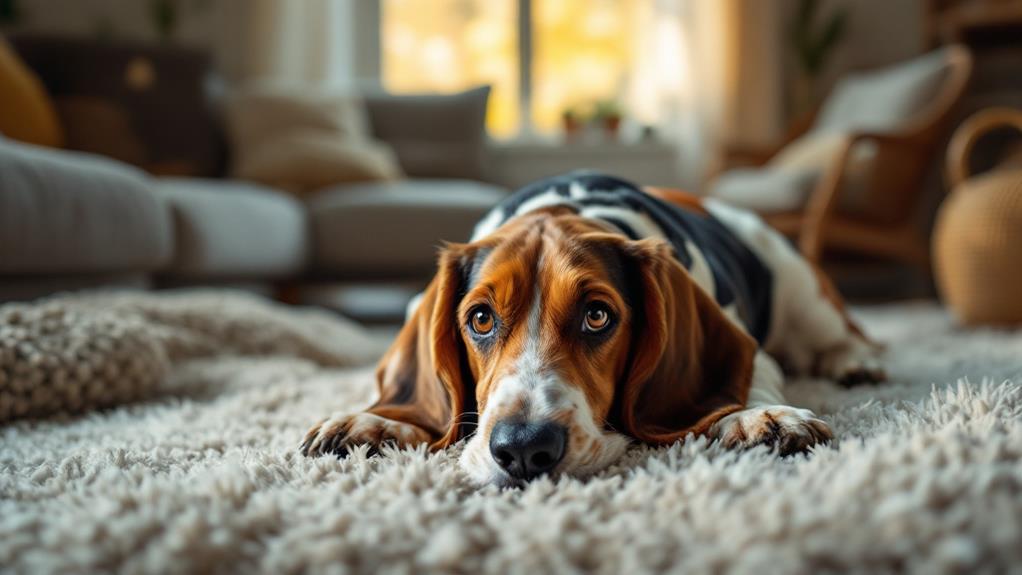
If you're looking for a charming, low-key companion, the Basset Hound might be perfect for you. Known for their gentle and sweet demeanor, these dogs are excellent with children and make loyal family pets. Their distinctive features, including long ears and a powerful nose, give them excellent tracking abilities despite their relaxed nature. Caring for a Basset Hound requires attention to grooming, nutrition, and regular tepid exercise like leisurely walks. They thrive in peaceful family settings and need early socialization for a friendly disposition. Investigate further to understand their history, health concerns, and how to fit them into your lifestyle.
Characteristics of Basset Hounds
Basset Hounds are distinctively known for their low-slung physique, typically weighing between 40 to 65 pounds and standing about 10 to 15 inches tall. Their unique body structure, with short legs and long bodies, is not just for show—it's vital for their specialized scenting abilities. As a Basset Hound owner, you'll appreciate their exceptional tracking skills, which make them one of the best hounds out there. Their droopy, slightly sunken eyes and soulful expressions enhance their charming and endearing personality.
These hounds are perfect for families, thanks to their gentle and sweet demeanor. They're loyal companions and generally good with children, making them a delightful addition to any household. The smooth, short coat of the Basset Hound comes in 19 recognized colors, including combinations of black, white, and tan, all featuring unique patterns. You'll find that each Basset Hound has its own distinct look.
When it comes to health, it's crucial to monitor their weight, as their unique body structure can lead to joint stress. Regular exercise and a balanced diet are key to maintaining your Basset Hound's health and happiness.
Grooming and Maintenance
When caring for your Basset Hound, regular grooming is crucial to keep them looking and feeling their best. Start with brushing their coat at least once a week. This helps minimize shedding and keeps their coat healthy. Use a brush designed for short coats to remove loose fur and distribute natural oils evenly across their skin.
Pay special attention to their long, droopy ears. These need regular cleaning to prevent infections, as moisture can easily accumulate in the folds. Gently wipe the inside of their ears with a damp cloth and make sure they're dry afterward to avoid bacteria buildup.
Bathing your Basset Hound should be done occasionally with a mild dog shampoo. This keeps their skin and coat clean without stripping away crucial oils. Be cautious not to over-bathe, as this can lead to dry skin.
Don't forget nail trimming. Regular trimming prevents overgrowth and discomfort. Be careful to avoid cutting into the quick, which can cause pain and bleeding.
Nutrition and Feeding Tips

As you plan your Basset Hound's diet, providing a high-quality food is essential to their general health and well-being. You should aim for about 1½ to 2½ cups of dry dog food daily, divided into two meals. This helps prevent bloat, a serious health issue in dogs. Due to their tendency to pack on pounds, monitoring their nutrition closely is vital. Obesity can lead to further health issues, so it's important to keep portion sizes in check and consult your veterinarian for advice tailored to your dog's weight and activity level.
Healthy treats can play a role in training but remember to offer them sparingly. Overindulgence can lead to unwanted weight gain. Always make sure your Basset Hound has access to fresh, clean water. Hydration is key to maintaining urinary health and overall well-being. Be vigilant about any signs of food allergies, such as itching or digestive disturbances. If you notice anything unusual, consult your vet promptly. They might suggest dietary adjustments to better suit your dog's needs. A well-balanced diet and proper hydration will keep your Basset Hound happy, healthy, and by your side for years to come.
Exercise and Activity Needs
Engaging your Basset Hound in regular physical activity is essential to keep them healthy and happy. Despite their low-energy demeanor, they need moderate exercise consisting of two to three 20-minute walks daily. This routine helps maintain a healthy weight and prevents obesity, which is critical for their overall health. Their unique body structure, characterized by short legs and a heavy build, makes them more suited for leisurely walks rather than high-intensity activities. So, when you're out on walks, let them indulge in scent tracking, which Basset Hounds excel at and thoroughly enjoy.
In addition to physical exercise, mental stimulation is important for your Basset Hound's well-being. Engaging activities like puzzle toys or scent games can keep their minds sharp and entertained. Regular visits to dog parks or safe, enclosed areas not only offer a change of scenery but also provide opportunities for socialization, enhancing their mental health.
Be cautious not to over-exercise your Basset Hound, as their build can lead to joint issues and fatigue. Finding the right balance of exercise and mental stimulation is fundamental to ensuring your Basset Hound remains a healthy and content companion.
Common Health Concerns
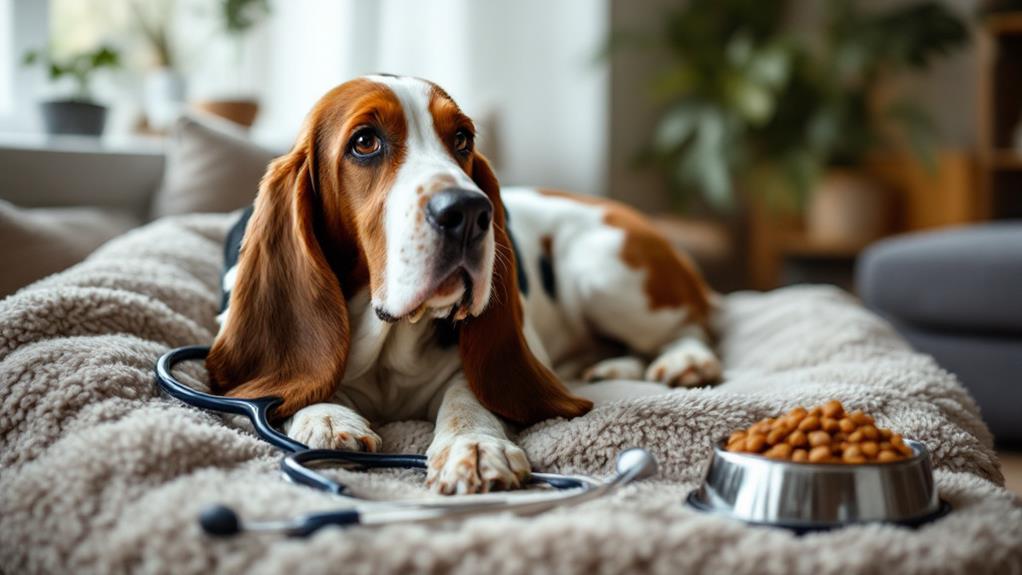
Due to their unique physique, Basset Hounds are prone to several health concerns that require diligent care. Their droopy ears make them susceptible to ear infections, so it's vital to clean and inspect them regularly. This prevents moisture buildup and irritation, which can lead to infections if ignored. Obesity is another significant concern. Their body structure makes them more likely to gain weight, so keep their diet balanced and guarantee they get regular exercise. It's important to monitor their weight closely to avoid complications associated with obesity.
Joint issues, like hip and elbow dysplasia, are common in Basset Hounds. Routine veterinary check-ups are necessary to detect and manage these problems early. Addressing joint issues promptly can help maintain their mobility and comfort. Furthermore, Basset Hounds can be at risk for gastric torsion, a severe condition that can be alleviated by feeding them smaller, more frequent meals instead of large portions.
Training Tips and Techniques
Training Basset Hounds effectively involves using positive reinforcement techniques, such as treats and praise, to encourage the behaviors you want. These dogs respond best to rewards rather than harsh corrections. Start training early and focus on socialization to help your Basset Hound develop well-rounded behavior. Early exposure to diverse environments and people is vital, as Basset Hounds can be quite stubborn. By integrating positive reinforcement, you'll find training works more effectively.
Keep training sessions short and engaging, aiming for 5-10 minutes at a time. This helps maintain your Basset Hound's interest and prevents boredom. Incorporate basic obedience commands like "sit," "stay," and "come" into daily routines. These commands are fundamental for ensuring your pet's safety and enhancing control. Consistently practicing obedience commands will lead to a well-behaved and reliable companion.
Consider attending obedience classes for professional guidance. Basset Hounds' independent nature might require extra patience and consistent methods. Professional training can offer you valuable insights into techniques that work best. Remember, using positive reinforcement and maintaining consistency in training will yield the best results with your charming and low-key Basset Hound.
Socialization and Family Life
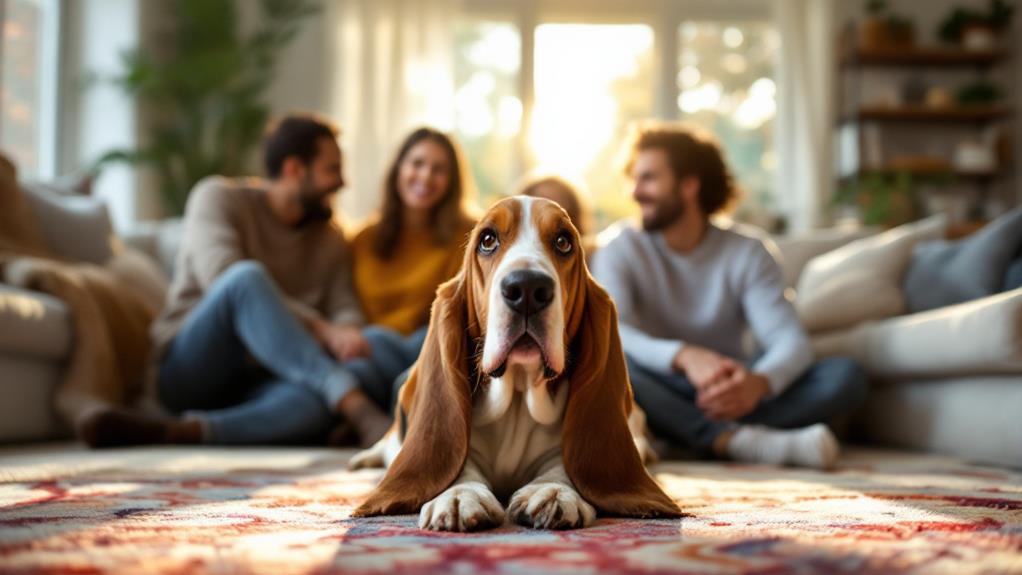
Basset Hounds are wonderful family companions due to their gentle and affectionate nature. Their temperament makes them excellent with families, especially those with children. Early socialization is crucial for a happy, well-adjusted Basset Hound. By exposing your dog to a variety of environments, people, and other pets, you help build their confidence and friendly disposition. This process guarantees that your Basset Hound becomes a well-rounded companion who thrives in family life.
These dogs love companionship and typically get along well with other pets, including dogs and cats. Proper introductions and socialization sessions are key to fostering these harmonious relationships. Basset Hounds crave a calm and relaxed home environment, making them ideal for families who want a low-energy dog that relishes spending time with loved ones. They're not high-strung, so they fit seamlessly into a peaceful household.
Adaptability is another hallmark of Basset Hounds. They adjust well to different living situations, including apartments, as long as they receive adequate daily exercise and mental stimulation. So, if you're looking for a laid-back yet loving companion for your family, the Basset Hound is a perfect choice. Socialization and family integration are crucial for a fulfilling life with this charming breed.
History and Origin
The fascinating history of the Basset Hound reveals how this breed evolved from a skilled hunting dog to a beloved family companion. Originating in early 1800s France, the Basset Hound was developed for its exceptional scenting abilities and low stature. The name "Basset" actually comes from the French word "bas," meaning low, a nod to the breed's distinctive short legs and compact size.
To improve their scenting capabilities, Basset Hounds were bred by crossing diverse breeds, including the Bloodhound. This strategic breeding aimed to create a dog that could navigate challenging terrains while maintaining an incredible sense of smell. It's no wonder they gained popularity among hunters; their ability to track and trail scents made them invaluable in the field.
As the 19th century progressed, the Basset Hound's role began to change. No longer just hunting companions, they slowly shifted into the hearts and homes of families, admired for their charming personalities and low-key demeanor. By the late 19th century, they were well on their way to becoming cherished family pets, their history and origin forever linked to their remarkable scenting abilities and unique stature.
Recognized Breed Standards
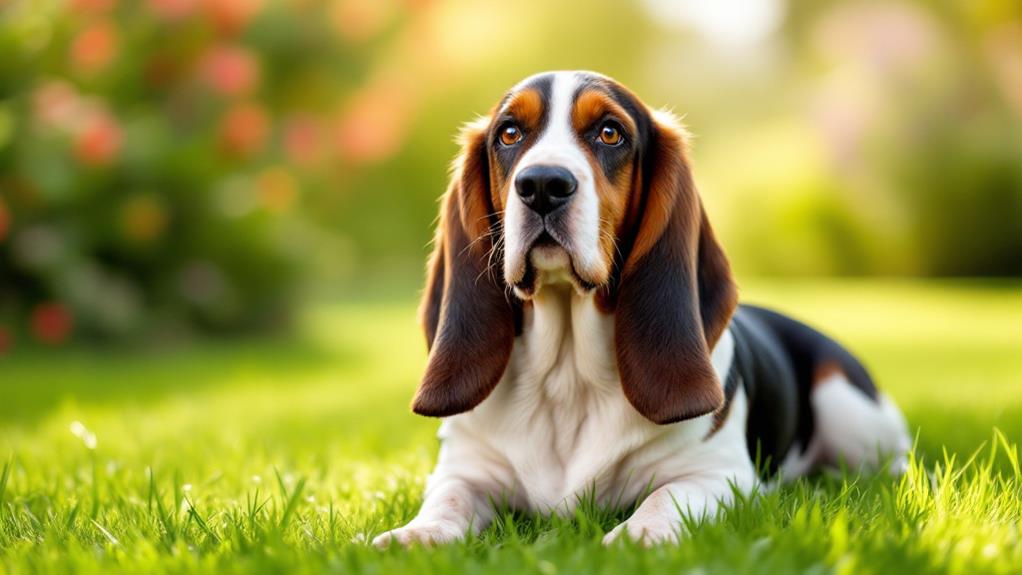
As the Basset Hound's expedition from the fields to family homes progressed, breed standards began taking shape to preserve their distinctive traits. Recognized by the American Kennel Club (AKC) as part of the Hound Group, the Basset Hound is ranked 34th in popularity among 201 breeds. These breed standards guarantee that Basset Hounds maintain their characteristic low-slung physique. With heights up to 15 inches and weights between 40-65 pounds, their short legs and robust bodies make them instantly recognizable.
You'll find that the breed's smooth, short coat comes in 19 lively colors, including black, red, and white. Look out for the charming ticked and marked patterns, which add to their unique appeal. The standards emphasize their droopy eyes, large floppy ears, and loose skin—all contributing to the Basset Hound's endearing appearance and unique health aspects.
Here's what you should know about the breed standards:
- Height: Up to 15 inches, short legs are a must.
- Weight: Between 40-65 pounds.
- Coat: Smooth and short, available in 19 colors.
- Distinctive Features: Droopy eyes, floppy ears, loose skin.
These standards guarantee the Basset Hound retains its natural charm and scenting prowess.
Resources and Support
For Basset Hound enthusiasts, accessing the right resources and support is crucial to ensuring their furry friends thrive. The American Kennel Club (AKC) is a goldmine of information, offering breed-specific health and training resources for Basset Hounds. You'll find guidance on everything from nutrition to training techniques, tailored to the unique needs of these charming dogs.
Local AKC clubs are invaluable, connecting you with a community of fellow Basset Hound owners. These clubs host events where you and your pet can socialize, network, and even participate in fun activities. Engaging with these communities not only improves your dog's social skills but also builds your understanding of responsible dog ownership.
Online, AKC.TV is a fantastic resource, featuring training videos that address the challenges of working with stubborn breeds like Basset Hounds. You'll learn effective ways to train your dog, ensuring they grow into well-behaved companions.
Participating in AKC dog sports and events can further strengthen your bond with your Basset Hound. These activities provide mental and physical stimulation, keeping your dog happy and healthy while deepening your connection. Utilize these resources and support systems to give your Basset Hound the best life possible.