Are Toy Dogs the Ideal Pet? Pros and Cons of Owning a Small Dog
Toy dogs are perfect for small living spaces and they're budget-friendly due to lower feeding and grooming needs. Their affectionate nature makes them excellent companions, and easy travel partners. However, they do need careful handling to prevent health issues like dental problems and injuries. Their sensitivity to weather and potential behavioral issues, like barking and aggression, require diligent training and care. Some breeds need more grooming, and all benefit from regular vet visits. Choosing the right breed based on your lifestyle is essential. Engage yourself further to weigh if a toy dog is your ideal pet match.
Benefits of Toy Dog Ownership
When you're considering a pet that fits seamlessly into your living space, toy dogs offer several appealing benefits. Small dog breeds are perfect for apartment living, thanks to their compact size. They require less room for exercise and play, making them a perfect fit for urban dwellers. One of the pros of owning toy breeds is their lower feeding costs. They consume smaller portions, which can be easier on your wallet.
Moreover, toy breeds are often easier to groom. Their limited fur coverage means grooming requires less time and physical effort, simplifying your routine. If you enjoy traveling, you'll find these small companions convenient to transport. Toy dogs fit well in carriers, making them suitable for public transport and air travel.
Training and socialization are fundamental, but toy dogs are known to form strong bonds with their owners, enhancing companionship and emotional support. They're often excellent lap dogs and loyal companions. However, keep in mind that some toy breeds may have specific health issues, so research is vital before making a decision. In general, toy dogs can be a delightful enhancement to your life, offering numerous advantages.
Challenges of Having a Small Dog
Owning a small dog certainly comes with its set of challenges. Small breed dogs often have delicate bone structures, making them particularly vulnerable to injury. Care should be taken when they're around larger pets and children to prevent accidents. Moreover, these tiny dogs are at risk from larger predators, necessitating constant supervision during outdoor activities to keep them safe. It's a significant responsibility to guarantee they're protected at all times.
Training small dogs can also present challenges. Many small breeds exhibit defensive behaviors, which can escalate into aggression if not properly addressed. Early socialization and consistent training are essential to help them adapt and interact positively with other animals and humans. Without regular engagement, their energy to burn might lead to unwanted behaviors.
Another con of owning a small dog is their sensitivity to extreme weather conditions. They often need extra insulation and protection in cold climates due to their petite size. Also, water safety is a concern; small dogs can struggle in deeper water and may require assistance during playtime near pools or lakes. In addition, owning a small dog requires dedication, vigilance, and careful management.
Popular Toy Dog Breeds

If you're considering adding a small canine companion to your life, you'll find a selection of popular toy dog breeds to choose from, each with distinct characteristics and needs. The Maltese, with its small size and affectionate nature, easily adapts to apartment living, making it an ideal choice for city dwellers. On the other hand, the Chihuahua, another popular toy dog, requires gentle handling. Without proper training, Chihuahuas can become aggressive.
The Papillon stands out with its playful demeanor but requires regular outdoor exercise despite its small size. If you're looking for a tiny watchdog, the Yorkshire Terrier is energetic and excels in this role but demands regular grooming. Pomeranians are sociable and adjust well to different environments, but their thick coats need consistent brushing.
Consider these factors when evaluating toy dog breeds:
- Living Situation: Some breeds, like the French Bulldog, are perfect for apartment living but demand early training and regular vet visits due to health concerns.
- Grooming Needs: Breeds like the Cavalier King Charles Spaniel need moderate grooming and are prone to heart issues.
- Exercise and Training: Confirm your choice matches your lifestyle, as small dogs like the Papillon require outdoor activity.
Choosing the Right Breed
Selecting the perfect toy dog breed involves evaluating how well a breed's characteristics align with your lifestyle and environment. Living in a small apartment? You might want to reflect on a toy breed dog like a Chihuahua or a Pomeranian, which can adapt well to limited space. However, keep in mind that even small dogs need exercise, so verify their energy levels match your activity level. Consistent training and socialization from an early stage are vital, as these tiny companions can develop behavioral issues if neglected.
When choosing a toy breed dog, factor in potential health concerns. Many small breeds are prone to dental problems, so regular vet check-ups are fundamental. Contemplate each breed's lifespan; with breeds like Yorkshire Terriers living 12-16 years, you're committing for the long haul. Also, think about the training needs of your chosen breed. Toy breeds often require consistent training to address behaviors like excessive barking or aggression.
Ultimately, your choice of toy breed dog should improve your lifestyle, not complicate it. By understanding each breed's unique needs and qualities, you can find a loyal and delightful companion that fits seamlessly into your life.
Grooming Needs of Toy Dogs
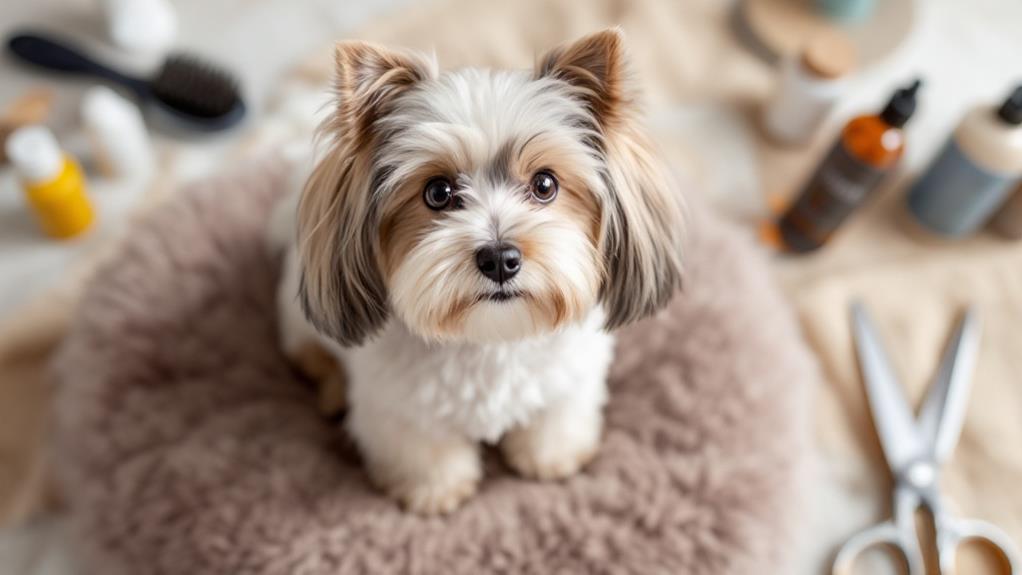
Grooming toy dogs involves specific needs that vary considerably across breeds. For instance, if you own a Maltese or Shih Tzu, you'll find regular grooming necessary due to their long coats. These breeds often require daily brushing to prevent matting and tangles. On the flip side, breeds like the Pomeranian and Yorkshire Terrier benefit from professional grooming every 4-6 weeks, which helps keep their fur healthy and manageable. However, if you have a Jack Russell Terrier or Boston Terrier, you'll notice their grooming needs are less demanding, with only occasional brushing needed thanks to their shorter coats.
Beyond fur maintenance, dental care is essential for toy breeds. They're prone to dental issues, so incorporating daily brushing and providing dental treats can greatly improve their oral health. Additionally, grooming isn't just about appearances. It plays a key role in your pet's complete health, allowing you to spot skin issues or parasites early on, ensuring prompt treatment.
Here's what to remember about grooming toy dogs:
- Daily brushing: Necessary for long-coated breeds.
- Professional grooming: Recommended every 4-6 weeks for certain breeds.
- Dental care: Daily practices prevent oral health problems.
Training Tips for Small Breeds
Training small breeds effectively involves understanding their unique challenges and needs. These tiny companions require consistent training to prevent unwanted behaviors, such as aggression or non-social tendencies, especially when interacting with larger dogs. Socialization is key, so expose your small dog to a variety of environments, people, and other pets early on to build their confidence and improve their behavior.
Positive reinforcement is a powerful tool in your training arsenal. Small dogs respond exceptionally well to treats, praise, and rewards for good behavior. This approach not only makes training sessions more enjoyable for your pet but also strengthens your bond with them. Remember, small dogs can be prone to developing "small dog syndrome," where they may act out or demand attention. Establish clear rules from the start to promote obedience and prevent these issues.
Regular supervision during playtime with larger dogs is crucial to guarantee safe interactions and prevent injuries. Due to their size, small dogs are more vulnerable, so always keep a watchful eye. With patience and persistence in your training routine, you'll cultivate a well-behaved, happy, and secure small dog that thrives in any environment.
Behavioral Traits to Expect
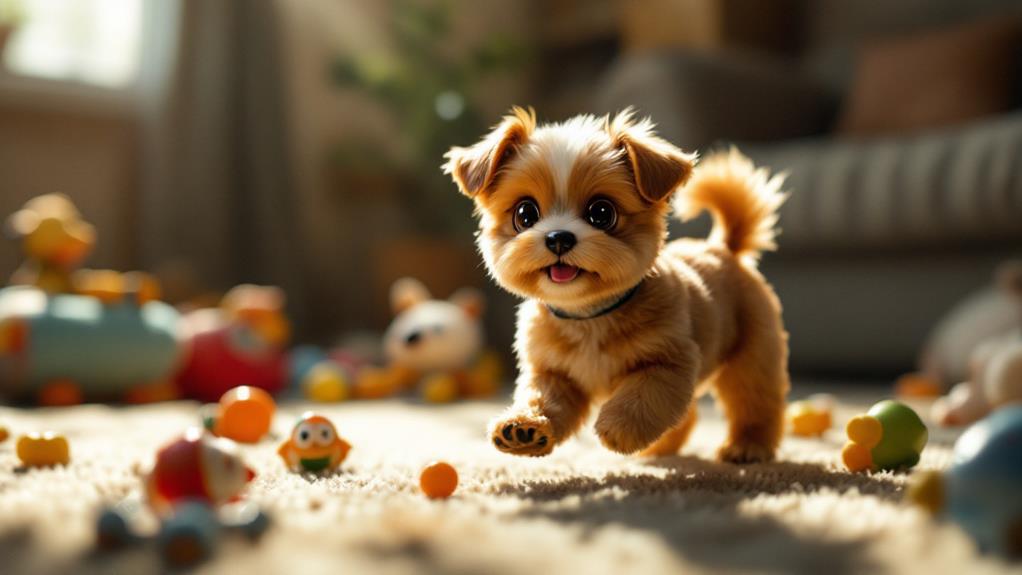
Understanding the behavioral traits of toy dog breeds helps in anticipating and addressing their needs effectively. These small companions are typically affectionate, forming strong bonds with their owners and craving human interaction. However, their size doesn't diminish their alertness. Many toy breeds act as vigilant watchdogs, often barking at unfamiliar sounds or visitors. This can lead to behavioral issues if they're not properly trained and socialized early on. Training is essential to prevent excessive barking or aggression.
Toy dogs have a playful, puppy-like energy that persists into adulthood. They thrive on interactive playtime, requiring regular mental stimulation to ward off boredom. Without it, they might develop undesirable behaviors. Independence varies among these breeds. Some toy dogs need constant companionship, while others are more independent and tolerate solitude better. Understanding your specific breed's independence level is key to meeting their needs.
Here's what to take into account:
- Affectionate and Alert: Expect a strong bond with your toy dog, but be prepared for their alert nature.
- Training Needs: Address potential behavioral issues early with proper training.
- Mental Stimulation: Keep them engaged to maintain their playful and energetic demeanor.
Health Considerations for Toy Dogs
When considering the health of toy dogs, it is imperative to recognize the specific challenges these small breeds face. One major concern is dental problems. Their small mouth size often leads to overcrowded teeth, making toy dogs particularly susceptible to tooth decay. Regular dental care is fundamental to prevent these issues and maintain their general health.
Toy dogs are also prone to other significant health issues. Patellar luxation, or knee dislocation, can impact their mobility, while heart conditions may develop as they grow older. If your toy dog is brachycephalic, like a Pug or French Bulldog, they might experience respiratory problems due to their short skull structure. This means breathing can be difficult, especially in hot weather, so you'll need to monitor them closely.
Despite these challenges, toy dogs can enjoy a long lifespan, often living between 12 to 16 years with proper care. Regular veterinary check-ups are crucial to catch any health issues early. Furthermore, due to their lower activity levels, toy dogs can face obesity-related health problems. Providing balanced diets and controlling portions are key steps in ensuring they remain healthy and active throughout their lives.
Cost Efficiency of Toy Breeds

Owning a toy breed can be cost-efficient for several reasons. For starters, small dogs consume notably less dog food compared to their larger counterparts. This means you'll spend less on feeding supplies, making your monthly expenses more manageable. Furthermore, grooming small dogs is often easier and less physically demanding, which can translate to reduced grooming expenses. Frequent grooming sessions become more feasible, helping keep your furry friend looking their best without breaking the bank.
Consider these key points about the cost efficiency of owning small dogs:
- Dog Food Savings: Smaller appetites lead to smaller portions, and therefore, reduced spending on dog food supplies.
- Grooming Costs: Easier grooming means you can maintain their coat yourself more often, cutting down on professional grooming fees.
- Space and Exercise: Small dogs need less space for exercise, which can save on costs associated with larger living spaces or yard maintenance.
Moreover, veterinary costs for toy breeds can be lower due to their size. While specific health issues may arise, routine care generally costs less. The portability of toy breeds also simplifies travel, eliminating extra pet care expenses when you're on the go. In general, small dogs offer numerous cost-saving benefits.
Lifestyle Suitability of Small Dogs
Small dogs are the perfect companions for urban living, thriving in compact spaces like city apartments. Their small size means they don't need much room to feel comfortable, fitting seamlessly into your urban lifestyle. These pets have lower exercise requirements, so if you're busy or not particularly active, a small dog will likely match your pace. Short walks and some indoor playtime generally suffice, keeping them happy without the need for extensive outdoor adventures.
Portability is another advantage of small dogs, making transportation a breeze. You'll find it easier to take them along as you navigate the city, regardless of whether you're hopping on public transport or visiting pet-friendly spots. Their kid-friendly nature also makes them suitable for families, though supervision during interactions is key to ensuring everyone's safety.
Additionally, small dogs are budget-friendly pets. They consume less food than larger breeds, which helps keep feeding costs in check. This makes small dogs an appealing option for those looking to manage pet expenses without compromising on companionship. In general, small dogs fit seamlessly into compact living spaces, proving to be versatile and accommodating pets for a variety of lifestyles.