Are Axolotls Good First Pets? What You Should Know Before Getting One
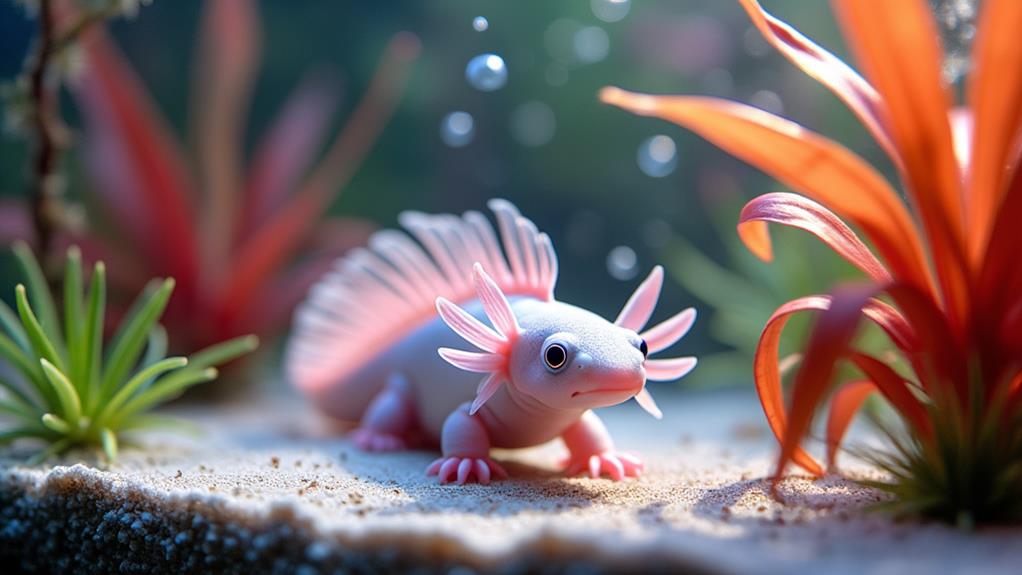
Axolotls can make intriguing initial pets, but they aren't for everyone. You'll need a tank that's at least 15-20 gallons with cool, clean water between 60-68°F and no strong currents. They prefer sandy substrates, and you'll need to avoid bright lights to keep them stress-free. Their diet is exclusively carnivorous, requiring food like earthworms or specialized pellets. Be aware of health issues from poor water quality and make sure you follow all local laws regarding axolotl ownership since they're critically endangered. With thoughtful preparation, you'll find out much more about the unique care and commitment they require.
Key Takeaways
- Axolotls require specific tank conditions, including precise temperature and pH levels, which may challenge inexperienced pet owners.
- Their diet demands a regular supply of protein-rich foods like earthworms, requiring consistent feeding and care.
- Legal restrictions in some areas may complicate ownership; verify local laws before acquiring an axolotl.
- Axolotls need minimal handling and a stress-free environment, making them less interactive than other pets.
- Regular water quality monitoring is essential to prevent health issues, demanding attention and commitment from owners.
Understanding Axolotl Basics
When you're considering axolotls as your initial pet, it is vital to understand their unique characteristics and needs. Axolotls, fascinating aquatic species native to Lake Xochimilco in Mexico, are known for their external gills and remarkable ability to regenerate lost limbs. These amphibians exhibit neoteny, meaning they remain in their larval state throughout their lives, thriving in water without undergoing metamorphosis.
To promote their longevity and health, proper care is significant. Axolotls can live between 10 to 15 years with the right attention, making them a long-term commitment. They grow over a foot long, typically reaching lengths of 9-12 inches in captivity, so their tank needs to be spacious. Adequate tank conditions include a minimum size of 15-20 gallons, with cold water temperatures ranging from 60-68°F, and a pH level between 6.5 and 8.
Additionally, axolotls are critically endangered species due to habitat loss and the pet trade. Therefore, it is significant to source them responsibly, making sure you're not contributing to their decline. Being informed will help you provide the best environment for these extraordinary creatures.
Creating the Ideal Habitat
Creating the ideal habitat for your axolotl is vital to guaranteeing its wellbeing and happiness. Start by choosing a tank that's at least 15-20 gallons, preferably longer than tall, to give your axolotl ample swimming space and help maintain water quality. The water temperature should stay between 60-68°F (15-20°C). Temperatures above 75°F (24°C) can cause stress and lead to health issues, so keeping it cool is significant.
Your choice of substrate matters too. Opt for sand, as gravel can cause gastrointestinal blockages if ingested. Smooth-edged decorations can prevent skin damage, enhancing their safety. To further reduce stress, provide hiding spots like PVC pipes or clay pots. These offer your axolotl places to retreat and feel secure. Low light conditions are also beneficial, as axolotls prefer dim environments.
Although diet specifics aren't covered here, keep in mind that your axolotl's health relies on a balanced diet along with proper habitat setup. Regularly check water quality to verify ammonia and nitrite levels are at 0 ppm and nitrates below 40 ppm. By focusing on these elements, you'll create a comfortable and stress-free home for your axolotl.
Water Quality Essentials
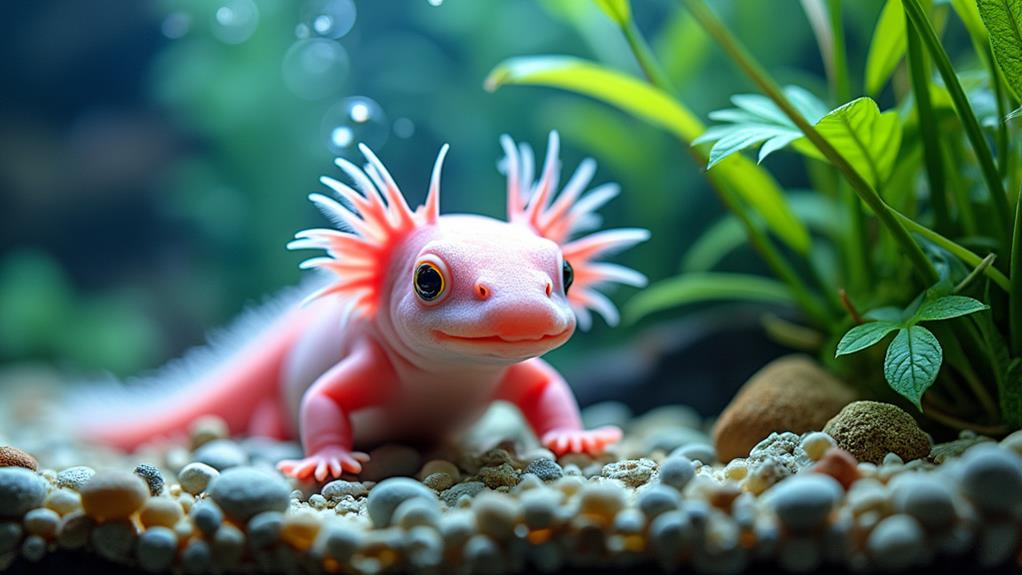
Maintaining impeccable water quality is fundamental for your axolotl's health and happiness. Start with a tank that's at least 15-20 gallons to give them ample space and help manage water conditions effectively. The right water temperature is critical; keep it between 60-68°F (15-20°C) to avoid stress and potential health issues. It's similarly important to monitor the pH levels, which should be between 6.5 and 8. Ensuring ammonia and nitrite levels are at 0 ppm is crucial to prevent toxicity, while nitrate levels should stay below 40 ppm.
To achieve ideal water conditions, perform regular water changes, replacing 20-30% of the tank water weekly. This practice keeps the environment clean and safe. Always use dechlorinated water, as chlorine can harm your axolotl. Moreover, opt for gentle filtration methods to maintain water quality without creating strong currents that can stress your pet.
Feeding and Nutrition Tips
With water quality under control, let's turn our attention to feeding and nutrition for your axolotl. These fascinating creatures are strictly carnivorous, so a protein-rich diet is a must. Earthworms are the top choice due to their excellent nutritional value, and you can also offer bloodworms and specially formulated pellets. Keep in mind that feeding frequency depends on the axolotl's stage of life and individual dietary needs. Juveniles need daily feeding, while adults typically eat every 2-3 days. Keep an eye on their body condition and appetite to determine if adjustments are necessary.
Here are some important tips to guarantee your axolotl thrives:
- Remove Uneaten Food: Promptly removing leftover food is critical. It helps maintain water quality by preventing pollution in the tank, which is fundamental for your axolotl's health.
- Prioritize Fresh Food: Whenever possible, opt for fresh over processed options. Earthworms are ideal, offering the best nutrition for your pet.
- Monitor for Overfeeding: Watch for signs of overfeeding, such as a bloated appearance. Adjust feeding habits as needed to avoid constipation and other health issues.
Health and Common Issues
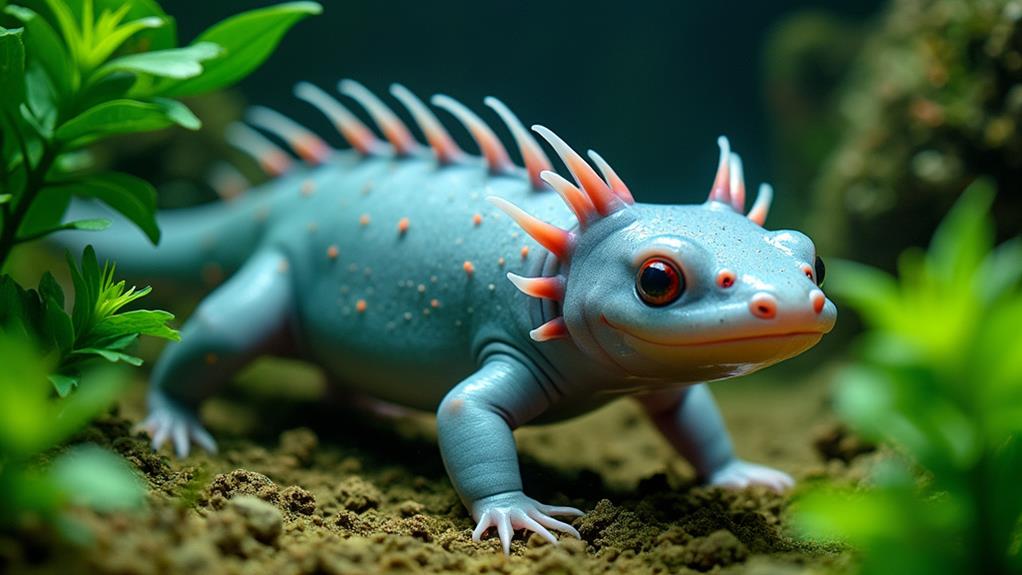
A thriving axolotl begins with vigilant care, especially in relation to health and common issues. One of the primary concerns is maintaining ideal water quality. Poor water conditions can lead to health issues like fungal and bacterial infections. Regularly check water parameters, including ammonia, nitrite, and nitrate levels, as heightened ammonia can cause respiratory and neurological damage in axolotls.
Watch out for common signs of health problems such as lack of appetite, lethargy, abnormal swimming patterns, and visible gill or skin lesions. These symptoms often indicate underlying health issues that require immediate attention. Axolotls are prone to gastrointestinal obstructions when they ingest small gravel or inappropriate food, causing symptoms like sluggishness and refusal to eat. Ensuring their food is suitable and their environment is free from harmful items can prevent these issues.
If you notice any concerning signs, don't hesitate to consult a vet. Prompt veterinary attention is essential, as early intervention can prevent severe complications and improve the prognosis. Keeping your axolotl healthy involves a combination of proper care, regular monitoring of their environment, and quick response to any signs of distress.
Behavioral Insights
Exploring the intriguing world of axolotl behavior reveals their solitary nature and the preference to live alone. Axolotls are solitary creatures, often displaying cannibalistic tendencies toward smaller tank mates. They thrive in a relaxed environment, showing minimal movement and enjoying the calmness of their surroundings. When they're stressed, it's often due to external factors like bright lights or poor water quality, both of which can greatly affect their well-being. Consequently, guaranteeing their habitat has stable, low-light conditions and clean water is vital for their comfort.
Axolotls can live quite contentedly in solitude, and they possess a bold nature that may lead them to approach the tank side out of curiosity. While their behavior might seem social, it's not; they're simply intrigued by their environment. Here's what you should keep in mind:
- Water Quality: Axolotls are sensitive to poor water, so maintaining high-quality water is fundamental.
- Lighting: Bright lights can stress them, so opt for dim lighting.
- Interaction: Limit handling to prevent stress and guarantee they feel secure in their habitat.
Legal Considerations
Maneuvering the legal terrain of axolotl ownership is important for any prospective pet owner. Axolotls are fascinating exotic pets, but they're not legally owned everywhere. In states like California, Maine, New Jersey, and Virginia, axolotl ownership is outright illegal. As a result, understanding local regulations is significant before you even consider visiting pet stores or browsing online listings. Even in states where they are allowed, such as New Mexico, importing axolotls from other states is prohibited, adding another layer to the legal considerations you must navigate.
Since axolotls are critically endangered in the wild, their sale and ownership are often closely monitored. Compliance with local exotic pet laws is crucial to avoid any legal repercussions. Each state may have its own specific laws concerning the sale, breeding, and transportation of these unique creatures, so it's important to verify the legalities within your area. To make sure you're on the right side of the law, consider sourcing your axolotl from reputable breeders or rescue groups, rather than from unverified pet stores. Doing so not only supports conservation efforts but also guarantees that you are acquiring a healthy and legally obtained pet.
Purchasing and Alternatives
Understanding the legal landscape is just the starting point for anyone interested in axolotl ownership. Once you're clear on local exotic pet laws, focus on the purchasing process to guarantee a healthy start for your initial pet. Axolotls typically cost between $30 to $80, but be prepared for higher prices if you're drawn to rare color variations. It's vital to buy from reputable breeders or rescue groups. This guarantees your axolotl is healthy and comes with a proper care history, reducing future headaches.
Consider alternative amphibians if axolotls aren't viable due to legal or care constraints. Options like tiger salamanders, leopard geckos, or fire belly newts might better suit your lifestyle and experience level. Each offers unique care requirements and experiences, making them similarly exciting choices for a first pet.
Leverage community resources to improve your understanding and confidence before committing. Engaging with online forums or local meetups can provide you with invaluable insights and support from seasoned axolotl enthusiasts. Here's a quick breakdown of the steps involved:
- Verify exotic pet laws in your area.
- Purchase from reputable breeders or rescue groups.
- Explore alternative amphibians if needed.
These steps guarantee informed and responsible pet ownership.