
Why Do Dogs Love to Chew Bones? Understanding Your Dog’s Instincts
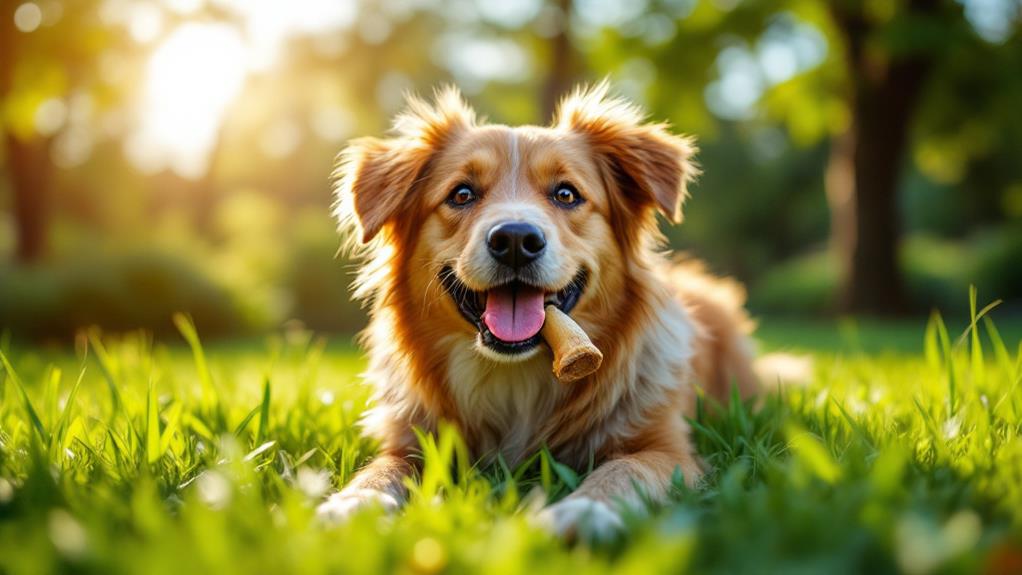
Your dog's love for chewing bones stems from deep-rooted ancestral instincts. This behavior is more than just playful; it provides vital nutrients, strengthens teeth, and supports overall well-being. Chewing also releases endorphins, reducing stress and enhancing mood, while mentally stimulating your dog to curb destructive behaviors. Bones are natural sources of calcium and important minerals, promoting strong bones and healthy teeth. Furthermore, chewing helps clean your dog's teeth by reducing plaque and massaging gums. To keep your furry friend safe, it is important to monitor chewing and choose appropriately sized bones. Uncover how this instinct can benefit your dog further.
Ancestral Instincts in Dogs
In understanding your dog's instincts, it's fascinating to see how their ancestral traits still play a role in their behavior today. Despite the convenience of modern diets, your dog's desire to chew remains a powerful drive rooted in their evolutionary history. These chewing habits are more than just a quirky preference; they're a glimpse into the natural behavior that your dog shares with their wild ancestors. Chewing on bones was vital for survival in the wild, as it provided both nutrition and a means to keep their teeth strong and healthy.
Engaging in this natural behavior offers your dog significant physical benefits. Chewing on bones helps maintain dental health by reducing plaque buildup and massaging their gums. It also provides mental stimulation, which is important in keeping your dog engaged and happy. This activity can help alleviate boredom and anxiety, linking back to the survival strategies of their wild predecessors. By allowing your dog to indulge in their instinctual urge to chew, you're not only satisfying their ancestral instincts but also contributing to their general well-being. Accept your dog's natural behavior, and watch as they thrive both physically and mentally.
Psychological Benefits of Chewing
While understanding your dog's ancestral instincts highlights the physical benefits of chewing, the psychological aspects are likewise compelling. Chewing plays a key role in promoting your dog's mental well-being. When dogs chew, they release endorphins, which are chemicals that make them feel happy and can relieve stress and anxiety. This is particularly significant during stressful situations, where the repetitive gnawing motion can act as a self-soothing mechanism.
Chewing also provides fundamental mental stimulation for your dog. When dogs engage in this behavior, they keep their minds active and engaged, greatly reducing the chances of boredom-related destructive behaviors. By offering them an appropriate outlet for their natural instincts, you help reinforce their behavioral health and comprehensive emotional stability.
Moreover, the act of chewing gives your dog a sense of accomplishment and satisfaction. This feeling contributes to their emotional stability, making them happier and more content. By allowing your dog to chew, you support their natural instincts while promoting a healthy outlet for stress relief. Essentially, chewing is not just a physical activity but a significant component of your dog's psychological well-being, ensuring they remain balanced and fulfilled.
Nutritional Advantages of Bones
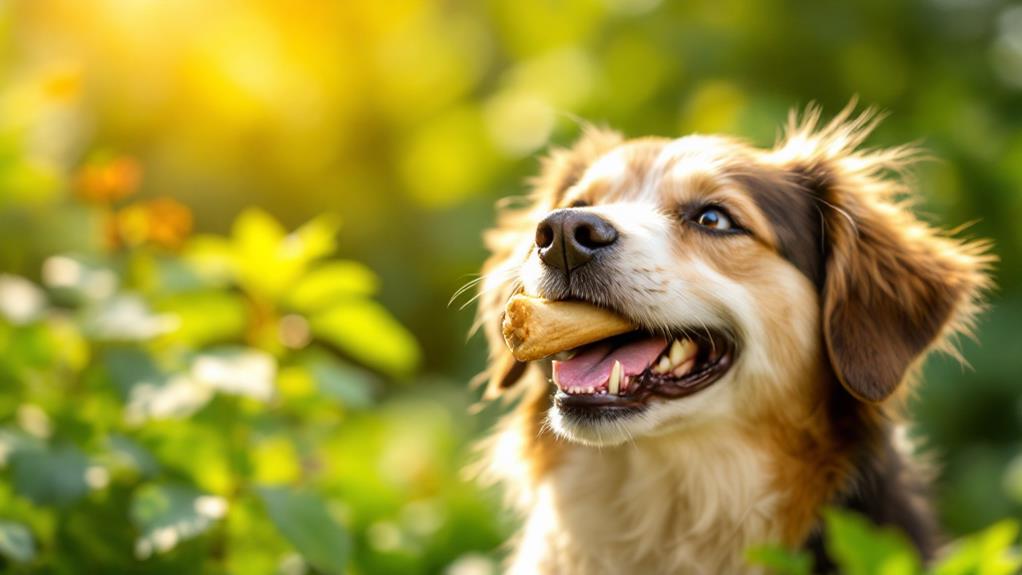
Bones offer a wealth of nutritional benefits for your dog, serving as a natural source of critical nutrients like calcium and phosphorus. These nutrients are fundamental for maintaining strong bones and teeth in dogs. When your dog chews on bones, they're not just satisfying an instinct; they're also extracting trace minerals that contribute to their general health. These minerals support skeletal and dental development, ensuring your dog remains active and healthy.
Incorporating bones into your dog's diet can improve their nutritional intake, especially when commercial dog food might fall short. Properly prepared bones provide key minerals that help prevent nutritional deficiencies, supporting your dog's active lifestyle. It's significant to keep in mind that the nutritional value of bones varies by type. For example, denser bones, like weight-bearing femurs, offer more prolonged chewing experiences and greater nutritional benefits. These bones not only satisfy your dog's urge to chew but also deliver essential nutrients they may not get otherwise.
Oral Health and Chewing
Chewing plays a vital role in maintaining your dog's oral health. When your dog chews on a bone, it helps scrape away plaque buildup, reducing the risk of periodontal disease. This abrasive action is like a natural toothbrush, promoting better dental health. As your dog chews, it produces more saliva, which aids in washing away food particles and keeping the mouth clean. This increase in saliva also helps maintain oral cleanliness and freshness.
The benefits of chewing extend beyond just cleaning teeth. The mechanical stimulation from chewing bones massages your dog's gums, supporting gum health and lowering the risk of gum disease. Strong gums are important for complete oral health, ensuring your dog can chew comfortably throughout its life.
Moreover, regularly chewing on appropriate bones can strengthen your dog's jaw muscles. Strong jaws not only aid in effective chewing but also contribute to your dog's complete oral structure, adding to long-term dental health benefits. By allowing your dog to chew regularly, you're helping to reduce the need for frequent professional dental interventions. Embracing your dog's instinct to chew supports its natural desire while promoting excellent oral health.
Ensuring Safety With Bones
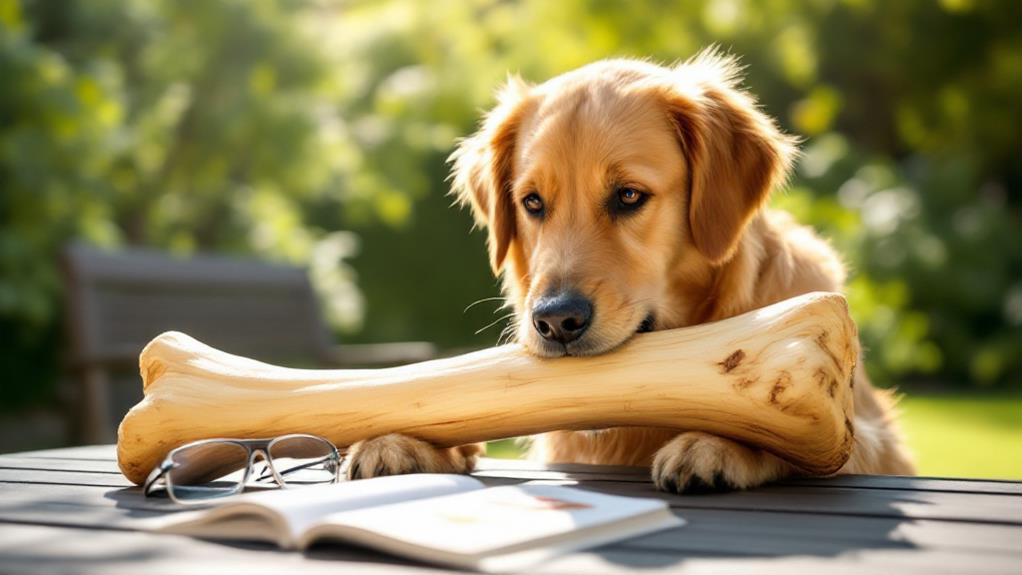
In conjunction with promoting oral health, guaranteeing your dog's safety with bones is fundamental to prevent any potential hazards. It's critical to supervise your dog as they chew to quickly address risks, such as splintering or choking. Opt for bones that are suitable for your dog's size and breed. This helps avoid accidental swallowing and guarantees the bone isn't too small. Limiting chew sessions is also significant to prevent excessive wear on teeth, which can lead to dental issues.
When choosing bones, keep the following safety tips in mind:
- Supervise your dog while they chew to catch any problems early.
- Select bones that are suitable for your dog's size to prevent swallowing risks.
- Limit chew sessions to avoid wearing down your dog's teeth excessively.
- Store raw bones in the refrigerator to minimize bacterial growth.
- Consult with a veterinarian for tailored guidance on the best bone options.
Alternatives to Bone Chews
Frequently, dog owners search for safe and effective alternatives to traditional bone chews that still satisfy their pet's chewing instincts. One option is all-natural treats like bully sticks and dental chews, which not only allow your dog to chew and gnaw but also promote oral health. These treats are nutritious and help prevent destructive chewing behavior by keeping your dog engaged.
Another excellent choice is durable chew toys made from safe materials. These toys provide both mental and physical stimulation, effectively engaging your dog without the risks associated with bones. Offering a variety of chew options, such as rubber toys and flavored sticks, can keep your dog interested and reduce over-reliance on bones for chewing satisfaction.
Interactive toys that dispense treats are also fantastic alternatives. They cater to your dog's natural chewing desires while providing mental stimulation. These toys help prevent boredom, which is often the cause of inappropriate chewing. By regularly rotating different types of chews and toys, you can maintain your dog's interest and guarantee a healthy outlet for their chewing instincts. This approach not only satisfies your dog's needs but also protects your belongings from being gnawed on.
Encouraging Positive Chewing Habits
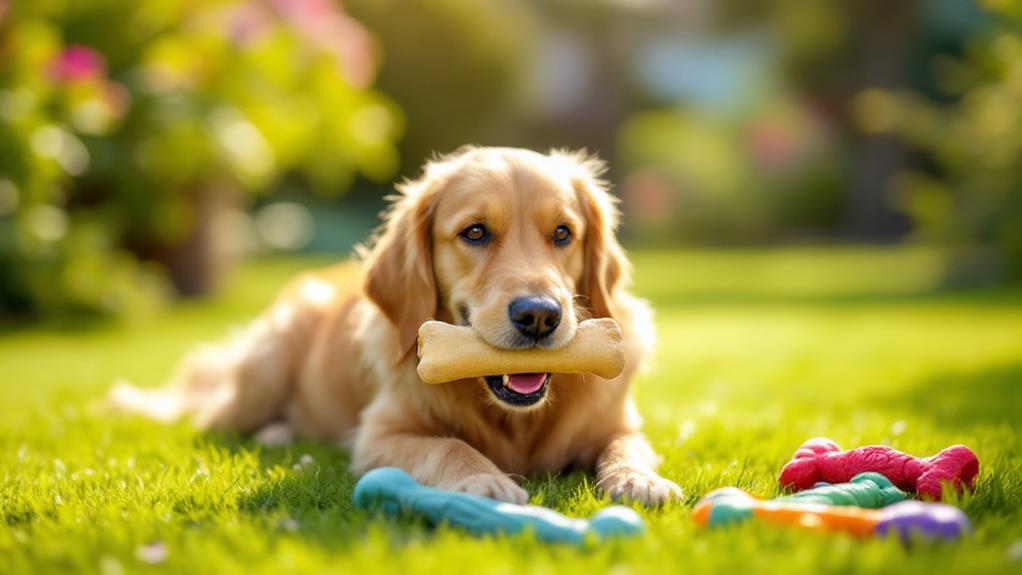
To cultivate positive chewing habits in your dog, start by providing a variety of appropriate chew toys. Dogs like to chew, and by offering them suitable options, you can redirect their natural instincts away from your favorite shoes or furniture. Encouraging positive chewing habits not only helps keep your home intact but also supports your dog's mental and physical well-being.
- Select toys that cater to your dog's chewing style and preferences, ensuring they stay engaged and satisfied.
- Introduce flavored toys to boost interest and make chewing a more rewarding experience.
- Utilize interactive toys that stimulate mental engagement, providing enrichment and reinforcing positive habits.
- Monitor your dog's progress and adjust the selection of toys as needed to maintain interest and challenge.
- Incorporate training sessions that reinforce chewing on appropriate items, helping to reduce anxiety-related behaviors.