Why Do Cats Eat Grass? Understanding Feline Behavior
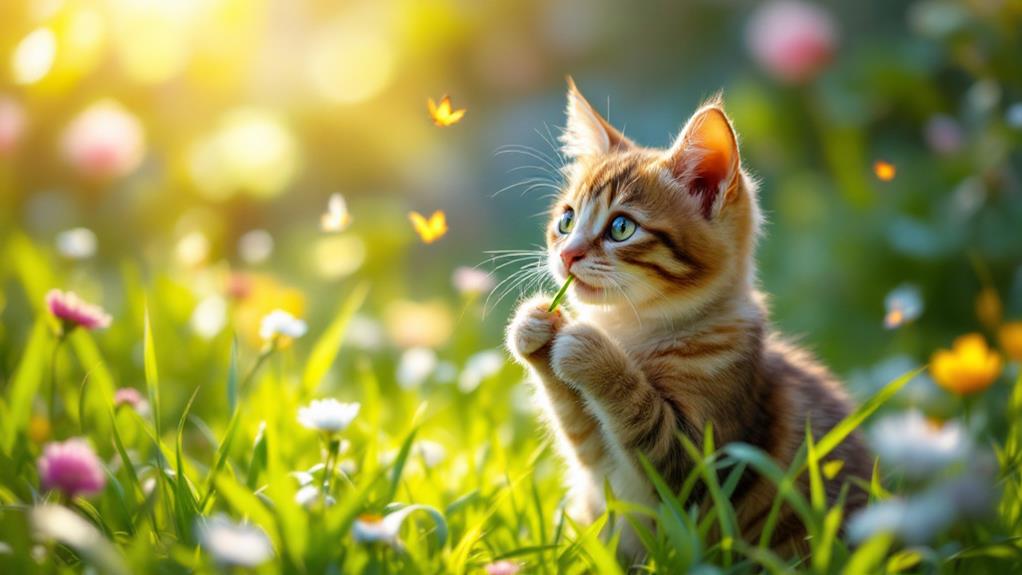
You'll notice your cat munching on grass for a few interesting reasons. It stems from their wild ancestors, aiding in stomach relief and hairball management. Grass acts as a natural laxative, offering dietary fiber and folic acid for digestion. This behavior isn't just about diet; it provides stress relief, satisfaction of curiosity, and a change of texture. Most cats engage in this instinctual habit safely, but verify the grass is free from chemicals. If your cat is excessively interested in grass or shows signs of distress, it might point to health issues. There are more insights into their fascinating behavior ahead.
Reasons Cats Consume Grass
Cats eating grass is a curious behavior that often puzzles their owners. You might wonder why your feline friend engages in this seemingly odd habit. Well, grass eating is a common behavior among cats, and there are several reasons for it. One primary reason is to alleviate stomach upset. When cats consume grass, it can help induce vomiting, allowing them to clear their stomach of irritants or undigested materials that might be bothering their digestive tract.
Grass helps in another significant way—it acts as a natural laxative for cats. This can be particularly useful when your cat is dealing with hairballs. By aiding in the passage of hairballs, grass consumption promotes regular bowel movements and helps maintain a healthy digestive tract. This instinctual behavior might be linked to their wild ancestors, who consumed plant fibers from the stomachs of their herbivorous prey, thereby integrating plant material into their diets naturally.
Interestingly, research indicates that 71% of cats have been observed eating grass at least six times in their lifetime, underscoring how common this behavior is. So, next time you see your cat munching on grass, remember it's a natural, beneficial behavior.
Nutritional Aspects of Grass
Exploring the nutritional aspects of grass can illuminate why your cat might occasionally munch on it. Cats, though obligate carnivores, sometimes seek out grass as a means to supplement their diet. One reason is that grass juice contains folic acid, a vital component for your cat's digestive health. Folic acid not only aids digestion but also supports the production of hemoglobin, critical for maintaining your cat's general health.
While your cat's primary diet consists of meat, grass provides nutrients that might be missing from a strictly carnivorous diet. The consumption of grass introduces dietary fiber, which can play a significant role in your cat's digestive system. This fiber helps promote regular bowel movements, potentially making your cat feel more comfortable and less bloated.
There's also a theory that cat eating grass fulfills a natural instinct for dietary diversity, offering a sense of satisfaction and well-being. Although not a dietary staple, grass can occasionally help cats manage hairballs and other indigestible materials. So, when you see your cat nibbling on grass, it might just be their way of instinctively balancing their nutritional needs and enhancing their digestive health.
Grass and Digestive Health
Many feline owners notice their cats munching on grass, and it's not just a quirky habit. When cats eat grass, it can greatly contribute to their digestive health. Here's why:
- Fiber Source: Grass is rich in fiber, which helps maintain regular bowel movements and reduces the risk of constipation. Fiber is crucial for keeping your cat's digestive system moving smoothly.
- Natural Laxative: Acting as a natural laxative, grass makes stool passage easier, guaranteeing your cat's digestive tract remains healthy. This can be particularly beneficial if your cat is prone to digestive issues.
- Hairball Management: Cats often ingest fur while grooming, leading to hairballs. Grass consumption may help clear these indigestible materials from their system, preventing blockages and promoting gastrointestinal health.
- Vomiting as Regulation: If your cat has an upset stomach, eating grass might trigger vomiting. This expulsion can be a self-regulatory mechanism to rid the stomach of undigested items or irritants.
While cats eating grass is typically normal, keep an eye out for excessive consumption. This could signal potential digestive issues, such as intestinal parasites. If your cat shows other distressing symptoms, consider a veterinary consultation to verify their digestive health is in check.
Safety of Grass for Cats
While munching on grass can offer several digestive benefits for your feline friend, it's vital to assure that this habit remains safe. Grass eating is generally harmless for cats if the grass is free from harmful pesticides or herbicides. These chemicals can cause serious health issues, so always verify any outdoor grass or indoor cat grass is untreated. Consider growing your own organic wheat or oat grass indoors, known as cat grass, to provide a healthy, chew-friendly option for your pet.
However, keep an eye on how much grass your cat consumes. Excessive grass eating can sometimes lead to nasal blockages or sneezing, especially if your cat ingests long pieces. This could be uncomfortable for your cat and may require a vet visit if symptoms persist.
Additionally, be cautious with houseplants. Some houseplants can be toxic to cats and can cause severe reactions if ingested. Popular plants like Poinsettias and Lilies should be kept out of reach. Stick to safe plants around the home to prevent accidental poisoning. Monitoring your cat's health and behavior during and after grass consumption is key to catch any potential issues early on.
Behavioral Factors in Grass Eating
Curiosity often drives a cat's behavior, and grass eating is no exception. As a cat owner, you might have noticed your feline friend munching on grass and wondered why. Studies reveal that 71% of cats have been observed consuming grass multiple times, indicating it's a common instinctual behavior rather than a response to illness. In fact, 91% of cat owners reported no signs of sickness in their pets before they ate grass. This suggests that cats are naturally inclined to engage in this activity.
The behavioral factors behind grass eating can be fascinating. Here's what you should know:
- Instinctual Activity: Cats have an innate drive to chew on grass, which may stem from their wild ancestors' habits.
- Stress Relief: Grass munching can provide a calming effect, acting as a natural stress reliever for both outdoor and indoor cats.
- Distraction: Consuming grass can be a way for cats to alleviate boredom, especially when they're confined indoors.
- Curiosity and Exploration: Cats are naturally curious creatures, and exploring different textures and tastes, like grass, is part of their behavior.
Understanding these factors can improve your appreciation of your cat's grass-eating antics and help you provide a more enriching environment.
Managing Grass Consumption
Understanding why cats eat grass can improve your perspective on their behavior, but managing this activity is just as crucial. If your cat eats grass, providing safe plants like organic wheat or oat grass can satisfy their instincts without risk. Home growing kits make it easy to cultivate these grasses, guaranteeing your pet has a safe, controlled source. This grass growing approach not only caters to their natural urges but also helps you manage grass consumption effectively.
To further diversify their diet and reduce excessive grass eating, consider including safe vegetables like parsley or lettuce to their meals. This variety offers supplementary fiber, which can be beneficial for digestion. Incorporating cat food specifically designed for hairball control can also help, as these formulas often contain extra fiber to aid in digestion and minimize vomiting associated with grass intake.
It's crucial to keep in mind that certain popular houseplants can be toxic to cats. Always verify any plants within reach are non-toxic and safe for them. Consulting with pet experts or veterinarians can provide personalized strategies and improve your understanding of your cat's dietary needs, helping you manage their grass consumption better.
Identifying Health Concerns
Frequent grass consumption in cats can sometimes be a red flag for underlying health issues. If your cat's grass-eating habit is coupled with vomiting, it could suggest underlying gastrointestinal issues like inflammatory bowel disease or parasites. It's significant to monitor closely for any sudden increase in this behavior. Look out for signs of distress, such as lethargy or a loss of appetite. These could indicate more serious health concerns that need attention.
Here's what you should do if your cat's grass-eating seems excessive:
- Monitor Behavior: Keep an eye on how often your cat is eating grass and any unusual symptoms that accompany it.
- Watch for Poisonous Grass: Verify the grass your cat is accessing isn't treated with chemicals, as a cat that ingests a poisonous plant could face severe health issues.
- Note Vomiting Frequency: Only about 25% of cats vomit after eating grass. If your cat is in that minority, a consultation with a veterinarian is vital for further evaluation.
- Seek Professional Advice: If your cat's grass-eating persists, especially with vomiting, consult your veterinarian for possible diagnostic tests.
Safe Grass Options
When your cat's grass-eating habits raise concerns, it's reassuring to know there are safe alternatives available. Organic wheat or oat grass is an excellent choice, providing a natural and non-toxic source of plant material for your furry friend to chew on. These grasses can be grown indoors with in-home growing kits, maintaining your houseplants untouched while offering your cat a dedicated area to satisfy their cravings.
It's essential to confirm any grass you provide is untreated and free from harmful chemicals like pesticides or herbicides. This guarantees your cat's safety and supports their general health. Regularly check the quality and source of the grass to prevent potential health risks associated with contaminated or toxic plants.
If you're looking for more variety, consider offering safe vegetables like parsley or lettuce. These not only serve as a grass alternative but also provide extra nutrients and fiber, benefiting your cat's diet. By choosing safe and non-toxic options, you can feel confident about letting your cat eat grass without worry. Remember, a well-monitored environment is key to keeping your cat happy and healthy while indulging in their natural behaviors.
When to Consult a Vet

Your cat's grass-eating habits might sometimes be more than just a quirky behavior. While cats eat grass occasionally, excessive grass consumption, especially if followed by frequent vomiting, could signal underlying gastrointestinal issues. It's vital to consult a veterinarian if you notice such patterns. Monitoring these habits closely can help in identifying any health concerns early on.
Consider seeking veterinary attention under these circumstances:
- Increased Frequency: If your cat suddenly starts eating grass more often, it's a good idea to consult a veterinarian. This behavior change might indicate underlying health issues.
- Additional Symptoms: Lethargy, loss of appetite, or signs of distress combined with grass consumption should prompt immediate veterinary attention. These symptoms can point to more serious health concerns.
- Persistent Vomiting: Regular vomiting after grass consumption is not typical and may require veterinary diagnostics, such as fecal tests or abdominal ultrasounds, to uncover any underlying problems.
- Regular Check-ups: Routine veterinary visits are important for addressing any potential grass-related health issues and ensuring your cat's complete well-being.
Enhancing Feline Well-being
While understanding your cat's behavior can sometimes be puzzling, providing opportunities for safe grass consumption can greatly improve their well-being. Domestic cats often have a natural instinct to chew, and offering organic options like wheat or oat grass can satisfy this urge. Not only is this type of grass safe for cats, but it also adds a layer of enrichment to their daily lives.
Engaging in grass eating behavior can serve as an effective stress relief mechanism. If your cat seems anxious or bored, nibbling on grass might help alleviate those feelings. This simple act can promote curiosity and exploratory behavior, which are crucial for mental stimulation and happiness. Indoor grass cultivation offers a safe alternative to potentially toxic houseplants, ensuring your feline friend can indulge in this natural behavior without any risks.