What Vaccines Does Your Dog Need Every Year? A Complete Guide
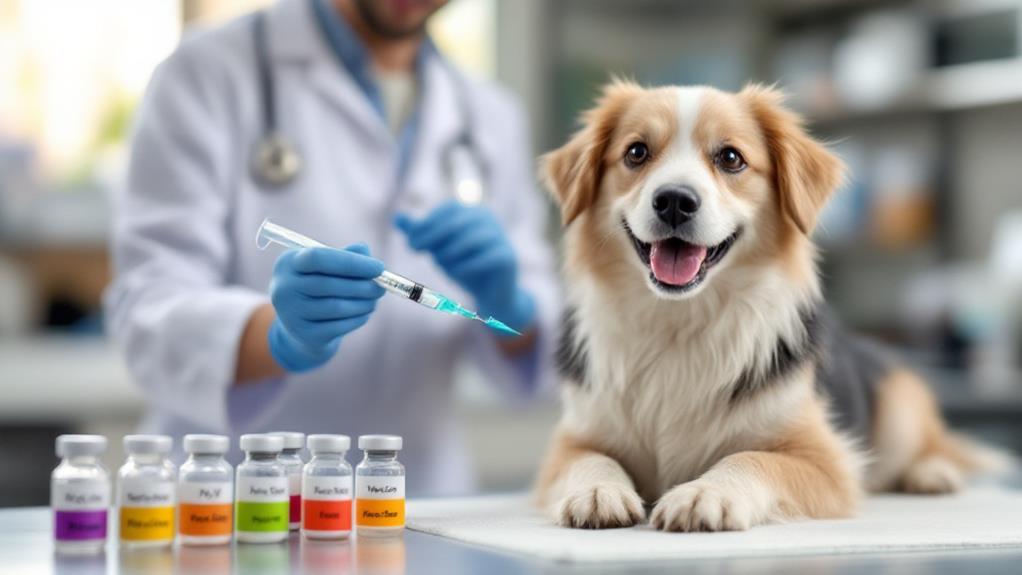
Your dog needs several essential vaccines annually to stay healthy. Core vaccines include DA2PP, which covers distemper, adenovirus, parvovirus, and parainfluenza, in addition to the legally required rabies shot. These form the backbone of your dog's vaccination schedule. Depending on your dog's lifestyle, non-core vaccines like Bordetella and Leptospirosis might also be necessary. It's best to have yearly vet check-ups to keep track of your dog's vaccination needs. Budgeting for these vaccines is wise since treatment costs for preventable diseases can be high. Uncover how these vaccinations benefit your dog's health and well-being.
Essential Vaccines for Dogs
In relation to keeping your furry friend healthy, staying up-to-date with essential vaccines is critical. Core vaccines, like the DA2PP and rabies vaccine, play a fundamental role in safeguarding your dog against severe illnesses. The DA2PP vaccine is necessary as it protects against distemper, adenovirus, parvovirus, and parainfluenza—diseases that have no known cures. Rabies vaccination is not only vital for health but also legally required in most U.S. regions, underscoring its significance.
Besides core vaccines, non-core vaccines could be needed based on your dog's lifestyle. For example, if your dog frequently interacts with other animals, the Bordetella vaccine for kennel cough and the Leptospirosis vaccine might be recommended.
Puppy vaccinations usually begin at 6-8 weeks of maturity, initiating a vaccination schedule that includes timely booster shots. These boosters are often required every 1-3 years, tailored to the specific vaccine and your dog's risk profile. Regular veterinary check-ups are indispensable for evaluating which vaccines your dog needs each year. These visits guarantee that your dog remains protected against potential threats, maintaining their health and happiness.
Annual Vaccine Schedule
Your dog's annual vaccine schedule is vital in maintaining their health and preventing serious diseases. Core vaccines, like rabies and the DA2PP (distemper, adenovirus, parvovirus, and parainfluenza), are fundamental for ongoing protection. Rabies is often legally required, with initial shots at 12 weeks and boosters every 1-3 years depending on local rules. Meanwhile, the DA2PP vaccine helps shield your dog from multiple threats in one go. During your dog's annual vaccinations, your vet will review and update these core vaccines as needed.
Annual veterinary check-ups are a perfect time to discuss your dog's vaccination records. These visits allow you to verify all necessary vaccines are current and decide if any non-core vaccines are needed based on your dog's lifestyle. Keeping a detailed vaccination tracker is vital for staying organized and prepared for these discussions.
Here are some tips to maintain your dog's vaccination schedule:
- Stay organized: Keep a detailed record of all vaccinations and boosters.
- Consult your vet: Use annual check-ups to discuss your dog's specific vaccination needs.
- Be proactive: Schedule vaccinations ahead of time to avoid lapses in protection.
Non-Core Vaccination Options
When considering non-core vaccines for your dog, lifestyle and exposure risk play a significant role in decision-making. These vaccines are optional but fundamental for dogs with specific needs. Common non-core vaccines include those for kennel cough in dogs (Bordetella), Leptospirosis, Lyme disease, canine influenza (H3N2 and H3N8 strains), and the rattlesnake vaccine. Each of these vaccines is tailored to individual needs based on your dog's environment and activities.
Kennel cough, caused by Bordetella, is highly contagious and often required by boarding facilities, dog parks, and grooming services. If your dog frequently interacts with other dogs, this vaccine is a wise choice. Leptospirosis, a bacterial infection, poses serious health threats such as kidney and liver failure. It's even transmissible to humans, making vaccination critical for at-risk dogs. Canine influenza vaccines protect against the highly contagious H3N2 and H3N8 strains, necessary for dogs regularly exposed to other dogs in social settings.
Non-core vaccines generally need annual boosters, unlike some core vaccines with longer intervals. Regular veterinary consultations are imperative to assess your dog's specific risks and guarantee their vaccination schedule is up to date, providing ideal protection.
Vaccine Cost and Planning
Planning for your dog's vaccinations involves understanding both the costs and scheduling required for maintaining their health. Core vaccines, fundamental for protecting against preventable diseases, generally cost between $75 and $150 annually. This cost can vary based on where you live and the specific vaccines needed. For example, the DHPP vaccine usually runs about $25 per shot, while the rabies vaccine is typically priced between $15 and $20. Non-core vaccines might be more expensive due to lower demand and regional pricing differences.
Budgeting for vaccines is a significant aspect of responsible pet ownership. The cost of treating preventable diseases often surpasses the expense of annual vaccinations, making it critical to prioritize these in your planning. Here are a few tips to help you manage these costs:
- Explore low-cost or free vaccine clinics: Local shelters often offer these as an alternative to regular veterinary visits.
- Schedule annual vaccinations: Keeping a regular schedule helps prevent costly emergency treatments.
- Research and compare prices: Look for competitive pricing in your area to guarantee you're not overspending.
Monitoring Post-Vaccination
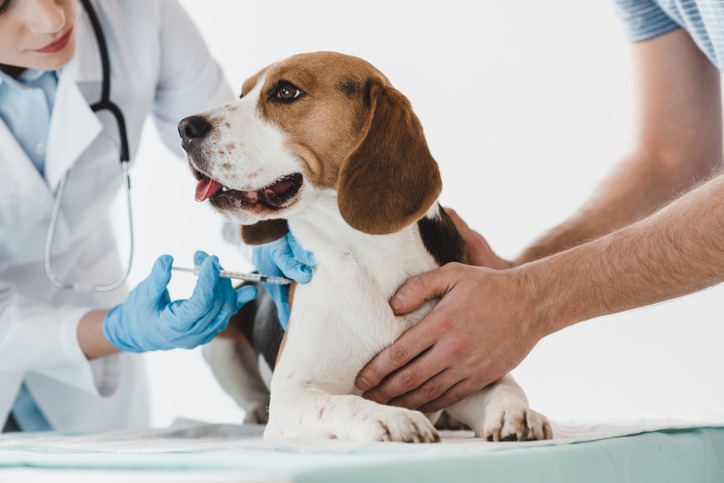
Vigilance is key after your dog receives vaccinations. Monitoring your pup for adverse reactions is important, as these can occur within minutes to hours. Keep an eye out for symptoms like vomiting, diarrhea, or difficulty breathing. While mild reactions, such as swelling at the injection site or decreased energy, are common and typically resolve within 24-72 hours, any persistent symptoms warrant a call to your veterinarian. Your dog's well-being depends on quick recognition of unusual behavior and seeking medical attention promptly if needed.
A thorough vaccination history is invaluable. Documenting any past reactions helps your veterinarian make informed decisions for future vaccinations. Regular check-ups are necessary to assess your dog's general health post-vaccination and determine if supplementary care is necessary. This proactive approach guarantees your dog remains healthy and any potential side effects are managed effectively.
Educate yourself about possible side effects and maintain a keen eye on your dog's behavior post-vaccination. This vigilance not only guarantees your pet's well-being but also prepares you to act swiftly if adverse reactions occur. Remember, your attentiveness and timely communication with your veterinarian play an important role in maintaining your dog's health and happiness.
Addressing Vaccine Myths
Understanding the truth about vaccines is essential for your dog's health and safety. Many common misconceptions surround the topic of vaccinations, but it's significant to know that vaccines protect your pet from numerous serious diseases. They are rigorously tested for safety and efficacy before approval, guaranteeing they contribute effectively to disease prevention. While some worry about side effects, they are generally mild and temporary. The significance of vaccination far outweighs these potential side effects, enhancing your dog's overall health and longevity.
Vaccines are a key part of maintaining canine health, particularly through annual vaccinations. They stimulate your dog's immune response, preparing it to fight off infections. However, it's important to keep in mind that if your dog is sick or immunosuppressed, it might not respond adequately to vaccines. This highlights the need for regular veterinary assessments to guarantee optimal pet health.
Here are some myths debunked:
- Vaccines cause more harm than good: This is false; they are vital for disease prevention.
- Vaccines cause autism in pets: No scientific evidence supports this claim.
- Annual vaccinations aren't necessary: Regular vaccines are crucial for ongoing protection.
Keep your furry friend safe by prioritizing their vaccinations.