What Type of Land Is Best for Horses? A Guide for New Owners
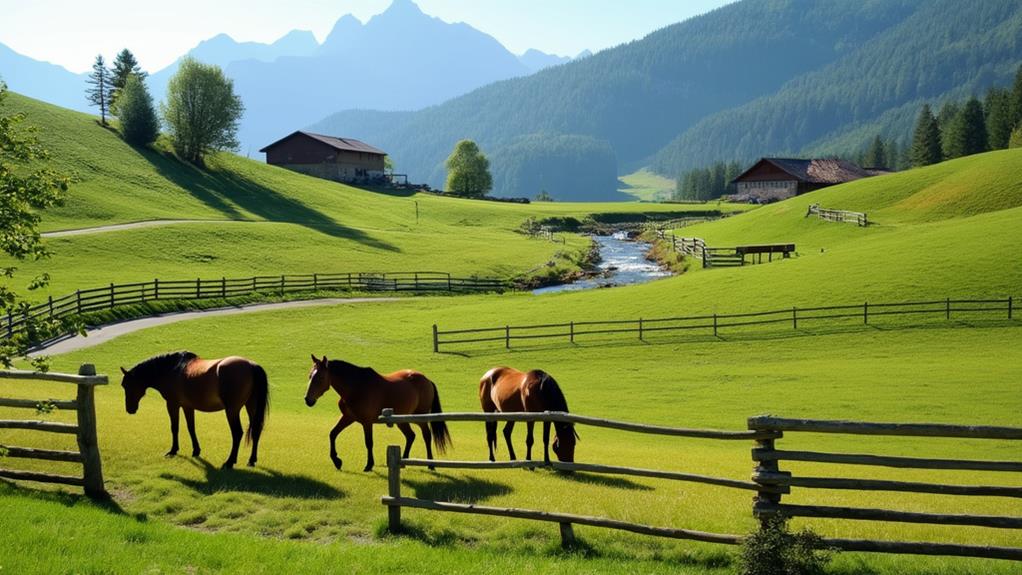
You'll need at least 2 acres of well-maintained land per horse to guarantee they have enough space for grazing and exercise. Choose land that's free of hazards like sharp objects and toxic plants. Good soil quality and drainage are essential for healthy pastures. Secure fencing with a height of at least 5 feet is needed to keep your horses safe, while reliable water sources are critical, as horses drink up to 24 gallons daily in hot weather. Don't forget a sturdy shelter to protect them from harsh weather. There's more to uncover about creating the ideal environment for your horses.
Key Takeaways
- Ensure the land has at least 2 acres per horse to prevent overgrazing and support healthy pasture management.
- Choose land with good drainage and soil quality to provide safe grazing conditions and reduce health risks for horses.
- Verify the area is free from hazards like toxic plants, sharp objects, and trash to maintain a safe environment.
- Install secure fencing at least 5 feet high for light breeds and 6 feet for stronger horses, using durable materials.
- Provide reliable water sources, ensuring horses have access to 5-10 gallons daily, increasing in hot weather.
Assessing Land for Horse Safety
In relation to evaluating land for horse safety, you need to make sure the area is free from hazards like trash, sharp objects, and toxic plants to keep your horses safe and healthy. Maintaining a clean environment is critical for preventing injuries and potential health issues. Inspect the property for horses by appraising land thoroughly. Guarantee secure fences and gates; they should be at least 5 feet high for light breeds and 6 feet for stronger horses to prevent escape and potential accidents.
Soil quality and drainage are important aspects to take into account. Carefully evaluate these factors to create a safe and healthy grazing environment. Poor soil can lead to inadequate forage, while poor drainage might result in muddy conditions that can harm your horses' hooves. Continuous monitoring of the land is significant. Regularly check for new hazards that might emerge and keep up with pasture management to prevent overgrazing.
For extensive horse care, consider professional inspections to confirm your property meets all safety standards. This extra step can provide peace of mind, verifying that the land is suitable for your horses' living conditions and well-being.
Managing Pasture Space
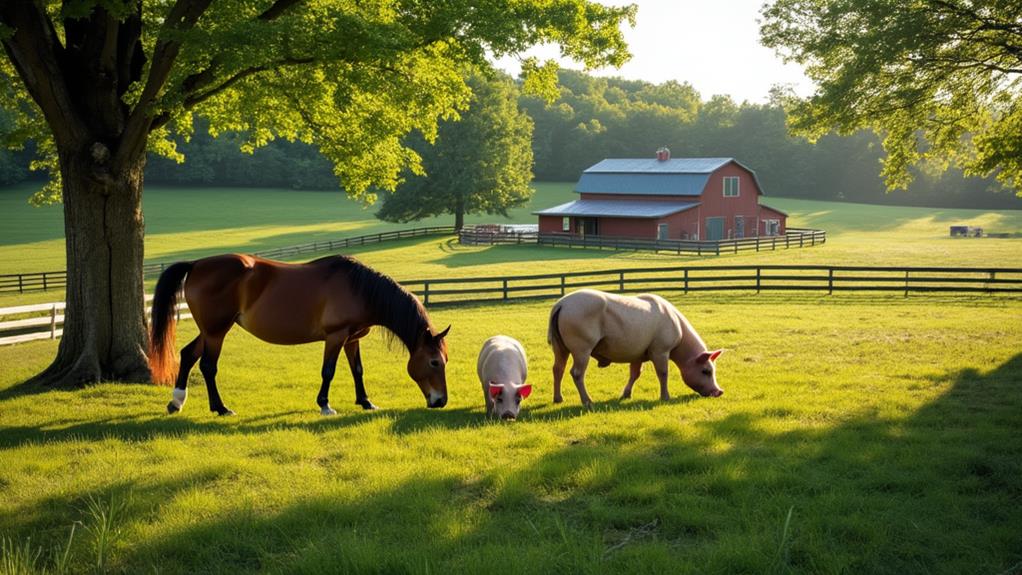
In regards to managing pasture space, guaranteeing each horse has at least 2 acres of well-maintained land is fundamental to avoid overgrazing and maintain a healthy environment. This acreage per horse allows for adequate grazing and supports their well-being. Practicing rotational grazing is a smart strategy to keep your pasture space lively. By rotating your horses between different sections, you allow forage to recover, maintaining a healthy vegetative cover and preventing soil degradation. Regularly inspect your pastures for toxic plants and guarantee proper drainage, as both are essential for healthy grass growth.
Maintaining the grass height at 6-8 inches not only provides ideal nutrition but also encourages robust root systems. Remember, daily turnout and exercise are critical for your horses' physical and mental health, so managing your pasture space wisely is key. This involves balancing pasture access with the land's size and quality. Aim for at least 50% vegetative cover to guarantee your horses have enough forage and to maintain the pasture's longevity. Proper management of pasture space not only supports your horses' well-being but also sustains the land's productivity for years to come.
Providing Adequate Shelter
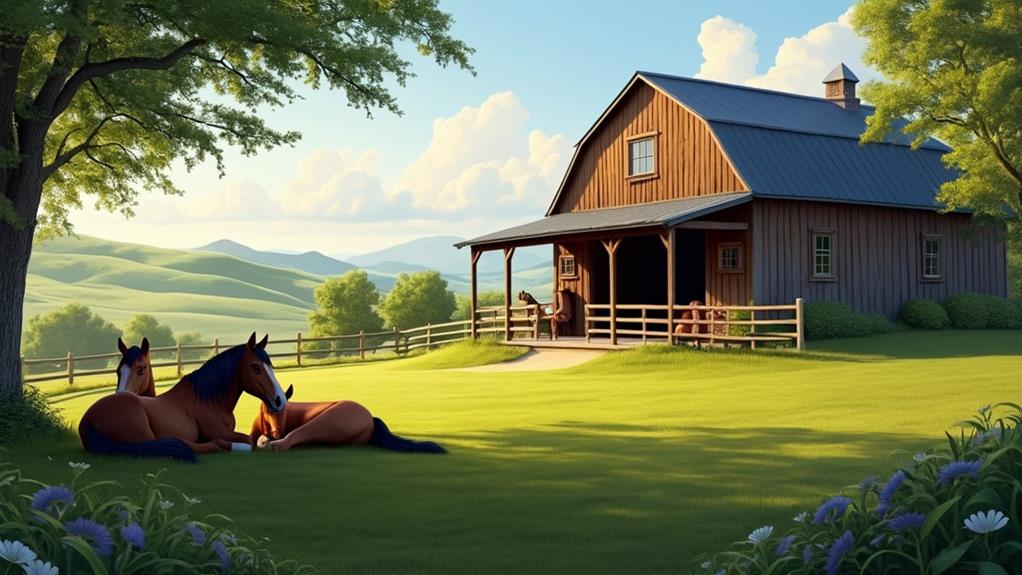
A well-designed shelter is vital for your horses' comfort and safety during harsh weather conditions. To protect them effectively, consider constructing a shelter with a roof and at least three sides. This setup shields your horses from wind and precipitation, guaranteeing they remain safe and cozy. A run-in shed is highly recommended as it provides free-choice access, letting your horses move in and out as they please. This promotes exercise and reduces maintenance needs, aligning perfectly with your horses' needs.
When building a shelter, prioritize using suitable materials that are durable and safe. Confirm the structure offers proper ventilation by including large front openings. This design encourages airflow and easy access, contributing to a healthy environment for your horses. Furthermore, the shelter should be spacious enough for comfortable movement, allowing for grooming and, when necessary, separation of horses.
Regular maintenance of the shelter is vital. By routinely cleaning and repairing any damage, you can prevent potential injury hazards and maintain a safe, healthy space for your horses. Keeping up with these tasks guarantees your horses have a reliable and protective shelter, no matter the weather.
Ensuring Reliable Water Sources
Reliable water sources are fundamental for your horses' health, as their hydration needs can greatly vary with weather and activity levels. Horses can drink an average of 5 to 10 gallons daily, and this amount can spike to 18-24 gallons during hot weather or after exercise. Ensuring your horses have easy access to reliable water sources like troughs or automatic waterers is imperative. Automatic waterers are particularly useful as they provide a consistent supply, reducing the need for daily refills.
In colder weather, horses might drink less, so consider using heated water buckets or automatic watering units to keep the water warm and appealing. Regularly monitoring these water sources is essential for maintaining cleanliness and preventing health issues. Dirty water can lead to problems like colic, so always check for signs of contamination. Position your water sources wisely to minimize the risk of contamination from runoff or waste, ensuring they're in a clean and safe area.
Choosing the Right Fencing
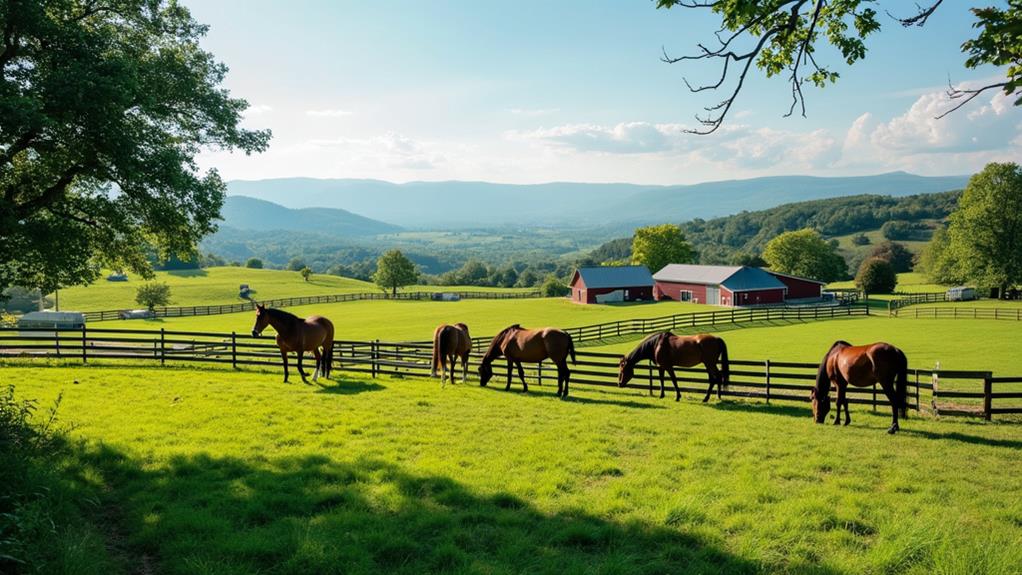
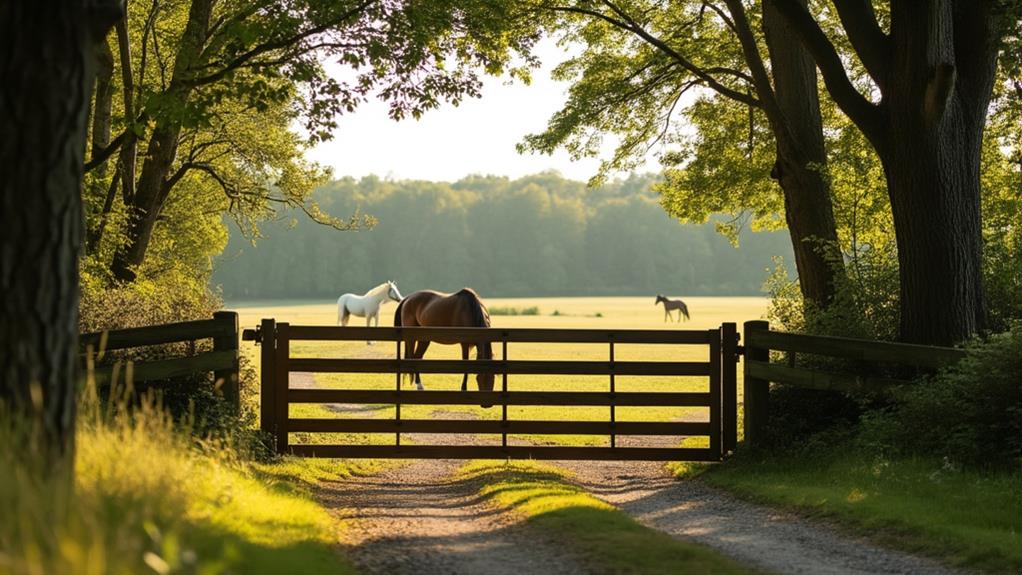
Selecting the right fencing is vital for your horses' safety and containment. You want to choose fencing materials that guarantee both durability and peace of mind. Consider options like wooden board, pipe, wire, PVC, and electric fencing. Each has its pros and cons, so evaluate them carefully to find the best fit for your horses. A sturdy fence with a height of at least 5 feet for lighter breeds and 6 feet for stronger ones is recommended to prevent escapes.
Spacing between fence posts should be no more than 12 feet apart. This guarantees structural integrity and minimizes escape opportunities. Adding an electric wire can be a great deterrent, preventing horses from pushing against the fence and enhancing overall security.
Regular inspections and maintenance are imperative. Without them, wear and damage might lead to escapes and safety hazards. Here's what you need to keep in mind:
- Height Matters: Verify your fencing meets the height requirements for your horse breeds.
- Material Choice: Evaluate and choose the best fencing materials for your needs.
- Spacing: Keep fence post spacing under control for structural integrity.
- Regular Maintenance: Conduct frequent inspections to catch potential problems early.
Meeting Dietary and Care Needs
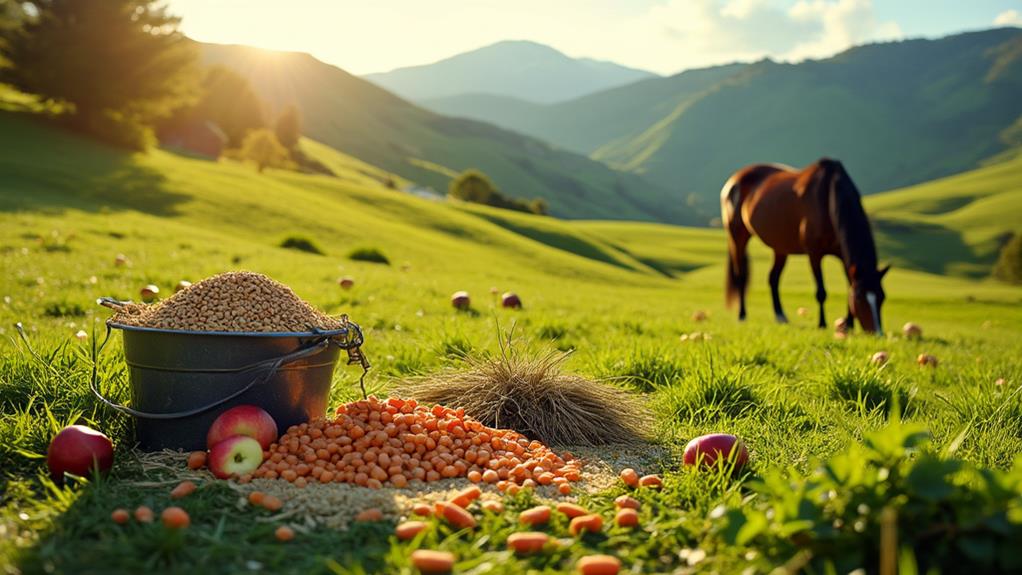
While securing your horses with proper fencing is crucial, ensuring they thrive involves meeting their dietary and care needs. A good rule of thumb is to provide at least 2 acres of well-maintained pasture per horse. This supports their grazing habits and helps meet their dietary needs, promoting overall well-being. Grazing naturally fulfills most of the horses' nutritional needs, but you should also focus on feeding roughage like grass and hay. Grain can supplement their diet depending on their activity levels and specific dietary requirements.
Water supply is another important aspect. Horses need between 5 to 10 gallons of water daily, and in hot weather, this can increase to 18-24 gallons. Ensuring a reliable water source on your land is critical for their health. Furthermore, pasture quality needs regular assessment. Implement effective grazing management practices and monitor for toxic plants to maintain a safe environment. Special dietary considerations, especially for ponies and older horses, are necessary. Collaborating with a veterinarian can help create tailored feeding plans, preventing issues like colic and ensuring proper nutrition. By focusing on these aspects, you'll support your horses' health and happiness.
Understanding Horse Property Regulations
Maneuvering through the maze of local horse property regulations is essential for guaranteeing a smooth and compliant horse ownership experience. Zoning laws vary markedly by locality, dictating how many horses you can have based on your lot size. For example, some areas allow two horses per half-acre, so understanding these specifics is important for effective property management. Investigate local regulations early on to determine if you'll need permits for horse ownership, especially in more urbanized zones. Furthermore, compliance with environmental regulations, like stormwater management plans, is crucial for running a sustainable horse facility.
Don't overlook community requirements, which might restrict commercial activities involving non-family members. You could face unexpected challenges if you're unaware of these restrictions. Stay informed about any recent changes to zoning laws, as these could directly impact your land use and horse property plans. Here's a list to guide your expedition:
- Understanding Zoning Laws: Guarantee compliance by knowing how many horses you're allowed.
- Check for Necessary Permits: Avoid fines by confirming permit requirements in your area.
- Environmental Compliance: Implement sustainable practices for long-term success.
- Stay Updated: Regularly check for any changes in local regulations.