What Should You Never Feed Your Cat? Dangerous Foods to Avoid
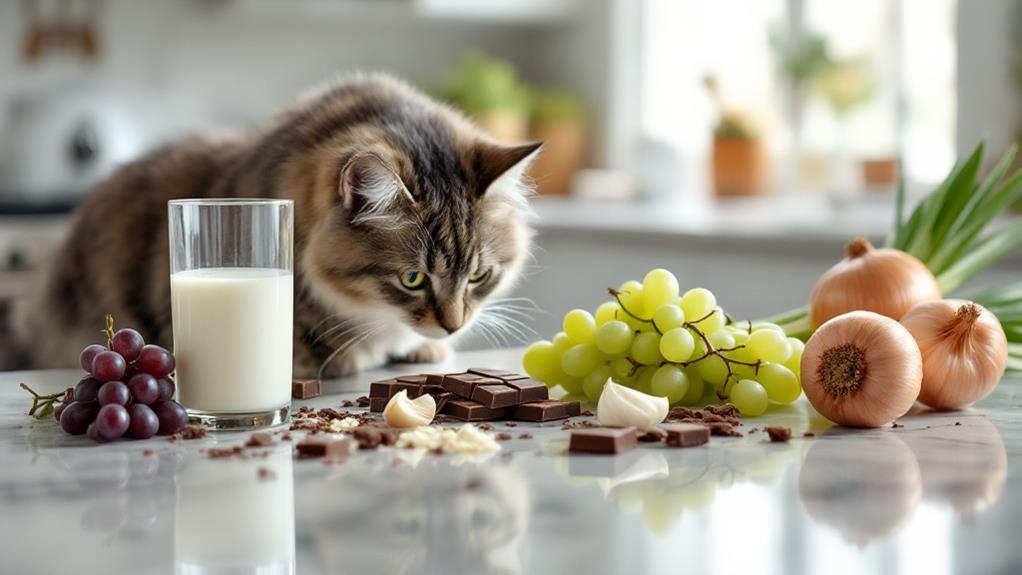
You should never feed your cat onions, garlic, grapes, or chocolate. These foods can cause severe health issues, such as anemia or kidney failure, and can be fatal. Avoid raw eggs and meat due to bacteria and toxins that can disrupt your cat's digestion. Alcohol and raw dough are also hazardous, causing intoxication and bloating. Dairy products often lead to stomach upset since many cats are lactose intolerant. Don't give dog food to cats, as it lacks crucial nutrients. Instead, guarantee a balanced diet tailored for your cat's needs. There's more to learn about keeping your feline safe and healthy.
Onions and Garlic
Onions and garlic are harmful ingredients that should never be part of your cat's diet. Both contain thiosulfate, a substance toxic to cats, leading to oxidative damage to their red blood cells. This damage can result in anemia, which is a serious health concern. Symptoms of toxicity include weakness, vomiting, lethargy, and pale gums. If your cat's urine turns dark red, it indicates severe anemia, and immediate veterinary attention is vital.
Garlic poses an even greater risk than onions, as it's five times more potent. This means even a small amount can be harmful if consumed. All forms of onions and garlic—whether raw, cooked, powdered, or found in processed foods—are dangerous to cats. That's why it's important to avoid them entirely in your cat's meals.
If you suspect your cat has consumed onions or garlic, watch for these symptoms and act quickly. Timely intervention can greatly improve your cat's chances of recovery. Never underestimate the risks associated with these foods, and make sure they're kept well away from your furry friend's diet. Keeping your cat safe means being vigilant about what they eat.
Raw Eggs and Meat
When it comes to feeding your cat, raw eggs and meat can be risky choices. Raw eggs may contain harmful bacteria like Salmonella, leading to severe gastrointestinal issues such as vomiting and diarrhea. Furthermore, they contain an enzyme called avidin, which can interfere with biotin absorption, potentially causing skin and coat problems over time. Consequently, while cooked eggs can be a nutritious treat, raw eggs should be avoided unless a veterinarian recommends them in a balanced raw diet.
Raw meat also poses significant risks, as it can be contaminated with Salmonella and E. coli. These bacteria can lead to similar gastrointestinal symptoms as those from raw eggs. In addition, raw fish can destroy thiamine (vitamin B1), potentially causing neurological issues like seizures and lack of coordination in cats. The dangers of feeding raw meat extend beyond your cat; cross-contamination can pose a risk to humans, especially if proper handling and hygiene aren't maintained.
To keep your cat safe, opt for cooked meat and eggs, which eliminate the risk of harmful bacteria. Always consult with your veterinarian if you're considering incorporating raw foods into your cat's diet to verify it's safe and balanced.
Chocolate and Caffeine
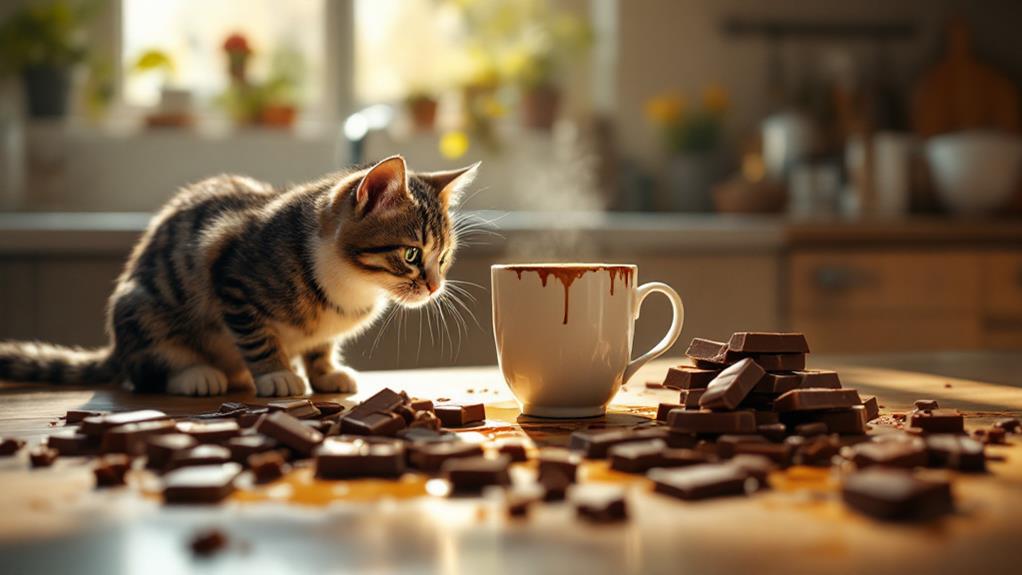
Chocolate and caffeine are serious threats to your cat's health. Both contain methylxanthines, specifically theobromine and caffeine, which are highly toxic to felines. Even a small amount of chocolate can lead to severe symptoms like vomiting, seizures, and even death. Dark chocolate is particularly dangerous; for an 8 lb. cat, just 0.5 oz. can be toxic, while 1.14 oz. of milk chocolate also poses serious risks.
Caffeine, commonly found in coffee, tea, and energy drinks, is similarly hazardous. No amount is safe for feline consumption. It can cause restlessness, rapid heart rate, muscle tremors, and may be fatal. Symptoms of poisoning include diarrhea, vomiting, weakness, and a rapid heart rate. If your cat ingests chocolate or caffeine, it's imperative to seek immediate veterinary attention.
To protect your cat, keep chocolate and caffeine well out of reach. Even small amounts can trigger significant health issues, requiring emergency care. Remember, prevention is key to ensuring your pet's safety. By keeping these dangerous substances away from your cat, you can prevent potential tragedies and maintain their well-being.
Alcohol and Raw Dough
While chocolate and caffeine pose significant threats to your cat's well-being, alcohol and raw dough are comparably perilous. Even small amounts of alcohol can lead to severe symptoms in cats, such as vomiting, tremors, disorientation, and potentially a coma. In fact, just two teaspoons of whisky can induce a coma in a 5-pound cat. Raw dough is likewise dangerous; it can expand in your cat's stomach, causing painful bloating and potentially life-threatening gastrointestinal obstructions. As the dough ferments, it produces alcohol, worsening the risk.
If your cat ingests alcohol or raw dough, immediate veterinary care is essential. Look out for these symptoms of alcohol poisoning:
- Central nervous system depression - Your cat might appear lethargic or unresponsive.
- Respiratory failure - Difficulty breathing is a serious sign.
- Severe metabolic disturbances - This can affect your cat's general bodily functions.
- Vomiting and disorientation - These are early indicators that something is wrong.
Raw dough ingestion can cause severe pain and discomfort. Approximately 25% of affected pets may recover within two hours with timely medical intervention. Always keep alcohol and raw dough out of your cat's reach to prevent these dangerous situations.
Milk and Dairy Products
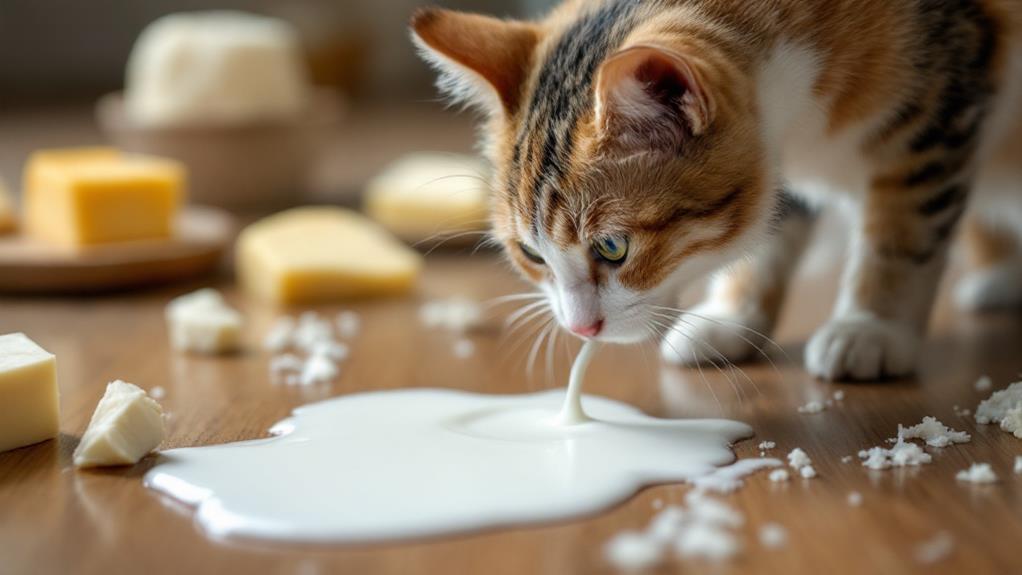
Many cats can't handle milk and dairy products due to lactose intolerance. Cats are lactose intolerant because they lack the enzyme lactase, necessary for digesting lactose found in milk. Without this enzyme, your cat is likely to experience digestive issues, including an upset stomach and diarrhea. Even though some cats might tolerate small amounts of dairy, it's generally not recommended. The possibility of gastrointestinal discomfort and digestive upset isn't worth the risk.
After weaning, a cat's exposure to lactose is minimal, and their ability to process dairy decreases. This indicates that milk and dairy products aren't a natural part of their diet. Symptoms of lactose intolerance can include bloating and loose stools, making dairy products unsuitable for most cats. If you want to treat your cat, consider alternatives like lactose-free milk or specially formulated cat treats. These options allow you to spoil your furry friend without the worry of lactose-related issues.
Grapes and Raisins
After considering the risks associated with milk and dairy products, let's focus on another significant dietary hazard for cats: grapes and raisins. These seemingly harmless snacks are actually highly toxic to our feline friends and have been linked to acute kidney failure, even when consumed in small amounts. It's vital to understand the severity of this issue to keep your cat safe.
When a cat consumes grapes or raisins, symptoms of toxicity can manifest, though not always immediately. Look out for:
- Vomiting - One of the initial signs your cat might show.
- Lethargy - A sudden drop in energy and activity levels.
- Diarrhea - An upset stomach is a common reaction.
- Acute Kidney Failure - The most severe consequence, potentially leading to death.
The exact mechanism of toxicity in grapes and raisins remains unknown, so there's no safe quantity for your cat. If you suspect your cat has ingested these dangerous foods, immediate veterinary care is imperative. The ASPCA advises against feeding grapes and raisins to cats, highlighting the importance of staying informed about such dietary threats. Protect your beloved pet by ensuring these foods are kept far out of reach.
Uncooked Potatoes and Tomatoes
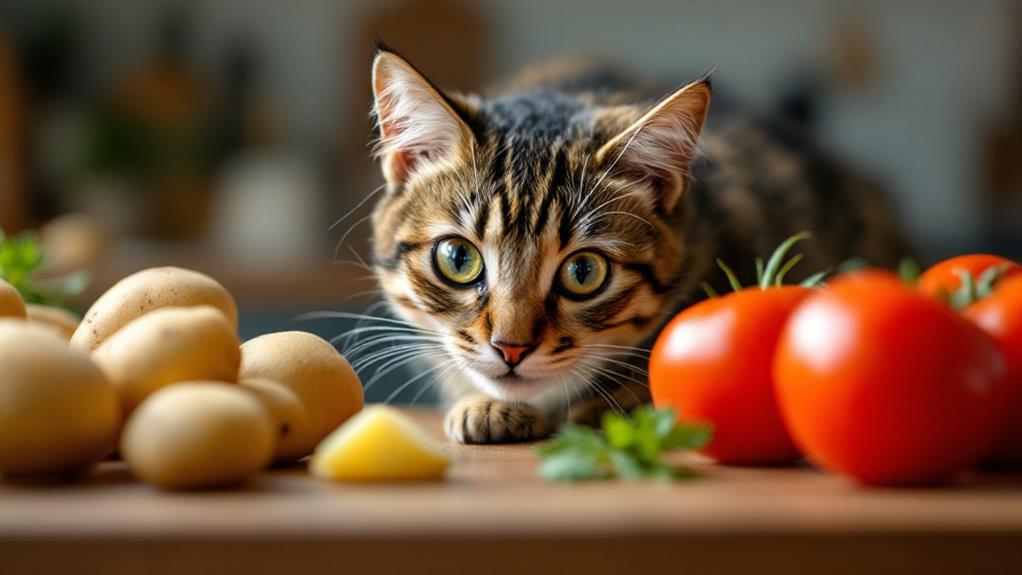
Some foods that seem harmless can actually pose serious dangers to your cat, and uncooked potatoes and tomatoes are among them. Both contain solanine, a toxic compound that can lead to severe health issues in cats. Uncooked potatoes, especially their green parts, are particularly high in solanine, and even small amounts can cause significant problems. If your cat ingests uncooked potatoes, you might notice symptoms like gastrointestinal distress, vomiting, and diarrhea. In severe cases, solanine can cause cardiac problems or hallucinations, putting your cat in grave danger.
Raw tomatoes also share this toxic trait. Though they might seem like a healthy snack, raw tomatoes can lead to similar symptoms in cats, including vomiting and diarrhea. The risk of accidental ingestion is high, especially if you leave these foods out in the open.
While cooking potatoes and tomatoes can remove the toxic effects of solanine, it's best to avoid feeding them to your cat altogether. Always keep uncooked potatoes and raw tomatoes out of your cat's reach to prevent accidental ingestion and potential poisoning. Your cat's safety is paramount, and steering clear of these foods can help guarantee their well-being.
Yeast Dough Dangers
Yeast dough poses a significant risk to your cat's health due to its ability to expand in the stomach, leading to painful bloating and potentially life-threatening conditions. When your cat ingests yeast dough, it can cause a dangerous gas buildup. This can lead to significant discomfort and may require emergency veterinary intervention.
When yeast ferments inside your cat's stomach, it produces alcohol. This alcohol is then absorbed into the bloodstream, leading to severe toxicity. Your cat may show symptoms such as disorientation and vomiting. Immediate care is imperative if you suspect your cat has eaten yeast dough, as even a small amount can be hazardous.
Here are some key points to remember:
- Gas buildup from expanding dough can cause severe pain.
- Alcohol production from fermentation leads to toxicity.
- Gastrointestinal obstruction may occur, requiring surgical intervention.
- Unusual behavior like pacing or vocalizing indicates distress.
If your cat displays unusual behavior or signs of pain after ingesting yeast dough, it's important to act quickly. These symptoms could signal life-threatening conditions, and prompt treatment is crucial to prevent serious complications, including the need for surgical intervention.
Dog Food Risks
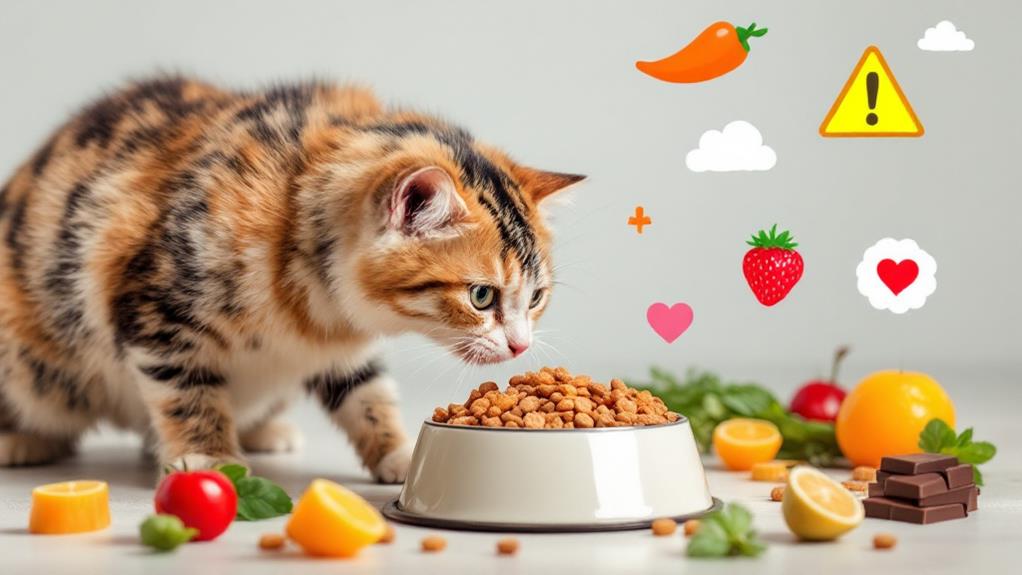
Dog food might seem like an easy alternative to cat food, but it poses considerable risks to your feline friend. While both cats and dogs are beloved pets, their dietary needs differ greatly. Dog food lacks crucial nutrients like taurine, fundamental for your cat's heart and eye health. Without taurine, your cat could face serious health issues like heart disease and vision problems.
Feeding your cat dog food regularly can lead to malnutrition. Cats require higher protein levels than dogs, and dog food just doesn't meet those needs. This imbalance can result in weakened muscles and a noticeable decline in your cat's general health. Your feline friend needs a diet specifically formulated to meet their unique nutritional requirements.
Moreover, many dog foods contain harmful ingredients or fillers such as certain grains, which can be tough for cats to digest. While an occasional nibble might not harm your cat immediately, relying on dog food instead of a proper cat diet can lead to long-term nutritional deficiencies. Always prioritize your cat's health by choosing a balanced diet designed to provide all the crucial nutrients they need to thrive.