What Foods Should You Never Give to Birds? A Guide for Pet Owners
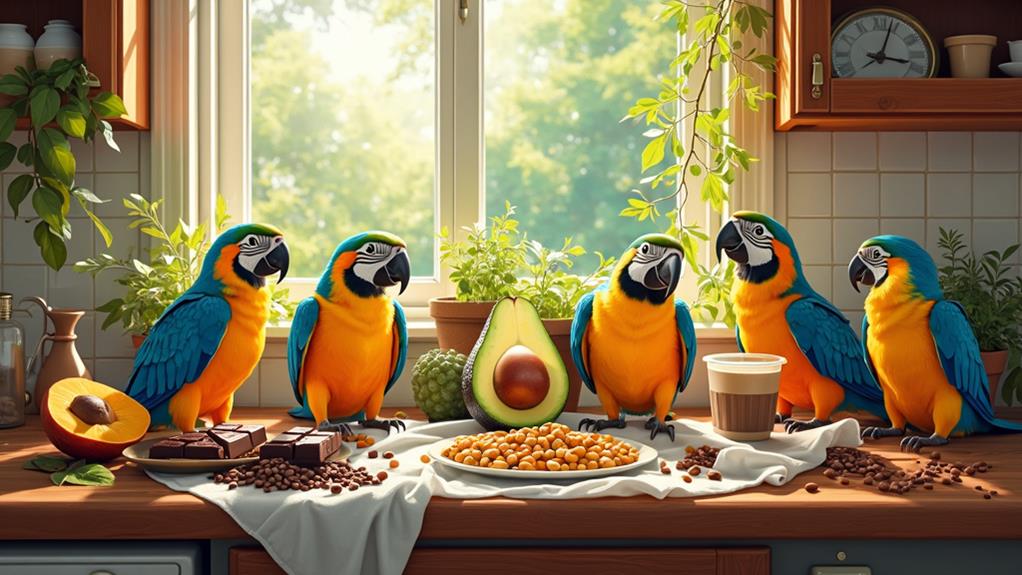
Keep your pet bird safe by avoiding foods that can be harmful. Don't give them chocolate or avocado, as both are highly toxic. Stay clear of onions, garlic, and uncooked dry beans, which can cause severe health problems. Avoid feeding birds grapes, raisins, and fruits like apple seeds and cherry pits that contain cyanide. Be cautious with nuts like macadamias and bitter almonds. Processed snacks high in salt and sugar pose risks, while caffeine and alcohol can be fatal. Birds are lactose intolerant, so skip dairy products. These guidelines help guarantee your feathered friend's well-being and there's much more to investigate.
Key Takeaways
- Chocolate contains theobromine, highly toxic to birds and can cause vomiting, diarrhea, seizures, and potential death.
- Avocado's persin can cause heart failure in birds; all parts are harmful, including leaves and seeds.
- Onions and garlic can lead to digestive issues and anemia; even small amounts are dangerous.
- Alcohol and caffeine are harmful, causing organ depression and cardiac problems; there is no safe amount for birds.
- High-fat and processed foods can cause obesity and heart disease; avoid salt, sugar, and xylitol.
Toxic Foods Overview
Regarding feeding birds, it's vital to know which foods are toxic. Many common foods can pose severe threats to your pet birds. Chocolate, for instance, contains theobromine, a compound highly toxic to their digestive system. It can cause severe distress and even seizures in birds. Another dangerous food is avocado. The presence of persin makes it particularly hazardous, as it can lead to heart failure, especially in small birds. Every part of the avocado, including the skin and pit, is harmful.
Onions and garlic are also on the list of toxic foods. Regardless of being raw or cooked, they can cause vomiting, diarrhea, and long-term anemia in birds. Even small amounts can lead to serious health issues. Dry beans contain hemagglutinin, a toxin that can be lethal if not cooked properly. It's vital to confirm beans are thoroughly cooked and never given raw.
Keeping your pet birds safe involves understanding these risks and guaranteeing their diet is free from these highly toxic items. By doing so, you safeguard their health and well-being, allowing them to thrive without the threat of these dangerous foods.
Alcohol and Caffeine Risks
In regard to keeping your feathered friends safe, steering clear of alcohol and caffeine is fundamental. Alcohol, regardless of whether it's beer, wine, or spirits, is not safe for birds. Even a small sip can severely depress their organ systems, often leading to fatal outcomes. There's no safe amount of alcohol for birds, so it's important to keep any alcoholic beverages far from their reach. Unattended drinks pose a significant risk, as curious birds might take a sip, leading to alcohol poisoning and serious health issues.
Caffeine is another substance that's toxic to birds. Found in coffee, tea, and soda, caffeine can cause increased heart rates and arrhythmias, potentially resulting in hyperactivity and even cardiac arrest. Birds are particularly sensitive to caffeine, and even a tiny amount can lead to serious health issues. As a result, it's important to guarantee that caffeinated beverages are always kept away from your pets.
Understanding these risks is crucial for maintaining pet health. By being vigilant and educating yourself on what's safe for birds, you can prevent accidental exposure to these toxic substances and guarantee a long, healthy life for your feathered companions.
Avocado and Chocolate Dangers
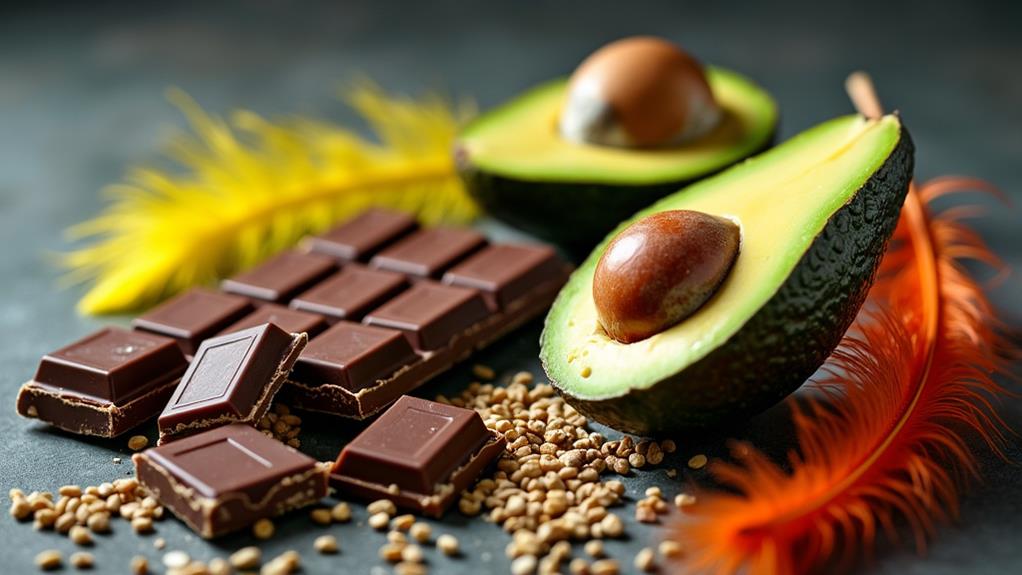
In regards to guaranteeing the safety of your pet birds, avocados and chocolate are two foods you should never allow in their diet. Avocado contains persin, a compound that's toxic to birds. Even a small amount can lead to severe health issues, especially for smaller species. Breathing difficulties and heart failure are potential risks that make avocado a particularly dangerous food for your feathered friends.
Chocolate, on the other hand, contains theobromine, which poses its own set of dangers. When a bird ingests chocolate, they might experience symptoms such as vomiting, diarrhea, and seizures. In larger quantities, chocolate can be fatal. It's important to recognize how even minor ingestion of these foods can escalate into serious health crises for your birds.
Symptoms of avocado or chocolate toxicity in birds include lethargy, noticeable changes in behavior, and gastrointestinal distress. If you observe any of these symptoms, immediate veterinary attention is critical. As a responsible pet owner, educating yourself on these dangers is fundamental. Make sure avocados and chocolate are kept completely out of reach to prevent accidental ingestion, safeguarding your birds from these toxic threats.
Alliums: Onions and Garlic
Among the common household ingredients, alliums like onions and garlic are particularly harmful to birds. These seemingly innocuous kitchen staples are, in fact, quite toxic to your feathered friends. Onions, regardless of being raw, cooked, or dried, can lead to severe health issues for birds. You may notice symptoms such as vomiting or diarrhea, and in more serious cases, ingestion can result in hemolytic anemia.
Similarly, garlic is not something you want in your bird's diet. It's toxic and can cause digestive problems and respiratory distress. The harmful effects are dose-dependent, meaning the more they consume, the worse the reaction. Even a small nibble can trigger adverse reactions, so it's vital you enforce strict dietary restrictions.
If your bird accidentally encounters these alliums, keep a close watch for any signs of toxicity. Lethargy or sudden behavioral changes indicate that something might be wrong. Quick action can be pivotal, so monitoring for such symptoms is key. With potential exposure, it's important to maintain vigilance to guarantee your feathered companion's safety and well-being. Remember, avoiding onions and garlic completely is the safest approach.
Dairy Product Concerns
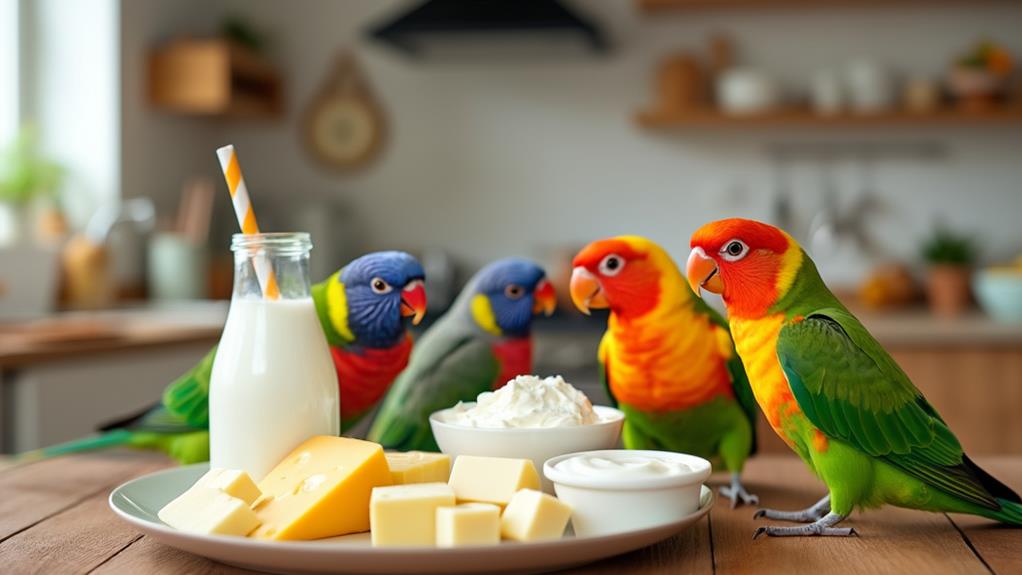
With regard to feeding birds, understanding their dietary restrictions is crucial, especially concerning dairy products. Birds are generally lactose intolerant, which means they struggle to digest dairy products effectively. This can lead to digestive issues like diarrhea and discomfort. While you might think a small piece of low-lactose cheese could be a treat, it's vital to exercise moderation and closely monitor your bird's reaction.
High-fat dairy products pose another risk, potentially contributing to obesity and other related health problems in birds. Obesity can severely impact your bird's quality of life and lead to further complications. As a result, it's best to avoid offering high-fat options altogether, guaranteeing their diet remains safe and healthy.
When considering dairy for your feathered friend, keep in mind that milk, cream, and yogurt should be off the table. These items can cause digestive upset, overshadowing any perceived treat value. Instead, focus on maintaining a balanced diet that fulfills your bird's nutritional needs without unnecessary risks. Dairy products don't provide vital benefits for them, so always prioritize proper nutrition over indulgence. By being mindful of these concerns, you promote your pet bird's well-being and long-term health.
High-Fat and Nut Hazards
When feeding birds, it is vital to be cautious with high-fat foods and nuts, which can lead to obesity and heart disease if consumed excessively. While high-fat foods aren't toxic, they should be given in moderation to avoid potential health issues. Nuts, loved by many birds, must be carefully selected and portioned. For larger birds, limit treats to one unsalted nut per day, while smaller birds should only receive tiny slivers. This helps manage their fat intake and prevents health complications.
It's significant to keep in mind that not all nuts are safe. Macadamia nuts are toxic to birds, and bitter almonds contain cyanide, posing serious health risks. Moreover, salted nuts can lead to sodium poisoning, so always opt for unsalted varieties. In terms of your bird's diet, balance is key. While birds enjoy seeds and nuts, their primary nourishment should come from pellets and fresh foods. Nuts and seeds should only make up a small fraction of their total intake to guarantee they receive the vital nutrients needed for a healthy life. By carefully managing your bird's diet, you can help them thrive and enjoy a long, healthy life.
Unsafe Fruits and Seeds
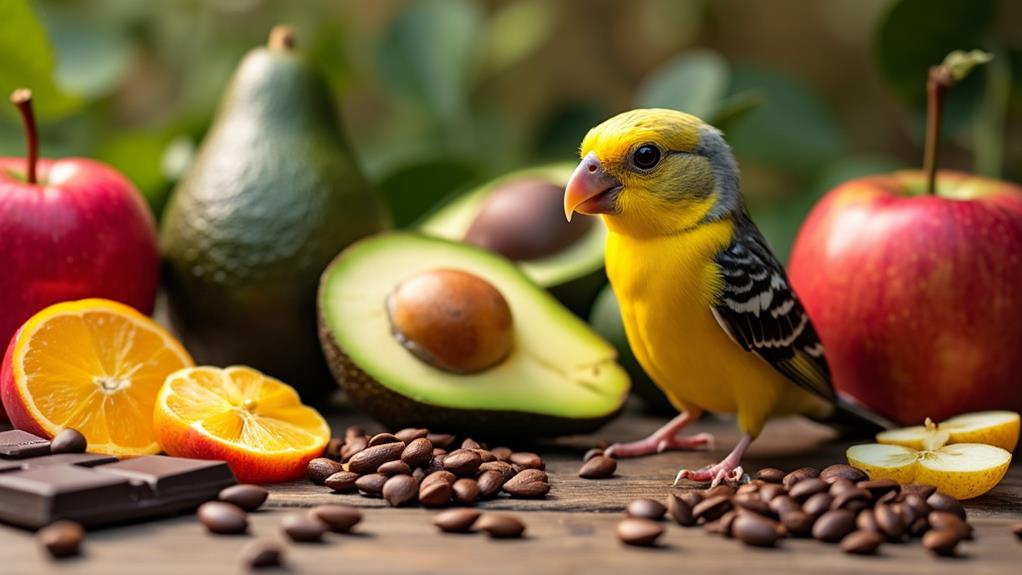
For bird owners, choosing safe fruits and seeds is crucial to prevent health issues. Some fruits and their seeds can be particularly harmful to your pet. Grapes, raisins, and unripe elderberries are examples of unsafe fruits that can lead to kidney failure or vomiting in birds. These fruits pose significant health risks and should be avoided in your pet's diet.
Fruits in the rose family, like apples and peaches, contain seeds and pits filled with cyanogenic compounds. These compounds release cyanide, which is toxic to birds and can dangerously impact their heart functions. Cherry pits and apple seeds are especially notorious for this, making them hazardous choices.
Before serving any fruit to your bird, thoroughly wash it to remove pesticide residues, which can add to the health risks. Peanuts, although popular, also come with dangers. Moldy peanuts can carry aflatoxin, a potent toxin that can be fatal to birds.
Navigating the world of fruits and seeds for your bird doesn't have to be overwhelming. By avoiding these unsafe fruits and seeds, you can protect your feathered friend from the harmful effects and potential health issues these foods can cause.
Dangerous Vegetables
While fruits and seeds pose significant risks, vegetables can be likewise hazardous to birds if not chosen carefully. Some vegetables are downright dangerous and unsafe for consumption. For example, certain mushrooms can cause severe digestive issues and even liver failure in birds, making them toxic. You should also be cautious with plants from the nightshade family. Unripe tomatoes and potatoes contain solanine, a compound toxic to birds, and should be avoided. Although ripe tomatoes are generally safe, their high acidity can still upset your bird's stomach.
Another dangerous vegetable is rhubarb. Its leaves are extremely toxic to birds and can lead to serious health complications if ingested. Even a small amount can pose a significant threat. Hence, it's vital to keep rhubarb leaves out of reach.
Tomato plants pose another risk. While the fruit is usually safe, the leaves, stems, and vines are toxic. This makes them a part of the nightshade family that you should approach with caution. Always verify that any vegetables you offer are fresh, thoroughly washed, and free from harmful parts. Doing so helps prevent toxicity and guarantees your feathered friend's safety.
Processed Foods and Snacks
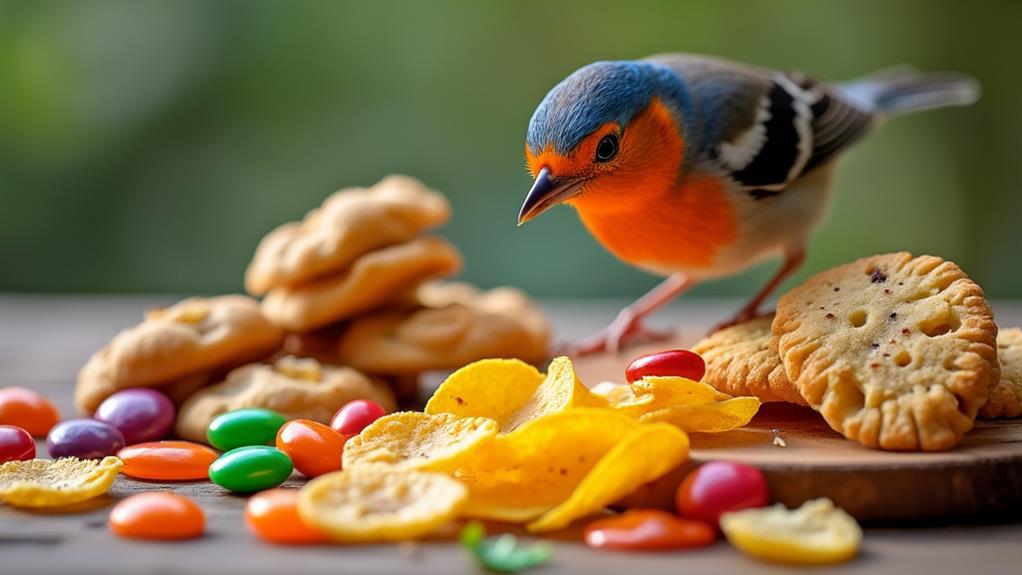
Packed with unhealthy ingredients, processed foods and snacks can pose significant threats to your bird's health. They're typically high in salt, sugar, and preservatives, leading to serious health issues like obesity and heart disease. Birds have delicate systems that don't cope well with these additives. Junk food and fast food, common processed foods, often lack fundamental nutrients that your bird needs to thrive. Even as an occasional treat, these options are unsuitable and can quickly lead to nutritional deficiencies.
Another significant risk is the presence of xylitol, an artificial sweetener found in many processed snacks. Xylitol is highly toxic to birds and should always be avoided. Consuming even small amounts can cause severe reactions, making it important to keep these foods out of your bird's reach. Moreover, processed snacks high in fat contribute to obesity, further increasing the risk of related health complications in your pet bird.
To promote your bird's health and well-being, it's critical to read labels carefully and avoid offering any processed foods with harmful ingredients or excessive additives. Instead, focus on providing a balanced diet rich in natural, nutrient-dense foods that support your bird's general health.