
Unusual and Dangerous Pet Diseases: Rare Conditions to Watch Out For
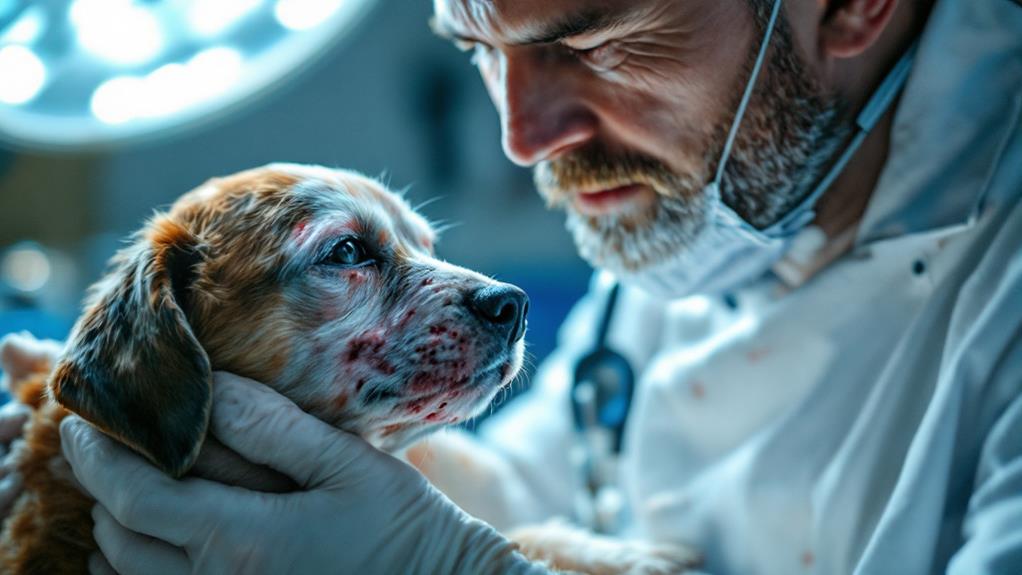
You're responsible for keeping your pets safe from unusual and dangerous diseases that might go unnoticed initially. Dogs can suffer from conditions like Myasthenia Gravis, which weakens their muscles, or Vogt-Koyanagi-Harada Syndrome, affecting their eyes. Cats aren't immune, facing threats such as Feline Leukemia Virus that weakens their immunity. Exotic pets, too, carry risks like Psittacosis in birds, leading to respiratory issues. Keep an eye on behavioral changes and maintain regular vet check-ups to catch these sneaky ailments early. Staying informed and vigilant guarantees you're ready for the unexpected challenges pet owners may encounter.
Rare Canine Health Threats
Regarding rare canine health threats, it's important to be aware of conditions like Alopecia X, Ectopic Ureter, Myasthenia Gravis, and Vogt-Koyanagi-Harada Syndrome. Alopecia X stands out among dog diseases due to its distinct symptom of symmetrical hair loss. You might notice your dog retaining its fuzzy puppy coat for longer than expected, eventually leading to bald patches. Although it's mainly a cosmetic concern, some dogs respond well to hormone treatments or castration, which can stimulate hair regrowth.
Ectopic Ureter is a congenital issue where the ureters improperly drain outside the bladder, causing urine dribbling. Recognizing this early is significant, as surgical intervention can correct this defect, improving your dog's quality of life immensely. On the other hand, Myasthenia Gravis compromises the immune system's ability to maintain neuromuscular function, resulting in varying degrees of muscle weakness. Medications and supportive care are important to manage this condition effectively.
Vogt-Koyanagi-Harada Syndrome is an immune-mediated disease leading to severe eye problems. Without prompt treatment using anti-inflammatory and immunosuppressive therapies, it can result in blindness. Early recognition and intervention are important for managing these rare but impactful diseases.
Uncommon Feline Illnesses
Among the array of feline health challenges, uncommon illnesses can pose significant threats to your cat's well-being. Understanding these rare conditions can help you protect your furry friend. For instance, Feline Infectious Peritonitis (FIP) is a serious illness caused by a mutation of the feline coronavirus. It often leads to symptoms like fever, weight loss, and fluid buildup in the abdomen or chest, and unfortunately, it's often fatal.
Another severe condition to watch for is the Feline Leukemia Virus (FeLV), a viral infection that undermines your cat's immune system. FeLV is mainly spread through saliva and close contact, and it can result in anemia, lymphoma, and other health issues. Early detection through regular vet check-ups is essential.
Polycystic Kidney Disease (PKD) is a genetic disorder particularly prevalent in Persian and related breeds. This condition leads to the development of cysts in the kidneys, potentially resulting in kidney failure as your cat matures.
Keep an eye on your cat's health by noting any unusual symptoms and seeking veterinary advice promptly. Here's what you can do:
- Regular veterinary check-ups: Detect issues early.
- Maintain a clean environment: Reduce infection risks.
- Monitor your cat's behavior: Identify changes quickly.
Exotic Pet Disease Risks
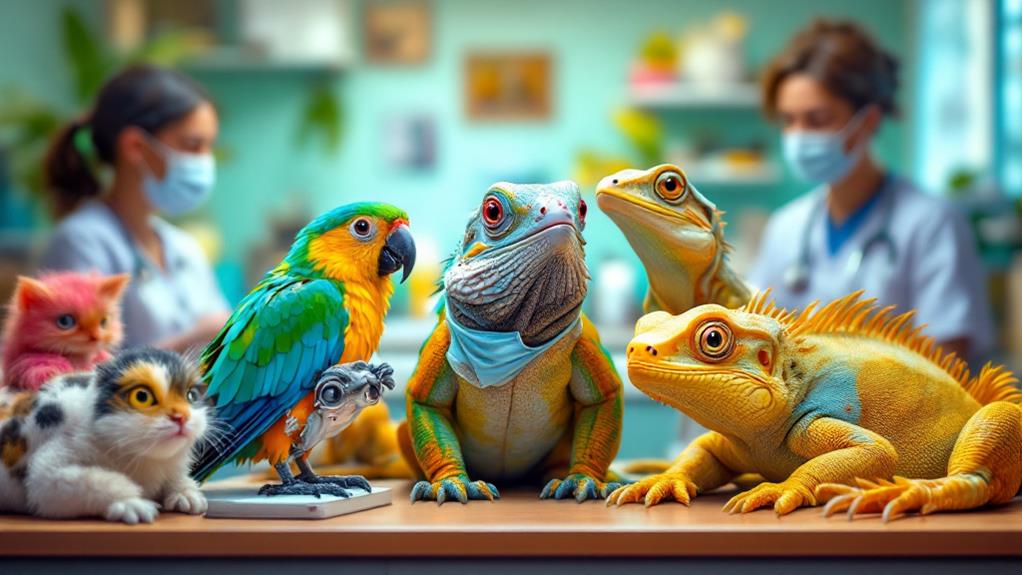
Owning exotic pets can be an exciting venture, but it comes with certain health risks that you should be aware of. Reptiles and birds can carry diseases like Salmonella and Campylobacter, which may spread to humans through direct contact or contaminated environments. These infections pose a particular threat to those with weakened immune systems, including young children and the elderly. Furthermore, cats, often seen alongside exotic pets, are linked to toxoplasmosis, which is risky for pregnant women and immunocompromised individuals. The CDC estimates suggest that around 40 million U.S. residents may be infected with this parasite.
Birds can also transmit psittacosis, a bacterial infection causing severe respiratory disease in humans. It spreads when you inhale dried droppings or respiratory secretions. Proper hygiene, such as handwashing after handling pets and maintaining clean living spaces, is essential in preventing these zoonotic diseases.
Rodents, often kept as exotic pets, can carry hantavirus. This virus can lead to fever and respiratory distress in humans if you're exposed to contaminated areas. Even though dogs are less likely to contract these diseases, they can still be affected indirectly by contaminated environments. Stay informed and proactive about these risks.
Red Flags in Pet Behavior
Awareness is key regarding identifying red flags in your pet's behavior. Pets can't tell you when something's wrong, so it's vital to observe any changes in behavior. If your pet becomes lethargic or loses interest in food, these could be signs of a health problem that needs immediate attention. Loss of appetite isn't just about being picky; it might indicate underlying issues. Likewise, unusual vocalizations or sudden aggression can be a cry for help, suggesting discomfort or pain.
Frequent vomiting shouldn't be ignored either. This symptom can point to severe health issues like infectious diseases or gastrointestinal troubles. Always consult your vet if you notice this. You should also watch for repetitive behaviors, as these could signal stress or other health concerns.
Here are some red flags to watch for:
- Behavioral changes: Increased lethargy, unusual aggression, or stress indicators like excessive grooming.
- Physical symptoms: Loss of appetite, frequent vomiting, or diarrhea.
- Other signs: Sudden spikes in thirst or urination, which could indicate conditions like kidney disease or diabetes.
Being attentive to these signs can make a significant difference in your pet's health, ensuring you catch potential issues early on.
Prevention and Early Detection

Spotting red flags in your pet's behavior is just the start of ensuring their health. Prevention and early detection play critical roles in safeguarding your furry friend from rare and dangerous diseases. Regular veterinary check-ups are fundamental. Many diseases lurk silently, showing no symptoms until they've progressed. By keeping up with these visits, you're utilizing the expertise of veterinary medicine to catch potential issues before they become serious.
Pay close attention to any unusual behaviors in your pet, like changes in appetite or energy levels. These could be subtle signs of underlying health problems. Keeping a detailed health history is another important step. Documenting vaccinations and any symptoms you observe helps your vet diagnose rare conditions more accurately.
If your pet has a genetic predisposition to certain diseases, consider genetic screening and responsible breeding practices as preventative measures. For example, conditions like Ectopic Ureter can be mitigated by these proactive steps.