Understanding Feather Plucking in Birds: Causes and Solutions
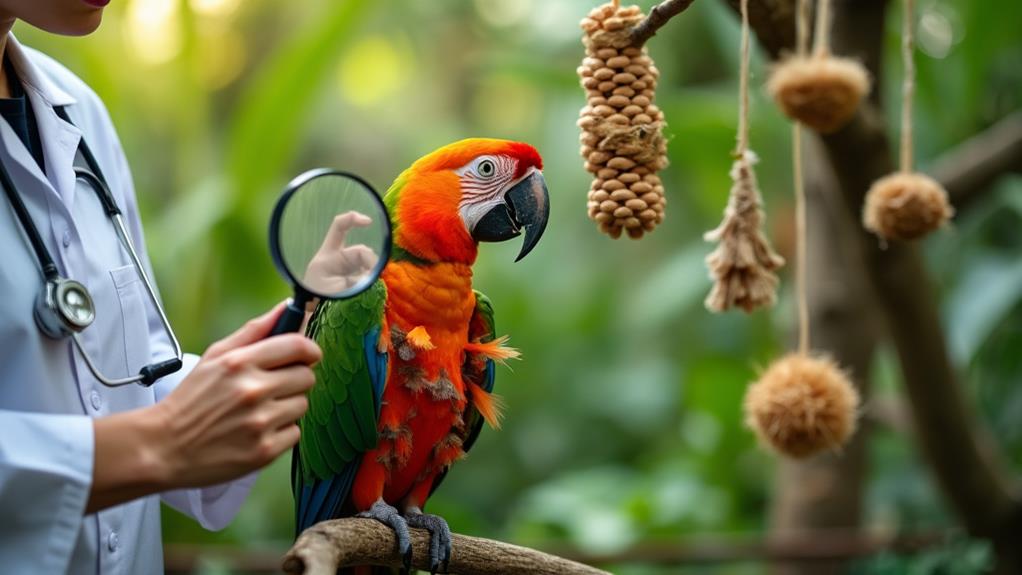
To understand feather plucking in birds, start by examining the causes, which can be medical, environmental, psychological, or nutritional. Look for signs like frequent feather pulling, bald patches, and increased anxiety. Skin conditions, hormonal imbalances, or infections may require a vet's attention. Environmental stressors like a monotonous habitat or noise can also trigger this behavior, so enrich their space with varied toys and perches. Nutritional deficiencies need addressing through a balanced diet and appropriate supplements. Solutions include behavioral modification and routine establishment to minimize stress. Uncover more ways to best support your bird in overcoming feather plucking challenges.
Common Signs of Feather Plucking
When you notice your bird frequently pulling at its feathers, it might be displaying signs of feather plucking. This behavior can be alarming, and understanding the common signs is essential. Feather plucking often involves your bird repeatedly removing or damaging different feather types, such as contour, down, and flight feathers. You might observe bald patches or uneven feather distribution, which indicates something's amiss with your bird's behavior.
Pay attention to how your bird interacts with its feathers throughout the day. If it's spending excessive time preening or seems overly focused on certain areas, these could be indicators of feather plucking. Birds naturally groom themselves, but excessive preening beyond regular maintenance can signal a problem. You might also notice damaged or broken feathers scattered around the cage, suggesting your bird is engaging in more than just normal grooming.
Behavioral changes often accompany feather plucking. Your bird might seem more anxious or withdrawn, showing signs of stress or frustration. It may become less social, avoiding interactions with you or other pets. Understanding these signs early on can help you address the feather plucking issue before it becomes a more serious concern for your bird's well-being.
Medical Causes to Consider
While observing the signs of feather plucking in your bird, it's crucial to contemplate medical causes that might be underlying this behavior. Birds often pluck their feathers due to discomfort or pain caused by several skin conditions. For instance, dermatitis or infections can lead to itching, prompting your bird to pluck its feathers in an attempt to relieve it. Check for redness, swelling, or unusual discharge on the skin, as these could indicate an issue that requires veterinary attention.
Hormonal imbalances are another potential medical cause. During certain times of the year, birds experience hormonal changes that can sometimes lead to feather plucking. These imbalances might be due to reproductive hormones influencing your bird's behavior, causing stress or anxiety, which manifests through plucking. If you notice your bird behaving unusually during breeding seasons, it might be worth discussing with a vet.
In addressing these medical causes, consulting with an avian veterinarian should be your priority. They can conduct thorough examinations and recommend appropriate treatments, such as medications or dietary changes, to alleviate your bird's discomfort. Remember, timely intervention can prevent further complications and help your bird regain its healthy plumage.
Environmental Stressors
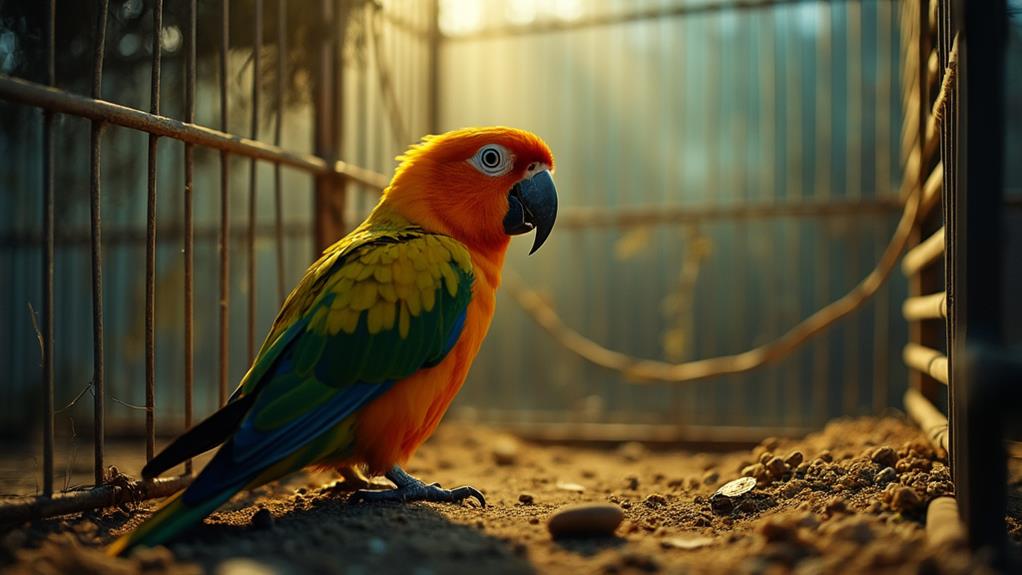
How do environmental stressors impact your bird's feather plucking behavior? Birds are sensitive creatures, and their environment plays a significant role in their well-being. When their surroundings lack stimulation or are unsuitable, it can lead to stress, manifesting in undesirable behaviors like feather plucking. A monotonous environment without environmental enrichment can leave your bird feeling bored and anxious. Birds are naturally curious and need challenges and activities to keep their minds and bodies engaged. Without these, they might resort to feather plucking as a coping mechanism.
To counteract this, consider making habitat modifications to create a more enriching space for your bird. Introduce a variety of toys that encourage foraging and exploration. Rotate them regularly to maintain interest. Guarantee their cage is spacious and offers different perching options and levels. Adding natural elements like branches and safe plants can mimic their natural habitat, reducing stress and promoting healthy behaviors.
Regularly assess your bird's environment for any stressors, like loud noises or sudden temperature changes, and adjust accordingly. By providing environmental enrichment and making thoughtful habitat modifications, you can aid in alleviating stress and reduce the likelihood of feather plucking in your feathered friend.
Psychological Factors
Psychological factors play a significant role in your bird's feather plucking behavior. Birds, like humans, can experience stress and anxiety, which manifest through their actions. Behavioral triggers such as boredom, fear, or lack of mental stimulation can lead your feathered friend to pluck its feathers. Your bird might be reacting to changes in its environment, such as a new pet or a move to a different location, which can disrupt its emotional wellness.
To address these psychological factors, it's vital to guarantee your bird feels secure and mentally engaged. Start by observing your bird's daily routine to identify potential behavioral triggers. Does your bird have enough toys to keep it entertained? Is it getting enough social interaction with you or other birds? Providing a consistent schedule and engaging activities can help alleviate anxiety and boredom.
Encourage emotional wellness by creating a safe, nurturing environment. Spend quality time with your bird daily, talking to it and offering gentle interaction. These actions can strengthen your bond and help reduce stress. By understanding and addressing these psychological factors, you can support your bird's mental health and diminish feather plucking behavior.
Nutritional Deficiencies
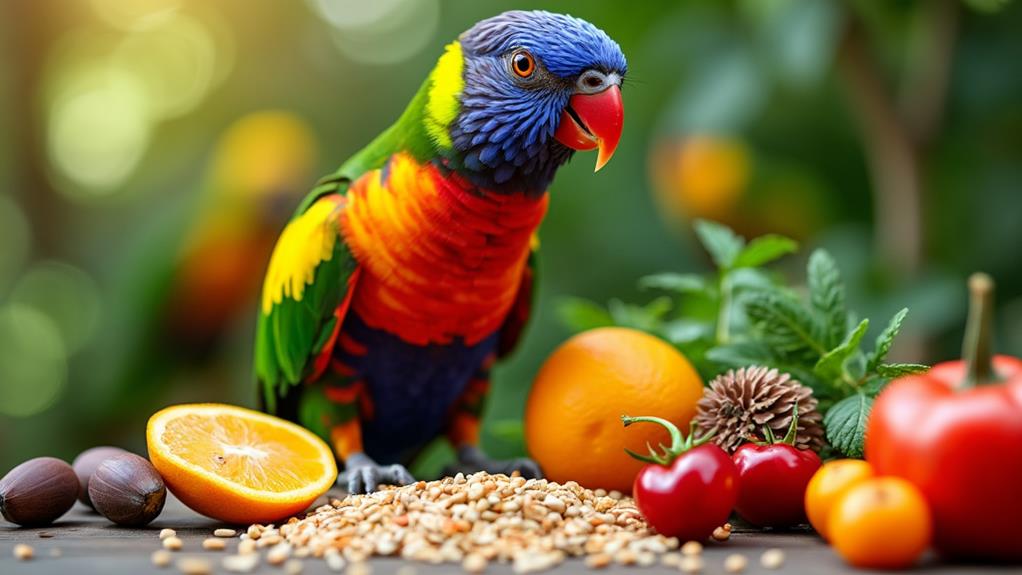
Addressing feather plucking in birds requires a comprehensive approach, and alongside psychological factors, nutritional deficiencies can greatly impact their well-being. When a bird's dietary needs aren't met, it may resort to feather plucking due to discomfort or health issues. A lack of fundamental nutrients can lead to poor feather quality and skin problems, prompting your bird to pull out its feathers in an attempt to alleviate irritation.
Start by examining your bird's diet closely. Many commercially available bird foods don't contain all the necessary nutrients, so it's imperative to guarantee your feathered friend receives a balanced diet. Include a variety of fresh fruits, vegetables, and grains in their meals. Pay special attention to protein intake, as it's crucial for feather growth and repair.
Vitamin supplementation can also play a significant role in addressing deficiencies. Vitamins A, D, and E, along with minerals like calcium and zinc, are fundamental for maintaining healthy feathers and skin. Consult with an avian veterinarian to determine the right supplements for your bird. By addressing these nutritional deficiencies, you can help prevent feather plucking and promote general health, guaranteeing your bird remains lively and happy.
Effective Treatment Strategies
When tackling feather plucking in birds, it is crucial to implement effective treatment strategies that address the root causes of this behavior. Start by considering behavioral modification techniques to help your bird develop healthier habits. Consistency is key here, so set a routine and stick to it. Observe your bird's behavior closely to identify triggers that lead to plucking. Once you've pinpointed these, you can work on modifying your bird's environment to minimize stressors.
Next, introduce enrichment activities to keep your bird mentally and physically stimulated. These activities can include puzzle toys, foraging opportunities, and interactive playtime. The goal is to engage your bird's natural instincts and prevent boredom, which often contributes to feather plucking. Rotate toys regularly to maintain their interest and provide new challenges.