
Types, Symptoms, and Treatment of Mange in Dogs: What You Need to Know
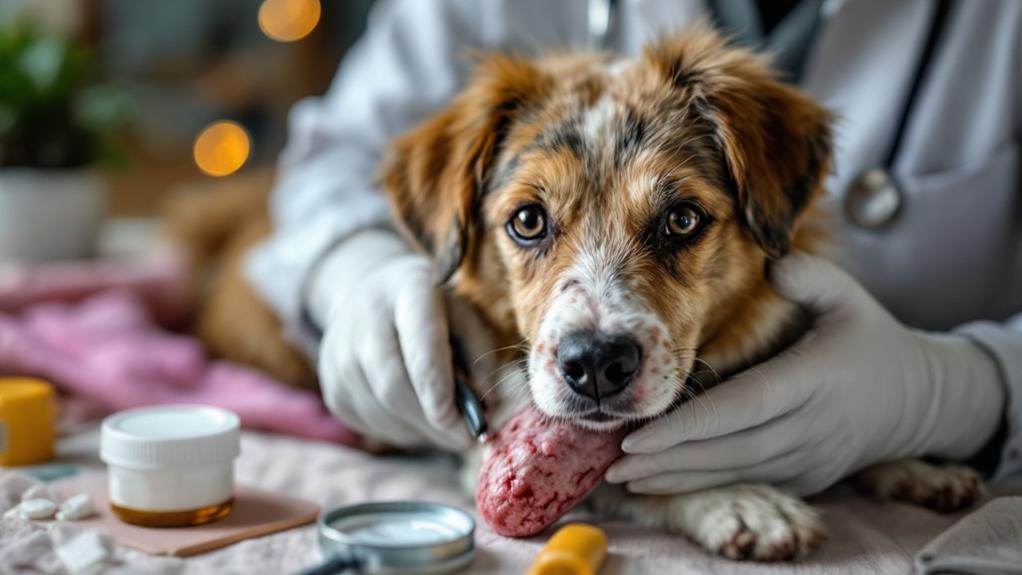
Mange in dogs is caused by microscopic mites and comes in three main types: Sarcoptes scabiei, Demodex canis, and Cheyletiella. Sarcoptic and Cheyletiella mange are contagious whereas Demodex isn't. Symptoms often include intense itching, hair loss, and inflamed skin. Itching can lead to wound infections, so early detection is vital. Treatments involve veterinary-prescribed topical and oral medications and thorough cleaning of your dog's environment. Regular vet check-ups, a healthy diet, and good hygiene are key to preventing mange. Understand how these strategies play an essential role in keeping mange at bay. Uncover more about how to effectively protect your dog.
Understanding Mange in Dogs
Mange in dogs is a condition you should be aware of, as it's caused by microscopic mites that lead to severe skin discomfort. The primary culprits, Sarcoptes scabiei and Demodex canis, result in distinct types of mange. Sarcoptes is notorious for being highly contagious, capable of spreading between dogs and even to humans. In contrast, Demodex is not contagious; it's commonly transferred from mother to puppies shortly after birth.
The symptoms of mange include intense itching, hair loss, inflamed skin, and crusty scabs. These can vary in severity, depending on the type of mange and your dog's immune status. A weakened immune system may exacerbate these symptoms, making early detection and treatment essential.
To identify mange, a veterinarian will perform skin scrapings to detect the presence of mites. Further tests, like cytology or hair sample analysis, might be needed for accurate identification. Treatment involves both topical and oral medications to eradicate the mites and environmental decontamination to prevent reinfestation. Acting promptly is imperative, as this guarantees a better chance for a full recovery, restoring your dog's comfort and skin health.
Types of Mange
With regard to types of mange in dogs, understanding their differences is crucial for effective treatment. Mange is caused by a range of mites, leading to different types of mange with specific clinical signs. Here are the main types you should know:
- Sarcoptic Mange (Scabies): This type is caused by the Sarcoptes scabiei mite and is highly contagious. It results in intense itching, redness, and hair loss. Dogs often develop skin thickening and secondary bacterial skin infections due to scratching. This form can severely impact pet health if not addressed promptly.
- Demodectic Mange: Triggered by the Demodex canis mite, this type isn't contagious and typically affects dogs with weakened immune systems. It often presents as localized patches of hair loss and mild irritation. The immune system keeps these mites in check under normal circumstances, but when compromised, issues arise.
- Cheyletiella Mange: Caused by Cheyletiella mites, this type is visible to the naked eye and contagious to both dogs and humans, unlike demodectic mange. It leads to flaky skin resembling dandruff and can cause significant discomfort.
Recognizing these types early can prevent severe skin infections and promote better pet health.
Symptoms of Mange
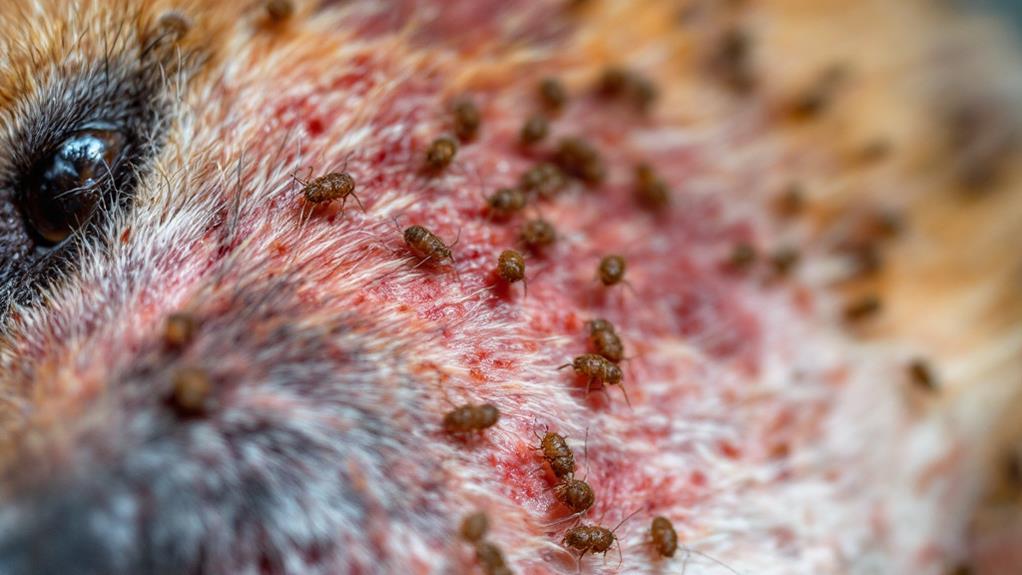
Recognizing the symptoms of mange early is key to effective treatment and better health outcomes for your dog. The primary symptom of mange is intense itching, causing your dog to scratch excessively. This can lead to self-inflicted wounds and skin irritation. You might notice patches of hair loss, especially on the face, legs, and trunk. Each type of mange presents differently. Sarcoptic mange typically results in crusted skin, often yellowish, with noticeable inflammation. This type usually causes more visible signs of distress, as the itching and discomfort are more severe. On the other hand, demodectic mange may lead to scaling and crusting of the skin but generally causes less immediate discomfort.
Be vigilant for secondary infections, which can develop from open sores and lesions. These infections introduce supplementary symptoms like unpleasant odors and further skin complications. The severity of symptoms can vary, but they all signal that your dog needs prompt attention. If you spot any of these signs, consult your veterinarian. Early intervention can prevent further distress and health issues, ensuring your dog returns to their happy, itch-free self as soon as possible. Keep an eye out and act fast for your furry friend's sake.
Causes of Mange
In regard to mange in dogs, two main culprits are to blame: mites. Mange is highly contagious and primarily caused by Sarcoptes scabiei, leading to sarcoptic mange. This type of mange can spread swiftly through direct contact with infected dogs or environments contaminated by these parasites. The skin diseases caused by Sarcoptes scabiei can manifest as intense itching and irritation, often exacerbated by poor hygiene and stress.
On the other hand, Demodex canis is responsible for demodectic mange, which arises from an overgrowth of these mites. Unlike sarcoptic mange, demodectic mange isn't contagious and is typically linked to weakened immune systems. Puppies can become hosts to these mites since they are often transmitted from the mother shortly after birth, making them more susceptible if their immune system is compromised.
Here are three key points to remember about the causes of mange:
- Transmission: Mange is highly contagious, especially sarcoptic mange, spreading through contact with infected dogs.
- Immune System: Demodectic mange often occurs when there's a weakened immune system, allowing mites to overpopulate.
- Hygiene: Poor hygiene, stress, and proximity to infected animals contribute greatly to the risk of developing mange.
Diagnosing Mange
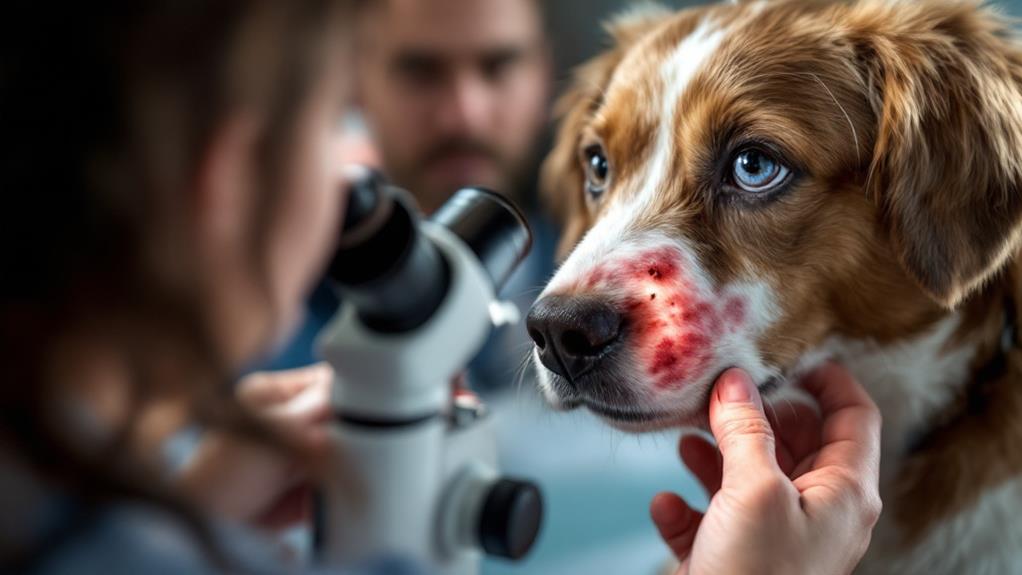
Understanding the causes of mange is vital, but identifying the condition accurately requires proper diagnosis. Your veterinarian will start with a thorough physical examination to assess any skin lesions and levels of pruritus. They'll also ask about your dog's history, particularly any exposure to other infected animals. To confirm the presence of Sarcoptes mites or Demodex mites, a skin scraping test is usually performed. This involves collecting samples of skin cells and mites for microscopic analysis.
Cytology might be used to examine the skin cells for signs of infection or inflammation, which can give more insight into the severity of the mange. In cases where demodectic mange is suspected, hair samples may be taken to detect live mites residing in hair follicles. This is vital for accurate diagnosis since these mites often hide deep within the follicles.
In some scenarios, supplementary diagnostic tests such as fecal tests or PCR testing might be necessary. These tests help rule out other underlying health issues or confirm severe infestations. All these steps combined guarantee that your dog receives an accurate diagnosis, paving the way for effective treatment.
Treating Mange
Treating your dog's mange effectively hinges on a proper veterinary consultation to determine the type of mange and the appropriate medications. Once the diagnosis is confirmed, your vet might recommend a combination of topical treatments, medicated baths, and oral medications. For instance, lime-sulfur dips are effective topical treatments for sarcoptic mange, while oral medications like selamectin or milbemycin target the mites directly.
In addition to medication, thorough environmental sanitation is vital. You'll need to clean all of your dog's bedding, toys, and living areas to prevent reinfestation and guarantee the antiparasitic treatments work effectively. Not addressing the environment might lead to a cycle of recurring mange symptoms.
Secondary bacterial infections can arise due to the skin lesions caused by mange. If that happens, your vet may prescribe antibiotics alongside the antiparasitic treatments. Regular follow-up veterinary visits are fundamental to monitor recovery and adjust the treatment plan, guaranteeing a complete resolution of mange symptoms.
Consider these steps when treating mange:
- Medicated Baths: Regularly use lime-sulfur dips to soothe and eliminate mites.
- Environmental Sanitation: Clean all areas to prevent reinfestation.
- Follow-up Visits: Guarantee recovery and adjust treatments as needed.
Recovery and Management

After addressing your dog's mange with the appropriate treatments, focus shifts to guaranteeing a smooth recovery and effective management of the condition. Recovery typically involves a combination of topical medications and oral treatments, alongside medicated baths to alleviate symptoms and eradicate mites. It's imperative to schedule follow-up veterinary consultations to monitor your dog's healing progress. These check-ups allow your vet to adjust the treatment plan as needed, helping guarantee a complete recovery.
Maintaining a clean environment is fundamental to prevent reinfestation. Regularly sanitize your dog's bedding and living spaces to promote a successful recovery. This will minimize the chances of mites returning and keep your dog comfortable. Furthermore, supporting your dog's immune system is crucial. A balanced diet rich in nutrients, coupled with stress management, can aid in faster healing and reduce the risk of future mange outbreaks.
Being proactive is key. Educate yourself on recognizing early signs of mange to facilitate prompt treatment, improving general outcomes. By focusing on these aspects, you'll help your furry friend recover fully and manage their condition effectively, guaranteeing they remain healthy and happy.
Preventing Mange
Preventing mange in your dog boils down to a combination of vigilance and proactive care. You can start by scheduling regular veterinary check-ups to monitor your dog's skin health and catch early signs of mange before they escalate. Ensuring your dog maintains a strong immune system is vital. This can be achieved through a balanced diet, regular exercise, and proper hygiene, all of which help reduce the risk of mite infestations.
A clean living environment is also key to keeping your dog healthy. Stress can weaken your dog's immune system, making them more susceptible to mange, so it is important to create a stress-free home. Keep their bedding and living spaces clean and sanitized to further reduce risks.
Here are some practical steps for preventing mange:
- Implement preventive treatments: Applying monthly or tri-monthly treatments can manage and reduce the likelihood of mite infestations.
- Avoid contact with infected animals: Limit your dog's interaction with animals known to have mange and avoid shared spaces or bedding.
- Promote a balanced diet: A nutritious diet supports a healthy immune system, which is vital in keeping mange at bay.