Turkish Van: The Water-Loving and Assertive Feline
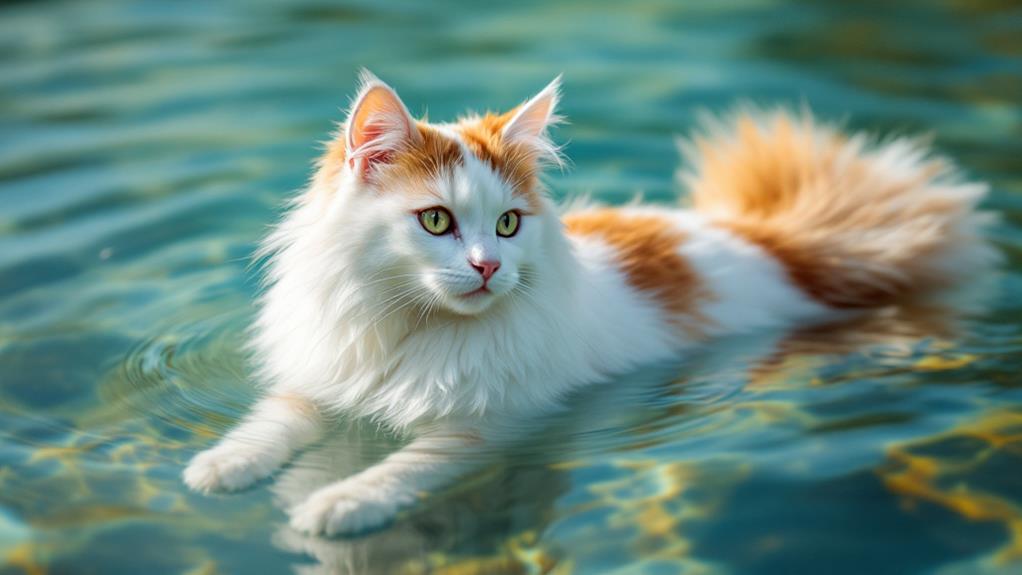
You'll find the Turkish Van is a fascinating breed known for its unique love of water and assertive nature. Originating from Turkey's Lake Van region, these cats have a semi-long, water-resistant coat, making them fondly called "swimming cats." They mesmerize with playful energy, strong human bonds, and fascination with water, keen to splash in sinks or bathtubs. Turkish Vans are intelligent and need mental stimulation, thriving in interactive environments. Their robust health contributes to a lifespan of 12 to 17 years, with minimal grooming compared to other breeds. Discover their distinct personality and requirements to understand them better.
Origins and Ancestry
Originating from the picturesque Lake Van region in Turkey, the Turkish Van breed boasts a rich history shaped by its unique environment. This natural breed, often referred to as "piriçikkedisi" or "cat of the lake," has origins deeply embedded in the area's culture and folklore. The Turkish Van is renowned for its ancestry, possibly stretching back to the medieval period, where the natural conditions of Lake Van favored their development. These cats are not just a marvel for their swimming abilities but also for their historical significance.
You might be intrigued to know that the Turkish Van was initially introduced to the Western world in 1955. When they arrived in England, they were simply known as Turkish cats. However, their distinctiveness soon earned them the name Turkish Van. By 1982, they made their way to the United States, further spreading their legacy.
Today, the breed is considered a regional gem in their native Turkey. Despite their storied past, a 1992 survey revealed only 92 pure Turkish Van cats remained in their homeland. This alarming rarity spurred conservation efforts to guarantee the survival and preservation of this remarkable breed.
Distinctive Coat Features
As you investigate the allure of Turkish Van cats, their distinctive coat features stand out almost as much as their rich history. Known for their semi-long, water-resistant coat, these felines earn their nickname as the "swimming cat." This luxurious coat effortlessly repels water, allowing them to dry quickly after a dip. The silky texture of their fur is another hallmark, lacking the woolly undercoat typical of many longhaired breeds, which means fewer grooming requirements for you.
The Turkish Van's coat mainly showcases a pristine white body adorned with striking color markings. These markings usually appear on the head and tail, with variations including red, cream, black, and blue. Such a unique pattern not only contributes to their visual appeal but also highlights their individuality within the feline world.
Seasonal changes also bring transformations to their coat. In winter, they develop a thicker undercoat for warmth, which they shed as spring arrives, adapting beautifully to climate shifts. However, take care during sunny days, as their light-colored fur can be prone to sunburn. Ensuring they have UV protection is essential, especially when they're enjoying the outdoors.
Personality and Behavior
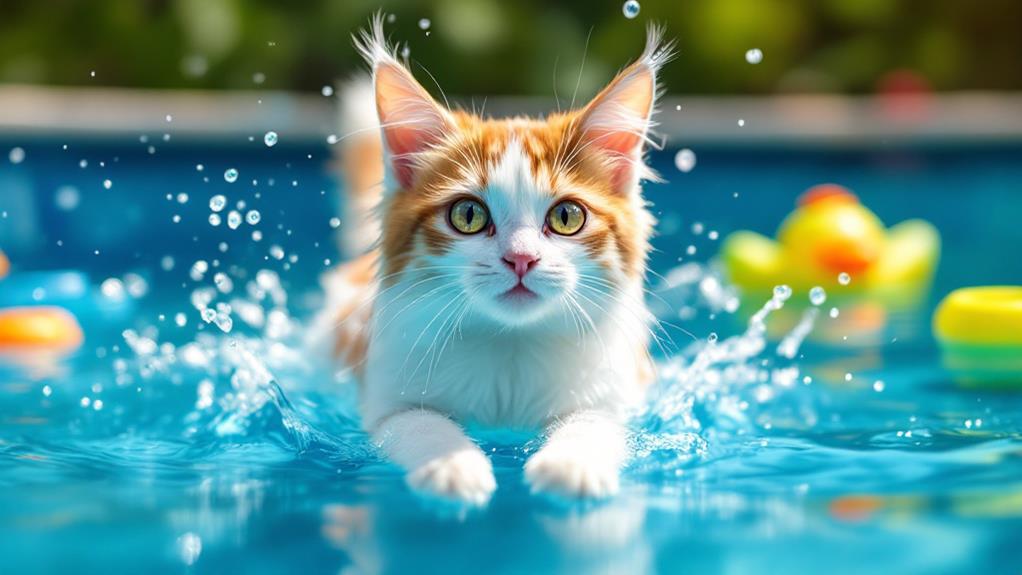
With their playful and energetic personalities, Turkish Van cats bring a lively spirit to any household. You'll quickly notice their love for activities like fetching and climbing, showcasing their high intelligence and need for stimulation. Their energy levels are impressive, often leading them to investigate new heights and engage in interactive play. These felines are not only affectionate but also form strong bonds with their human companions, demonstrating a unique dog-like loyalty.
A significant aspect of their behavior is their fascination with water, which truly sets them apart. Turkish Vans are famously known as "swimming cats" because of their water-loving nature. Don't be surprised if you find them splashing around in a sink or bathtub. Socialization plays an essential role in their happiness, so they thrive in environments where they can interact with family members and other pets.
Here's what you can expect from their behavior:
- Playfulness: Constantly seeking new games and challenges.
- Intelligence: Requires mental stimulation and problem-solving.
- Affectionate yet Independent: Forms strong bonds but enjoys their own space.
- Water-Loving: Enjoys playing and even swimming in water.
Respect their boundaries, as some may prefer playtime over cuddles.
Health and Longevity
Turkish Van cats are known for their robust health, boasting a lifespan that typically ranges from 12 to 17 years. This impressive longevity is partly due to their unadulterated lineage, which minimizes genetic health problems. To guarantee your Turkish Van remains in top health, regular veterinary check-ups are essential. Early detection of any issues can lead to more effective treatments, making these visits a cornerstone of their care routine.
Dental care is another significant aspect of maintaining your Turkish Van's health. Since dental disease affects about 90% of cats over the age of four, it's vital to incorporate dental hygiene into their care. Regular brushing and dental treats can help keep their teeth and gums healthy, contributing to their overall longevity.
Obesity is a common concern, affecting nearly 50% of cats. For Turkish Van cats, keeping an eye on their weight is crucial. Implement portion control and engage them in interactive play to maintain a healthy weight and prevent obesity-related health issues. While they aren't prone to hereditary deafness, like some breeds, staying vigilant with health monitoring remains important. With proper care, your Turkish Van can enjoy a long, healthy life.
Grooming Essentials
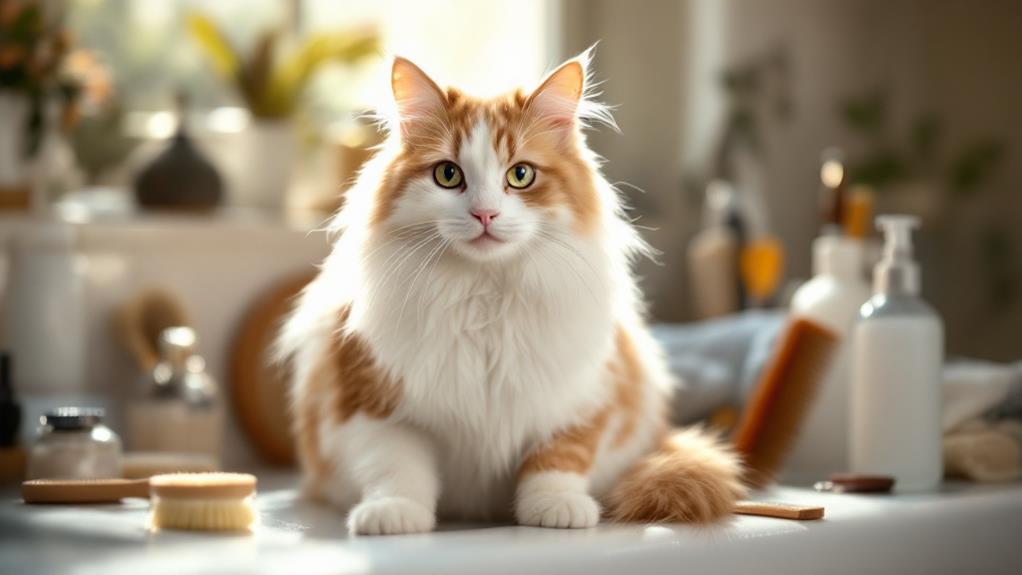
For Turkish Van cats, grooming is a straightforward yet essential part of their care routine. Their semi-long, water-resistant coat typically requires minimal grooming, needing only weekly brushing to prevent tangles and remove dead hair. This beautiful coat with a chalk-white base and colored markings on the head and tail changes density with the seasons, so you might need to increase brushing during shedding periods. Here's a quick rundown of significant grooming tasks for your Turkish Van:
- Brushing: Once a week is usually sufficient thanks to their self-grooming habits, but keep a closer eye during shedding seasons to manage excess fur.
- Bathing: While their water-resistant coat helps them stay clean, Turkish Vans may require more frequent baths if they indulge in water play. Don't worry, their love for water makes this easier!
- Dental Hygiene: Given that dental disease affects a significant percentage of adult cats, regular dental check-ups are vital. Brush their teeth regularly to prevent plaque buildup.
- Nail Trimming: Routine nail trimming is crucial to prevent overgrowth and discomfort. Check their nails every few weeks to keep them in check.
Additionally, regular eye and ear care should be part of their grooming regimen to monitor for any signs of issues.
Feeding and Nutrition
Guaranteeing your Turkish Van receives proper nutrition is vital for maintaining its energetic and healthy lifestyle. A balanced nutritional cat food that meets the AAFCO adequacy statement should be the cornerstone of your cat's diet. This guarantees your Turkish Van gets the nutrients needed to support its activity levels. When feeding your cat, consider offering two or more small meals daily. This approach helps prevent obesity, a common health condition affecting nearly half of the feline population.
Turkish Van kittens, adults, and seniors have different nutritional needs, so it's imperative to choose age-appropriate formulated diets. Kittens need a diet rich in protein and fat to support growth, while adults and seniors require different nutrient balances to maintain health. Regular consultations with a veterinarian can help you develop a personalized nutrition plan based on your cat's weight and activity level.
These cats typically have a healthy appetite, requiring about 80 Kcals per kg of body weight each day. By monitoring your cat's intake and making adjustments as needed, you can guarantee it stays active and healthy. Remember, maintaining proper feeding habits and nutrition is key to preventing obesity and other related health conditions.
Training and Socialization
In the context of training and socializing Turkish Van cats, their intelligence and curiosity make them quick learners, especially with positive reinforcement techniques. These intelligent cats thrive on socialization and interactive play, forming strong bonds with family members. To guarantee effective training and harmonious relationships, consider these tips:
- Positive Reinforcement: Reward their successes with treats or praise. Turkish Vans respond well to positive feedback, making training sessions enjoyable and productive.
- Interactive Play: Engage them in activities that challenge their mind and body. Puzzle toys and fetch games can fulfill their need for mental stimulation.
- Gradual Socialization: Introduce them to new people and pets slowly. Their social nature means they can adapt well, but gradual exposure helps reduce stress.
- Respect Boundaries: Teach children and family members to respect the Turkish Van's assertive nature. They prefer active play over cuddling, so understanding their preferences helps avoid conflicts.
Living Environment Needs
A Turkish Van cat's living environment should cater to their adventurous spirit and energetic nature. These cats thrive on investigation, so ample space is vital. Regardless of your being in a lively household or a quieter setting, a Turkish Van can adapt well, forming strong attachments to family members. Their high activity level means they need engaging spaces to prevent boredom. Consider incorporating climbing structures and interactive toys to satisfy their play needs and keep them mentally stimulated.
Safe outdoor access is fundamental for a Turkish Van to investigate and satisfy their natural curiosity. If you can provide a secure garden or balcony, it will improve their living environment considerably. These cats love to explore and roam, so a variety of environments will keep them happy and healthy.
Moreover, Turkish Vans have a unique affinity for water. Integrating water features into their surroundings can be a delightful supplement. Regardless of it being a small fountain or a shallow pool, these will provide them with endless entertainment and joy. By tailoring your home to meet a Turkish Van's specific needs, you guarantee they remain content and bonded closely with you, flourishing in a nurturing and dynamic environment.
Turkish Van Kittens
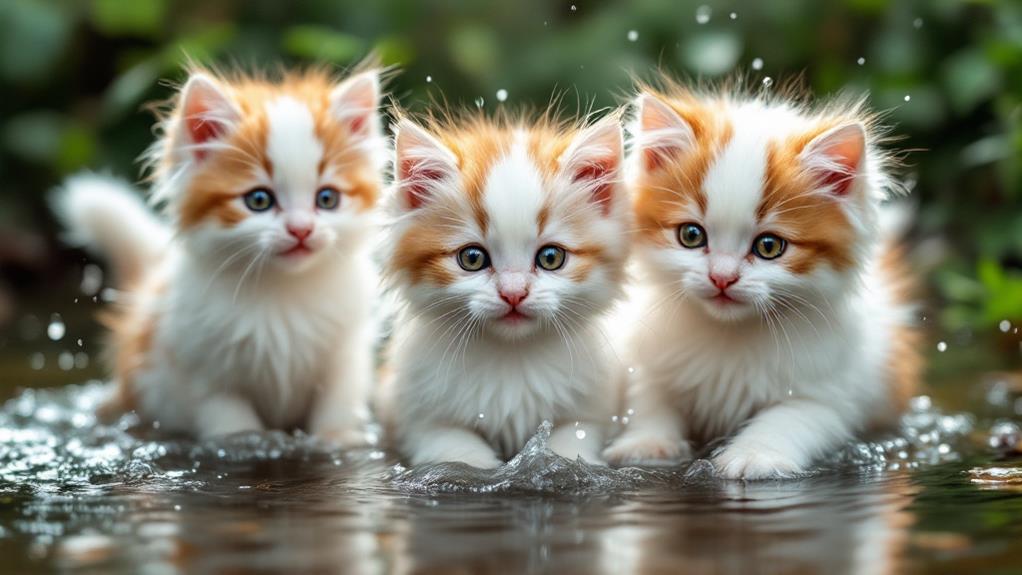
Many find Turkish Van kittens enchanting due to their playful and energetic nature. These kittens are a bundle of joy, requiring plenty of stimulation and interaction to thrive. If you're considering bringing one home, there are a few significant things to keep in mind:
- Coat Colors: At birth, Turkish Van kittens are completely white. Their unique coat colors and patterns start emerging between 4 to 6 weeks of development, so don't worry if they initially look plain.
- Intelligent Companions: Known for their intelligence, Turkish Van kittens are quick learners. With positive reinforcement techniques, you can easily train them to follow commands and even perform tricks.
- Socialization Matters: Early socialization is essential. By exposing them to different people and environments, you'll help them develop their sociable nature, making them bond well with humans and other pets.
- Choose Reputable Breeders: When adopting Turkish Van kittens, it's vital to select breeders who perform health screenings. This guarantees your kitten is free from hereditary health issues common to the breed.
Male vs. Female Differences
While Turkish Van kittens captivate with their spirited charm, understanding the differences between male and female Turkish Vans can help match you with the perfect feline friend. Male Turkish Vans are generally larger, weighing between 10 to 18 pounds, compared to females who weigh around 7 to 12 pounds. This size difference may influence their playful behavior and adventurous spirit. Males often engage in more vigorous play and exploration, initiating activities that showcase their assertive nature. If you're seeking a lively companion who thrives on action, a male Turkish Van might be ideal.
On the other hand, female Turkish Vans tend to exhibit more nurturing qualities. They might prefer calmer interactions, offering companionship in quieter settings. Their socialization style often involves bonding activities rather than high-energy play. If you value peaceful companionship and gentle socialization, a female Turkish Van could be the right match.
Regarding grooming care, both genders require similar attention, but males might need extra grooming during certain seasons due to thicker fur. Regardless of whether you choose a male or female, Turkish Vans promise a delightful blend of personality traits, ensuring you find a companion that fits your lifestyle.