Transylvanian Hound: The Independent and Noble Hunting Dog
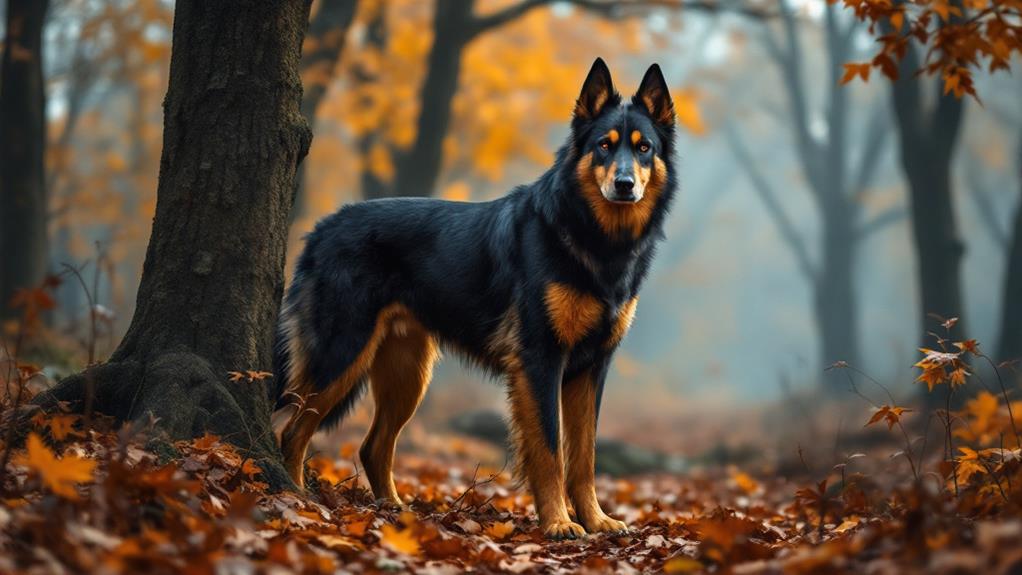
You're exploring the Transylvanian Hound, an independent and noble hunting breed from Hungary. With origins tracing back to Hungarian nobility, these dogs excel in tracking large game. They have an athletic build, a short tri-colored coat, and expressive almond eyes. Known for their loyalty and protective nature, they're great family pets but need consistent training due to their independent streak. High energy levels mean they require plenty of exercise and mental challenges. Regular grooming and dental care keep them healthy. Though rare, they're cherished for their skills and resilience. There's more to uncover about this fascinating breed's legacy.
Origin and Historical Background
With its origins deeply rooted in Hungary, the Transylvanian Hound, also known as Erdelyi Kopó, has been a noble hunting companion for over a millennium. As a hunting dog, it earned a prestigious place among the Hungarian nobility during the Middle Ages, celebrated for its exceptional tracking abilities. This breed was particularly valued for hunting large game, showcasing its keen nose and relentless pursuit, which made it indispensable to aristocratic hunters.
However, the Transylvanian Hound faced significant challenges in the early 20th century. The socio-political upheavals, including targeted extermination efforts and the Romanian conquest of Transylvania, nearly drove it to extinction. But the dedication to this breed's survival sparked revival efforts in the late 20th century. The publication of the FCI standard in 1968 marked a turning point, helping to secure its future and renew interest in preserving its lineage.
Today, the long-legged version of the Transylvanian Hound remains prevalent in Hungary and Romania. This variety continues to embody the breed's historical excellence, standing as a symbol of its enduring legacy and the successful revival efforts that saved it from oblivion.
Physical Characteristics
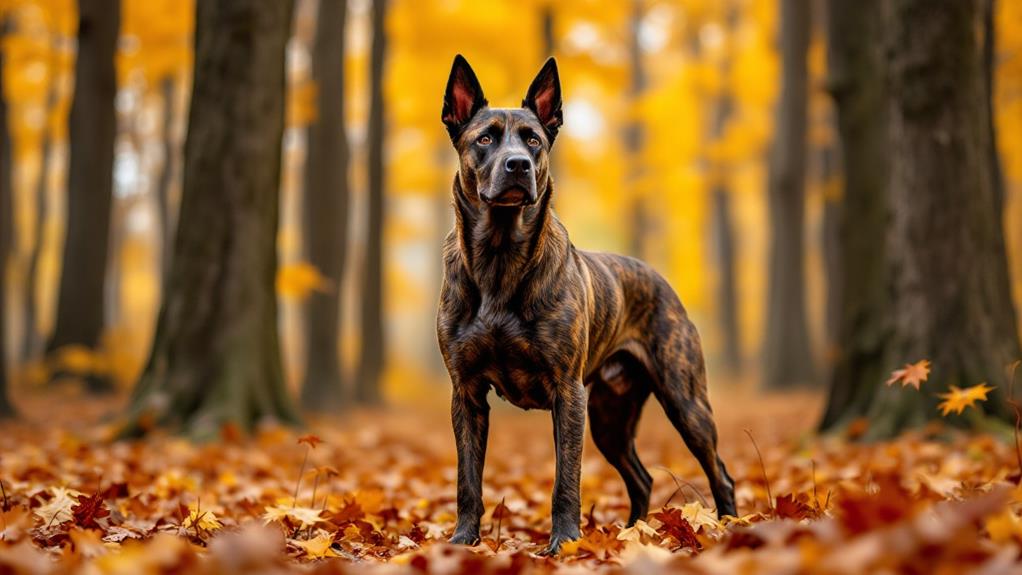
When you initially encounter a Transylvanian Hound, the breed's athletic and muscular build immediately stands out. As a medium-sized dog, it typically measures between 22 to 26 inches tall and weighs 55 to 77 pounds. This breed's athletic body is designed for endurance, making it an excellent companion for traversing rough terrains and adapting to harsh weather conditions. Its short coat is dense and straight, primarily showcasing a tri-color pattern of black with distinctive tan markings, and occasionally a touch of white that shouldn't cover more than one-fifth of its body.
The Transylvanian Hound's noble appearance is accentuated by its distinctive physical features. It boasts a dome-shaped skull and a rectangular muzzle, giving it a strong, resilient look. The droopy ears hang close to the face, contributing to its noble and dignified demeanor. Its dark brown, almond-shaped eyes convey a sense of intelligence and alertness, crucial traits for a hunting dog. This unique combination of physical characteristics not only highlights the breed's aesthetic appeal but also underscores its historical role as a versatile and independent hunting companion, perfectly suited to both work and companionship.
Temperament and Behavior
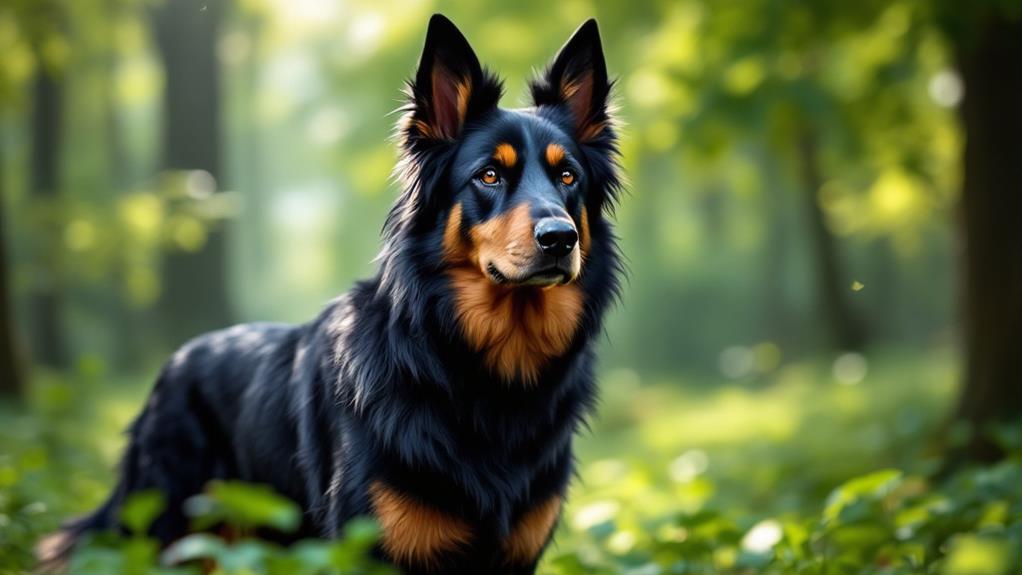
Anyone familiar with the Transylvanian Hound knows it's a breed with a well-balanced and good-natured temperament, making it an excellent family pet. It's loyal and protective of its loved ones, demonstrating a calm demeanor around familiar faces while remaining alert to its surroundings. This breed's protective instincts make it a dependable guardian for your home, yet it's also gentle with family members, including children.
The Transylvanian Hound's strong hunting instinct and high energy levels mean it thrives on physical and mental stimulation. You'll need to keep it occupied with activities that challenge its intelligence and prey drive. This breed loves a good chase, so regular exercise is necessary to prevent boredom and maintain its happiness.
Despite being intelligent and enthusiastic to learn, the Transylvanian Hound has an independent nature that can make training challenging. Its strong prey drive requires consistent and patient approaches to guarantee successful learning. Early socialization is vital for this breed to prevent shyness and help it develop positive relationships with people and other pets. It's naturally distrustful of strangers, so proper socialization will help balance its protective instincts with friendliness, creating a well-rounded companion.
Training and Socialization
Training and socializing a Transylvanian Hound demands patience and consistency, but it's well worth the effort. Early socialization is vital, exposing your hound to different animals and people to prevent shyness and encourage positive interactions. Since they have strong hunting instincts, you'll want to focus on positive reinforcement techniques. This breed can be independent and occasionally stubborn, so offering treats and praise when they follow commands will yield the best results.
Their high energy levels mean they require ample daily exercise and mental stimulation to keep boredom at bay and guarantee obedience. Incorporating exercises that challenge their minds and bodies is key. It's significant to establish clear boundaries and consistent commands, as their intelligence allows them to learn quickly when engaged properly.
Be mindful of their strong prey drive. Supervision is fundamental during training sessions, especially around small animals, to prevent any aggressive behavior. Always keep an eye on them and use controlled environments to practice commands. By combining structure, supervision, and positive reinforcement, you'll guide your Transylvanian Hound to become a well-behaved and sociable companion. With the right approach, you'll both enjoy the adventure of learning and growing together.
Health Considerations
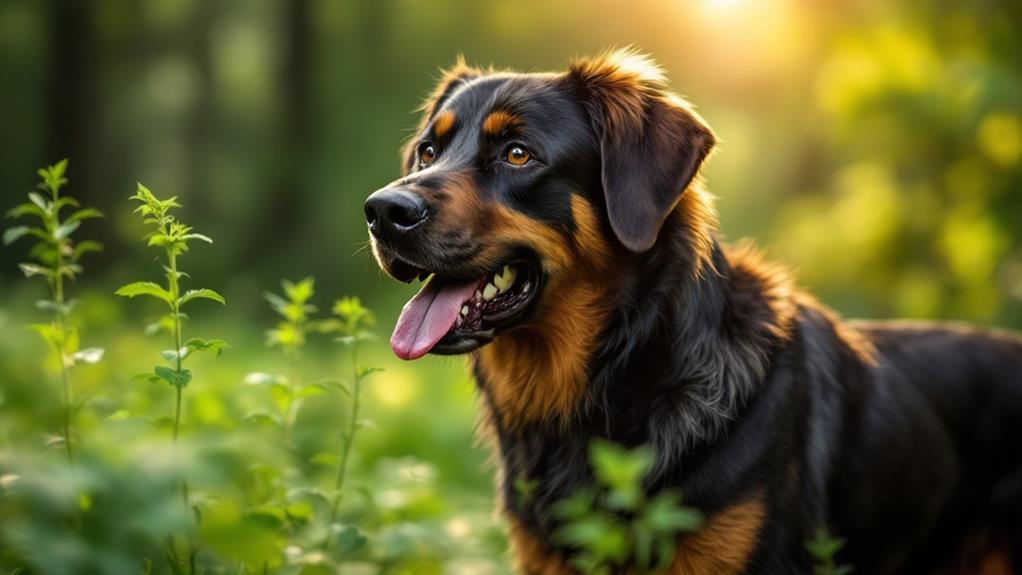
While training and socializing your Transylvanian Hound sets the foundation for a happy, well-adjusted pet, understanding their health needs is just as important. These dogs have an average lifespan of 10 to 12 years, and regular veterinary check-ups are critical for early detection of potential health concerns. Like many breeds, Transylvanian Hounds can be prone to hip dysplasia and elbow dysplasia, which can cause inflammation and lead to osteoarthritis if not properly managed.
To keep your hound healthy, consider the following:
- Preventative Measures: Screening tests are vital to prevent hereditary conditions since dysplasia can be genetically transmitted. Early detection can greatly improve your dog's quality of life.
- Dietary Needs: A balanced diet is necessary to maintain your dog's energy and general health. Opt for high-quality dog food that includes key animal protein sources to support their active lifestyle.
- Regular Monitoring: As they get older, Transylvanian Hounds may face risks of cancer and heart issues. Consistent veterinary check-ups will help in monitoring these potential problems and ensuring timely interventions.
Exercise Needs
To keep your Transylvanian Hound happy and healthy, ensuring they get plenty of exercise is fundamental. This energetic breed requires at least one hour of exercise every day to meet its high energy levels and maintain physical health. With their strong hunting instincts, it's essential to engage them in activities that satisfy their natural drive. Long walks, fast-paced runs, and engaging games like fetching are excellent ways to keep your hound stimulated and prevent boredom.
Participating in dog sports such as agility and rally can be particularly beneficial. These activities provide the physical and mental challenges they crave. It's significant to recognize their strong prey drive, so keeping your Transylvanian Hound leashed in open areas is wise to prevent any unexpected chases after smaller animals.
Regular playtime and mental stimulation are crucial for their well-being. Interactive toys and training exercises can help satisfy their intellectual curiosity and keep their minds sharp. Ensuring they have a variety of activities will not only improve their physical health but also contribute to a well-rounded, content, and well-behaved companion. With the right exercise routine, your Transylvanian Hound will thrive both physically and mentally.
Grooming Essentials
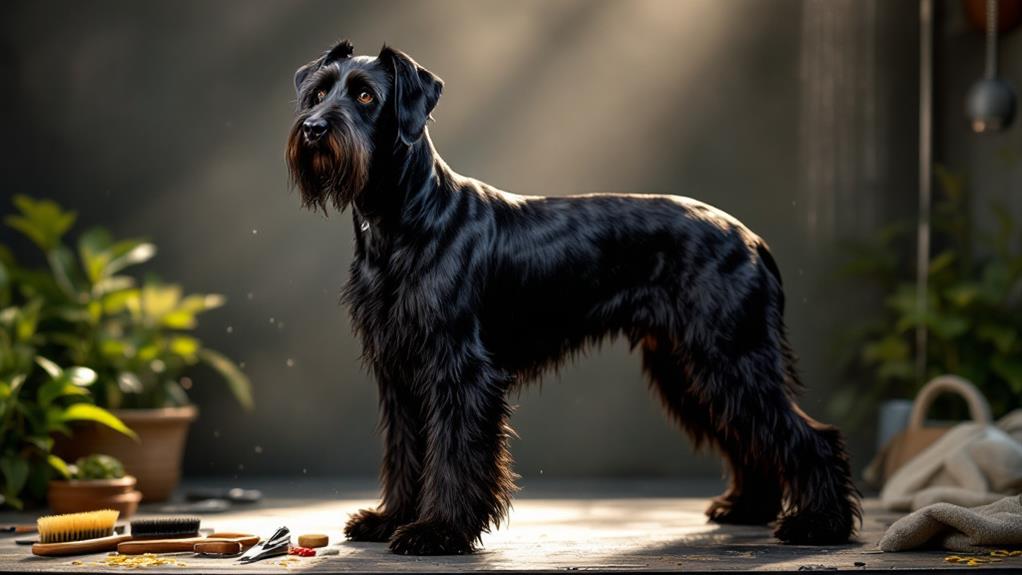
In relation to grooming your Transylvanian Hound, simplicity is key due to their short double coat. This breed's coat requires minimal grooming, and a weekly brushing is recommended to distribute natural oils and maintain its health and shine. While bathing might seem necessary, it's actually discouraged because it can diminish the coat's natural waterproofing. Occasional cleaning will suffice.
However, grooming doesn't stop at the coat. You must pay attention to their ears, nails, and dental care for thorough maintenance. Here's a simple checklist to follow:
- Ears: Regularly clean and dry their pendulous ears to prevent infections and guarantee good ear health. Moisture can lead to issues, so this is essential.
- Nails: Their toenails grow quickly, so keep them trimmed regularly. This prevents cracking and discomfort, making sure your hound remains comfortable and agile.
- Dental Care: Routine dental care is critical. At-home brushing and professional cleanings help prevent dental disease and bad breath, contributing to your hound's general health.
Community and Popularity
You might not find the Transylvanian Hound in every neighborhood, but its loyal following in Romania speaks volumes about its esteemed reputation. Primarily recognized in local hunting circles, this Hungarian breed is celebrated for its remarkable skills rather than widespread fame. Its ability to hunt large game like boar and deer makes it a niche breed with limited popularity outside its native region. Despite its historical significance and hunting prowess, there's minimal community engagement or user feedback, highlighting a lack of broader interest.
In Romania, the Transylvanian Hound's popularity remains robust, thanks to its effectiveness in hunting. However, if you're outside Hungary or Romania, the breed's rarity poses a challenge. Finding reputable breeders is difficult, contributing to its limited presence in pet ownership circles. The breed's community focuses on preserving its lineage and characteristics, rather than creating mixes or hybrids. This commitment to conservation highlights the community's dedication to maintaining the breed's unique traits.
While it's rare to encounter this noble hunting dog outside its homeland, the Transylvanian Hound's devoted following guarantees its legacy continues within the passionate circles that appreciate its exceptional abilities.