Tosa: The Fearless and Vigilant Japanese Guard Dog
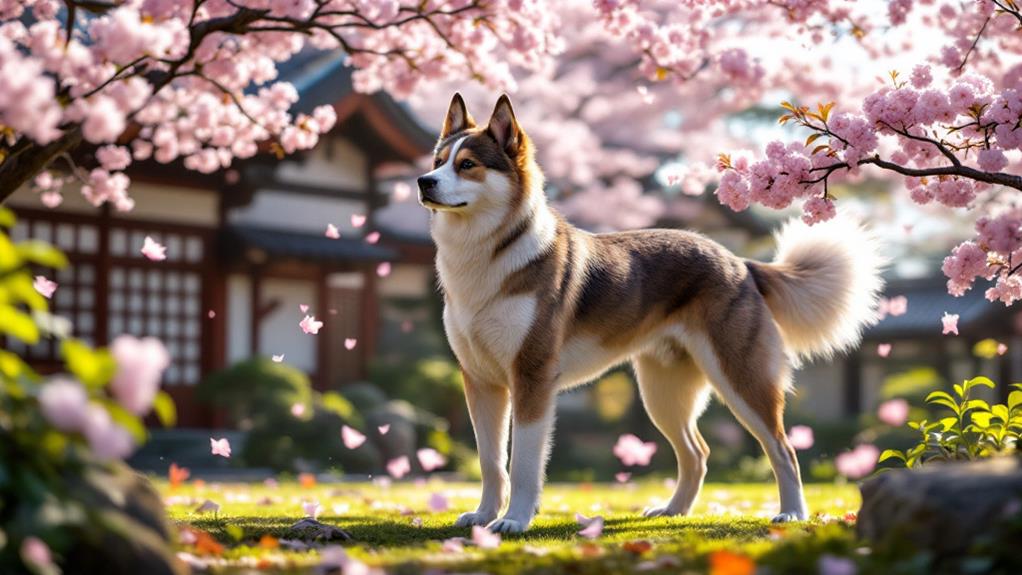
Meet the Tosa, a fearless and vigilant Japanese guard dog originating from the 14th century. This breed was carefully developed in Japan, combining native Shikoku dogs with Western breeds like Bulldogs and Mastiffs. Known for its strength and resilience, the Tosa is a loyal companion and reliable watchdog. Its calm demeanor masks a courageous spirit that fiercely protects its family. Standing tall with a muscular build, the Tosa's presence is commanding yet affectionate toward loved ones. To nurture this giant breed, consistent training and a secure environment are key. Uncover how this imposing guardian fits as the perfect household protector.
Breed History and Origins
Although the Tosa Inu's roots trace back to the 14th century, its development as a distinct breed truly began in Japan, where it was intentionally bred for dog fighting. Known as the Japanese Fighting Dog, the Tosa Inu emerged from a strategic mix of native Shikoku dogs and numerous Western breeds, including Bulldogs, Mastiffs, German Pointers, Great Danes, and possibly Bull Terriers and Saint Bernards. This varied lineage endowed the Tosa Inu with unique characteristics prized in combat, such as strength, agility, and resilience.
Named after Tosa Province, now part of Kochi Prefecture on Shikoku Island, the breed embodies its Japanese heritage. Despite its historical significance, the Tosa Inu faces restrictions today, banned or limited in countries like Australia, the UAE, and the UK, due to its origins in dog fighting. In the United States, the Tosa Inu is considered rare, with limited availability. The American Kennel Club recognizes it in the AKC Foundation Stock Service group, highlighting its unique status. If you're seeking a Tosa Inu in the U.S., you'll find its scarcity reflects both its storied past and its niche appeal among dog enthusiasts.
Temperament and Behavior
With its storied history as a fighting dog, the Tosa Inu's temperament might surprise you. Despite its origins, the Tosa exhibits a calm demeanor and patience, making it a reliable and vigilant watchdog. You'll find this breed to be courageous and protective, ready to defend its family with unwavering loyalty. As a companion dog, the Tosa forms strong bonds with family members, enjoying close contact and displaying an affectionate nature.
However, the Tosa Inu's protective instincts also mean it can be wary of other dogs. This breed is best suited as the only pet in your household, as it can become territorial. While it's loving and attentive with those it knows, the Tosa tends to be aloof with strangers. If you have visitors, careful introductions are necessary to guarantee everyone feels comfortable.
The Tosa Inu's tranquil and quiet nature means it won't be overly demanding, but it does require a firm and consistent handler who can manage its strong will. If you provide the right environment, you'll find a devoted and vigilant companion in the Tosa Inu, making it a perfect match for those seeking a steadfast guardian.
Physical Characteristics
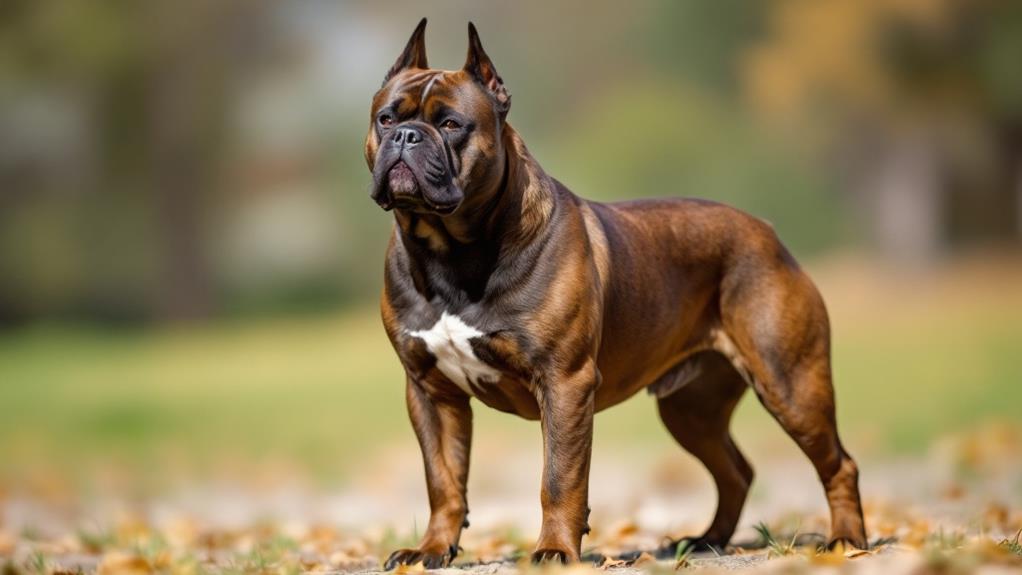
The Tosa Inu is a giant breed that commands attention with its impressive stature and muscular build. Standing between 21.5 to 23.5 inches tall and weighing between 100 to 200 pounds, these dogs are recognized by the American Kennel Club for their imposing size. You're likely to notice the difference in size between males and females, with males typically being the larger of the two. Their muscular and stocky build gives them a robust appearance that's hard to ignore.
Their physical characteristics include a smooth, dense double coat with a hard texture, available in five striking colors: red, apricot, fawn, black, and brindle. This coat not only contributes to their noble look but also provides some weather resistance. Dark brown eyes and nearly black nails add to their bold appearance, while slight white markings on the chest and feet are allowed. You'll also find darker ears, tail tips, and facial markings that improve their unique look.
The Tosa's long, thick tail, though striking, can sometimes lead to accidental injuries. Their ears hang gracefully to the jawline, contributing to their distinctive and powerful silhouette.
Care and Maintenance
Owning a Tosa Inu involves meeting their specific care and maintenance needs to guarantee a happy and healthy life. Start with early socialization to reduce anxiety and help your Tosa feel comfortable in a variety of situations. Because they're protective and territorial, introduce them to a range of environments, people, and other animals as puppies. This will aid in developing a well-rounded dog that's less likely to react defensively.
Training should focus on positive reinforcement techniques. This intelligent yet self-willed breed responds best to rewards and praise, rather than harsh methods, which can backfire and cause resistance. Leash training is particularly significant due to their strength, ensuring you can control them on leisurely walks and during backyard play.
Ensure your home is secure and spacious, with high fences, as Tosa Inus are naturally protective. If you have children, a dog-savvy environment is vital.
Regular veterinary check-ups are essential for early detection of any health issues. Furthermore, weight management should be a priority, particularly given their low to mid-energy levels. By following these care and maintenance guidelines, you can support your Tosa's overall well-being.
Health and Nutrition
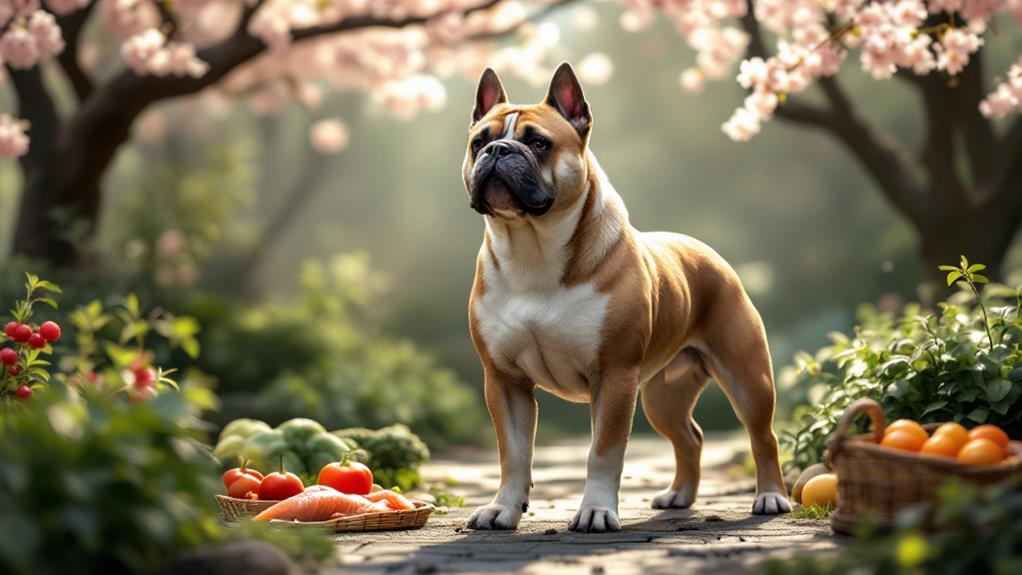
A critical aspect of ensuring your Tosa Inu's well-being is providing a balanced and nutritious diet tailored to their specific needs. As a member of a large dog breed, your Tosa requires high-quality, life stage-appropriate food, particularly during their puppyhood. Look for options with the AAFCO seal of approval to guarantee nutritional adequacy. Since Tosas are prone to digestive issues like bloat, it's smart to offer smaller, more frequent meals to prevent discomfort.
Portion control plays an important role in maintaining your Tosa's health. Given their low to mid-energy levels, they only need about 45-60 minutes of relaxed exercise daily. Overfeeding can lead to weight gain, which can negatively impact their life expectancy and exacerbate common health issues like hip dysplasia. Specialized diets for giant breeds can help provide the right balance of nutrients necessary for their growth and development.
Regular veterinary check-ups are key to monitoring your Tosa's health and weight. Early detection of any concerns can greatly improve their quality of life. By focusing on proper nutrition and preventive care, you can help your Tosa Inu live a long and healthy life.
Adoption and Breeders
Steering through the world of Tosa Inu adoption and breeders can be a challenge due to the breed's rarity, especially in the U.S. With limited breeders available, finding Tosa puppies requires diligence and patience. If you're considering adoption, be prepared for a long wait. Tosa Inus are seldom found in rescue shelters, so checking national rescue websites like PetCurious and PetFinder can be helpful, though options might be limited.
When it comes to breeders, it's essential to seek out responsible breeders who prioritize health and behavior. These breeders often screen for common health issues like hip dysplasia to guarantee they're providing healthy, well-behaved puppies. The cost of Tosa puppies can range from $1,700 to $2,500, but expect to pay more if the puppies come from award-winning parents.
For those committed to owning this unique breed, focusing on breeders who are part of the Foundation Stock Service can be advantageous. This guarantees the breeder is maintaining the quality and standards expected of the Tosa breed. Remember, the search for a Tosa Inu may be challenging, but finding a reputable source is worth the effort.