Top 6 Possible Reasons Why Your Dog Isn’t Eating
If your dog's not eating, there are several possible reasons. Health issues, like chronic conditions or sudden illness, can suppress appetite. Dental problems might make chewing painful, causing food refusal. Stress from environmental changes or separation anxiety is another common factor. Recent medications or vaccinations might temporarily affect eating habits due to side effects. Your dog may also be picky about food preferences, rejecting certain flavors or textures. Identifying the cause is essential for addressing the problem. Investigate further to uncover detailed insights and solutions for improving your furry friend's appetite and well-being.
Health Issues
In regard to your dog's appetite, health issues are often at the forefront of concerns. When your dog is not eating, it could indicate a decreased appetite due to a medical condition that requires veterinary attention. Health problems like infections, dental disease, and organ dysfunction can lead to significant appetite changes. If you notice symptoms such as vomiting, diarrhea, lethargy, or sudden weight loss alongside your dog's decreased appetite, these could be signs of serious health problems needing immediate care.
Chronic conditions such as kidney disease, cancer, or gastrointestinal disorders can profoundly impact your dog's desire to eat. These conditions often necessitate regular veterinary check-ups for early detection and management. While dental issues will be discussed later, it's essential to recognize that medications and recent vaccinations can also play a role in altering your dog's appetite temporarily. If you see a persistent lack of interest in food, consult your veterinarian to rule out adverse reactions or other health complications.
Being proactive and attentive to these signs is vital. Addressing these health issues early can help guarantee your dog maintains a healthy appetite and general well-being.
Dental Problems
Regarding your dog's appetite, dental problems can often be the culprit behind their reluctance to eat. When your furry friend is experiencing pain and discomfort from dental disease, their willingness to consume food might decrease markedly. Common signs of these issues include bad breath, swollen gums, excessive drooling, and difficulty chewing, all of which can lead to food refusal. It's important to pay attention to these symptoms as they can seriously impact your dog's oral health and general well-being.
Pain in dogs due to dental problems like broken teeth or gingivitis may cause them to avoid eating. This pain can be particularly distressing, making it uncomfortable for them to chew or even open their mouths. Regular dental check-ups are necessary to prevent oral health issues from escalating. During these visits, a veterinarian may suggest X-rays to uncover hidden dental problems that aren't visible during a routine examination.
Addressing dental issues promptly is imperative. By resolving them, you can restore your dog's comfort and improve their appetite. Remember, maintaining good oral health through regular dental care is key to preventing food refusal and ensuring your dog remains happy and healthy.
Stress Factors

While dental problems can certainly cause a decrease in your dog's appetite, stress factors often play a significant role as well. Stress triggers like changes in the environment, loud noises, or new pets can lead to a significant drop in your dog's appetite. You might notice behavioral signs such as excessive barking, hiding, restlessness, or outright refusal to eat, all of which indicate that your dog is experiencing anxiety.
Separation anxiety is another common issue, where a dog may not eat until you return home. This form of anxiety can deeply impact your dog's well-being and eating habits, making it vital to address. It's essential to create a stable and comforting environment to help alleviate these stress-related appetite issues. A consistent routine can provide your dog with a sense of security and comfort.
However, if the anxiety is severe, seeking professional help might be necessary. A professional can offer guidance and strategies to manage your dog's anxiety and improve its general well-being. Remember, your dog's mental health is just as significant as its physical health, and addressing stress factors can lead to more consistent eating habits and a happier pet.
Medication Effects
Starting a new medication can sometimes lead to a temporary loss of appetite in dogs, especially if the drugs cause gastrointestinal side effects like nausea. Medications such as antibiotics and non-steroidal anti-inflammatory drugs (NSAIDs), including Rimadyl, are known to trigger these unpleasant reactions. When your dog begins a new treatment, pay close attention to their eating habits. A noticeable drop in appetite might be a sign that the medication is causing discomfort.
You'll want to monitor the timing of when you administer the medication, as it can influence your dog's willingness to eat. Administering drugs with food might help reduce nausea and encourage better acceptance of meals. If your dog's appetite doesn't improve or worsens, it's essential to consult your veterinarian promptly. They can assess if the medication's side effects are intolerable and may suggest alternative treatments.
Persistent appetite issues can indicate an adverse reaction to the medication, so don't ignore these signs. Your veterinarian's guidance is invaluable in ensuring your dog receives the most suitable treatment without compromising their health. By staying vigilant, you can help manage these medication effects and keep your dog healthy and happy.
Recent Vaccinations
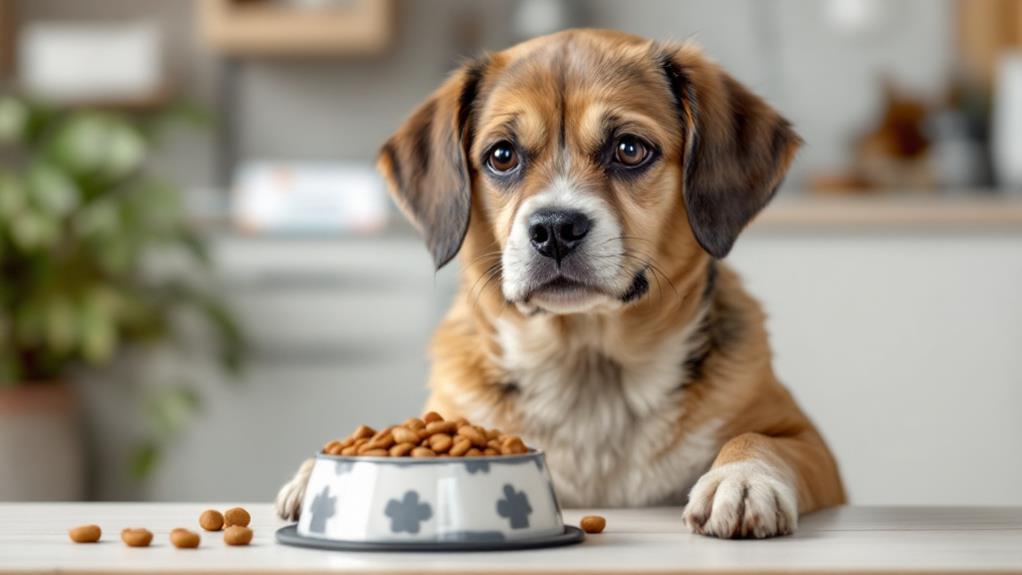
Vaccinations are a vital part of maintaining your dog's health, but they can occasionally lead to temporary side effects like a loss of appetite. Following vaccinations, it's not uncommon for your dog to experience a minor appetite loss. This is usually due to the immune system's response, which can cause temporary gastrointestinal upset. Most dogs will experience mild reactions such as lethargy or slight discomfort, and these should subside within 24-48 hours.
Here are some steps you can take:
- Monitor closely: Keep an eye on your dog's eating habits and general behavior in the days following the vaccination. Look for any signs of prolonged discomfort or other reactions.
- Contact your veterinarian: If your dog refuses to eat for more than 48 hours, it's important to consult your veterinarian. They can determine if there's an underlying issue that needs attention.
- Check for severe reactions: While rare, some dogs may have more severe reactions to vaccinations. Be vigilant and contact your vet if you notice any alarming symptoms.
- Maintain a calm environment: Reducing stress can help your dog recover faster. Make sure they have a quiet space to rest and recuperate.
These steps will help guarantee your dog's appetite returns to normal promptly.
Food Preferences
How do you know if your dog has developed specific food preferences? You might notice them refusing to eat certain foods, especially if they've had past experience with different flavors or textures. Dogs often develop preferences, favoring certain types over others. For instance, many dogs prefer wet food over dry food due to its moisture content and strong aroma, which can stimulate their appetite more effectively.
If your dog once enjoyed a mixed diet, they might now turn their nose up at plain dry food. The shift from a varied diet to a monotonous one can make them appear as picky eaters. Offering table scraps or human food can exacerbate this behavior, leading them to refuse their usual meals.
To identify your dog's food preferences, pay attention to their eating habits. Are they more enthusiastic about certain textures or temperatures? Warming their food slightly with warm water can improve the aroma, making it more enticing. Monitoring their response to different food types helps you tailor their diet, ensuring they maintain a healthy appetite. By understanding their preferences, you can make informed choices that suit their tastes and nutritional needs.