Tips for Adopting an Older Dog: What You Need to Know

When adopting an older dog, start by ensuring your home environment suits their needs. Check for pet allergies and adapt spaces with non-slip mats, baby gates, and ramps to accommodate mobility. Recognize potential health challenges, like arthritis, by scheduling regular vet check-ups and maintaining a detailed health history. Tailor training methods to respect their limitations, using positive reinforcement. Address emotional needs by creating a nurturing bond, recognizing they may have had past experiences affecting behavior. Gradually introduce them to existing pets, ensuring each has space to retreat. Keep exploring to uncover supplementary insights that make the shift smoother.
Assess Your Household Compatibility
When considering adopting an older dog, start by evaluating your household compatibility to confirm a smooth changeover for both your family and the new furry member. To begin, assess potential allergies within your household. Some family members might be sensitive to pet dander, which could lead to discomfort or health issues. Addressing this beforehand guarantees a harmonious environment.
Next, consider the available space in your home. Older dogs, especially those with arthritis, need areas that accommodate their mobility. Check for enough room for them to move comfortably and avoid stairs if they have physical limitations.
You'll also need to evaluate the time and energy commitment required. Older dogs may need regular vet visits and medication management, along with gentle exercise routines. Verify your schedule allows for this level of care.
Discuss house rules with everyone at home. Consistent training and responsibilities will help your senior dog settle in more easily.
Understand Senior Dog Needs
Understanding the needs of senior dogs is vital for providing them with a comfortable and fulfilling life. Senior dogs typically face unique challenges that require your attention. They often have specific health issues such as arthritis, diabetes, or even cancer. These conditions mean they need specialized care to maintain a good quality of life. Ensuring they get daily light exercise is fundamental, tailored to their individual capabilities. This not only helps with mobility but also keeps them mentally stimulated.
At home, you should make adjustments to accommodate their needs. Older dogs may struggle with mobility, so place food and water bowls in easily accessible areas. Pet-proofing your home can prevent accidents, ensuring they move around safely. Consistency in training and behavior management is still possible, as senior dogs can learn new commands with patience and understanding.
When considering boarding or daycare, find facilities that cater to older dogs. They should offer quieter environments and playgroups that match your pet's maturity and personality. By addressing these aspects, you'll improve their quality of life and help them enjoy their golden years to the fullest.
Prioritize Health Monitoring
Your older dog's health should be a top priority, especially as they face chronic issues like arthritis, cancer, and diabetes. Regular veterinary check-ups are crucial for early detection and management of these conditions. As a senior dog owner, you're encouraged to schedule at least two thorough health assessments annually. These check-ups help monitor for senior-related problems such as hearing and vision loss, which can greatly impact your dog's quality of life.
Consider investing in pet health insurance to help manage the costs associated with treating chronic conditions. Without financial stress, you can focus on providing the necessary care for your furry friend. Keeping a detailed health history that includes medications and dietary needs will guarantee that any veterinarian or care facility is well-informed about your dog's specific requirements. This can facilitate better health monitoring and allow for tailored care when needed.
Tailor Training Techniques
Training an older dog comes with its unique challenges and rewards. When you're adopting an older dog, remember they've likely developed established personalities and behaviors. It's vital to assess their current skills and introduce new commands using positive reinforcement. Patience is your best friend here, as senior dog care requires more time and consistency compared to training younger pups. Older dogs may need longer to adjust to new routines, so keep your expectations realistic.
Tailor your training techniques to accommodate any physical limitations. Low-impact training, like short sessions and gentle exercises, is ideal, especially if they have arthritis or mobility issues. Building trust is critical; your dog will learn better once they feel secure with you. Before diving into formal training, spend time bonding. This foundation of trust will make the learning process smoother and more enjoyable for both of you.
Sometimes, professional help can offer tailored strategies for specific behavioral challenges. A trainer experienced in senior dog care can provide valuable insights, ensuring a smoother adjustment into their new home. With patience and the right approach, you'll see your older dog thrive in their new environment.
Utilize Support Resources

Adopting an older dog means tapping into a wealth of support resources to guarantee they receive the best care possible. Start by establishing open communication with veterinary staff. They're instrumental in tailoring health monitoring specific to senior pets, confirming you're up-to-date with health updates and medication instructions. Don't hesitate to ask questions and build a strong rapport; it's essential for your dog's well-being.
Engage with community resources, like local support groups for senior dog owners. These groups offer valuable insights and shared experiences that can greatly improve your understanding of senior pet care. You'll find comfort in knowing others face similar challenges and can provide practical advice.
Educational materials are another important resource. Seek out books, articles, or online courses focused on senior dog care. They'll equip you with knowledge on health monitoring and behavior management, helping you address the unique needs of aging pets.
Lastly, utilize feedback mechanisms from care facilities to improve the services offered to your senior dog. By sharing your observations and experiences, you can help guarantee their comfort and well-being. Remember, your proactive approach can make a world of difference for your beloved companion.
Embrace Emotional Commitment
Emotional commitment forms the cornerstone of adopting an older dog, offering both challenges and profound rewards. When you bring a senior dog into your life, you're not just welcoming a pet; you're embracing a companion who may have experienced loss or trauma. This history can affect their behavior and their ability to trust. Understanding this is vital for fostering a nurturing environment where your senior dog can feel safe and loved.
The reality of a senior dog's shorter life expectancy means preparing yourself emotionally for the possibility of loss earlier than with younger pets. It's important to be ready for this aspect and the grieving process that may follow. Despite potential health issues, your love and care can greatly improve their quality of life. Each moment you spend with them can build a deep, rewarding bond that lasts a lifetime.
Engaging with support networks can offer invaluable emotional guidance. Sharing experiences with other senior dog owners enriches your experience, helping you navigate the joys and challenges of caring for an older dog. This emotional commitment guarantees you're fully prepared to provide the love and care your senior dog deserves.
Manage Expectations Thoughtfully
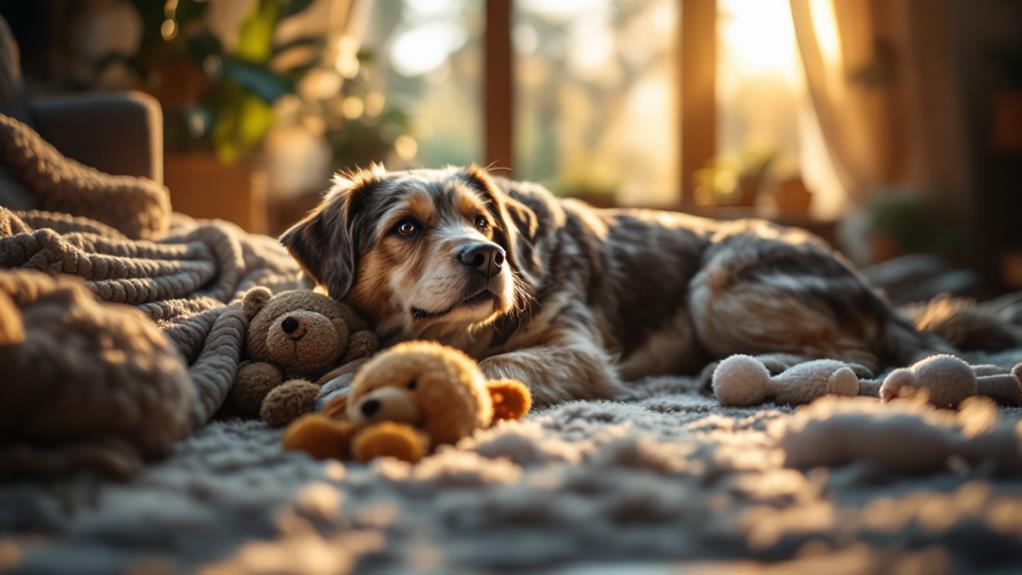
When bringing an older dog into your home, it's vital to manage your expectations thoughtfully. Senior dogs often need time to adjust to their new environment. Remember, they might come from diverse living situations and could feel stressed during the changeover. It's important to expect that their adjustment period will vary. Some dogs quickly settle in, while others may take a bit longer. Patience is your best ally here.
Maintain an optimistic attitude, as your positive demeanor can greatly influence your senior dog's emotional state. A calm and reassuring presence helps them feel secure and eases their adjustment. Don't assume their past behaviors will predict how they'll act in your home. They're adapting to new surroundings, so understanding and gentle guidance are key.
Some senior dogs might arrive withdrawn, grieving the loss of their previous owners. They'll need extra support to adjust to their new life with you. Establishing consistent routines provides them with the stability they crave. By managing your expectations and showing patience, you're paving the way for a smoother changeover, helping your dog feel loved and secure in their new forever home.
Facilitate Smooth Integration
Introducing a senior dog into your home requires careful planning to facilitate smooth integration with existing pets. Start by introducing your new dog and existing pets in a neutral setting to minimize territorial behavior and reduce anxiety. This approach helps both the new dog and your established pets feel more at ease during the adjustment. Remember, your existing pets have established personalities and routines, so maintaining these is vital. Allow them to continue their regular activities and responsibilities to guarantee they still feel secure and valued.
As the integration process unfolds, focus on gradual interactions. Monitor the initial meetings closely, allowing the animals to establish their own dynamics without pressure to bond immediately. This gradual approach helps them build a relationship at their own pace. Provide each pet with a safe place, like a separate bed or crate, where they can retreat if they feel overwhelmed or need some quiet time.
Utilize positive reinforcement to encourage friendly interactions and reduce stress. Reward good behavior with treats or praise, fostering a positive environment. This approach not only helps your pets adjust but also strengthens the bond between them, assuring a harmonious home.
Adapt Home for Mobility
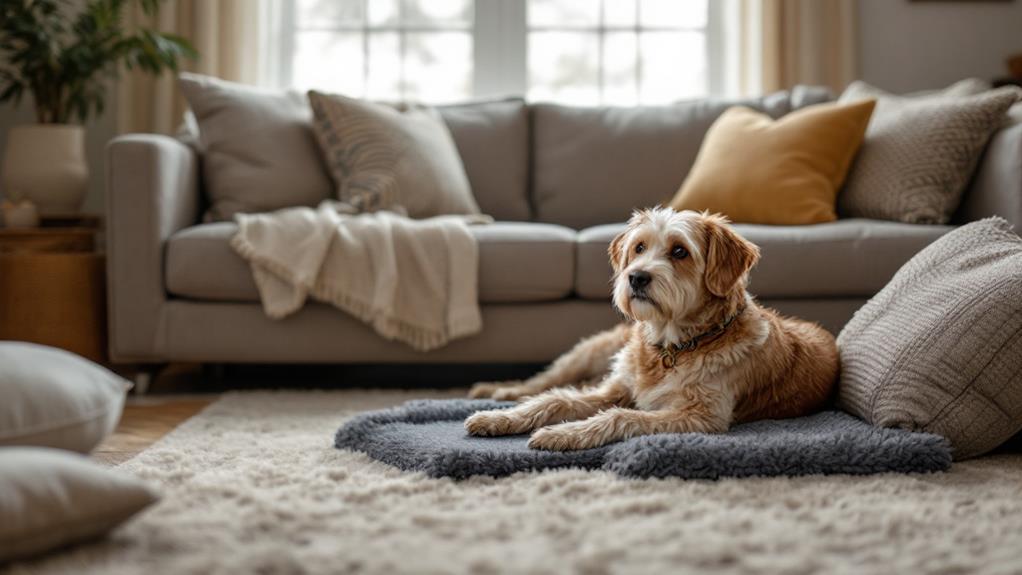
Preparing your home for a senior dog involves thoughtful adjustments to accommodate their mobility needs. Older dogs often face mobility challenges that require you to adapt your home for their safety and comfort. Start by ensuring your home is pet-proofed. Secure trash cans and cleaning supplies, as older dogs might accidentally knock them over or get into them, risking injury.
To prevent falls, place non-slip mats or rugs on slippery floors. These enhancements make it easier for senior dogs to move around without slipping. Limiting access to stairs is also vital. You can use baby gates or simply relocate significant items like food and water bowls to single-level areas. This minimizes the risk of injury from trying to navigate stairs.
Creating a cozy, designated space for your dog to rest is key too. Set up a comfortable bed or crate in a quiet area of your home where they can feel secure. Finally, consider installing ramps or pet steps to help your dog easily access furniture or vehicles. These modifications are fundamental to accommodating their physical limitations and ensuring they can move around comfortably.
Choose Appropriate Nutrition
Choosing the right nutrition for an older dog is crucial to maintaining their health and well-being. As your senior pet grows older, their dietary needs change, requiring specialized nutrition to support their lifestyle. Look for dog food rich in high-quality protein to help maintain muscle mass, while ensuring it has a lower fat content to prevent unnecessary weight gain.
Dental issues are common in older dogs, so opt for easy-to-chew formulations that make mealtime comfortable and enjoyable. Joint health is another vital concern for senior pets. Select a dog food that includes supplements like glucosamine and chondroitin, which are known to support mobility and improve overall joint function.
Remember that each dog is unique, and their nutritional needs might vary. It's wise to consult with your veterinarian to tailor a diet that addresses any specific health concerns, such as kidney issues or diabetes. Shifting your dog to a new diet should be done gradually. Mix their current food with the new option over a week to avoid gastrointestinal upset. By choosing the right nutrition, you're setting your senior pet up for a healthier and more comfortable life.