Tibetan Mastiff: The Independent and Intelligent Guardian Dog
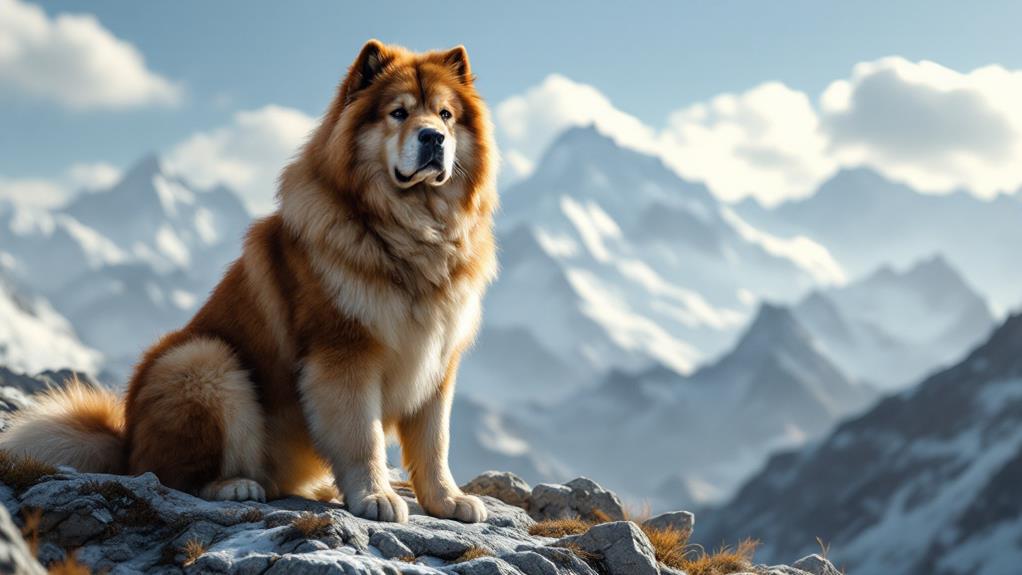
You'll find that the Tibetan Mastiff is a majestic and independent guardian, prized for its intelligence and loyalty. Bred originally to protect livestock in the Himalayas, this breed combines fierce protective instincts with an aloof nature. They require early socialization and gentle yet firm training due to their strong-willed nature. Their striking appearance features a lion-like mane and catlike feet ideal for rugged terrains. Regular grooming of their dense coat is essential. Ensuring their mental and physical stimulation keeps undesirable behaviors at bay. Owners need to accept the dedication required to nurture their full potential. Investigate further to reveal more about this unique breed.
Understanding the Tibetan Mastiff
In regards to understanding the Tibetan Mastiff, you'll find this breed is both impressive and unique. These dogs are known for their exceptional guarding instincts, having been historically bred to protect livestock in the harsh environments of the Himalayas. If you're considering a Tibetan Mastiff, it's important to recognize their natural protective nature. They are fiercely loyal to their family and territory, making them excellent guard dogs but also demanding responsible ownership.
Tibetan Mastiffs are independent thinkers, which means they can be quite stubborn and challenging to train. Their intelligence is undeniable, but it requires a dedicated owner to harness it effectively. You'll need patience and consistency to manage their behavior, ensuring they understand boundaries while respecting their natural instincts. Early socialization is vital to help them behave well around strangers and other pets.
Additionally, Tibetan Mastiffs mature slowly, often taking up to seven years to reach full size. This slow development requires you to be patient and attentive to their evolving needs. With a lifespan of 10-12 years, these dogs can be long-term companions, offering loyalty and protection. Understanding their needs and characteristics will help you provide a fulfilling life for your Tibetan Mastiff.
Physical Characteristics
The Tibetan Mastiff stands as a true giant among dog breeds, with males reaching heights of at least 26 inches and weighing up to 150 pounds. Females are slightly smaller, measuring around 24 inches tall and weighing between 70-120 pounds. This impressive size contributes to their commanding presence, making them easily recognizable.
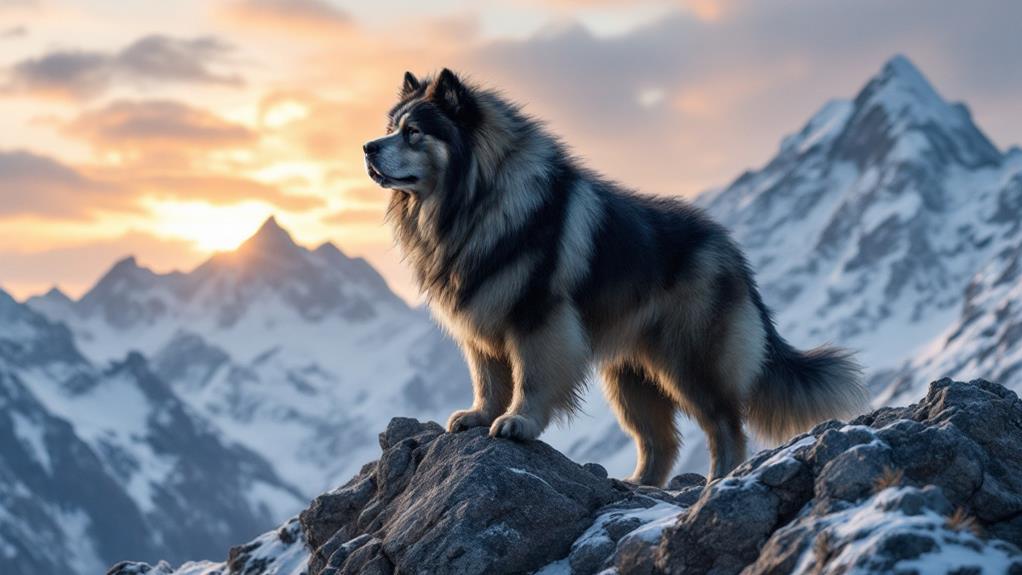
One of the key physical characteristics of the Tibetan Mastiff is its distinctive double coat, which consists of a thick, bristly outer layer and a wooly undercoat. This coat is not only striking but also functional, providing excellent insulation against cold climates. You'll notice their majestic mane, reminiscent of a lion, adding to their regal appearance. Their large, powerful builds are complemented by V-shaped ears, enhancing their imposing look.
Their bushy tail curls elegantly over the back, a trait that's both aesthetic and practical, aiding in balance. Furthermore, the Tibetan Mastiff's catlike feet provide remarkable stability and agility, crucial for traversing rugged terrains. It's worth noting that these dogs mature slowly, taking between 4-7 years to reach full size. With a lifespan typically ranging from 10 to 12 years, they are both loyal and enduring companions.
Temperament and Behavior
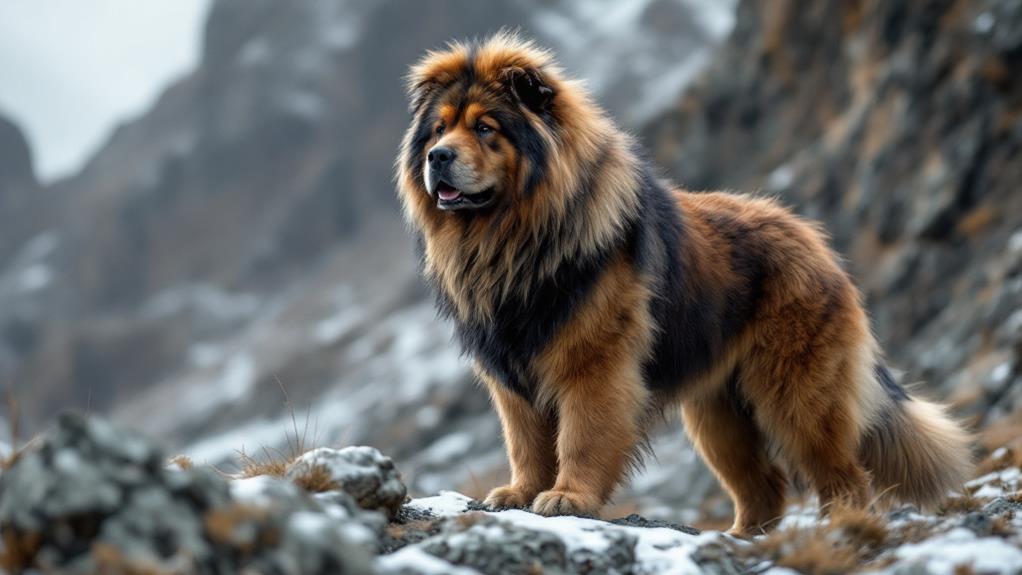
Exhibiting a blend of loyalty and independence, the Tibetan Mastiff's temperament is both enchanting and challenging. You'll find that their protective instincts make them devoted family members, though they often remain aloof with strangers. Early socialization is essential, as it helps manage their inherent guarding behavior. Without it, their strong-willed nature can make training quite a challenge.
These dogs are intelligent, yet they might display a streak of stubbornness. You'll need to approach training with patience and respect, using methods that foster good behavior rather than forceful tactics. Be prepared to work with them consistently to achieve the best results. Tibetan Mastiffs thrive on routines and can be more active during late afternoons and early mornings.
Indoors, they are generally quiet and clean, conserving their energy for the outdoors where they can roam freely. They're sensitive to family dynamics, and emotional changes or conflicts within the household can influence their behavior. Ensuring a stable environment will help them remain content and well-adjusted. Welcome their unique temperament, and you'll find a loyal, intelligent companion ready to protect and love your family.
Historical Significance
As you appreciate the Tibetan Mastiff's unique temperament, understanding its historical roots enriches your perspective on this majestic breed. Dating back to the 12th century B.C. in China, the Tibetan Mastiff was initially bred in the rugged Himalayas. This breed played an essential role in guarding livestock and property for nomadic cultures, defending against fierce predators like snow leopards and wolves. Their reputation as formidable protectors led to their service in armies of powerful empires such as the Persian and Assyrian, showcasing their historical significance as guardians.
The Tibetan Mastiff's expedition didn't stop in Asia. In 1847, they made their way to Europe, enchanting the imagination of dog enthusiasts. By the 1950s, the breed had reached the United States, marking its growing popularity far beyond its native region. Despite this global recognition, the Tibetan Mastiff faces challenges today. Traditional breeding practices in Tibet and Nepal have declined, threatening the preservation of this storied breed.
Training and Socialization
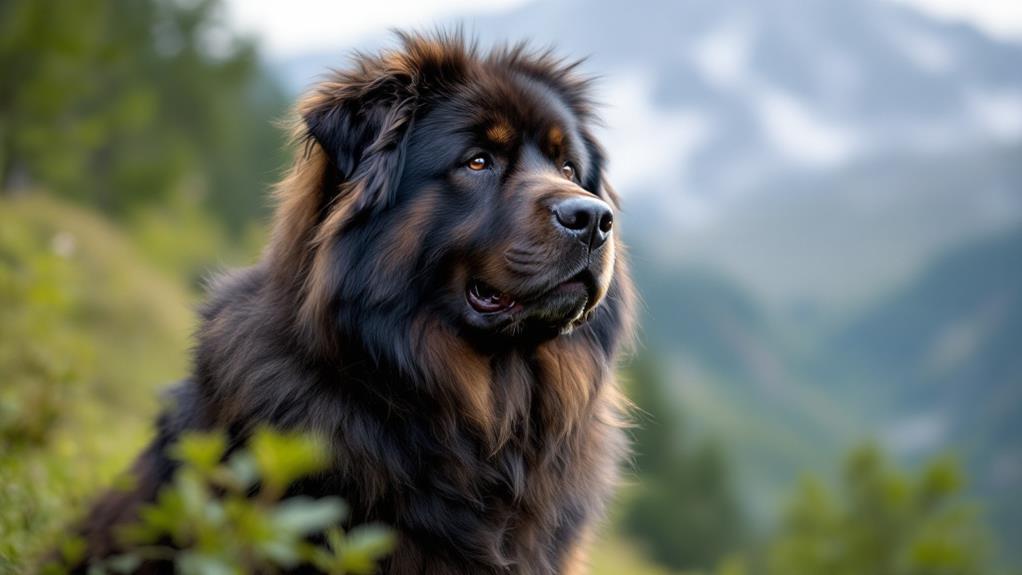
In relation to training and socializing your Tibetan Mastiff, starting early is vital. Early socialization helps manage their natural guarding instincts and aids in developing well-adjusted behavior. Introduce them to different environments, people, and situations during puppyhood. This exposure prevents suspicion and aggression towards strangers, which is significant for a breed known for its protective nature.
Training a Tibetan Mastiff requires patience and respect. They're strong-willed and independent, so they may not respond to commands as readily as other breeds. Consistent and lifelong training is fundamental. Regular outings to parks and dog runs help manage their behavior by allowing them to interact with other dogs and people. Without proper socialization, their guarding tendencies can become unmanageable.
It's typical for Tibetan Mastiffs to be familiar with only a limited number of people. They may not easily accept visitors, which highlights the need for ongoing socialization efforts. Continuing to introduce them to new experiences throughout their life helps guarantee they remain balanced and well-adjusted. Remember, the goal is to cultivate a confident and composed guardian, not a suspicious or aggressive one. With the right training, your Tibetan Mastiff can thrive as an intelligent and independent guardian.
Grooming and Care
Tibetan Mastiffs demand regular grooming due to their dense double coat. You'll need to brush them weekly to keep their fur healthy and free of tangles. During the shedding seasons in spring and summer, ramp up your grooming routine to manage the extra fur. This breed experiences significant shedding periods, especially during the annual coat blow, so prepare for a bit of extra cleaning around the house.
For their grooming routine, invest in a good quality brush designed for dogs with thick coats. Regular brushing not only maintains their coat but also helps distribute natural oils, keeping their skin healthy. A well-groomed Tibetan Mastiff is less prone to skin issues, and it makes them a more pleasant companion around the home.
In addition to grooming, make sure your Tibetan Mastiff gets daily exercise. They need mental and physical stimulation to prevent boredom, which can lead to destructive behaviors. A balanced diet is essential too. Feed them high-quality dog food, adjusting the amount based on their size and activity level. Always provide fresh water. With proper grooming and care, your Tibetan Mastiff will thrive as a happy, healthy member of your family.
Health and Lifespan
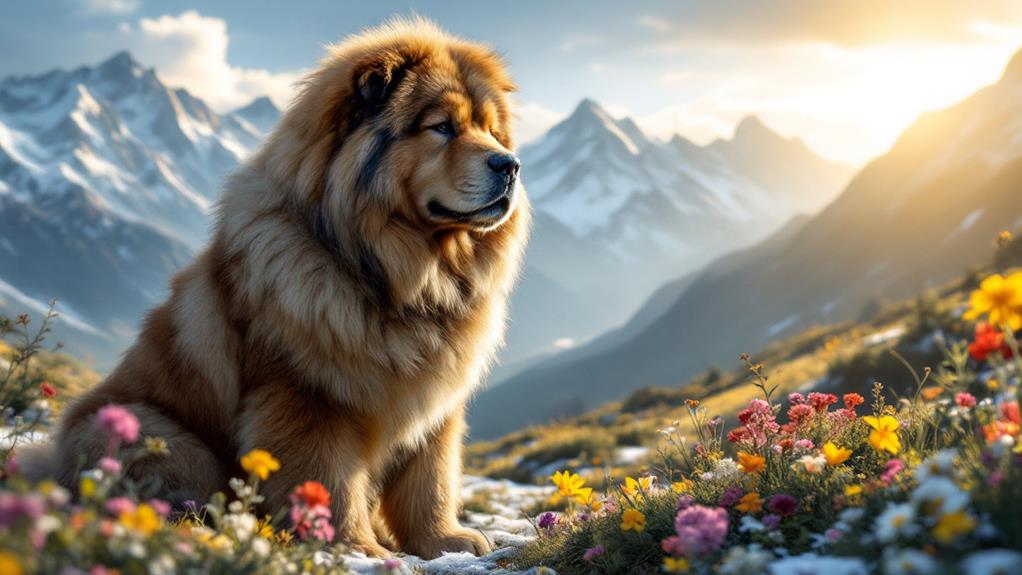
Caring for your Tibetan Mastiff's coat is fundamental, but ensuring their health and longevity takes center stage. With a typical lifespan of 10 to 12 years, and some living up to 14, it's imperative to focus on their comprehensive well-being. These majestic dogs mature slowly, reaching full size between 4 to 7 years. This gradual development can influence their health and care requirements, so patience and attention are key.
Regular health monitoring is crucial since Tibetan Mastiffs are prone to genetic conditions like hip and elbow dysplasia. Early detection and proper management can make a significant difference in their quality of life. You should consult your vet for routine check-ups and any concerns you might have.
Diet plays a critical role in maintaining their health. A balanced diet with high-quality dog food is recommended, usually around 2-4 cups daily, depending on your dog's size and activity level. Proper nutrition supports their joints and overall well-being.
While grooming is more demanding during their seasonal spring shedding, it's also an opportunity to check for any unusual signs that might affect their health. This proactive approach contributes to a longer, healthier lifespan for your loyal companion.
Family Compatibility
A Tibetan Mastiff's family compatibility hinges on its strong guarding instincts and independent nature. When you're evaluating this breed, it's vital to understand how these traits influence their role in a family. Tibetan Mastiffs can be tolerant of children, especially when they're supervised. However, respectful interactions are key, so children need guidance on how to approach and play with the dog. Early socialization is fundamental to managing their territorial behavior, guaranteeing your Tibetan Mastiff feels comfortable around family members and visitors.
Despite their devotion to family, they might act aloof towards strangers, which can be challenging in homes with frequent guests. It's significant to reflect on these factors and guarantee your home environment is equipped to handle such dynamics. Here are some considerations for integrating a Tibetan Mastiff into your family:
- Supervise interactions with children to foster a positive relationship.
- Prioritize socialization from an early stage to establish a harmonious environment.
- Teach respect to small children to prevent misunderstandings.
- Manage their independence with dedicated effort and consistent training.
- Prepare for their aloofness towards strangers, especially with frequent guests.
With the right approach, a Tibetan Mastiff can be a valuable family companion.
Challenges and Solutions
Steering through the intricacies of owning a Tibetan Mastiff involves understanding both their challenges and potential solutions. These majestic dogs have a strong guarding instinct, so early socialization is crucial. You'll want to expose your Tibetan Mastiff to diverse people and environments to curb any unmanageable guarding behavior. Their independent nature can make training difficult, but using consistent, patient, and respectful methods will help foster obedience.
A Tibetan Mastiff's strong will requires you to be a firm yet gentle leader. Training isn't just about commands; it's about building a trusting relationship. Boredom can lead to destructive behaviors, so regular mental stimulation and interactive companionship are fundamental. Engage your Tibetan Mastiff with puzzle toys or training games to keep their intelligent mind occupied.
Be mindful of their nocturnal barking tendencies. Proper containment and management can prevent disturbances for neighbors. Consider keeping your Tibetan Mastiff indoors at night or providing them a quiet, secure outdoor area. Grooming is another crucial aspect. You'll need to regularly groom their thick double coat, especially during shedding seasons, to manage hair loss and maintain their appearance. Address these challenges with dedication, and you'll enjoy a rewarding bond with your Tibetan Mastiff.
Conservation and Rarity
In recent years, Tibetan Mastiffs have faced significant conservation challenges due to a decline in traditional breeding practices in their native regions. This decline has made it tough to maintain purebred populations. As the breed's popularity soared, unethical breeding practices emerged, leading to mixed breeds and potential health issues. Preserving the Tibetan Mastiff's integrity is essential to maintaining its historical traits.
Awareness about the Tibetan Mastiff's heritage and the importance of responsible breeding can't be overstated. You play a significant role in ensuring the breed's long-term viability. If you're considering adding a Tibetan Mastiff to your family, focus on supporting ethical breeders committed to the conservation of this unique breed. Finding pure Tibetan Mastiffs has become increasingly challenging, underscoring the need for dedicated conservation initiatives.
Here's what you can do to contribute:
- Support breeders who prioritize the breed's health and history.
- Educate others about the Tibetan Mastiff's unique characteristics and needs.
- Participate in or support conservation programs dedicated to this breed.
- Advocate for responsible breeding practices to prevent health issues.
- Stay informed about the challenges faced by the Tibetan Mastiff community.
Your efforts can help preserve this majestic guardian for future generations.