The Unique Bond Between Horses and Humans: Exploring the Connection
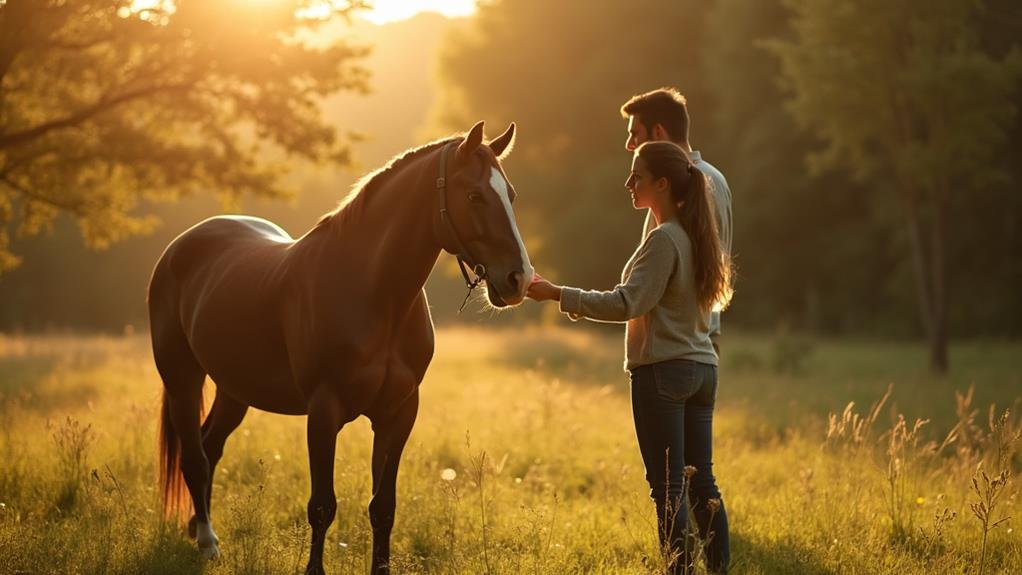
You share a unique bond with horses that's deeply rooted in history and culture. Horses have been your steadfast partners in labor, transportation, and therapy. This connection transcends language, involving nonverbal communication and emotional understanding. By recognizing a horse's behavioral signals, you build trust and deepen your relationship. Through grooming, riding, and shared activities, you strengthen this bond, promoting emotional balance and well-being. Modern interactions and equestrian sports continue to showcase this enduring partnership. As technology and therapeutic practices evolve, the potential of your relationship with horses expands, offering exciting new possibilities for growth and exploration in this timeless connection.
Historical Partnership
Throughout history, humans and horses have forged a remarkable partnership that has shaped civilizations. You've probably seen how horses played significant roles in labor and transportation, influencing the course of societies. They held immense cultural significance, featuring prominently in ancient rituals and ceremonies. By understanding their importance, you can appreciate how these majestic creatures became symbols of power and status in different cultures.
You'd find that early humans developed a range of training techniques to harness the strength and speed of horses. These methods weren't just about control; they involved mutual respect and understanding, fundamental for effective collaboration. As you investigate this partnership, you'll notice how breed development became essential to meet specific needs, regardless of warfare, agriculture, or travel. Different regions focused on cultivating breeds that excelled in particular labor roles, enhancing their utility and reliability.
Additionally, horses have been central in storytelling traditions, with countless tales and myths celebrating their loyalty and bravery. You might uncover stories passed down through generations, illustrating how deeply intertwined horses were with human experiences. This historical partnership goes beyond mere utility, reflecting a shared expedition that's as enriching as it is enduring.
Communication and Understanding
The bond between horses and humans thrives on effective communication and mutual understanding. You can't rely solely on words to connect with a horse; instead, you must tune into nonverbal cues. Horses communicate through behavioral signals, such as ear movements or tail swishes, which you'll need to interpret accurately. Building mutual trust involves recognizing these signals and responding with instinctive responses that reassure the horse. This silent dialogue forms the foundation of your relationship.
Training techniques play an essential role in enhancing this connection. By using methods that respect the horse's social dynamics and natural behaviors, you can foster a cooperative partnership. Employ empathetic interactions that demonstrate your emotional intelligence. Understanding a horse's needs and emotions leads to a deeper bond, encouraging them to respond positively to your guidance.
Incorporating emotional intelligence into your approach allows you to navigate challenges in training and communication. You'll learn to adapt your behavior to suit the horse's temperament, creating a harmonious environment. By mastering these elements, you'll cultivate a relationship defined by mutual respect and understanding, allowing both you and the horse to thrive together in a unique partnership.
Emotional Connection
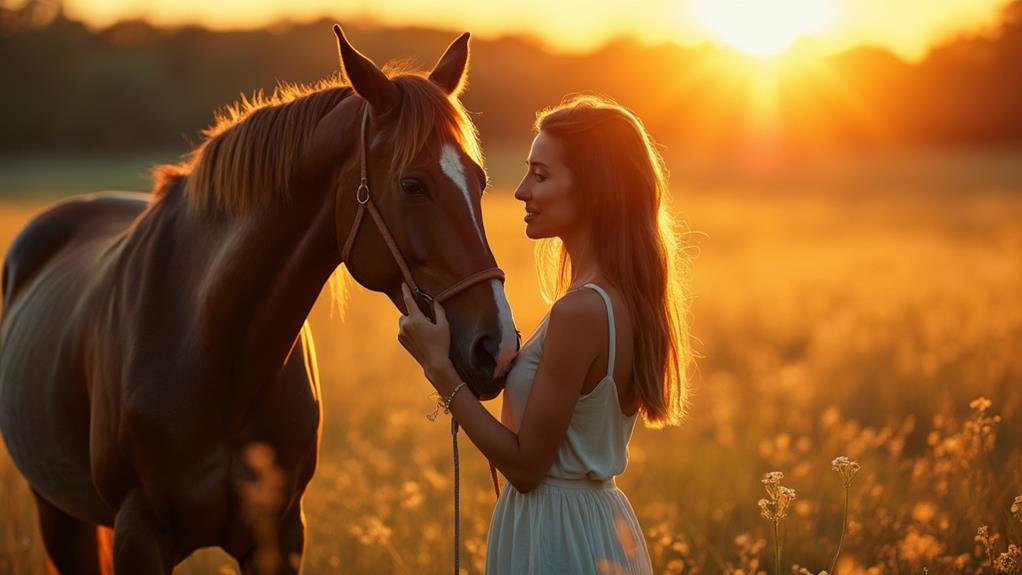
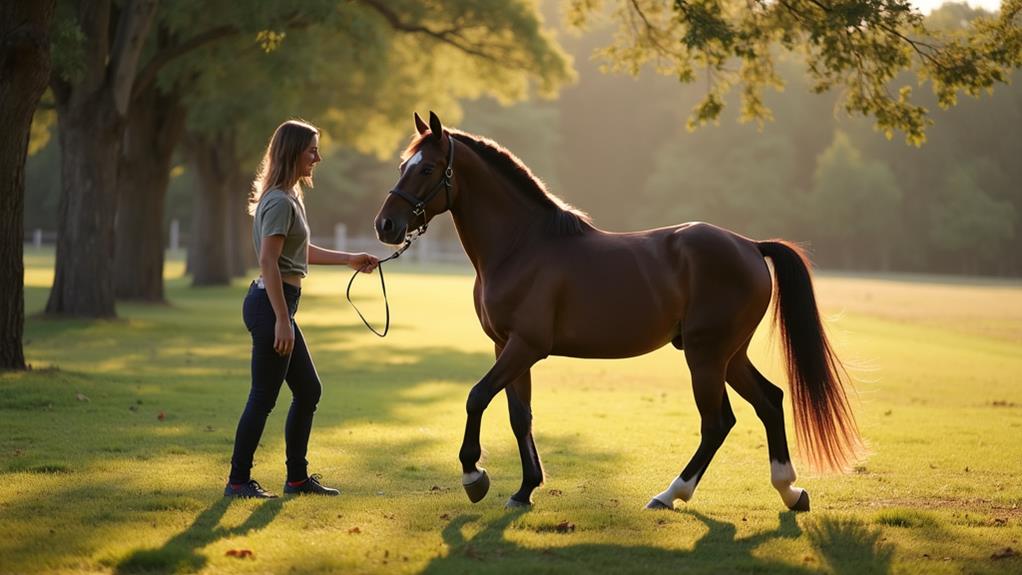
While developing an emotional connection with a horse, you'll reveal it goes beyond mere communication. This connection offers emotional support, allowing both you and the horse to feel understood and valued. Through bonding experiences, such as grooming or riding, you create a shared expedition that strengthens your relationship. Trust building becomes a fundamental part of this process. When a horse trusts you, it responds with loyalty and cooperation, enhancing your mutual connection.
Empathy development plays an essential role in understanding your horse's subtle cues and emotions. As you spend more time together, you'll learn to recognize its nonverbal communication, like the flick of an ear or the swish of a tail. These gestures can indicate your horse's feelings, helping you respond appropriately and deepen your bond.
Engaging in shared activities further solidifies your connection. Regardless of whether it's exploring new trails or practicing groundwork exercises, these moments foster a sense of unity and companionship. As you nurture this emotional connection, you'll realize a profound sense of fulfillment and joy. The relationship you build with your horse becomes a unique partnership, enriching your life in ways you might not have imagined.
Therapeutic Benefits
Building on the profound emotional connection with your horse, you'll find that this bond can reveal remarkable therapeutic benefits. Equine therapy is a powerful tool for stress relief and emotional healing. When you interact with horses, you engage in activities that promote mindfulness practice, allowing you to stay present and focused. This connection helps alleviate stress and anxiety, creating a calming effect that can lead to emotional balance.
Horses also play a significant role in physical rehabilitation. Riding and caring for a horse involves a range of physical activities that can aid in improving your strength, coordination, and flexibility. This type of therapy is particularly beneficial for individuals recovering from injuries or dealing with physical disabilities.
Moreover, the social interaction you experience in equine therapy can enhance your confidence and communication skills. Horses are non-judgmental partners, offering you a safe space to express yourself and build trust. This interaction fosters personal growth and emotional resilience, helping you navigate social situations with greater ease.
In essence, the bond with your horse becomes a gateway to healing and self-discovery, offering a holistic approach to well-being that encompasses both the body and mind.
Horses in Modern Society
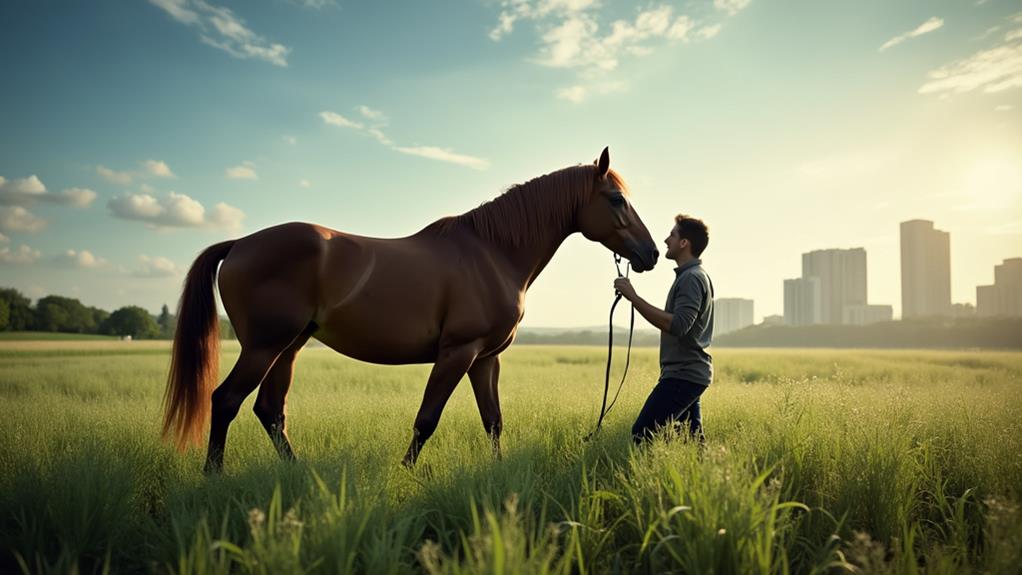
In the present world, horses continue to play a crucial role beyond just leisure and sport. Urban equestrianism is gaining popularity, offering city dwellers a chance to experience the joy and discipline of horseback riding. You might be surprised to find stables and riding classes right in the heart of vibrant cities, providing a unique escape from urban chaos. These urban equestrian centers serve as a reminder of the horse's enduring presence in contemporary life, connecting people with nature even in concrete jungles.
Equine sports also hold a significant place in the current society. Events like show jumping, dressage, and polo captivate audiences worldwide, showcasing the deep bond between rider and horse. If you're a fan of competitive sports, watching these events might give you a new appreciation for the skill and trust involved. Horses and their riders work in harmony, demonstrating remarkable athleticism and grace.
Moreover, horses contribute to modern society through equine-assisted activities that promote physical and mental well-being. These programs often involve riding or simply interacting with horses, offering therapeutic benefits to individuals of all ages. In your community, horses continue to be valuable partners in fostering personal growth and enhancing quality of life.
Future of Human-Horse Relations
Anticipation surrounds the future of human-horse relations as technological advancements and evolving societal needs redefine this ancient partnership. You're witnessing a transformation where training advancements improve communication and understanding between riders and horses. Techniques that harness technology integration, like virtual reality and biometrics, offer new ways to enhance equestrian sports training. Imagine analyzing a horse's gait or stress levels in real-time, allowing for swift adjustments to improve performance and well-being.
Equestrian sports are adapting too, as innovations lead to safer and more efficient practices. Technology is making these sports more inclusive, opening doors for more people to engage with horses, regardless of competition or leisure. As you investigate the possibilities, you'll see that horses remain embedded in cultural symbolism, representing freedom, strength, and companionship. This symbolism is evolving, reflecting the changing dynamics of human society and the role horses play within it.
In the future, you could witness horses in new roles, possibly in therapeutic settings or as ecological partners. As society progresses, your connection with these magnificent creatures will continue to grow, shaped by both tradition and innovation. Welcome this evolving expedition, and uncover the limitless potential of your bond with horses.