The Role of Personal Protection Dogs in Modern Society
What is it about personal protection dogs that makes them such a valuable asset in today’s society? Read more to understand valuable context about the evolving role of these dogs, how they fit into contemporary living, and why more people are turning to them for safety and companionship in an increasingly uncertain world.
The Shift Toward Personal Protection Dogs in Civilian Life
For centuries, dogs have been used to protect property, livestock, and people. Their natural instincts for guarding and loyalty made them indispensable in ancient and rural settings. In modern society, however, personal protection dogs have taken on a new role. While technological advancements such as home security systems, CCTV cameras, and biometric locks are effective, they offer a passive form of security. A personal protection dog, on the other hand, is a living, breathing guardian that actively engages with its surroundings.
In many ways, the shift toward using personal protection dogs in civilian life is a response to an increasingly unpredictable world. Economic uncertainties, rising crime rates in certain areas, and growing concerns about personal safety have led many individuals and families to seek out more direct forms of protection. For some, these dogs offer peace of mind that even the most sophisticated technology cannot match. Their ability to discern threats, protect without hesitation, and adapt to changing environments makes them particularly valuable in modern society.
One dog trainer from Total K9 comments on this shift: “People today are looking for more than just a security measure—they’re looking for a companion who can protect them. Personal protection dogs offer that unique combination of loyalty and reliability. They’re a natural extension of the family, always there, always aware.”
Why Technology Alone Isn’t Enough
The rapid pace of technological advancement has made home security systems more accessible and sophisticated than ever before. Smart doorbells with cameras, motion-activated sensors, and even facial recognition technology are now common features in many homes. However, these systems, while effective, have limitations. They may alert you to an intruder, but they do not prevent the threat in real-time.
A personal protection dog fills the gap that technology often leaves behind. These animals are trained to respond immediately and intelligently to potential dangers. Unlike a static security system, a protection dog is always on alert and can differentiate between benign situations and real threats. This proactive approach offers a more immediate form of protection, particularly in high-stress or dangerous situations.
Additionally, personal protection dogs bring a level of intuition that technology simply cannot replicate. They sense changes in their environment, picking up on subtle cues like body language or unusual behavior. For families or individuals living in areas where security may be a concern, this ability to preemptively recognize and respond to danger is invaluable.
Emotional Security in an Uncertain World
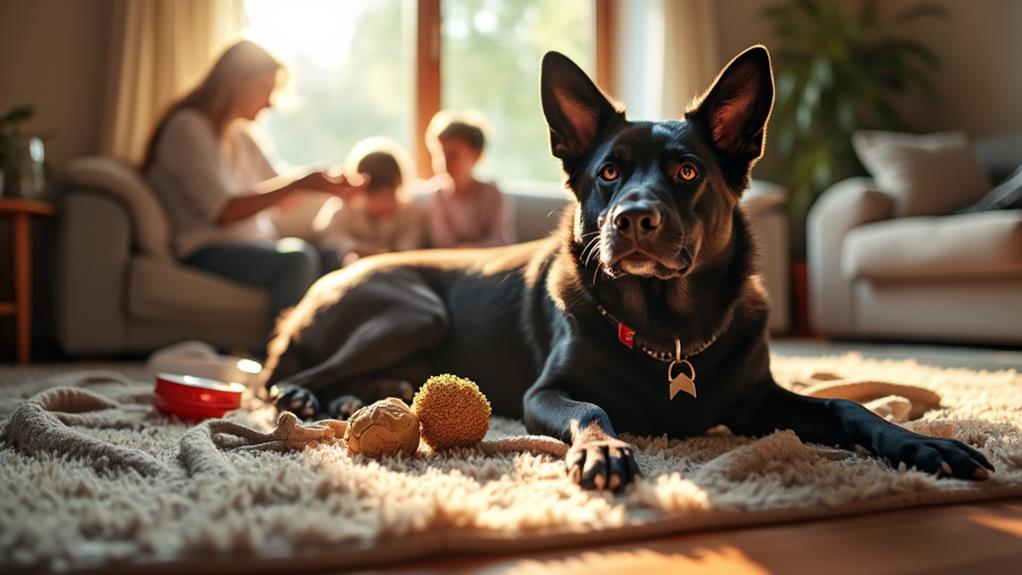
One of the most understated but powerful roles personal protection dogs play in modern society is their ability to provide emotional security. In an increasingly fast-paced and unpredictable world, stress and anxiety about safety are common. Protection dogs offer more than just physical safeguarding; they also provide companionship and a sense of emotional stability.
For individuals living alone, or for families who may feel vulnerable, the presence of a well-trained dog can offer a calming influence. Unlike a security system that functions purely mechanically, a protection dog bonds with its owner, providing a sense of loyalty and reassurance that technology cannot. This emotional connection, coupled with their protective instincts, makes these dogs particularly valuable in situations where anxiety or stress may be heightened.
It’s important to note that protection dogs are not simply aggressive animals trained to attack on command. They are balanced, intelligent companions who can provide comfort and emotional support. Their presence can reduce feelings of isolation or vulnerability, especially in environments where personal safety is a significant concern.
The Right Fit: Choosing a Protection Dog for Modern Living
One of the most important considerations for those interested in acquiring a personal protection dog is choosing the right breed and training program. Not all breeds are suited to the demands of modern life, and the success of integrating a protection dog into your home depends on careful selection. Popular breeds for protection work include the German Shepherd, Belgian Malinois, and Rottweiler, each known for their loyalty, intelligence, and strength.
However, selecting the right dog goes beyond breed. The dog’s temperament, energy levels, and adaptability to your specific living conditions are equally important. For instance, families with children may prefer a dog that is known for being patient and gentle while still capable of providing protection. Conversely, individuals seeking a dog for personal protection in high-risk environments might prioritize a breed known for its vigilance and defensive instincts.
Another critical aspect is the training process. A well-trained protection dog is not simply a guard dog; they are companions who can live harmoniously in a family environment while being ready to protect at a moment’s notice. Professional training programs focus on obedience, socialization, and controlled protection, ensuring the dog can recognize and respond to threats appropriately.
A trainer from Total K9 adds, “When we train protection dogs for families, the goal is balance. We want a dog that can play with your kids in the yard but also spring into action if there’s a threat. That balance is key to their role in modern society.”
Legal and Ethical Considerations
While personal protection dogs offer many benefits, owning one also comes with legal and ethical responsibilities. Many countries and cities have regulations regarding the ownership of certain breeds, particularly those associated with protection work. It’s essential to be aware of local laws, including requirements for licensing, leashing, and training.
In addition, owning a protection dog means accepting responsibility for their behavior in public spaces. These dogs are trained to respond to specific threats, but they must also be well-socialized to ensure they do not perceive everyday interactions as danger. Owners need to commit to ongoing training and reinforcement to maintain the dog’s skills and ensure they are always under control.
Ethically, it’s important to remember that these dogs are more than just security tools; they are living creatures with emotional and physical needs. Proper care, regular exercise, and mental stimulation are crucial to their well-being. A well-cared-for protection dog is not only more effective in its role but also happier and healthier overall.
The Growing Popularity of Personal Protection Dogs
The rising popularity of personal protection dogs in modern society can be attributed to several factors. First, they offer a form of security that is both reliable and adaptable. In an age where crime rates and personal safety concerns can fluctuate, having a dog that can provide real-time protection brings immense peace of mind.
Second, the emotional support these dogs provide is irreplaceable. As society becomes more interconnected through technology, many people find themselves craving the authentic, loyal companionship that only a dog can offer. Protection dogs fulfill that need while also serving a practical purpose.
Finally, these dogs represent a return to a simpler form of protection that is timeless. Long before the invention of security cameras or motion detectors, humans relied on dogs for protection. Today, that relationship continues to thrive, offering a sense of continuity in an ever-changing world.
Conclusion: Personal Protection Dogs in the 21st Century
In a society where personal safety is increasingly valued, personal protection dogs offer a unique solution. Combining physical security with emotional support, they bridge the gap between technology and human companionship. Whether serving as a vigilant protector during daily life or as a loyal companion during stressful times, these dogs provide an unmatched sense of security and peace of mind.
As more people in modern society recognize the benefits of these animals, it’s clear that personal protection dogs are here to stay. Their adaptability, loyalty, and intelligence make them an invaluable asset in a world where safety and emotional well-being often go hand in hand. For those willing to make the commitment, the rewards of owning a personal protection dog far outweigh the challenges, ensuring that these noble companions continue to thrive in the 21st century.