The Most Exotic Pets You Can Legally Own in the US
In the U.S., you can legally own an incredible array of exotic pets. From big cats like cougars that demand specialized care, to unique rodents such as capybaras needing social interaction and ample space. Fennec foxes offer canine-like companionship, while fascinating reptiles like ball pythons are manageable even for beginners. For those drawn to small mammals, hedgehogs and ferrets bring energy and charm. If you're interested, colorful birds like parrots and macaws are also an option, along with intriguing arachnids like tarantulas. Each pet requires commitment and knowledge, and exploring further reveals the details and considerations for each fascinating choice.
Key Takeaways
- Exotic cats like tigers and cougars require legal permits and specialized care in certain states.
- Legal ownership of foxes and fennec foxes is allowed in approximately 15 states.
- Capybaras and porcupines need permits and specific care due to their unique needs.
- Parrots, cockatoos, and macaws are colorful birds that require decades of commitment and companionship.
- Bears and monkeys demand significant responsibility and are legal in select states with strict regulations.
Exotic Cats
While owning exotic cats might seem thrilling, it's a responsibility that demands serious consideration and preparation. Exotic pet ownership, especially of certain species like tigers and cougars, isn't just about having a unique animal; it's about ensuring you're equipped to meet their significant needs. In the US, federal laws and state regulations vary widely, with some states like Ohio making it illegal to own big cats such as lions, tigers, leopards, and cougars. This highlights the importance of understanding the legal landscape before considering such a commitment.
For instance, tigers in captivity can require up to 88 pounds of meat per meal and enclosures ideally spanning 40 square miles. This level of care is demanding and expensive, emphasizing why exotic cats aren't suited for the average pet owner. Cougars, though legal in some states, are not domesticated pets and still retain wild instincts that can pose risks. Their care requires deep knowledge and respect for their natural behaviors. With an estimated 3,890 wild tigers left, the ethical considerations of exotic pet ownership also come into play, making it essential to weigh the conservation impact of keeping such magnificent creatures.
Canine-like Exotics
Embracing the allure of canine-like exotics, you might find foxes and fennec foxes enchanting. As exotic pets, they offer a unique charm with their wild instincts and fascinating appearances. However, owning these animals isn't straightforward. With legal variability across states, you must initially check local laws, as foxes are only legal to own in about 15 states. Even if permitted, these animals present special challenges.
Foxes, even when bred for domestic traits, retain their wild nature. They demand a specialized diet and proper socialization. Expect a need for significant interaction, as social needs are essential for their well-being. Without regular engagement, they might exhibit destructive behaviors and strong odors, which can be overwhelming in traditional home environments.
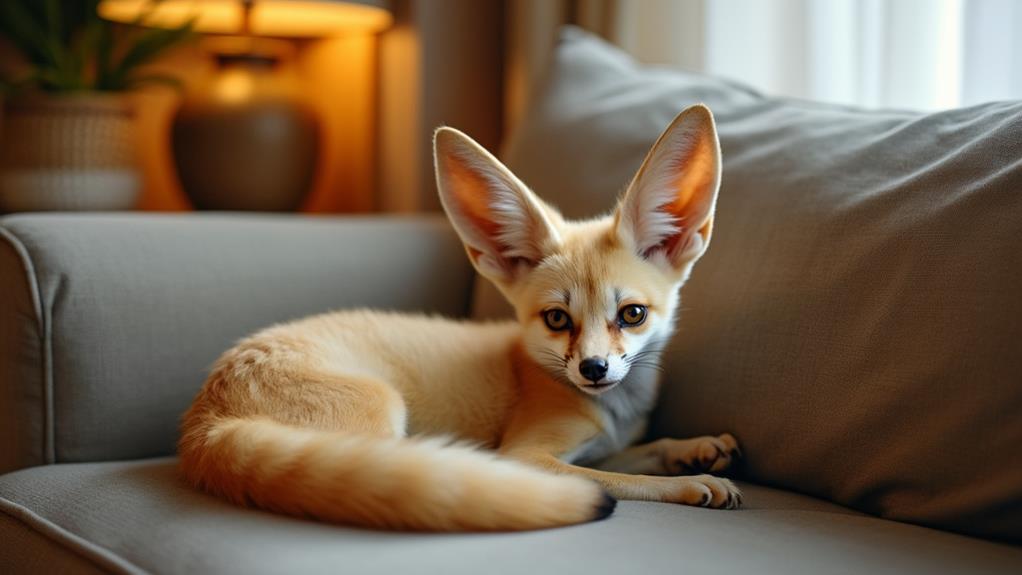
Fennec foxes, with their docile nature and large ears, are slightly more manageable but still require commitment. These small desert foxes thrive on social interaction and need a diet tailored to their unique requirements. For potential owners who aren't home often, meeting their social needs could be challenging. Before bringing a fennec or any fox into your home, verify you're prepared for the complexities of their care and the legal implications.
Unique Rodents
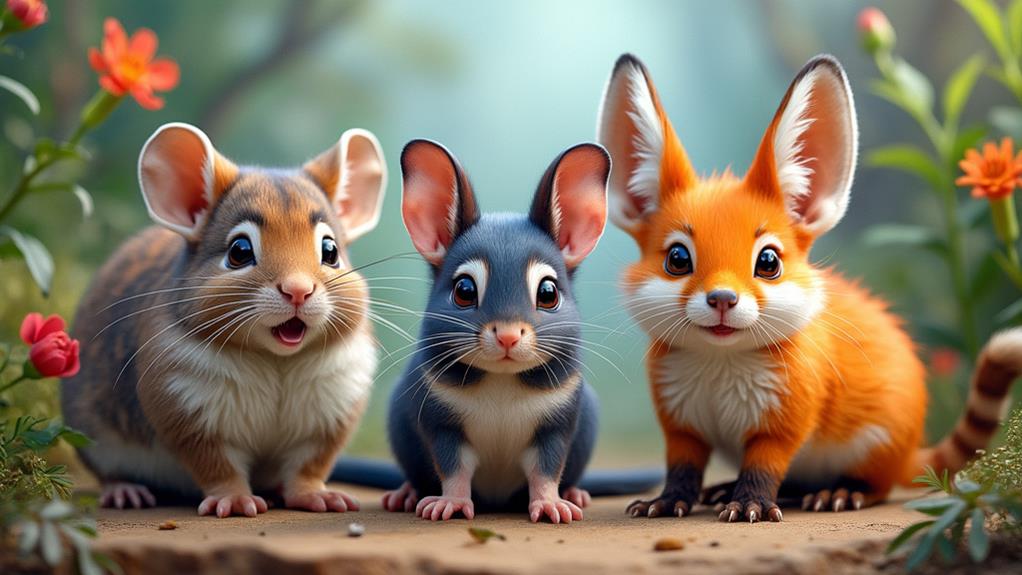
When considering unique rodents as pets, you'll find a variety of fascinating options that come with their own set of needs and challenges. Capybaras, for instance, are the largest rodents in the world and require ample outdoor space and social interaction. They're truly exotic animals but keeping them as pets often requires permits due to legal ownership regulations that vary across states. If you're looking for something a bit smaller, porcupines offer a calm demeanor but present unique challenges due to their quills and specific habitat needs. Legal ownership of porcupines can also differ from state to state.
Prairie dogs are another option, legal to keep in most states. They're highly social creatures requiring significant enrichment to thrive. Without proper management, they can become aggressive, so make sure you're ready for the commitment. Hedgehogs, although small and nocturnal, demand specific habitat conditions and diets. Their unique personalities make them an attractive choice for many. Finally, guinea pigs, known for their social nature, are happiest in pairs and are suitable for families and individuals alike. They're among the more accessible exotic animals for legal ownership, offering companionship and joy.
Small Mammals
Exploring the world of exotic pets, small mammals offer a delightful mix of charm and challenge. Among them, hedgehogs stand out with their unique personalities. They're legal in many states, but they require specific habitat conditions like a warm enclosure and a diet rich in insects. These nocturnal creatures prefer solitude, making them a fascinating pet choice for those who enjoy observing rather than constant interaction.
Ferrets, on the other hand, bring boundless energy and playfulness to your home. Legal in many states, they thrive on social interaction and need regular exercise. With an average lifespan of 6-10 years, they're a longer-term commitment, but their antics are sure to keep you entertained.
Capybaras, the largest rodents, are another exotic option. Legal in certain states with permits, they need ample outdoor space and water to swim. They're social animals, so it's best to keep them in groups, ensuring they're happy and healthy.
Lastly, porcupines can be surprisingly easygoing companions. Legal in some states, they require specific habitats and careful handling due to their quills. Their calm demeanor makes them a unique enhancement to any exotic pet collection.
Popular Pigs

Miniature pigs, often endearingly called "teacup pigs," have captured the hearts of many with their petite size and friendly demeanor. Despite their small appearance, they can weigh between 100 to 200 pounds when fully grown. If you're considering having one as a pet, it's crucial to comprehend that miniature pigs require a specialized diet and regular exercise to stay healthy. They're social creatures, thriving best with companionship, so be prepared to give them plenty of attention.
Legal ownership of miniature pigs can vary greatly depending on where you live. Some states or localities might require permits or have specific care standards you must meet. Before bringing a miniature pig home, check your local regulations to verify it's legal and that you can provide the necessary care.
These intelligent animals can be litter trained and taught tricks, making them engaging companions. However, owning a miniature pig is a long-term commitment, as they can live for 12 to 20 years. Make certain you're ready for this responsibility. With the right preparation and understanding of their needs, miniature pigs can be a delightful and rewarding enhancement to your home.
Colorful Birds
After considering the charm of miniature pigs, let's turn our attention to the lively world of colorful birds. These exotic pets, such as parrots, cockatoos, and macaws, are admired for their lively plumage and engaging social behaviors. If you're captivated by the idea of sharing your home with one of these feathered friends, prepare for a dynamic, long-term commitment. Parrots, like the African grey and Amazon parrot, can live for over 50 years, demanding decades of care and companionship.
Cockatoos are incredibly social and affectionate but can develop behavioral issues if they don't receive enough attention and mental stimulation. Macaws, with their striking colors and impressive size, need spacious environments to stretch their wings and a diet rich in fruits, vegetables, and nuts to stay healthy.
Before bringing any exotic bird home, it's essential to understand the legality of ownership. Laws vary by state, and some species might require permits.
- Parrots: Lively and talkative, needing decades of care
- Cockatoos: Affectionate but need constant interaction
- Macaws: Large, colorful, and require plenty of space
- Legality: Check local regulations and permit requirements
Incorporating these beautiful creatures into your life can be a rewarding experience if you're ready for the responsibility.
Fascinating Reptiles
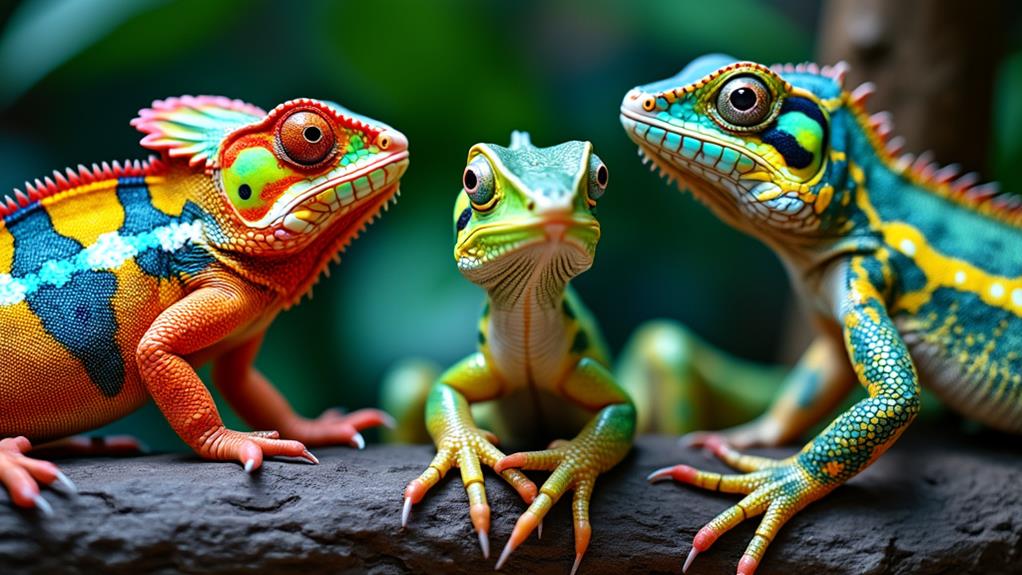
Engage yourself in the enchanting world of intriguing reptiles, where you'll find an array of unique and fascinating pets. Reptiles offer an exciting opportunity to own exotic creatures, each with its own set of needs and characteristics. Among these mesmerizing animals, boa constrictors stand out as popular choices. These non-venomous reptiles are legal to own in many parts of the United States. Known for their docile nature, they require custom enclosures and a diet of pre-killed rats and mice to thrive.
If you're considering a smaller, yet similarly intriguing pet, pythons, such as ball pythons, could be an excellent choice. They're legal in many states and need large enclosures with proper heating to maintain their health. Like boa constrictors, they primarily feed on rodents.
For those new to reptile care, leopard and crested geckos make fantastic starter pets. These reptiles are easy to care for due to their manageable requirements. Box turtles are another option, offering longevity and requiring specific habitat conditions and diets. Each of these reptiles brings a slice of the exotic into your home, creating a legal and rewarding pet-owning experience.
Intriguing Arachnids
Often, when people think of exotic pets, interesting arachnids like tarantulas and scorpions come to mind. These fascinating animals are gaining popularity in the US due to their low-maintenance needs and unique appeal. Tarantulas, for instance, make excellent exotic pets as they require minimal daily care and feed on insects like crickets and mealworms. They can live for several years, with species like the Goliath birdeater boasting an impressive leg span of up to 12 inches.
Handling tarantulas can be tricky. Their delicate exoskeletons and potential defensive behaviors mean you need to be cautious. Despite this, they are generally docile creatures.
Similarly, scorpions are intriguing exotic pets. They're legal in many states and known for being low-maintenance. They thrive in specific habitat conditions and primarily eat insects. The Emperor scorpion, a popular choice, can grow up to 8 inches long. Its sting, though painful, is rarely fatal to humans, making it an interesting yet manageable pet option.
If you're considering adding arachnids to your collection, keep these points in mind:
- Low-maintenance care
- Unique and interesting appearance
- Specific habitat needs
- Variety of species available
Large Mammals

Owning large mammals as exotic pets in the US can be both thrilling and challenging. Imagine having a bear in your backyard—it's legal in over a dozen states. However, before you decide to keep a bear, you should be aware that these majestic creatures require a deep understanding of their behavior and care. They can display sudden aggression, making it crucial to know what you're getting into. The Department of Agriculture often oversees the regulations, and you may face prohibitions or restrictions, depending on your state.
Monkeys, especially capuchins and chimpanzees, also fall under the category of large mammals you might consider. These intelligent creatures can live up to 40 years, demanding constant attention and specialized care. They're known for their aggressive behaviors and specific hygiene needs. Owning a monkey isn't just a commitment; it's a lifestyle change.
Llamas offer a different experience. Known for their loyalty and relatively low maintenance, they can serve as therapy animals. However, they need plenty of outdoor space and companionship due to their herd instincts. If you're interested in large mammals, consider the responsibilities and confirm you're prepared for the long-term commitment.
Unusual Marsupials
While large mammals might command attention with their size and presence, unusual marsupials offer a unique charm and often surprising adaptability as exotic pets. If you're considering one of these intriguing creatures, there are several options to investigate. Sugar gliders are small, nocturnal marsupials known for their gliding ability and social nature. They thrive in pairs or groups, making companionship fundamental for their well-being.
Wallabies, the smaller relatives of kangaroos, are another option, legally owned in some states. They require ample space to roam and can become dangerous if agitated, so proper care and attention are vital.
If you're after something truly unique, quokkas, often dubbed "the world's happiest animal," might catch your interest. However, their ownership is heavily regulated, generally requiring permits.
Virginia opossums, North America's only marsupial, are legal in some states. Known for their docile nature, they're an often-overlooked exotic pet choice.
Here's a quick breakdown of these unusual marsupials:
- Sugar Gliders: Social, gliding, nocturnal
- Wallabies: Require space, can be dangerous
- Quokkas: Permit needed, "happiest" animal
- Virginia Opossums: Docile, legal in some states
These unique creatures can add a touch of the wild to your home, provided you follow the rules of ownership.