The Most Dangerous Dog Breeds: What You Should Know

When considering dog ownership, knowing which breeds are labeled as dangerous can help you make informed decisions. Pit Bulls and Rottweilers are often highlighted due to their bite statistics and aggression potential. For instance, Pit Bulls account for two-thirds of fatal dog attacks in the U.S. while Rottweilers follow closely. Doberman Pinschers and German Shepherds also have notable bite forces. However, with proper training and socialization, you can mitigate these risks. Beware of legal implications like breed-specific legislation that could affect your liability and insurance. Uncover more insights on responsible ownership and breed-related considerations next.
Overview of Dangerous Breeds
While some breeds are often labeled as dangerous, it's important to understand the characteristics and statistics that contribute to these perceptions. Dangerous dog breeds like Pit Bulls and American Bulldogs often appear in dog bite statistics due to their involvement in fatal dog attacks. Pit Bulls, in particular, account for about 66% of such incidents in the U.S. This statistic highlights their significant role among aggressive breeds. However, it's imperative to recognize that these numbers are influenced by factors like training and socialization. Without proper guidance, these breeds might exhibit aggressive behaviors.
Moreover, Doberman Pinschers, known for their protective nature, have a bite force of 600 PSI. They've been involved in six fatalities, stressing the importance of consistent training. Likewise, American Bulldogs have a bite force of 305 PSI and account for 3.5% of fatal dog bites. These breeds require experienced handling to mitigate potential aggression. Proper training and socialization play critical roles in determining a dog's behavior. Understanding these elements can help you approach these breeds with the respect and responsibility they need, ensuring they are safe companions rather than statistics in dog bite reports.
Notable Breeds and Traits
In regard to notable dog breeds and their traits, understanding their unique characteristics is fundamental for responsible ownership. In terms of Pit Bulls, they are often in the spotlight due to their history in dog fighting and aggressive tendencies. They account for about 66% of dog bite fatalities in the U.S. Their bite force ranges between 235 and 260 PSI, emphasizing the necessity for proper training and socialization.
Rottweilers, known for their protective instincts, have been responsible for 39 fatalities over the past two decades. With a formidable bite force of 328 PSI, they require consistent training to channel their instincts positively. German Shepherds, linked to 17 deaths, are celebrated for their intelligence and loyalty. However, without early socialization and training, they can exhibit aggressive behavior toward perceived threats.
Chow Chows, possessing a bite force of 220 PSI, are known for territorial aggression. Early socialization and training are imperative to mitigate these tendencies. Finally, Doberman Pinschers, with a strong bite force of up to 600 PSI, are recognized for their guarding instincts. Diligent training and socialization are essential to ascertain they remain well-behaved and safe companions.
Bite Force and Statistics

Understanding the bite force of different dog breeds is crucial when considering their potential risks. The American Pit Bull Terrier, with a bite force of 235 to 260 PSI, is statistically responsible for 68% of dog bite fatalities since 1982, making it one of the most dangerous dogs. Rottweilers, possessing a bite force of 328 PSI, have been linked to 45 human fatalities in recent years. This data highlights the significance of proper training to mitigate potential risks.
On the other hand, the Doberman Pinscher exhibits an impressive bite force of around 600 PSI. Despite its strength, this breed has only been associated with 6 fatalities. Known for their protective nature, Dobermans demonstrate how a powerful bite doesn't always correlate with a high number of human fatalities. German Shepherds, with a bite force ranging from 238 to 291 PSI, account for 20 deaths. Their strength and intelligence often see them in law enforcement roles.
Annually, about 4.5 million dog bites occur in the U.S., with breeds like Pit Bulls and Rottweilers greatly contributing to severe injury and fatality statistics. Understanding these figures emphasizes the significance of recognizing the potential dangers associated with certain breeds.
Impact of Training
Training plays an essential role in shaping a dog's behavior and ensuring safety, especially with breeds known for their potential danger. Early and consistent training can greatly reduce aggressive tendencies in breeds like Pit Bulls and Rottweilers. If you handle these dogs with experience and care, you can mitigate the risk of injury. Socialization is similarly important for breeds such as Doberman Pinschers and German Shepherds. By exposing them to diverse environments and people, you can prevent fear-based aggression and encourage positive behavior.
Consider these key points:
- Proper training leads to fewer aggressive incidents, regardless of breed.
- Positive reinforcement is particularly effective for high-energy breeds like Siberian Huskies and Boxers.
- Neglecting training and socialization can result in behavioral issues, even in smaller breeds like Chihuahuas.
- Professional training support can be beneficial for new or uncertain dog owners.
Positive reinforcement helps channel the energy of high-energy breeds into desirable actions, reducing aggression. On the flip side, neglecting training and socialization can exacerbate behavioral issues. Even smaller breeds, like Chihuahuas and Chow Chows, may become aggressive without proper guidance. Prioritizing training and socialization can make all the difference in responsible dog ownership.
Responsible Ownership
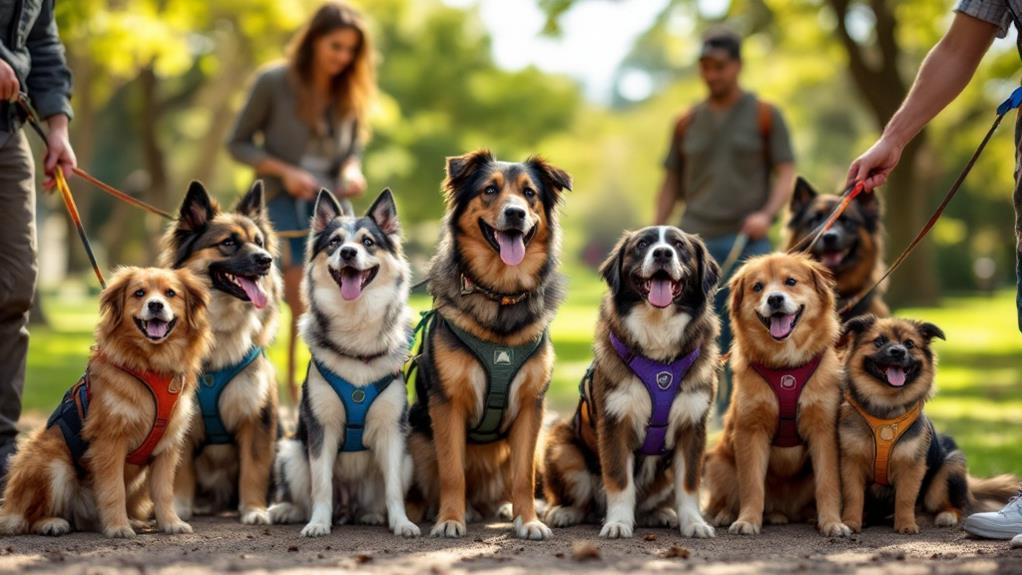
Owning a dog, especially one from a breed considered dangerous, requires a deep commitment to responsible ownership. Understanding the specific needs of breeds like the American Pit Bull Terrier and Rottweiler is vital. These dogs demand experienced handling, consistent training, and socialization from an early stage to mitigate aggression. Dangerous breeds, such as Doberman Pinschers and Bullmastiffs, have powerful bite forces, making proper training fundamental in preventing aggressive behaviors.
To address potential behavioral issues, it's significant to provide these high-energy dogs with ample exercise and mental stimulation. When neglected, their pent-up energy can lead to increased aggression and other unwanted behaviors. Engaging with community programs focused on dog training and responsible ownership can improve your skills and help enhance public safety. These programs also work to reduce the stigma associated with certain breeds, promoting a better understanding of dog behavior.
Legal Considerations
Maneuvering the legal terrain is essential for anyone contemplating owning a breed labeled as dangerous. Understanding the intricacies can save you from potential legal repercussions. Many states enforce breed-specific legislation targeting dangerous breeds like Pit Bulls and Rottweilers. Before bringing such a dog home, familiarize yourself with local ordinances. Non-compliance can lead to fines, confiscation of your pet, or even legal action.
Consider these key points:
- Insurance coverage concerns: Some companies may refuse to cover homes with certain aggressive dog breeds, or they might hike up your premiums due to the perceived risk.
- Civil liability: If your dog bites someone, you could face legal action and be held liable for damages. Indiana's two-year statute of limitations for dog bite lawsuits emphasizes the need for timely legal action.
- Local ordinances: Each area has specific rules regarding dangerous dogs. Ignorance isn't an excuse and could result in hefty penalties.
- Potential danger awareness: Understand the risks associated with your chosen breed. This knowledge is essential to prevent incidents that could lead to severe legal consequences.
Safety Tips for Families
While maneuvering through legal considerations is essential, guaranteeing family safety around certain dog breeds is equally significant. When you have children, close supervision is key, especially around breeds known for aggressive tendencies like Pit Bulls and Rottweilers. Kids are often the most common victims of dog bites, so teaching them how to interact safely with dogs is imperative.
Start early with socialization and training for your dog, particularly if you own strong breeds like Doberman Pinschers or German Shepherds. This helps mitigate aggressive tendencies and promotes good dog behavior. Secure your yard with high fences to prevent any escape and safeguard your family from potentially aggressive encounters with breeds such as Bullmastiffs and Alaskan Malamutes.
Educate your family about dog body language and warning signs of aggression. Recognizing these cues can prevent incidents, especially with breeds like Huskies and Chow Chows. Always approach unfamiliar dogs cautiously, regardless of breed. Avoid direct eye contact or sudden movements, as even breeds like Labrador Retrievers can react unpredictably if startled. Prioritizing these safety tips will help guarantee your family and pets coexist peacefully and safely.
Resources for Dog Owners
Understanding your dog's breed characteristics and guaranteeing early socialization and training are vital aspects of responsible dog ownership. These steps can help mitigate aggressive behaviors often associated with certain breeds. As a dog owner, you have access to numerous resources to support you in this process.
- Dog training classes: Enroll in local classes to learn effective training techniques tailored to your dog's specific breed needs.
- Educational materials: Utilize books and online resources focused on dog behavior to recognize and address signs of aggression.
- Legal resources: Understand breed-specific legislation and liability issues, which can be significant if your dog is considered a "dangerous breed".
- Community engagement: Participate in workshops and seminars to foster responsible pet ownership and improve neighborhood safety.
Taking preventive measures is key to guaranteeing safety for both your dog and the community. By actively engaging in dog training classes and expanding your knowledge on dog behavior, you can create a positive environment for your pet. Furthermore, familiarizing yourself with legal aspects, such as breed-specific legislation and liability issues, guarantees informed ownership. Community engagement improves your understanding and commitment to responsible pet ownership, ultimately benefiting everyone involved.
Community Involvement

Engaging in community involvement is a powerful way to address the challenges associated with dangerous dog breeds. By participating in local programs focused on dog training and safety, you can help reduce aggressive behavior and promote responsible ownership among residents. Community outreach initiatives are essential in educating the public about the risks linked to specific dog breeds and highlight the importance of proper training and socialization.
Local organizations often host workshops and seminars that offer valuable resources for dog owners. These events provide insights into breed characteristics and effective training techniques, enhancing dog safety within your community. Public education plays a critical role in fostering a safer environment for both dogs and residents, promoting better understanding and interaction between dog owners and non-owners.
Collaboration is key. When animal control, law enforcement, and community members work together, they can develop improved policies and safety measures regarding dangerous dog breeds. This teamwork can greatly reduce the incidence of dog bites and create a more harmonious community. By getting involved, you contribute to advocacy for humane treatment and responsible ownership, ensuring a safer and more informed community for everyone involved.