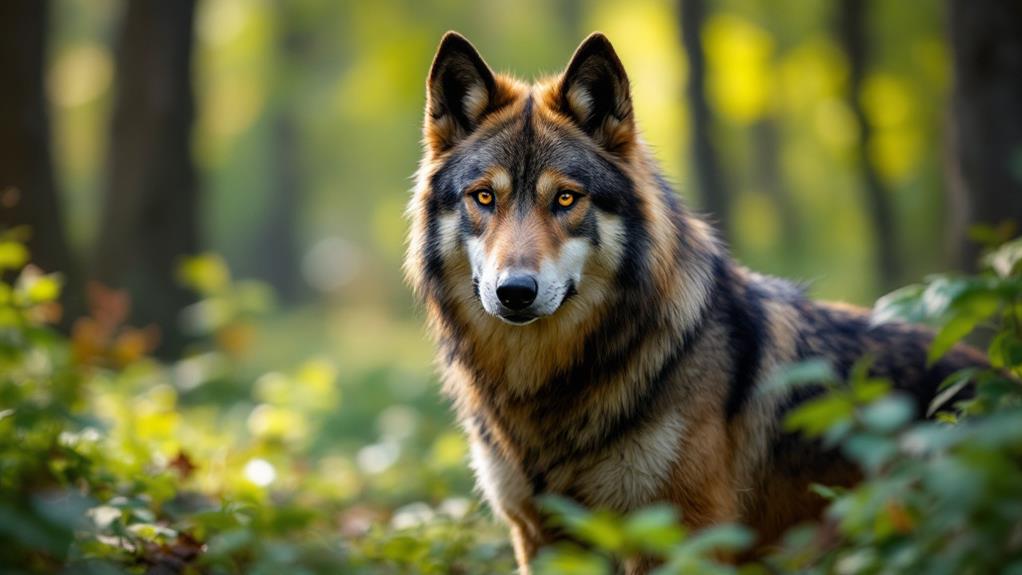
The Matagi Dog: Discover One of Japan’s Rare Purebreds
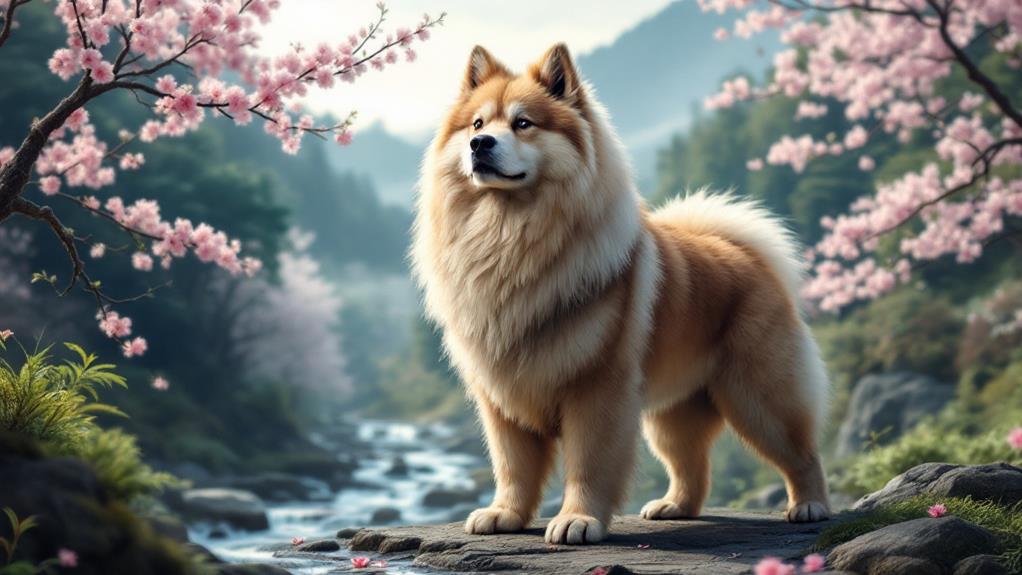
You're about to investigate the fascinating world of the Matagi Dog, a rare purebred from Japan's Akita Prefecture. Originating in the 17th century, these dogs were invaluable to matagi hunters, helping track and hunt large game like bears. With roots tied to both indigenous Ainu and Jomon peoples, these dogs have a rich genetic lineage. Physical traits include a thick double coat and a sturdy build, crucial for cold climates. Unfortunately, the Matagi Dog faces a declining population, prompting urgent conservation efforts. By looking closer, you'll uncover more about the Matagi Dog's incredible heritage and current challenges.
Historical Roots of Matagi Dogs
Although lesser-known outside Japan, Matagi dogs have a rich history that dates back to the 17th century in the Akita Prefecture. These Japanese hunting dogs were developed by the matagi hunters, a community known for their expertise in tracking and hunting large game like bears and deer. As a native breed, Matagi dogs are deeply rooted in the history of the Akita region, embodying the traditional skills and resilience needed for survival in the harsh landscapes of northern Japan.
You might be fascinated to learn that Matagi dogs are believed to be descendants of the indigenous Ainu and Jomon peoples. They showcase a genetic link to both the Hokkaido dog and wolves, highlighting their ancient heritage. Historically, the breed was known as the Ainu Dog until Japan's Ministry of Education reclassified it as the Hokkaido Dog in 1937. This reclassification underscored the cultural significance of this remarkable breed.
Genetic studies suggest that the Matagi lineage is connected to the D1b1a2 haplogroup, hinting at a historical lineage from the Heike warriors and local kings. As a unique Japanese native breed, Matagi dogs hold a revered place in Japan's history.
The Role in Matagi Culture
In the rugged landscapes of Akita Prefecture, Matagi dogs played a vital role in the matagi hunting culture. These dogs, developed by matagi hunters, were integral for tracking large game like brown bears, boars, and deer. Their keen senses and ability to navigate harsh mountainous terrains made them perfect partners in traditional hunting practices. You'd find these dogs not only fundamental for survival but also deeply intertwined with spiritual rituals. Matagi hunters often regarded Matagi dogs as spiritual companions, offering them to the mountain goddess during hunting expeditions.
The bond shared between Matagi dogs and hunters went beyond practical hunting. It was also about the shared communal knowledge that these hunting practices fostered. Through specialized tools and techniques developed over generations, the Matagi dogs' abilities were important. However, the decline in the traditional matagi population, from around 200 to a mere 44, has reduced the prominence of these dogs in contemporary hunting. This shift highlights a vital need for conservation efforts to preserve not only the Matagi dogs but also the rich cultural legacy they represent. By focusing on conservation, you can help guarantee this unique cultural heritage isn't lost forever.
Akita Dog Characteristics
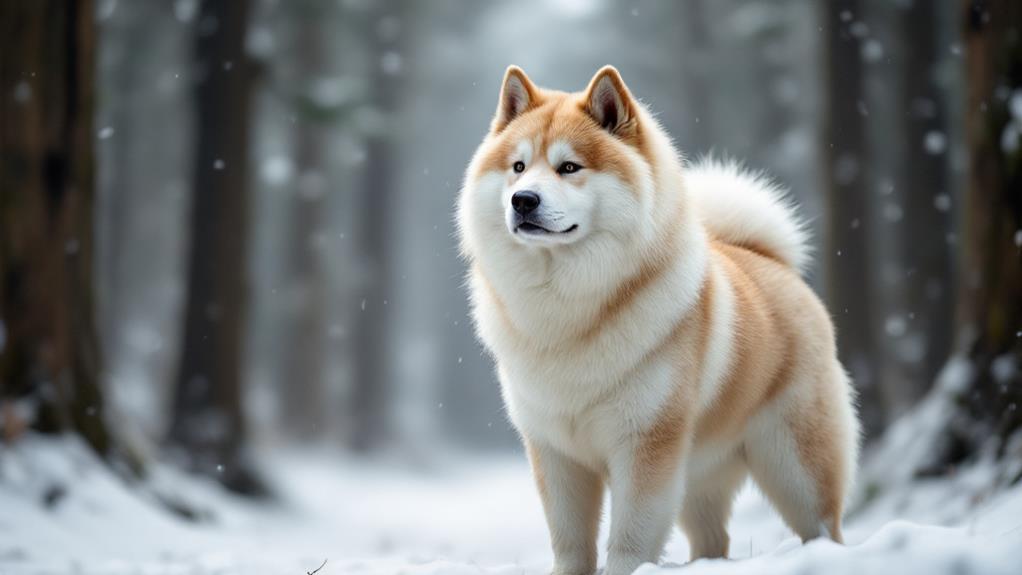
While the Matagi dogs hold a special place in the cultural tapestry of Akita Prefecture, another remarkable breed, the Akita dog, shares this region's legacy. As native Japanese dogs, Akitas boast a heavy bone structure and a large, bear-like head, making them impressive companions. Their thick double coats are perfectly suited for cold climates, and their coat colors range from ginger and red to brindle and white.
For those considering an Akita, here's what you should know:
- Size and Build: Males typically weigh between 27-59 kg (60-130 lb), standing 24 to 28 inches tall. Females are slightly smaller at 25-45 kg (55-100 lb).
- Loyalty and Protective Instincts: Renowned for their loyalty, Akitas are protective of their family. Early socialization is key to managing their potential aggression towards other dogs and strangers.
- Health Considerations: Akitas have an average lifespan of 11.4 years and are susceptible to genetic disorders like hip dysplasia and autoimmune diseases.
- Hunting Heritage: Historically, Akitas were used for hunting, complementing their strong instincts and robust physicality.
Understanding these characteristics guarantees you're well-prepared to care for these majestic native Japanese dogs.
Genetic Lineage and Ancestry
Delving into the genetic lineage and ancestry of the Matagi dog reveals a fascinating history intertwined with Japan's indigenous peoples. You'll find that this rare dog breed is believed to have descended from ancient Japanese dogs used by matagi hunters. Particularly linked to the Ainu people and the Jomon culture, the Matagi dog hails from the Akita region. Genetic studies offer intriguing insights, indicating that Matagi dogs share a basal lineage with the Hokkaido dog and even wolves, highlighting deep ancestral ties that span thousands of years.
Research has also uncovered the presence of the D1b1a2 haplogroup in modern Matagi dogs. This genetic marker may connect them to the Genji/Minamoto lineage, reflecting intricate ancestry patterns and a rich historical tapestry. However, preserving this unique dog breed hasn't been without challenges. Historical declines in the matagi population have led to a significant reduction in their numbers, leaving Matagi dogs at just a fraction of their historical levels.
Ongoing genetic studies continue to investigate the ancestral lineage of Matagi dogs further. These studies reveal shared markers with other regional breeds, contributing to a deeper understanding of their distinctive heritage.
Role in Japanese Society
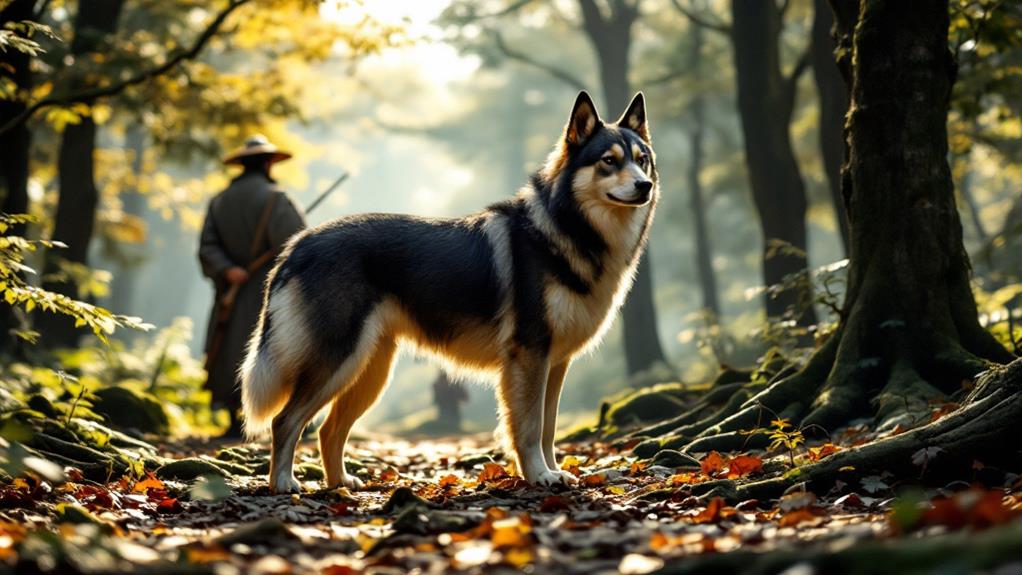
Understanding the rich genetic lineage of the Matagi dog sets the stage for appreciating its role in Japanese society. This rare breed isn't just a dog; it's a cultural cornerstone deeply woven into Japan's traditional fabric. Historically, the Matagi dog served as a critical hunting companion for the matagi hunters of northern Japan. These dogs were adept at tracking large game like bears and boars, vital for the survival of rural communities reliant on hunting.
The Matagi dog's presence in Japan extends beyond utility. It holds a symbolic place in matagi rituals, embodying a spiritual connection with nature, reminiscent of the cultural practices of the indigenous Ainu people. Here's why the Matagi dog's role in society is so significant:
- Cultural Heritage: It ties back to the Jomon period, marking an enduring legacy in Japan's history.
- Ritual Participation: Matagi dogs participate in traditional ceremonies, highlighting their spiritual importance.
- Environmental Adaptation: Their skills mirror the matagi hunters' sustainable practices.
- Resilience Symbol: They symbolize respect and balance with nature, reflecting the hunters' philosophy.
With the decline of traditional hunting practices, the Matagi dog's decreasing numbers underscore the fading of these cultural traditions.
Matagi Hunting Traditions
Rooted in the rugged landscapes of Akita Prefecture, the matagi hunting traditions date back to around 1650, with legends of Heike and Genji warriors shaping these practices. As you explore the rich tapestry of matagi life, you'll uncover a community deeply connected to its hunting roots. The matagi aren't just hunters; they're custodians of a rare cultural heritage, passing down their knowledge through generations. Within Akita, the matagi community splits into factions, such as the Nikko faction, which consists of three branches: Aoba, Kodama, and Shigeno. These groups maintain oral traditions, documenting their hunting rights and practices.
Hunting for the matagi isn't merely about survival; it's steeped in spiritual and cultural significance. Unique rituals, like offering stonefish to the mountain goddess, illustrate their reverence for nature and its bounty. Historically, matagi hunters bartered their prey, influencing local economies and fostering trade networks. Through communal knowledge-sharing, they developed specialized tools crucial for their hunting endeavors. Today, the matagi population in Ani, Akita, has dwindled to 44 individuals, a stark contrast to their past numbers, yet they continue to embody the spirit and traditions of their ancestors.
Decline and Preservation Efforts
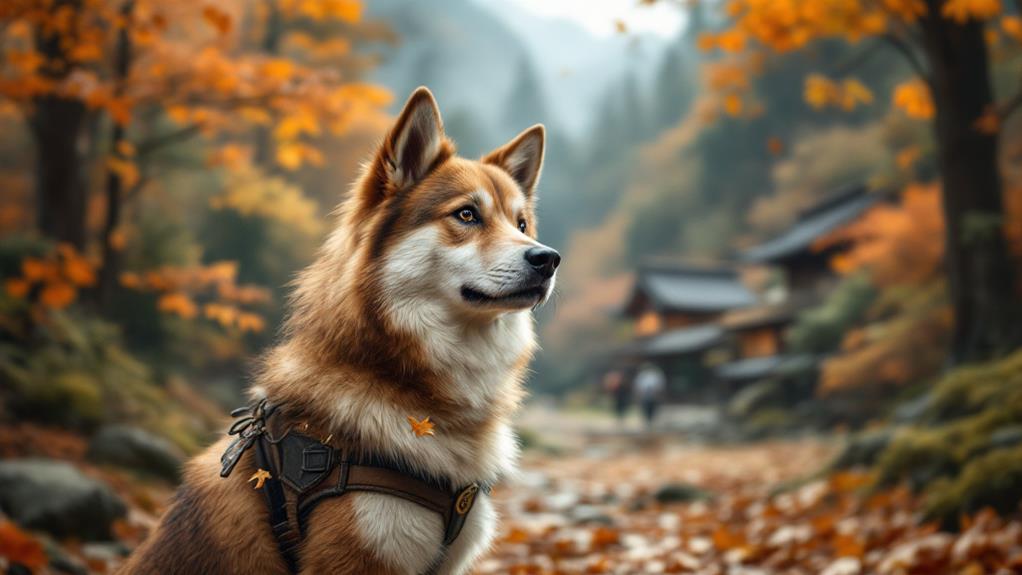
The decline in the population of matagi dogs, specifically the Hokkaido Dogs, is alarming, with only about 2,000 purebred individuals left in Japan. This critical situation highlights the urgent need for preservation efforts. Nationalism played a significant role in the early 1900s, driving initiatives to restore native dog traits and eliminate foreign influences. Key organizations like the Akitainu Hozonkai (AKIHO) and Nihonken Hozonkai (NIPPO) emerged to protect these breeds.
World War II severely threatened the Akita Inu, leaving only 18 pure Akitainu documented as survivors. Breeders mobilized to safeguard these dogs and restore the breed's population, focusing on maintaining the integrity of their lineage. Here's how preservation efforts are taking shape today:
- Breeding Programs: Carefully structured breeding programs aim to maintain the purebred status and unique characteristics of the matagi dogs and Akita Inu.
- Exhibitions: Dog exhibitions promote awareness and appreciation of these breeds' heritage.
- Community Support: Engaging local communities promotes long-term interest and involvement in preservation efforts.
- Restoration Initiatives: Continued work by organizations like AKIHO keeps these dogs' heritage alive.
You play a part in appreciating and supporting these noble efforts to keep Japan's rare purebreds flourishing.
Physical Traits of Akitas
Preserving the heritage of Japan's rare purebred dogs goes hand in hand with appreciating their distinctive physical traits. The Akita, a breed known for its striking appearance, is considered a natural monument by Japanese breeders. Originating from northern Japan, these dogs are well-equipped to handle cold climates, thanks to their thick double coat. Although you might find Akitas in a variety of colors such as ginger, red, brindle, white, and sable, Japanese Akitas are typically restricted to specific hues. This attention to detail in maintaining the breed's purity highlights the dedication of those preserving this unique dog.
When you initially encounter an Akita, you'll notice their large, bear-like head. Their erect, triangular ears and small, dark, triangular eyes contribute to their distinct and commanding presence. As a medium to large breed, males usually weigh between 27-59 kg (60-130 lb) while females weigh 25-45 kg (55-100 lb). They stand tall, with a height of 24 to 28 inches at the shoulder. While their lifespan averages around 11.4 years, Akitas have a notable reproductive potential, often producing litters of 7-8 puppies, ensuring the continuation of this remarkable breed.
Akita Dog Temperament
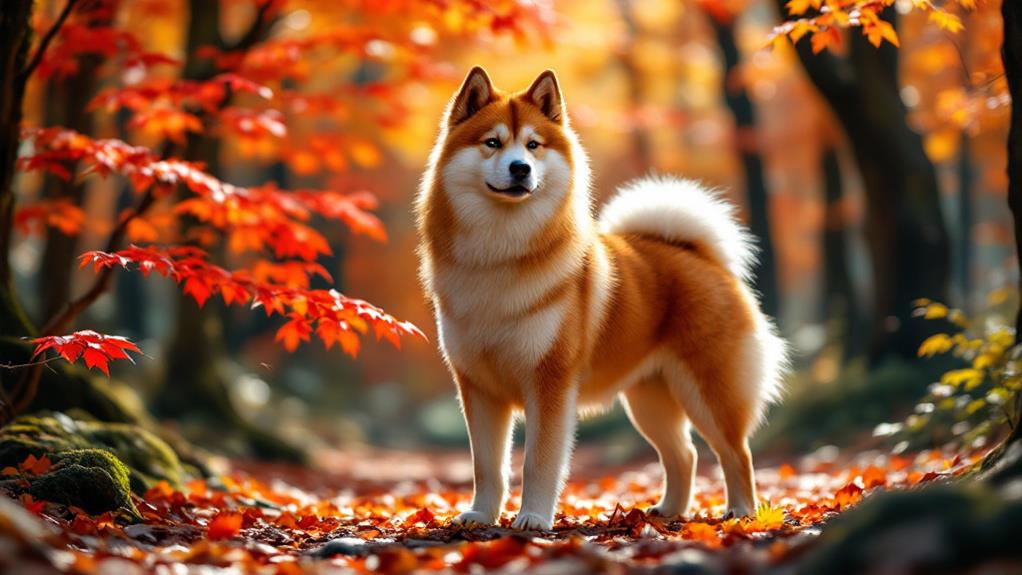
Many people are drawn to the Akita's reputation for unwavering loyalty and strong protective instincts. These traits make them excellent family guardians. However, their temperament requires careful evaluation. Akitas are often aloof with strangers, so early socialization is essential for well-rounded behavior. Without it, their protective instincts might lead to unwanted aggression.
Training an Akita can be challenging due to their independence and dominance. They might exhibit stubbornness, necessitating positive reinforcement methods for successful results. Here are some key points to reflect on about the Akita's temperament:
- Loyalty and Protectiveness: Akitas are fiercely loyal, often forming strong bonds with family members and showing protective instincts.
- Socialization Needs: Early and consistent socialization helps mitigate their aloofness around strangers and reduces potential aggression.
- Training Challenges: Their independent nature means they can be stubborn, requiring patience and positive reinforcement during training.
- Varied Temperament: Some Akitas are quick-tempered, while others are playful and submissive, highlighting their diverse personalities.
While Akitas generally do well with children, supervision is necessary due to their size and potential aggression towards other dogs, with 59% displaying such tendencies. Proper care and socialization can make them cherished companions.
Modern Status and Challenges
Imagine a world where a once-vibrant breed teeters on the brink of extinction—this is the reality for Japan's matagi dogs. With a critically low population of around 200 individuals, these dogs are rare and at significant risk. Once crucial to traditional hunting practices, the matagi dogs' role has diminished in contemporary times. As fewer hunters engage in these time-honored practices, the breed faces a steep decline. Urbanization and stricter hunting regulations further compound their challenges, leading to a reduced need for these skilled hunting companions.
Unfortunately, conservation efforts for matagi dogs are limited. There's a notable absence of organized breeding programs specifically aimed at preserving their unique traits and historical significance. This lack of targeted action makes it challenging to maintain awareness and interest in this rare breed. In the present era, where urban expansion continues to swallow rural landscapes, the matagi dogs' traditional role is fading into obscurity. Their historical value as hunting partners hasn't translated into modern demand, creating a precarious situation for the breed's survival. Without more focused conservation efforts, the matagi dogs' future looks uncertain, highlighting an urgent need for action.