The Dangers of Obesity in Pets: How to Keep Your Pet Healthy
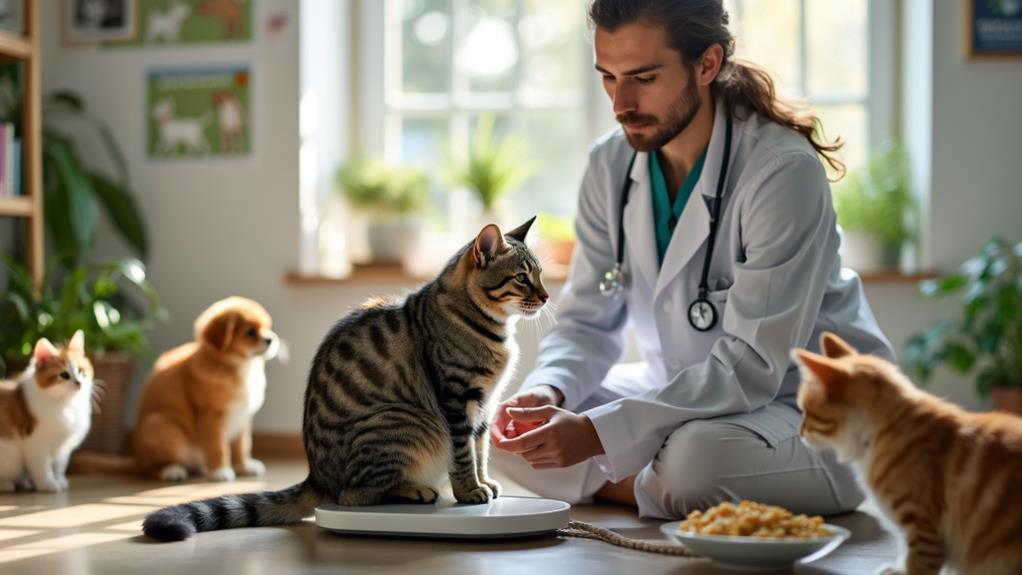
You must take an active role in preventing obesity in your pet to avoid serious health risks like joint problems, diabetes, and heart disease. Start by controlling portion sizes and choosing high-quality ingredients for their meals. Regular exercise is vital, so engage your dog in daily walks or fetch, and encourage your cat with interactive toys. Keep an eye on their weight with regular body condition checks and consult a vet for dietary adjustments if needed. Understanding the risks and recognizing early signs of weight gain can lead to effective management and a healthier, happier pet. Investigate strategies and tips to guarantee your pet thrives.
Understanding Pet Obesity
Pet obesity is a growing concern that demands your attention. You might not realize it, but different causes of obesity can affect your pet's health and happiness. Overfeeding is a common culprit, as many owners don't recognize correct portion sizes. Combine that with a lack of exercise, and your pet may start to pack on the pounds. It's vital to understand that not all pet breeds are the same; certain breeds are more prone to obesity. For instance, breeds like Labradors and Beagles often have voracious appetites and can gain weight quickly if their diet isn't managed carefully.
You should also consider the impact of maturity and lifestyle. Older pets tend to be less active, and if their calorie intake doesn't adjust accordingly, they can easily become overweight. Furthermore, pets living in smaller spaces without much room to roam might not get the exercise they need, leading to weight gain. It's your responsibility to monitor your pet's weight and adjust their diet and activity levels accordingly. By understanding the different causes of obesity and considering your pet's breed, you can take proactive steps to guarantee your furry friend stays fit and healthy.
Health Risks of Overweight Pets
Beyond affecting their appearance, excess weight in pets poses significant health risks that shouldn't be ignored. Overweight pets often suffer from joint problems, as the extra pounds put undue stress on their bones and ligaments. This can lead to arthritis, causing discomfort and reduced mobility. The risk of diabetes increases as well, since excess fat can interfere with insulin regulation, leading to high blood sugar levels. Heart disease becomes a concern, as obesity forces the heart to work harder, potentially leading to heart failure.
Respiratory issues are another concern; overweight pets may struggle to breathe, especially during physical activity or in hot weather. Their liver function can also be compromised. Fat deposits around the liver can impair its ability to detoxify the body and produce crucial proteins. Skin conditions are prevalent, too, with excess folds and creases creating environments where infections can thrive.
Behavioral changes might occur, as discomfort and pain from these conditions can lead to irritability or lethargy. Ultimately, all these factors contribute to a reduced lifespan. Keeping your pet at a healthy weight not only improves their quality of life but also extends their years with you.
Identifying Weight Issues
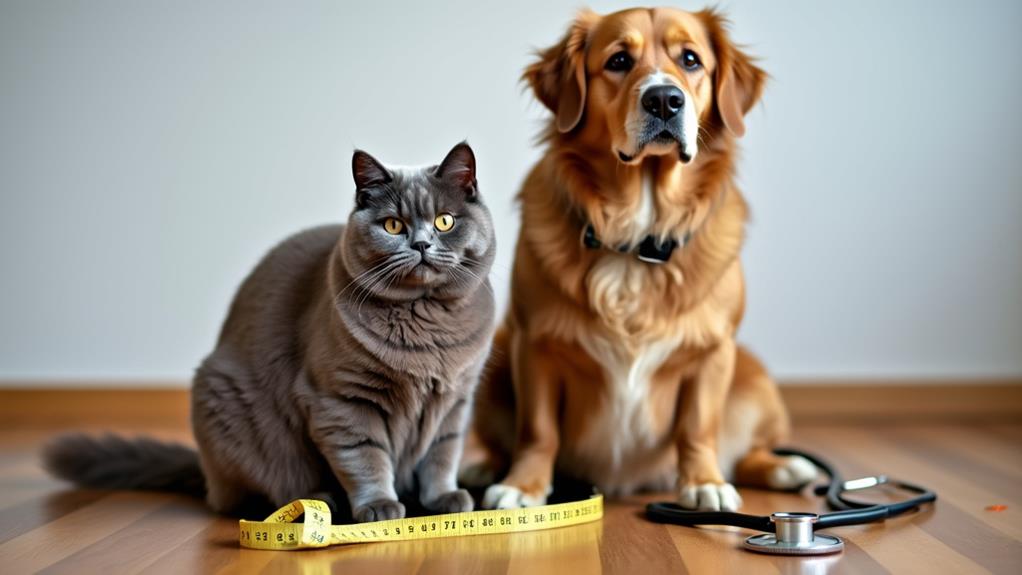
In the case of identifying weight issues in your pet, vigilance is key. Regularly checking your pet's body condition helps you spot early signs of obesity. Get familiar with weight scales and track your pet's weight consistently. Compare your pet's weight to breed standards, as these provide a baseline for what a healthy weight should look like. Remember, these are guidelines, and individual pets may vary.
Consider maturity factors when evaluating weight. Younger pets might naturally weigh less, while older ones could gain weight due to decreased activity. Lifestyle influences play a significant role too. Pets with a sedentary lifestyle are more prone to weight gain. Make certain you're reviewing their activity levels and adjusting their routine accordingly.
Conduct regular pet evaluations by feeling their ribs, spine, and waistline. You should easily feel the ribs without excess fat coverage. A well-defined waistline is a positive indicator of a healthy body condition. If you notice changes in your pet's shape or weight, consult your veterinarian for a professional evaluation. This proactive approach guarantees you're keeping your pet's weight in check, promoting their general health and well-being.
Nutrition and Diet Tips
While understanding your pet's weight is essential, their diet plays a likewise significant role in maintaining a healthy body condition. Start by practicing portion control to prevent overfeeding. Measuring your pet's meals helps you keep track of their intake and avoid excess calories. Keep an eye on food quality and be ingredient aware—choose foods with high-quality ingredients that offer a proper nutrient balance for your pet's life stage and activity level.
Incorporate healthy treats into their diet, but do so sparingly. Treats should not exceed 10% of your pet's daily caloric intake. Opt for treats that offer nutritional benefits rather than empty calories. Regularly assess your pet's feeding schedule to guarantee it aligns with their lifestyle. A consistent feeding schedule helps manage metabolism and prevents hunger-related misbehavior.
Stay vigilant about pet weight management, and be open to making dietary adjustments as needed. Consult your vet if you notice any changes in your pet's weight or eating habits. Remember, each pet is unique, and what works for one might not be suitable for another. By focusing on the right diet, you're taking a proactive step towards your pet's comprehensive health and well-being.
Exercise and Activity Suggestions

Engaging your pet in regular exercise is vital for maintaining their general health and preventing obesity. You can make exercise a fun part of your pet's routine by incorporating a variety of playtime activities. Start simple with daily walks if you have a dog, or even consider a game of fetch in the backyard or at a dog park. For indoor pets like cats, use interactive toys such as laser pointers or feather wands to keep them moving and mentally stimulated.
Don't underestimate the power of interactive toys. These can be a great way to promote physical activity while also challenging your pet's mind. Puzzle feeders are excellent for both cats and dogs, as they require your pet to work a bit for their food, combining playtime with mealtime.
Setting aside dedicated time for these activities is vital. It guarantees your pet gets the exercise they need and also strengthens the bond between you. If you're busy, consider hiring a pet walker or asking a friend to help. Remember, regular exercise isn't just about keeping your pet slim; it's about enhancing their quality of life and longevity.
Monitoring and Maintenance Strategies
Beyond incorporating exercise into your pet's routine, keeping an eye on their progress is key to managing their health. Implementing effective weight tracking will allow you to see how well your pet is responding to changes, guaranteeing they're on the right path. Regularly weigh your pet, ideally at the same time of day, to get consistent results. Keep a log of their weight to identify any patterns or sudden changes that might require a vet's attention.
Lifestyle adjustments are also significant. Evaluate your pet's diet and make certain it's appropriate for their size and activity level. Portion control is fundamental; consult your vet to determine the right amount of food. Also, consider the quality of the food, as high-protein, low-carb diets often help in managing weight.
Don't forget to adjust exercise routines as needed. If your pet's losing weight too quickly or not at all, tweak their activity levels. Confirm the activities are engaging and suitable for their stage of life and breed. Remember, patience and consistency are crucial. These strategies will help maintain your pet's health, keeping them happy and active in the long run.
Related posts