
The Best Pets for Families With Allergies: Hypoallergenic Companions

If your family struggles with allergies but wants a pet, don't worry—there are allergy-friendly options. Consider hypoallergenic dogs like Poodles and Miniature Schnauzers, which produce less dander. Cat lovers might choose Sphynx or Balinese cats, known for their low allergen levels. Small mammals such as gerbils and rabbits also keep allergens in check, and birds like parakeets create less dander, making them suitable for sensitive households. Reptiles and fish provide allergy-free companionship entirely. Consistent cleaning and grooming further help manage allergens in your home. Investigate different options to find a companion that suits your family's specific needs and desires.
Key Takeaways
- Fish are truly hypoallergenic pets, ideal for allergy sufferers as they produce no dander, fur, or saliva.
- Hypoallergenic dog breeds like Poodles and Bichon Frise have coats that trap dander, reducing allergen spread.
- Sphynx and Siamese cats are hypoallergenic, producing fewer allergens like the Fel d1 protein.
- Birds such as Parakeets and Canaries produce less dander, suitable for individuals sensitive to furry pets.
- Reptiles and amphibians produce minimal allergens, with options like leopard geckos and frogs being hypoallergenic.
Understanding Allergies and Pets
In relation to understanding allergies associated with pets, it's important to know that they're primarily triggered by proteins found in pet saliva, skin cells, and urine, with dander being a major allergen. When you bring a pet into your home, you're also introducing these allergens, which can cause reactions in about 30% of individuals with allergies. Pet dander, the tiny flecks of skin shed by animals, is particularly notorious for triggering symptoms such as sneezing, itchy eyes, and even asthma attacks in sensitive individuals.
While no pet is completely hypoallergenic, some breeds are known to produce fewer allergens. This doesn't mean they won't trigger any allergic reactions, but they might be more manageable for allergy sufferers. This is where understanding the role of pet dander and allergens becomes significant. Regular cleaning and grooming play a considerable role in managing these allergens. It's important to maintain a clean environment, as this can help reduce the accumulation of dander and hair, making your home more comfortable.
Consulting an allergist is a smart step before bringing a pet home. They can provide tailored advice on managing allergy symptoms effectively, ensuring a harmonious coexistence with your furry friend.
Hypoallergenic Dog Breeds
When considering a pet for a household sensitive to allergies, focusing on hypoallergenic dog breeds can make a big difference. These breeds are known to produce less dander, which often helps reduce allergic reactions in people. The Bichon Frise, for instance, has a unique coat that minimizes shedding. This makes them a suitable choice for allergy sufferers. Poodles, available in standard, miniature, and toy sizes, have curly coats that trap dander and hair, effectively reducing the spread of allergens around your home.
Another excellent choice is the Portuguese Water Dog. These dogs have low-shedding, wavy coats and were even selected by the Obamas for their daughter Malia, who has allergies. Schnauzers, especially the Miniature variety, are well-regarded for producing less dander and being easily trainable, making them ideal for families concerned about allergies. Shih Tzus are another breed worth considering. Known for their low shedding properties and gentle, friendly nature, they make great hypoallergenic companions for families.
Hypoallergenic Cat Breeds
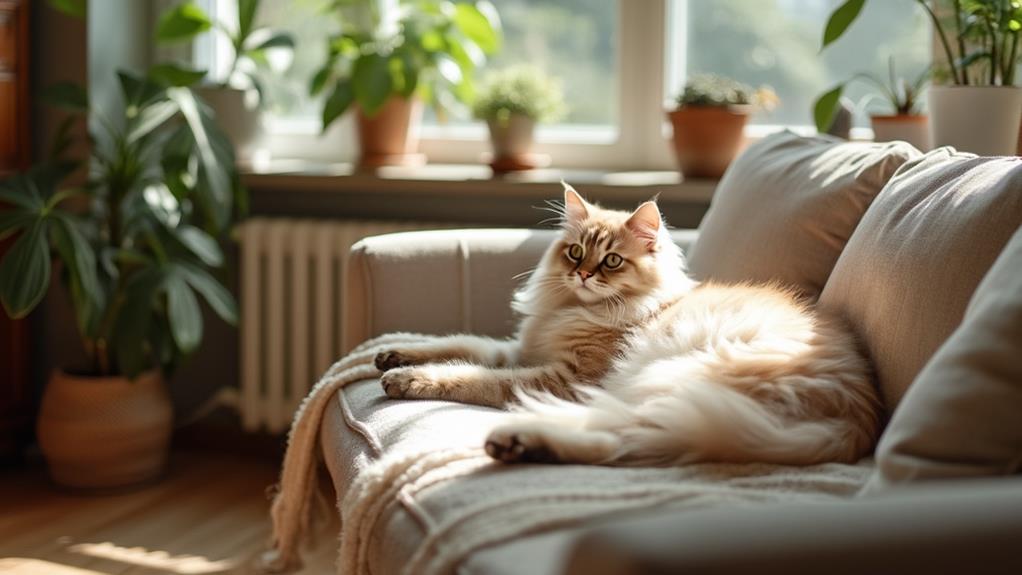
Exploring hypoallergenic cat breeds can open doors to feline companionship for those with allergies. If you're prone to allergies but dream of having a cat, you're in luck. Some cat breeds are known for producing fewer allergens, making them a better fit for allergy sufferers.
Consider the Sphynx cat, often labeled as hypoallergenic due to its hairless body. This breed minimizes dander spread, though they require regular skin care to stay healthy. Siamese cats are another great option, as they produce less of the Fel d1 protein—a common allergen. Their short hair also means lower shedding, reducing allergen exposure.
Balinese cats are both affectionate and sociable. They produce low levels of Fel d1 and shed minimally, making them a delightful choice for families with allergies. Devon Rex cats, with their curly coat, also reduce shedding and dander production. They're playful and hypoallergenic, providing joy without the sneezes.
Surprisingly, Siberian cats, despite their thick fur, have lower Fel d1 protein levels compared to other breeds. This makes them an unexpected yet viable option for allergy-prone families. These hypoallergenic cats can bring joy and companionship without triggering your allergies.
Allergy-Friendly Small Mammals
While hypoallergenic cats offer a feline solution to allergies, you might be curious about other pet options that accommodate allergy sensitivities. Consider small mammals like hamsters, guinea pigs, and gerbils, which generally produce less dander than larger pets. This characteristic makes them appealing choices for allergy sufferers. Gerbils, in particular, are renowned for their low dander production. If you're looking for a pet that minimizes allergen spread, these small mammals could be perfect.
Rabbits, especially the Rex and Mini Rex breeds, are another fantastic option. Their short, dense fur reduces allergen release, which benefits families with allergies. These rabbits combine adorable appearances with allergy-friendly attributes, making them popular among those who struggle with pet-related allergies.
Keeping small mammals in cages offers extra advantages. The contained environment helps limit the spread of allergens within your home compared to pets that roam freely. To further reduce allergens, maintain regular cleaning and upkeep of their habitats. This upkeep not only guarantees a healthier living space for you but also provides a clean and comfortable environment for your furry friends. With these allergy-friendly small mammals, you can enjoy the companionship of pets without compromising your health.
Birds for Allergy Sufferers
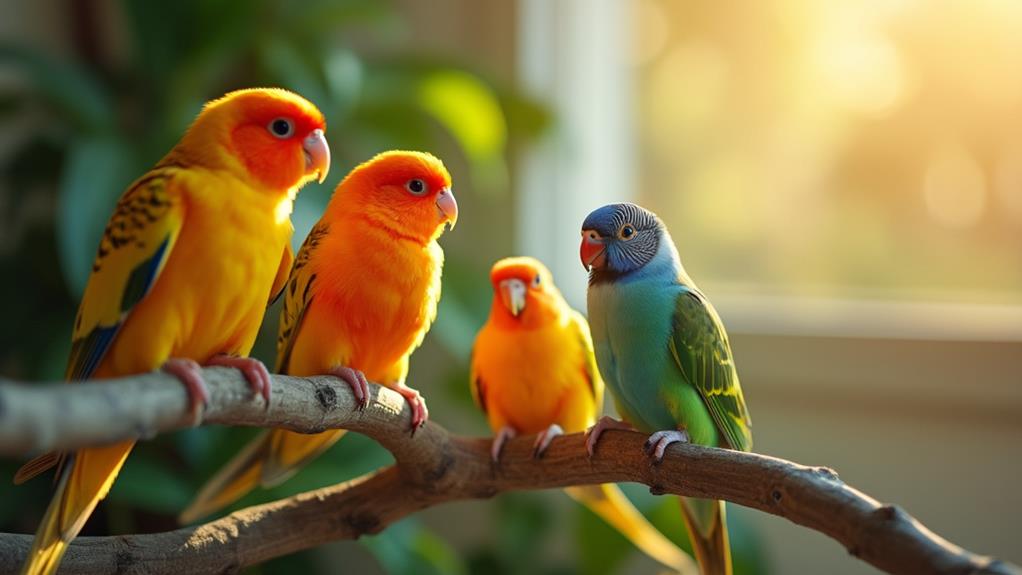
If you're on the hunt for hypoallergenic pets, birds might just fit the bill. Certain species like Parakeets, Canaries, and Finches are known for producing minimal allergens compared to other pets. Unlike furry companions, birds generally have less dander, which makes them a more suitable option for those sensitive to allergens. This could make your home a more comfortable space if you or a family member suffers from allergies.
Birds don't produce the same types of proteins that cause allergic reactions in mammals. This unique aspect of birds makes them an appealing choice for families seeking hypoallergenic companions. However, regular cleaning of their cages and surrounding areas is essential. This helps minimize the buildup of allergens such as feathers and droppings, which can cause discomfort if neglected.
Keep in mind, though, that individual reactions may vary. It's always a good idea to spend time with a bird before deciding on adoption. This way, you can verify that your new feathered friend won't trigger any allergic responses. By choosing the right bird species, you can enjoy the companionship of a pet without worrying about allergens.
Reptiles and Amphibians
Reptiles' and amphibians' unique characteristics make them excellent hypoallergenic pets for families. Unlike mammals, they don't produce dander or fur, so they introduce minimal allergens into your home. This makes them a perfect choice if you or your family members are allergy sufferers.
Popular hypoallergenic reptiles include leopard geckos, snakes, and bearded dragons. These creatures are generally low-maintenance, making them easy to care for. They don't require much space and can be fascinating to observe. Amphibians, such as frogs and newts, offer similar benefits. They, too, need minimal space and produce negligible allergens, offering a peaceful, allergy-friendly option.
However, while reptiles and amphibians themselves are safe companions, you should be mindful of their diets. Many of these pets eat insects or other protein sources, which could trigger allergies in some individuals. Always verify proper habitat maintenance. Regular cleaning and controlling humidity levels are vital to minimize any potential allergens that might arise from their living conditions. By following these steps, you can enjoy the company of these fascinating creatures without the worry of allergy flare-ups. They can truly be a delightful enhancement to any allergy-conscious household.
Fish as Allergy-Free Pets
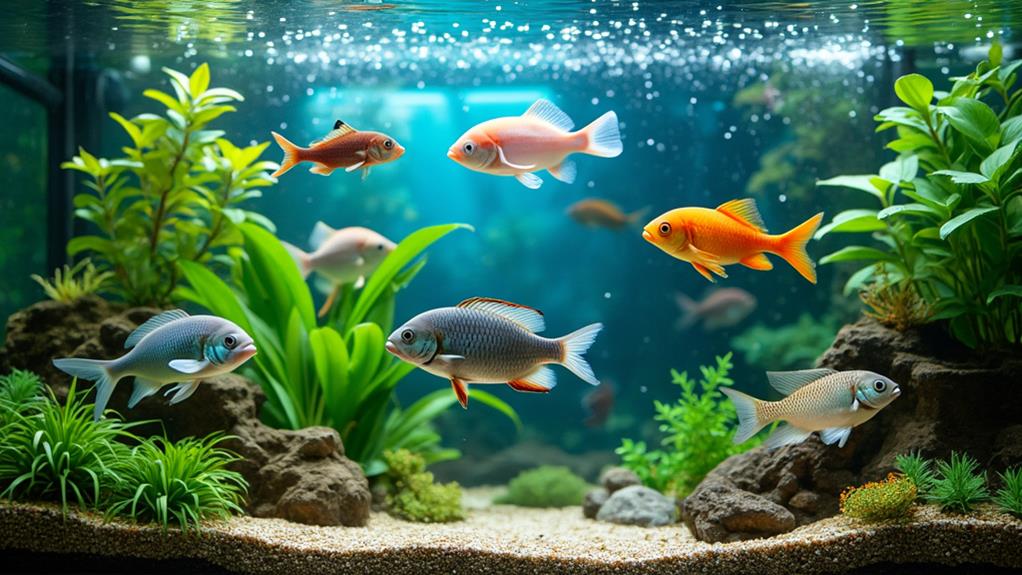
Although many pets can trigger allergies, fish stand out as truly hypoallergenic companions. They don't produce dander, fur, or saliva, making them ideal for allergy sufferers. If you're looking for a pet that won't aggravate allergies, fish are an excellent choice.
Fish require minimal maintenance compared to mammals. You'll need to provide clean water, appropriate food, and a properly maintained tank. Popular species like Betta fish, Goldfish, and Tetras are not only lively and colorful but also easy to care for, making them great for families. Unlike other pets, fish don't require grooming, which further reduces potential allergens in your home environment.
Setting up an aquarium can be an engaging family project, and watching fish swim can be both relaxing and educational. While fish are hypoallergenic, it's essential to keep their tank clean. Regular cleaning and maintaining ideal humidity levels can help prevent mold growth, which is beneficial for managing allergies.
If you or your family members are allergy sufferers, choosing fish as pets allows you to enjoy the companionship of animals without the concern of allergy flare-ups. They provide a serene and allergy-free environment, enhancing your home without compromising health.
Managing Allergens at Home
How can you effectively manage allergens at home? Start by incorporating regular cleaning into your routine. Vacuum frequently using a vacuum cleaner equipped with HEPA filters to capture and reduce pet dander and other allergens. It's also crucial to wash your pet's bedding often to prevent allergen accumulation. Establishing pet-free zones, especially in bedrooms and carpeted areas, can greatly reduce allergy symptoms. These designated spaces provide a sanctuary from dander production, making your home more comfortable.
Investing in air purifiers with HEPA filtration is another smart move. These devices effectively capture pet dander, improving indoor air quality. While you might not be able to eliminate all allergens, air purifiers make a striking difference. Moreover, maintaining ideal humidity levels between 30% and 50% can prevent mold growth, which is beneficial for anyone suffering from allergies.
Regular grooming is key. By grooming your pets consistently and using hypoallergenic shampoos, you can minimize the amount of dander they produce. This simple step goes a long way in creating a healthier home environment. With these strategies, you'll be better equipped to enjoy the company of your pet without the discomfort of allergies.
Tips for Selecting a Pet

After managing allergens at home, choosing the right pet becomes the next vital step in enjoying a harmonious living environment. For allergy sufferers, selecting hypoallergenic pets can greatly reduce the risk of pet allergies. Here are some tips to guide you:
- Research Hypoallergenic Breeds: Look into breeds like Poodles, Bichon Frise, and Sphynx cats. These pets are known for producing fewer allergens, making them a safer choice for those prone to pet allergies.
- Interact Before Committing: Spend time with potential pets to observe any allergic reactions. This step can help you determine if a particular animal triggers your allergies, saving you from future discomfort.
- Consult with an Allergist: Seek professional advice for personalized recommendations. An allergist can provide insights into which hypoallergenic pets might be suitable based on your specific allergies and sensitivities.
- Consider Living Space and Maintenance: Evaluate your home environment and choose pets that fit well. Smaller, low-shedding animals can be ideal for compact spaces. Furthermore, understand the grooming requirements, as regular grooming helps minimize dander and allergens.
Related posts