The Best Dog Breeds for Kids: Safe and Loving Family Companions
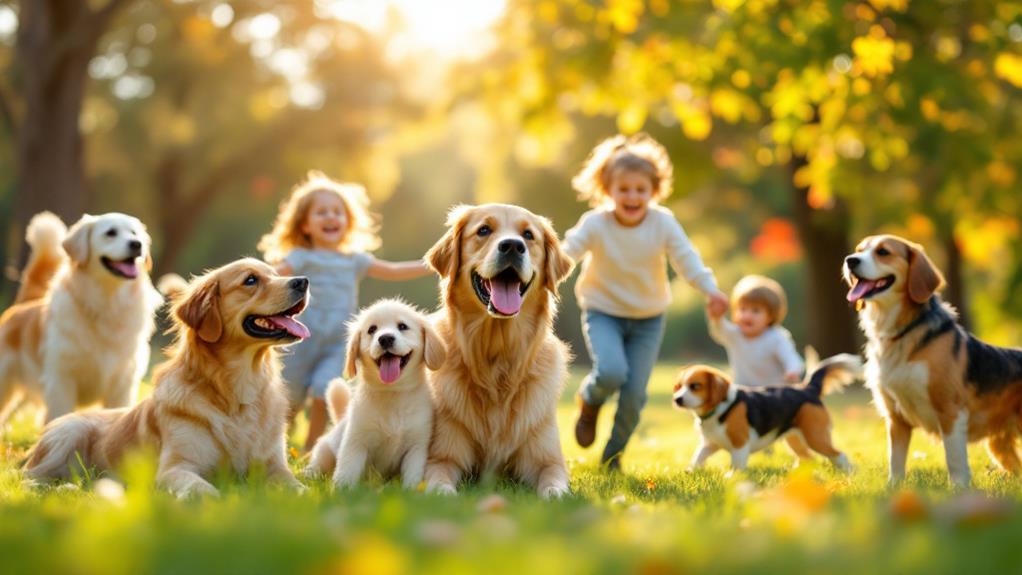
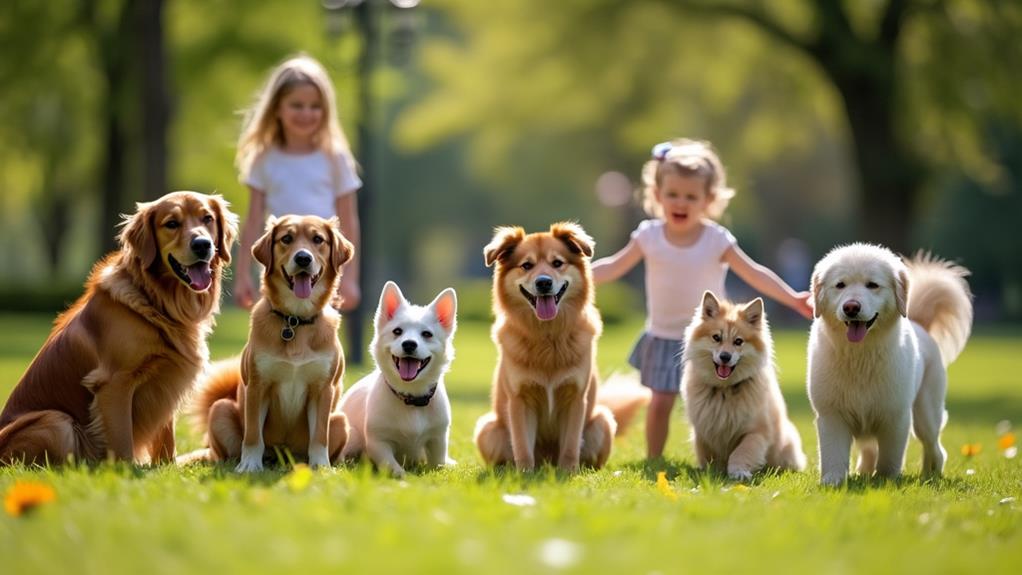
In terms of selecting the best dog breeds for kids, you can't go wrong with Labrador Retrievers and Golden Retrievers. They're affectionate, patient, and easy to train, making them excellent companions for lively households. If you're looking for smaller breeds, consider Beagles or Cavalier King Charles Spaniels, which are both playful and tolerant of children. Active families might enjoy the high energy of Boxers, while Pugs offer a loving nature suitable for diverse family dynamics. Remember, understanding size, energy levels, and temperament is essential for a harmonious match with your family. Uncover which breed fits your lifestyle perfectly.
Top Breeds for Family Life
When you're looking to welcome a furry friend into your family, certain dog breeds stand out as top choices for family life. Among these, the Labrador Retriever is a standout for its friendly and patient nature. Labradors are great with kids and thrive in active families that can keep up with their energetic needs. Likewise, Golden Retrievers are affectionate and highly trainable, making them ideal for social environments where they can shine as loving family companions.
Beagles, with their small to medium size, bring an abundance of energy and joy, especially around children. They need plenty of exercise and companionship, ensuring they remain happy and engaged. If you're considering a breed that's gentle yet playful, the Cavalier King Charles Spaniel is perfect for families with young children. They adapt well to different activity levels, making them versatile companions.
Boxers, known for their loyalty and protective nature, are excellent choices for families seeking a playful dog with high energy. They make fantastic family companions, provided they receive regular exercise and engagement. Each of these breeds brings unique qualities to improve family life, ensuring they fit seamlessly into your home.
Considerations for Choosing a Breed
Selecting the right dog breed for your family involves a few key considerations to guarantee a harmonious match. Initially, assess the dog's temperament. A dog breed is known for its friendly and gentle nature, like Labradors and Golden Retrievers, which are a good fit for families with children. These breeds are patient with children and make good companions, ensuring enjoyable interactions.
Next, consider the size and energy level of potential breeds. Medium to large breeds like Boxers and Irish Setters have the energy to keep up with active households, playing with children and requiring regular exercise to stay healthy and happy. Ensuring the dog can match your family's energy level is vital to maintaining a balanced environment.
Don't forget to evaluate the breed's compatibility with children. Breeds such as Cavalier King Charles Spaniels and Shih Tzus adapt well to different activity levels and are gentle, making them ideal for families with younger kids. Ultimately, research any potential health issues. For instance, Poodles are hypoallergenic, low-shedding, and may be a good option if allergies are a concern. By considering these factors, you can find a breed that will thrive in your family's unique setting.
Best Dogs for Young Children
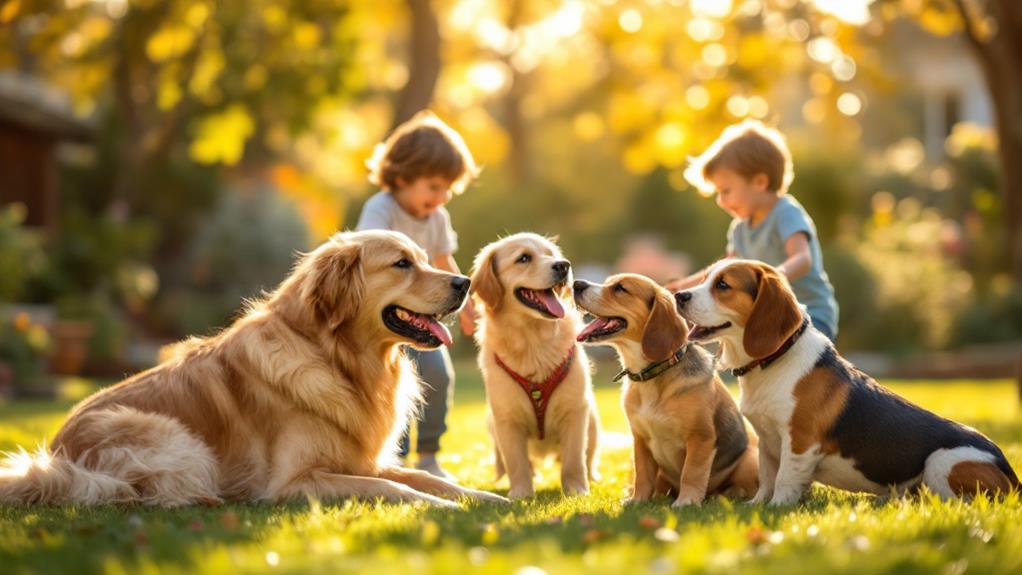
After considering the significant factors for choosing a breed, let's investigate some of the best dogs for young children. Labrador Retrievers top the list with their friendly and patient nature. They make excellent companions due to their affectionate demeanor and adaptability to family life. Their high trainability also guarantees they can quickly learn to interact safely and positively with kids.
Golden Retrievers, known for their gentle temperament and love for play, are another fantastic choice. They engage well with children, making them a perfect fit for families with young kids. Their ability to adapt to different household environments guarantees they blend seamlessly into your home.
Beagles bring energy and curiosity, thriving in active households. Their tolerance for children's antics makes them an ideal choice for those who enjoy a bit of playful chaos.
Cavalier King Charles Spaniels offer an affectionate and gentle demeanor, easily adapting to varying activity levels, which is perfect for families with young kids.
Lastly, Pugs, with their loving personality and playful nature, form strong bonds with children. Their small yet sturdy build makes them a delightful addition to any family, providing endless joy and companionship.
Training and Socialization Tips
Training and socialization are the cornerstones of raising a well-behaved family dog. Consistent training sessions should focus on teaching obedience through basic commands like sit, stay, and come. This guarantees your dog behaves well around children and fits smoothly into family dynamics. Use positive reinforcement methods, like treats and praise, to motivate your dog. This not only encourages learning but also strengthens your bond, making the dog more responsive to your guidance.
Early socialization is vital. Introduce your dog to different environments, people, and other pets to help develop a calm demeanor and reduce fearfulness. Enroll in puppy classes or group training sessions to facilitate this process. These classes improve your dog's comfort level around children and other pets, fostering a safe and loving environment.
Monitoring interactions between your dog and children is fundamental. Guide these interactions to reinforce appropriate behavior, guaranteeing both the safety and comfort of everyone involved. By focusing on these aspects, you create a harmonious household where your dog understands its role and thrives as a family companion. With the right training and socialization, your dog will grow into a trusted, loving part of your family.
Activity Levels and Needs
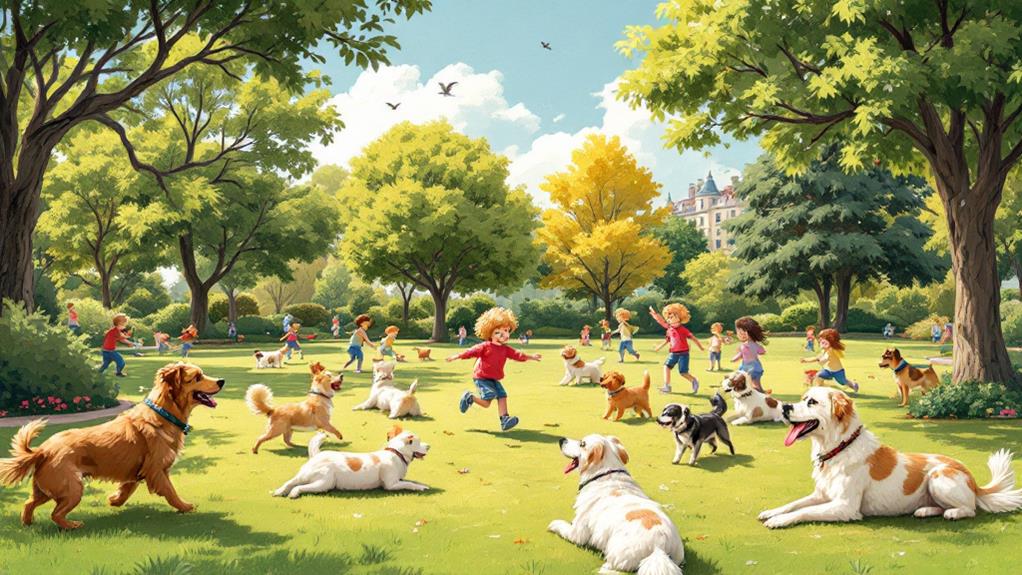
Understanding the activity levels and needs of different dog breeds is crucial for a harmonious family environment. Some dogs are more energetic and require more exercise, making them perfect for active families. For instance, Labrador Retrievers thrive in households that enjoy outdoor activities and playtime. Their need for daily exercise makes them ideal companions for those who love to be on the move.
Golden Retrievers also boast high energy levels, needing daily activities like walks, runs, and play sessions to stay mentally and physically stimulated. They make fantastic companions due to their love for being active with family members. Likewise, Beagles are curious and energetic. They require regular walks and enjoy companionship and playtime, which helps satisfy their inquisitive nature.
Boxers, known for their playful demeanor, are another great choice for active families. They love interactive playtime and require regular exercise to maintain their energetic spirit. Finally, Poodles, depending on their size, need both regular exercise and mental stimulation. They thrive in environments where they can engage in multiple activities with you and your family.
Here's a quick rundown:
- Labrador Retrievers: Ideal for outdoor-loving families.
- Golden Retrievers: Need daily exercise.
- Beagles: Enjoy companionship and regular walks.
Health and Grooming Requirements
While considering a dog's activity levels is fundamental, understanding their health and grooming needs is also important for a family-friendly pet experience. Health care for dogs involves not just love and play, but also routine vet check-ups and preventive treatments to maintain their overall well-being and longevity. Consistent grooming is crucial, especially for breeds like the Poodle and Shih Tzu, which require regular maintenance to prevent matting. These breeds need special attention to keep their coats healthy and clean.
For families with Labrador Retrievers or Golden Retrievers, moderate shedding is a concern. Regular brushing can help manage hair around the home and keep their coats in good condition. Some breeds, like the Newfoundland, might need extra care due to high shedding and potential health issues, making regular grooming and veterinary visits even more important.
A balanced diet is essential for your furry friend's health. Each breed, regardless of Beagle or Boxer, has specific nutritional needs that must be met to support their health and vitality. By catering to these needs and maintaining proper care, you guarantee your dog remains a happy and healthy family companion.
Allergies and Hypoallergenic Options
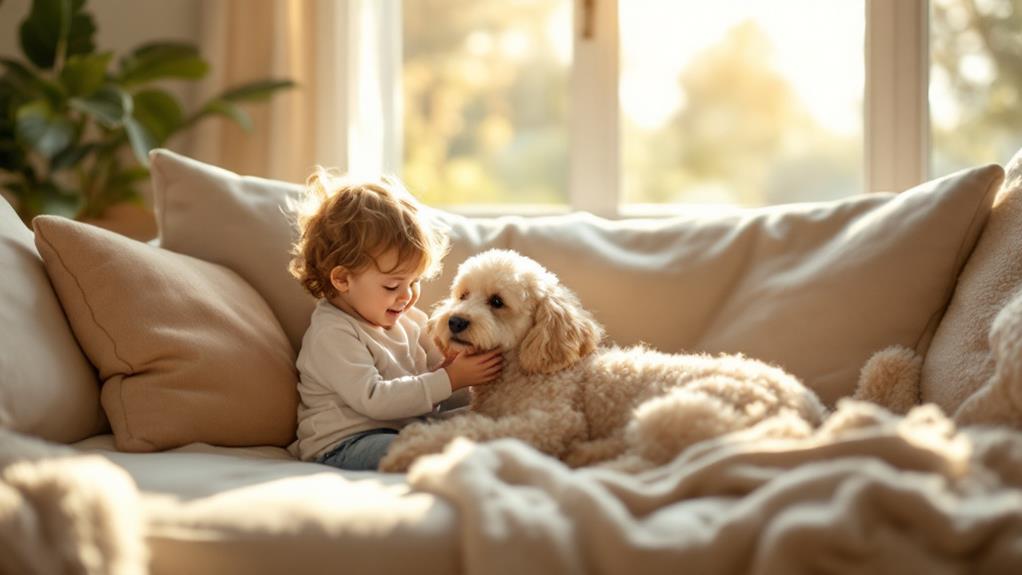
For families dealing with allergies, exploring hypoallergenic dog breeds can make pet ownership more manageable. Hypoallergenic breeds like Poodles and Bichon Frises are excellent choices since they produce less dander, reducing the likelihood of allergic reactions. These dogs have hair rather than fur, which means less shedding and dander in your home, making them more suitable for allergy sufferers.
To help you manage allergies while enjoying the loving companionship of a dog, consider the following:
- Regular Grooming: Routine grooming is essential for hypoallergenic breeds. It minimizes dander and hair in your home, reducing allergen exposure.
- Consult Experts: Before bringing a dog home, consult your physician or allergist to guarantee you're prepared with proper management strategies for allergies.
- Breed Options: Aside from Poodles and Bichon Frises, consider Maltese and Schnauzers. These breeds are also recognized as hypoallergenic and can provide a gentle, loving presence in your family.
Long-Term Family Commitment
Owning a dog requires a long-term family commitment, as these furry companions often live between 10 to 16 years. You need to plan for their care throughout different life stages, which includes understanding the emotional and financial responsibilities involved. Veterinary care, food, grooming, and potential medical emergencies are all part of this commitment and can impact your budget.
As a family, it's essential to prepare for the changes a dog introduces to your routines. Daily exercise, training, and socialization become part of your day-to-day life to guarantee a harmonious household. Discussing and allocating roles for pet care among family members can foster a sense of responsibility and teamwork. Everyone should contribute to maintaining the dog's well-being, assuring they receive the attention and care they deserve.