The Benefits of Microchipping Your Pets: Why It’s Important
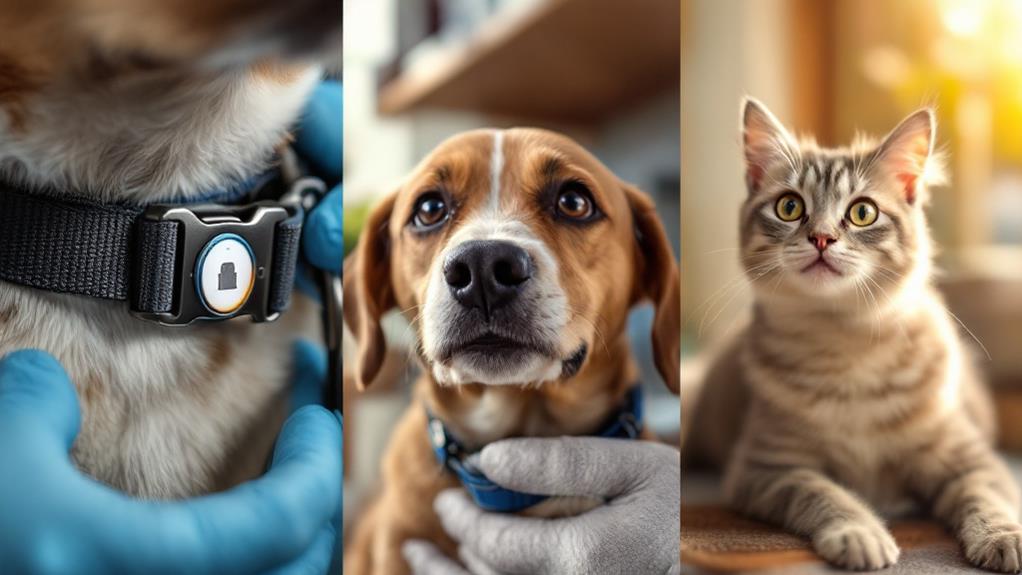
Microchipping your pets offers peace of mind by guaranteeing they have an unmistakable, lifelong ID. If your furry friend wanders off, a microchip dramatically enhances the odds of them coming home—21.4 times higher for cats and 2.4 times for dogs. This simple, painless procedure is cost-effective, needs no sedation, and requires just a one-time fee. It acts as undeniable proof of ownership, reduces the emotional and financial strain of a lost pet, and guarantees easier resolution of ownership disputes. Staying informed about microchipping can reveal how it supports pet safety and owner confidence even further.
Permanent Pet Identification
Microchips are a critical tool for permanent pet identification, guaranteeing your furry friend is always linked back to you. By choosing to get your pet microchipped, you provide them with a reliable form of identification that lasts their entire lifetime. Unlike tags, which can fall off or become unreadable, a microchip offers a permanent and secure way to identify your pet. Each microchip emits a unique ID number when scanned, and this number is connected to a secure database containing your contact information. This means that if your pet ever gets lost, a quick scan can help reunite you both.
Having your pet microchipped greatly increases the chances of recovering lost pets. Studies show that microchipped dogs are 2.4 times more likely to be returned to their owners, while cats have an impressive 21.4 times higher chance. The microchip registry plays a significant role here; it's important to keep your contact details updated to make sure you can be reached when needed. Moreover, microchips serve as solid proof of ownership, reducing disputes and facilitating the confirmation of ownership through registered personal information. Essentially, microchips provide peace of mind by keeping your pet safe and identifiable.
Simple and Quick Procedure
Ensuring your pet's safety and identification is straightforward with the microchipping process, which is both simple and quick. As a pet owner, you'll appreciate that the entire procedure takes only a few seconds. Your pet will experience minimal discomfort, comparable to a routine vaccination shot. There's no need for sedation or anesthesia, making it a safe and convenient option for both you and your pet.
Microchipping can be seamlessly integrated into your pet's routine veterinary visits. If you're already at the veterinary clinic for a check-up or other procedures, it's the perfect time to evaluate this quick process. Some pet owners even choose to have the microchip inserted during surgical procedures, ensuring their furry friends experience as little discomfort as possible.
One of the greatest advantages of microchipping is the immediate identification capability it provides. Once the microchip is in place, your pet's identification information is readily accessible. This is vital if your pet ever goes missing, as it allows for a swift recovery. With such a straightforward and effective procedure, microchipping offers you peace of mind, knowing that your pet's safety and identification are well taken care of.
Cost-Effective Solution

When considering pet safety, one of the most cost-effective solutions is microchipping. With just a one-time fee, you provide your pet with a lifetime identification number, reducing the need for frequent replacements or updates. This small investment in pet microchipping can save you from considerable expenses down the line, especially when compared to the high costs of advertising or veterinary bills associated with lost pet recovery.
Microchips require minimal maintenance, often just a quick check during your pet's annual vet visit, making them a hassle-free option. Unlike other forms of identification, like collars or tags, microchips don't get lost or damaged. This guarantees your pet's identification is always intact, greatly increasing their chances of being found if they go missing.
Moreover, microchipped pets are more likely to be returned to their owners, sparing you the emotional burden of losing a beloved companion. This peace of mind is invaluable, knowing that you've taken proactive steps to safeguard your pet. Fundamentally, pet microchipping isn't just a cost-effective solution; it's a smart, long-term investment in your pet's safety and your peace of mind.
Enhanced Pet Safety
Beyond the cost-effective advantages of microchipping, it greatly improves pet safety. By having your pet microchipped, you markedly increase their return rate if they ever get lost. For dogs, the chances are 2.4 times higher, and for cats, a remarkable 21.4 times higher compared to non-microchipped pets. This tiny device, about the size of a grain of rice, is implanted under your pet's skin through a quick and painless implantation procedure. Unlike collars or tags, which can be lost or easily removed, a microchip provides a permanent, secure means of identification for your furry friend.
Regularly scanning your pet's microchip, especially during veterinary visits, is essential. This guarantees the microchip is functioning properly and that your contact information is up to date. Keeping this information current is critical for pet safety, as it allows the authorities or veterinarians to reach you quickly if your pet is found. With the reliable identification that microchips offer, lost animals stand a much better chance of being reunited with their owners. By choosing to microchip your pet, you're taking a proactive step in safeguarding their safety and facilitating a swift reunion should they ever wander off.
Proof of Ownership
A microchip is your pet's ticket to unmistakable proof of ownership, offering a unique identification number linked directly to your information in a secure database. This tiny device plays an essential role in confirming ownership, especially during disputes over pet identity. When your pet is microchipped, you provide precise personal information that can be easily accessed by animal shelters and veterinary clinics, ensuring that lost pets find their way back to you.
Mistaken identity is a common issue that can arise with lost pets, but a microchip minimizes this risk. Unlike photographs, which might not always capture distinctive features or could be disregarded, a microchip offers clear, undeniable evidence of ownership. This is particularly beneficial in cases of theft, where proving ownership can be challenging.
Easy Information Updates
Updating your pet's microchip information is incredibly straightforward, guaranteeing your contact details are always current. As a pet owner, you have the peace of mind knowing that if your pet becomes a lost animal, reuniting with them is aided by the microchip registration process. The microchip itself doesn't hold your personal data; instead, it emits a unique ID number linked to a secure database. This database contains your contact information, allowing for easy retrieval when necessary.
To update contact details, usually, all it takes is a quick phone call to your microchip provider. This simple process guarantees that anyone finding your pet can reach you promptly, thanks to the updated information. Maintaining accurate microchip registration is essential as it greatly improves the chances of swift communication, should your furry friend wander off.
Regularly checking and updating your registration details is a proactive step every pet owner should take. By doing so, you're guaranteeing that your pet's microchip continues to serve its purpose effectively. After all, keeping your contact information up-to-date is a small yet impactful action that can make all the difference in a time-sensitive situation.
Increased Return Rates
Microchipping your pets greatly improves their chances of returning home if they ever get lost. The statistics speak volumes about the benefits of microchipping. For dogs, having a microchip means a 2.4 times higher return rate compared to those without. In regard to cats, the numbers are even more staggering, with microchipped cats having a 21.4 times higher return rate. These figures highlight how microchipping can dramatically boost the likelihood of your pets making it back to you safely.
The increased return rates underscore why microchipping is a must for responsible pet owners. It's not just about the numbers; it's about peace of mind. If your pet gets lost, a microchip can be the critical factor that allows a shelter or vet to contact you quickly and efficiently. This small, simple implant can be the difference between a temporary separation and a permanent loss. By incorporating microchips into your comprehensive strategy for pet safety, you're taking a proactive step to reduce the number of lost pets and improve recovery outcomes. You're not just raising return rates; you're safeguarding your pets' futures.
Understanding Chip Technology
While the benefits of microchipping are clear, understanding the technology behind it can enhance your appreciation of its role in pet safety. A microchip is a small electronic device, about the size of a grain of rice, implanted just beneath your pet's skin, typically between the shoulder blades. This microchip provides a permanent form of identification by emitting a unique identification number. When a veterinarian or an animal shelter scans the microchip, this identification number is used to pull up the owner's contact information from a secure database.
The microchipping process is simple and quick, involving a painless injection similar to a routine vaccination. It doesn't require anesthesia or surgery, making it a straightforward way to protect your pet. For the microchip to be effective, you must verify its registration in the manufacturer's database. Keeping your contact information updated is vital for enhancing recovery chances if your pet ever gets lost.
Microchips operate at different frequencies, with the ISO standard frequency being 134.2 kHz. This standard guarantees compatibility with universal scanners, allowing them to detect microchips of all frequencies. This compatibility increases your pet's chances of being reunited with you.
Microchipping Regulations
In many regions, microchipping your pets isn't just a recommendation—it's a legal requirement. Most states and territories mandate microchipping for cats and dogs to guarantee they can be identified and returned if lost. It's significant to consult local authorities to understand the specific microchip regulations in your area, as the requirements can vary by jurisdiction. Compliance is imperative, as failing to microchip your pet could result in penalties or fines from local governments.
Once your pet is microchipped, registration with a microchip database is fundamental. This step is crucial for effective tracking and recovery, allowing lost pets to be easily identified and reunited with their owners. Make sure you're aware of the different microchip registries available, including both private and state government options. It's your responsibility to keep your contact information current in these databases, as outdated information can hinder the process of getting your pet back to you.
Understanding and adhering to microchipping regulations not only keeps you on the right side of the law but also guarantees a greater chance of your furry friend finding their way home if they ever get lost.