Tamanduas as Pets: What to Know About Caring for These Unique Animals
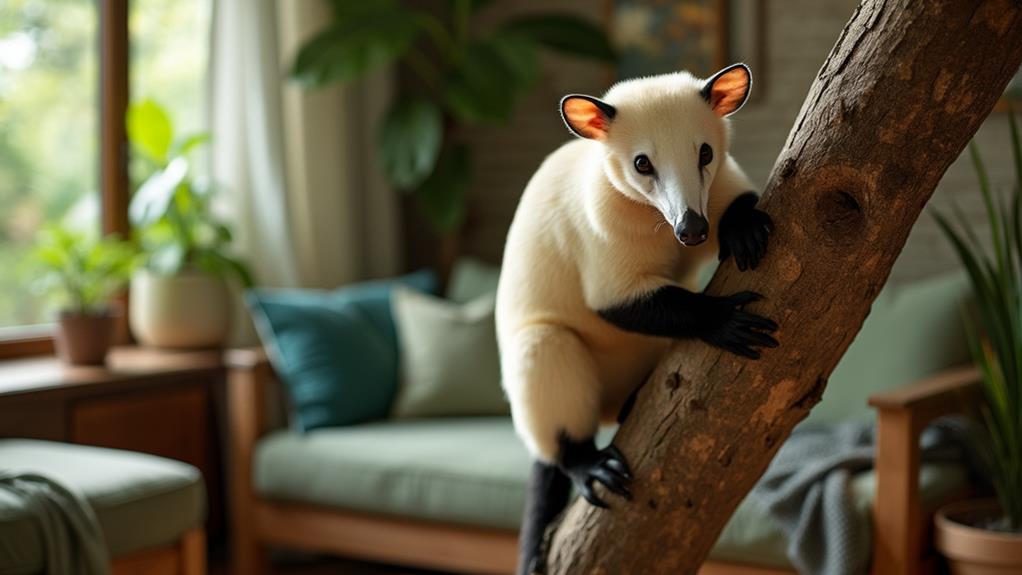
If you're considering a tamandua as a pet, understand their specialized care needs. These anteaters require a high-protein diet, including insects and supplements, to maintain health. Know the legal restrictions in your area, as owning exotic pets varies by state. Provide an enriched environment with climbing structures and maintain temperatures between 65 to 85 degrees Fahrenheit. Regular vet check-ups to monitor their health are essential. Social interaction and mental stimulation are important to prevent anxiety. Remember, escaped tamanduas can disrupt ecosystems, so think deeply about the commitment. Investigate further to grasp the full extent of their care requirements.
Key Takeaways
- Tamanduas need a specialized diet of insects and soft foods to meet their high protein and nutrient requirements.
- Their habitat requires climbing structures and a temperature of 65-85°F for comfort and stimulation.
- Regular veterinary check-ups and specific supplements like Vitamin K and taurine are essential for their health.
- They require companionship and enrichment activities to prevent separation anxiety and encourage mental stimulation.
- Local regulations on tamandua ownership vary, so understanding legal requirements is crucial.
Understanding Tamandua Basics
When you're considering tamanduas as pets, understanding their basic characteristics is fundamental. Tamanduas, often called ant bears, are fascinating medium-sized anteaters. They weigh between 7-19 pounds and boast a body length of about 2 feet, plus a prehensile tail of another 2 feet. These solitary creatures are native to Central and South America and adapt well to different habitats, including forests, savannas, and scrub areas.
Their native habitats offer a clue to their specialized dietary needs. Tamanduas primarily consume ants, termites, and occasionally fruits. A proper diet is vital for their health, requiring high-protein foods and around 10,000 insects daily. You'll need to replicate this diet as closely as possible to guarantee your tamandua thrives. This might involve sourcing specialized foods or supplements designed for insect-eating animals.
Despite their poor eyesight, tamanduas excel with their sense of smell and hearing, which they use for foraging. They also have strong claws that are perfect for climbing and breaking into insect nests. With proper care, tamanduas can live up to 15-20 years in captivity, considerably longer than their 6-9 years in the wild.
Legal and Ethical Ownership
Owning a tamandua isn't as straightforward as adopting a cat or dog; it comes with a unique set of legal and ethical considerations. Before even thinking about bringing one home, you'll need to explore local regulations. Laws about tamandua ownership vary greatly by state, and some places may not allow them as pets at all. It's essential to be fully informed to avoid legal trouble.
On the ethical side, tamanduas require a considerable time commitment. They need daily interaction and stimulation to remain healthy and happy. If you're a full-time worker or have young children, a tamandua might not be suitable for your home. They demand specialized care, including a proper diet and regular veterinary check-ups, which can be financially demanding.
Additionally, environmental enrichment is critical. Tamanduas thrive in environments that mimic their natural habitat, filled with activities that engage their instincts. This responsibility extends beyond your home. You must understand the impact on local ecosystems and the grave consequences of releasing them into the wild. Legal and ethical ownership of a tamandua means being prepared for these responsibilities and ensuring that you're providing the best possible care.
Proper Housing Setup
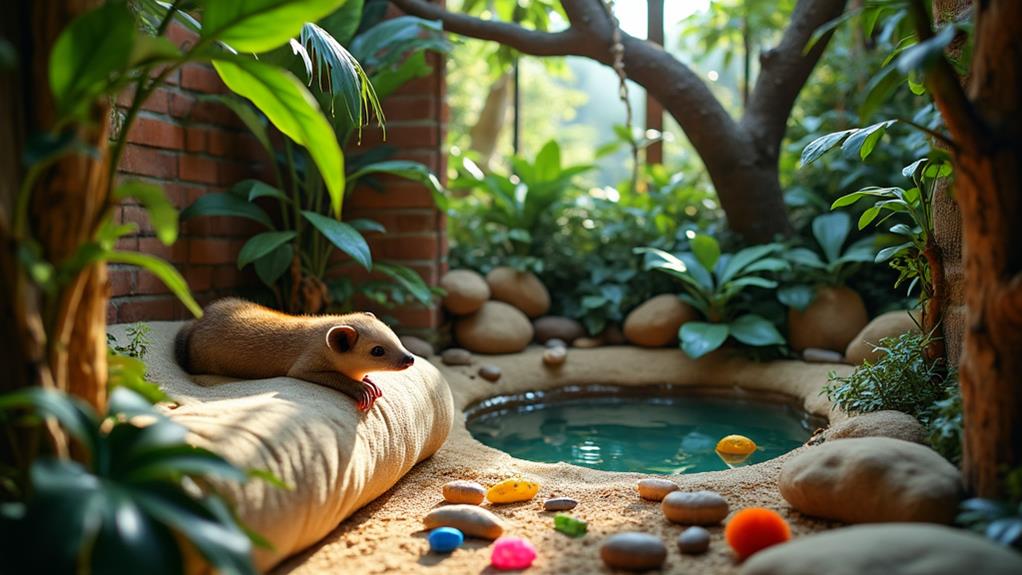
Creating a suitable home for your tamandua is fundamental to its health and happiness. Start by providing ample climbing structures, such as sturdy branches and poles, to satisfy their arboreal nature and encourage natural behaviors. These structures will keep your tamandua active and engaged, reducing stress and promoting physical health.
Maintaining the right ambient temperature is essential, as tamanduas thrive in environments between 65 to 85 degrees Fahrenheit. Make certain your pet's habitat is climate-controlled to prevent stress and minimize the risk of health issues. It's significant to have secure sleeping areas within their enclosure. Options like hollowed tree stumps or baskets will offer comfort and a sense of security for your pet.
Regular cleaning and sanitation are important to maintaining a hygienic environment. Make certain you clean the enclosure frequently to prevent waste buildup, which can lead to health complications. Furthermore, providing environmental enrichment is necessary for their mental stimulation. Include items such as boxes, paper bags, and toys to keep your tamandua mentally engaged. Enrichment activities will improve their general well-being, helping them lead a happy and fulfilled life. By carefully setting up their home, you make certain your tamandua thrives in a safe and nurturing environment.
Nutritional Requirements
Understanding the nutritional requirements of tamanduas is fundamental to their overall health and well-being. These unique animals have specific nutritional needs that you must meet to keep them healthy. A tamandua's diet primarily consists of a high-protein diet, requiring around 10,000 insects like ants or termites daily. This is essential for maintaining their energy and general health.
You can supplement their diet with commercial insectivore food to guarantee they get all necessary nutrients. Including soft foods such as baby cereal and yogurt helps provide important vitamins and minerals. However, be cautious and avoid chemically strong ants, as these can pose health risks. Limiting raw beef is also wise due to potential Salmonella contamination and choking hazards.
Monitoring your tamandua's eating habits is critical. They need specific nutrients like taurine for heart health, and a low calcium intake can lead to issues. For short-term feeding, kitten milk replacer is an option, but switching to a long-term diet is essential to prevent retinol toxicity from excessive vitamin A. By carefully managing their diet, you can support your tamandua's health and guarantee they thrive as your unique pet.
Health and Veterinary Care
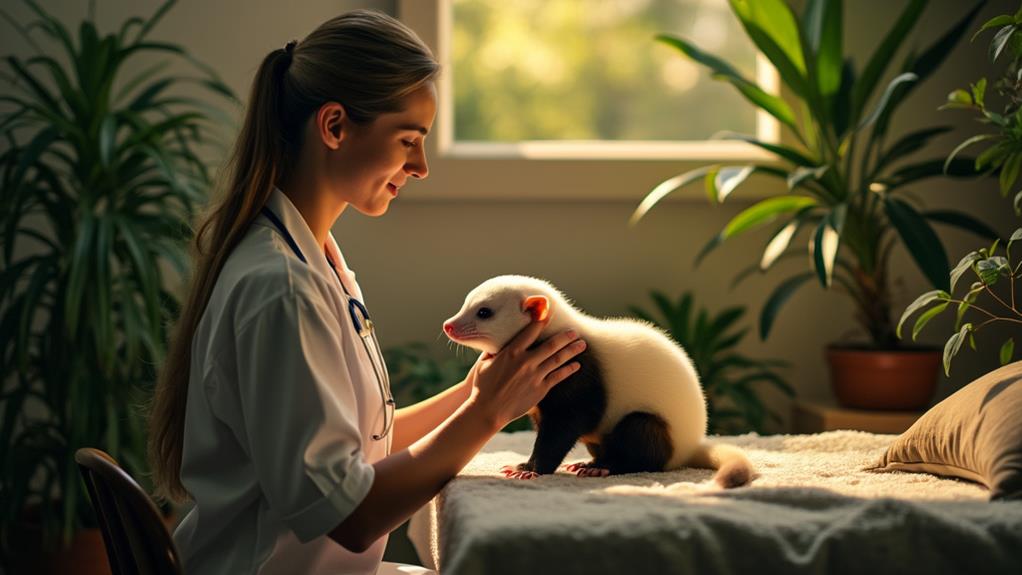
Proper health and veterinary care are vital for keeping your tamandua in top condition. Regular veterinary check-ups are imperative to monitor common health issues like abscesses, intestinal parasites, and metabolic bone disease, often stemming from improper diets. Ensuring these check-ups allows you to catch problems early and keep your tamandua healthy.
Tamanduas have special requirements, including specific supplements like Vitamin K for hemorrhagic issues and taurine for heart health. It's significant to work closely with a vet, especially for geriatric tamanduas, to tailor their care. Veterinary procedures, such as blood draws and ultrasounds, can often be performed voluntarily, making the process smoother for both you and your pet.
Environmental management plays a key role in maintaining your tamandua's health. Keeping humidity levels high helps prevent skin issues and supports general well-being. Be mindful of their living environment to keep them comfortable and healthy. Common health problems, including respiratory diseases, foot problems, and chronic loose stools, require attentive care and monitoring of their dietary habits. Ongoing research is still needed to develop better nutritional guidelines, so stay informed and proactive in your tamandua's care routine.
Social Needs and Enrichment
Tamanduas are social creatures that thrive in environments filled with interaction and stimulation. They need companionship to prevent separation anxiety and promote mental well-being. You should introduce new tamanduas gradually to guarantee positive social interactions. This gradual introduction helps reduce stress and fosters a harmonious social environment. A well-structured social environment is vital for their comprehensive health and happiness.
Enrichment activities play a significant role in keeping your tamandua engaged and content. Here are some ideas for keeping their minds and bodies active:
- Tearing Apart Boxes and Bags: Fill boxes, paper bags, or piñatas with treats to stimulate natural behaviors and prevent boredom.
- Regular Playtime: Engage in playtime with your tamandua to improve social bonding and provide necessary physical activity. This interaction offers both companionship and exercise.
- Training Simple Tricks: Teaching your tamandua simple tricks can provide mental stimulation and strengthen your bond.
Providing a balanced mix of these activities guarantees a fulfilling life for your tamandua, combining mental stimulation and physical activity. Remember, a tamandua's happiness largely depends on how enriched and interactive its environment is.
Breeding and Reproduction
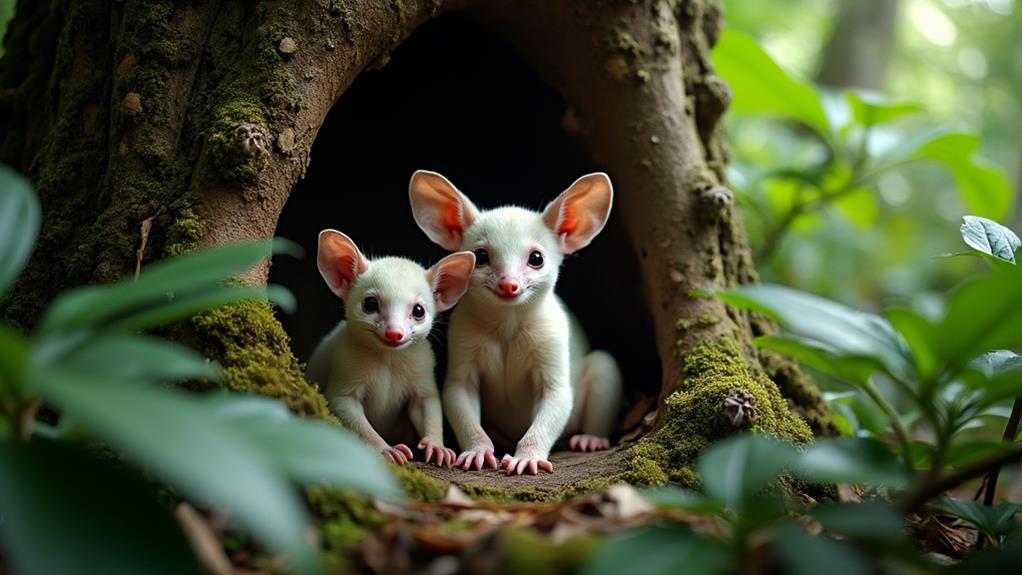
When caring for tamanduas, it's vital to understand their breeding and reproductive needs to secure their well-being and successful propagation. Tamanduas have a gestation period of about 130 to 150 days. Typically, the result is a single offspring, though twins are occasionally reported. However, twins rarely survive to term. The estrous cycle of tamanduas lasts between 40 to 45 days, creating multiple breeding opportunities throughout the year. This frequency allows you to observe their natural breeding behaviors and plan accordingly.
After birth, the mother carries the young tamandua, or juvenile tamandua, on her back for the initial months, providing nourishment and protection. It's fascinating to watch as they develop and grow under her care. Juvenile tamanduas usually stay with their mothers for about a year before they gain independence and start exploring on their own.
To guarantee successful breeding practices, it's important to monitor and manage males and females carefully, as breeding can sometimes become aggressive. Understanding these dynamics helps maintain a harmonious environment for your tamanduas. By observing and respecting their natural breeding habits, you can play an active role in their successful reproduction and care.
Handling and Safety Tips
Handling tamanduas safely is vital to guarantee both their well-being and yours. These unique animals require specific care to make sure they remain calm and comfortable. Start by approaching them calmly and slowly, as sudden movements can startle them. If frightened, their powerful claws and sharp teeth could lead to defensive reactions. To manage their behavior and stress levels, it's important to incorporate regular handling from a young stage. This promotes socialization and helps them become more at ease with human interaction.
When transporting tamanduas, always use a secure carrier. These creatures are adept climbers and could escape from unsecured enclosures. Making certain of their safety during transportation is a top priority. Keep in mind their strong sense of smell; providing familiar scents in their environment can help them feel secure and reduce anxiety.
Here are three key safety tips for handling tamanduas:
- Approach slowly: Always move calmly to avoid startling them.
- Use a secure carrier: Prevent escapes during transport.
- Promote socialization: Regular handling helps them adapt to human interaction.
Environmental Impact Concerns
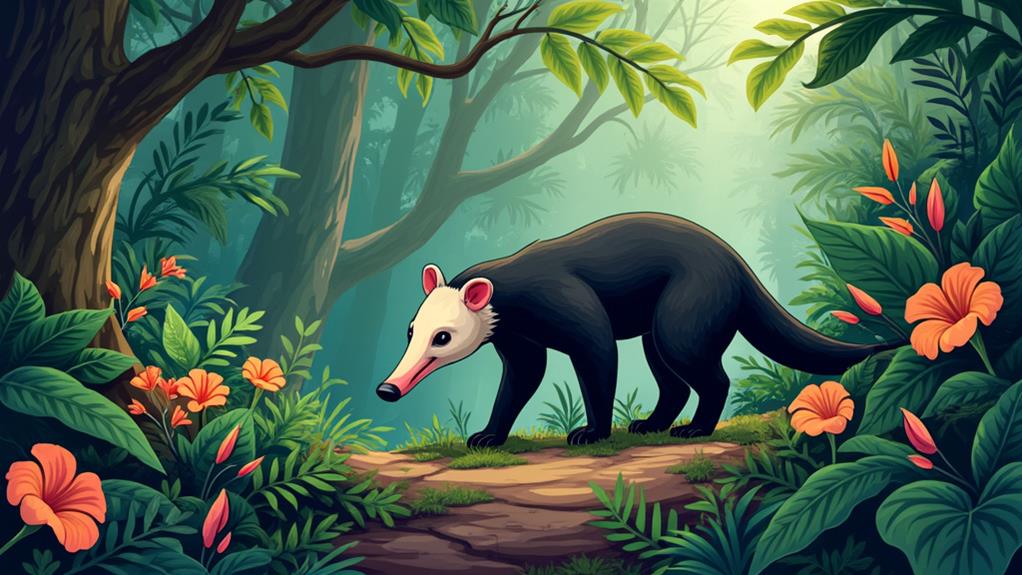
Owning exotic pets like tamanduas can significantly impact the environment in ways you might not expect. While they seem harmless, their presence as pets can lead to unintended ecological consequences. For instance, tamanduas aren't effective pest control animals, which may push you to rely on exterminators. This reliance can increase the use of harmful chemicals, negatively affecting the environment. Furthermore, if a captive tamandua escapes, it might disrupt local ecosystems, posing a threat to native species and habitats.
The demand for these exotic animals can also fuel the illegal pet trade, contributing to population declines in their natural habitats. Tamanduas are already facing challenges like hunting for meat and skins, which are exacerbated by the pet trade. Habitat loss due to agriculture, urbanization, and deforestation further threatens their existence, highlighting the pressing need for conservation efforts. Protecting their natural environments is essential to ensuring their survival.
Raising public awareness about the impact of the exotic pet trade and making responsible consumer choices are important. By understanding these issues, you can contribute to reducing the environmental harm associated with tamanduas and help protect these unique creatures.
Alternatives to Ownership
Why not consider alternatives to owning a tamandua? These enchanting creatures require specialized care and environments, which isn't always feasible for everyone. Instead of ownership, you can support their well-being and conservation in other meaningful ways.
- Sponsoring Endangered Species: By sponsoring tamanduas through wildlife organizations, you can directly contribute to their conservation. This helps fund research, habitat preservation, and breeding programs without the responsibilities of pet ownership.
- Visiting Accredited Zoos: Spend time at accredited zoos or wildlife sanctuaries, where you can learn about tamanduas and their care. These visits support efforts to preserve their habitats, ensuring these unique animals have a chance to thrive in the wild.
- Engaging in Educational Programs: Participate in workshops or classes focused on exotic animal care. These educational programs improve your understanding of tamanduas and promote responsible practices, making you an informed advocate for their welfare.
Volunteering with animal rescue groups offers hands-on experience with tamanduas, helping in their rehabilitation without the long-term commitment. Moreover, contributing to local wildlife conservation initiatives can greatly impact their natural habitats, ensuring these incredible animals continue to exist for future generations. Accept these alternatives and make a real difference!