Swedish Vallhund: The Vocal and Confident Herding Dog
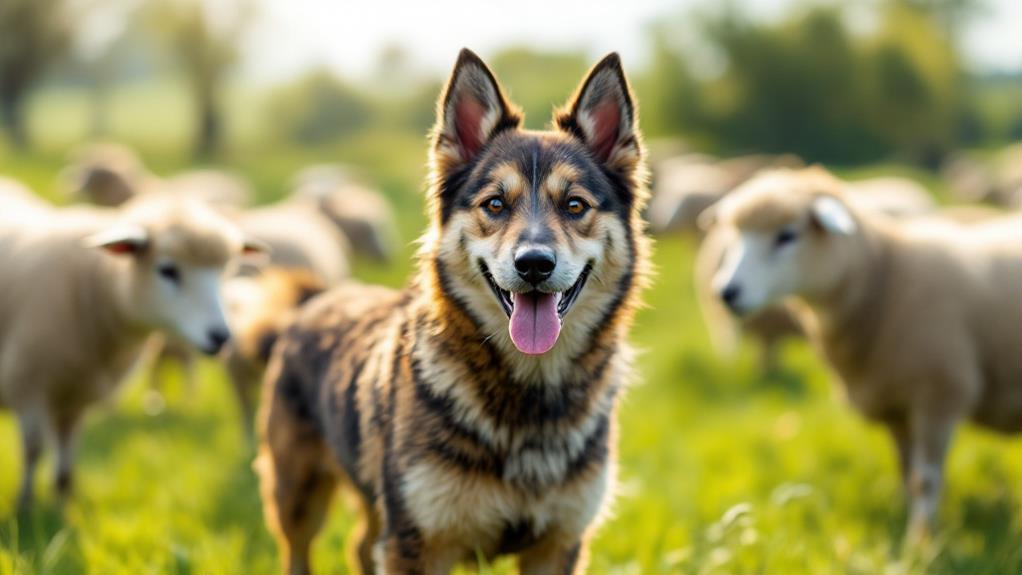
You're exploring the world of the Swedish Vallhund, a charismatic and lively herding dog with a rich Viking heritage stretching back over a millennium. These compact, muscular dogs are vocal and confident, making exceptional watchdogs. Their agility and intelligence shine in herding roles, needing daily exercise and mental challenges to stay content. Grooming is manageable with regular brushing, and their health requires attention to potential hereditary issues like hip dysplasia. Friendly and great with families, Vallhunds thrive on socialization and structured activities. Uncover more about their fascinating traits and care requirements.
Breed History and Origins
With roots stretching back over 1,000 years, the Swedish Vallhund hails from the Viking period in Sweden. Known as the "Viking Dog" or "Vikingarnas Hund," this ancient breed was more than just a companion to the Norse seafarers. You'd find Vallhunds actively herding cattle and guarding farms, showcasing their versatility and importance in daily agricultural life. Their keen instincts and energetic nature made them indispensable to Viking communities.
The breed history of the Swedish Vallhund reveals a fascinating lineage. They share connections with both the Welsh Corgi and larger Scandinavian spitz-type dogs. This unique ancestry contributed to their distinctive abilities and characteristics, blending herding acumen with a robust build. Their historical significance is further highlighted by their depiction on postage stamps across diverse countries, emphasizing their cultural impact in Sweden.
In modern times, the Swedish Vallhund's expedition continued to new territories. The initial U.S. litter appeared in 1986, marking the start of their American presence. In 2007, they earned official recognition by the American Kennel Club (AKC), cementing their place among admired breeds. Today, the Vallhund remains a celebrated symbol of Sweden's rich Viking heritage.
Physical Characteristics
How do you spot a Swedish Vallhund in a crowd? Look for a small to medium-sized dog with a compact, muscular build that exudes strength and agility. Males typically stand between 12.5 to 13.5 inches, while females range from 11.5 to 12.5 inches at the withers. They weigh between 25 to 35 pounds, showcasing their sturdy physique. One of the most distinctive physical characteristics of the Swedish Vallhund is their medium-length double coat. This coat comes in shades of gray or red and provides excellent weather resistance, which is a nod to their origins as herding dogs in Sweden.
Their body structure is long and low, a design that improves their agility and herding prowess. Despite their short stature, they move with confidence and purpose. The Swedish Vallhund might have a stub tail, adding to its unique silhouette. Their vocalizations often catch your attention, reflecting their alert nature. So, when you're searching for a Swedish Vallhund, remember to look for these key physical traits: a sturdy build, a weather-resistant coat, and a distinctive body shape. These features truly set them apart and highlight their herding heritage.
Temperament and Behavior
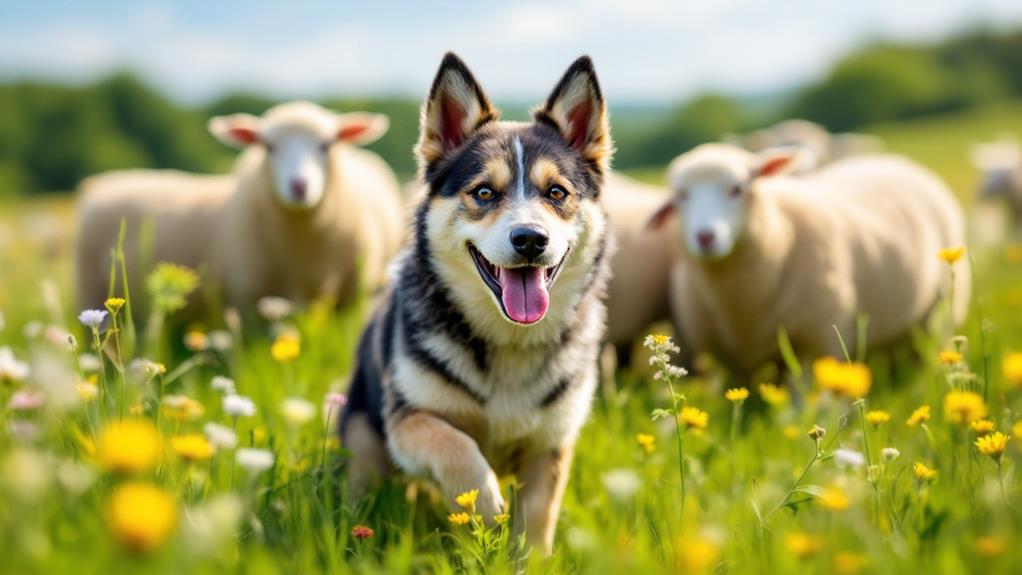
Swedish Vallhunds shine with their alert and confident demeanor, striking a perfect balance between vigilance and friendliness. Their spirited temperament makes them exceptional watchdogs, always ready to alert you with their unique vocalizations. Yet, they're incredibly sociable, especially with family members and children. To guarantee your Vallhund thrives, it's crucial to provide ample daily exercise and mental stimulation. Their high energy level demands it, keeping their behavior in check and making them happy companions.
To help you better understand their temperament and behavior, consider these points:
- Sociability: Vallhunds are naturally friendly, making them great with families and children.
- Energy Levels: They require regular exercise to channel their energy positively.
- Vocal Nature: Expect them to use vocalizations as a means of communication and alerting.
- Training Needs: Early socialization and training are critical, as they can be stubborn without consistent guidance.
Their steadfast disposition combines intelligence and playfulness, making them engaging companions. You'll find they excel in activities like obedience and agility when their herding instincts are nurtured. Accept their lively nature, and you'll have a loyal, energetic friend who thrives in diverse environments.
Herding Instincts
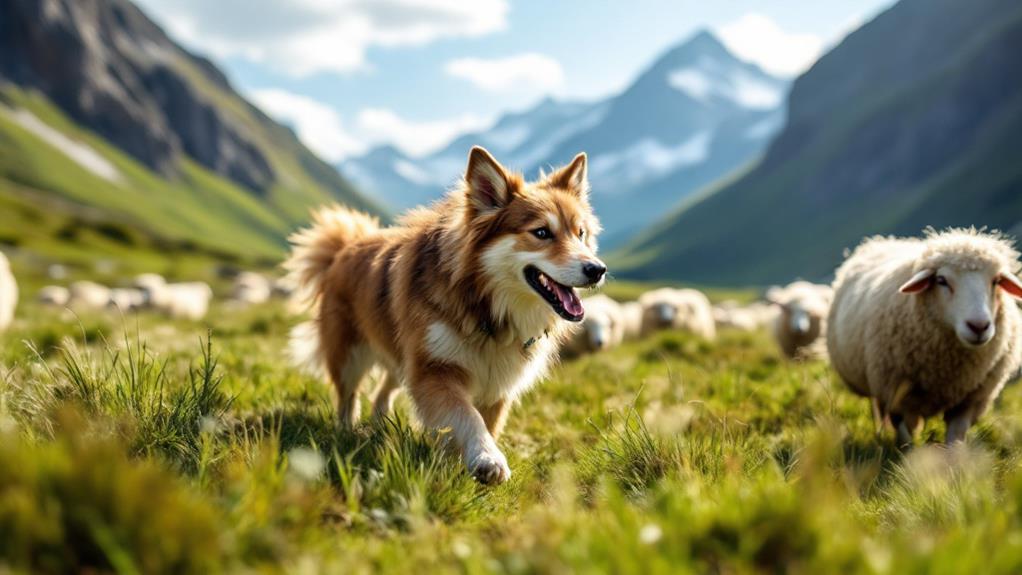
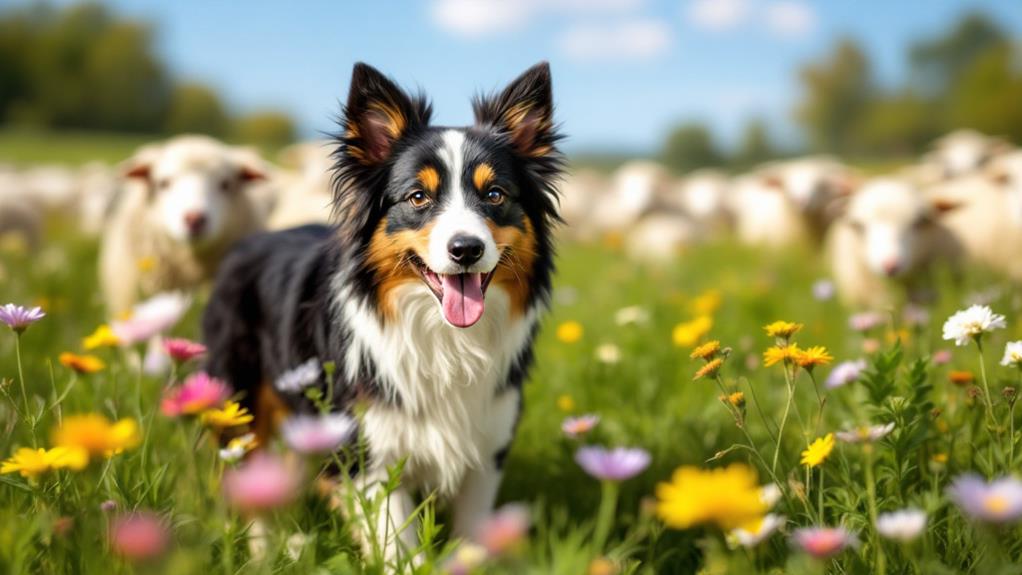
As you appreciate the Swedish Vallhund's lively temperament, their herding instincts naturally come into focus. These dogs are instinctively bred for herding, showcasing a natural ability akin to the renowned Border Collies. Swedish Vallhunds have an inherited herding instinct that's fundamental to their identity. Engaging them in herding activities not only preserves this instinct but also guarantees they thrive in their roles.
Vallhunds tend to gravitate towards cattle herding, where their barking and quick movements are effectively utilized. However, sheep herding requires them to adjust their approach, moderating their actions to maintain flock cohesion. Practical exposure to livestock at least three times a week is critical for honing their herding capabilities. This routine not only sharpens their skills but also keeps their minds and bodies active.
A strong bond between you and your Vallhund is indispensable for successful herding. Their stubborn nature means you'll need patience and adaptability to build this understanding. As you work together, you'll learn to communicate effectively, assuring your Vallhund responds well in herding situations. By nurturing these instincts, you're not only enriching your Vallhund's life but also embracing their rich heritage.
Training and Socialization
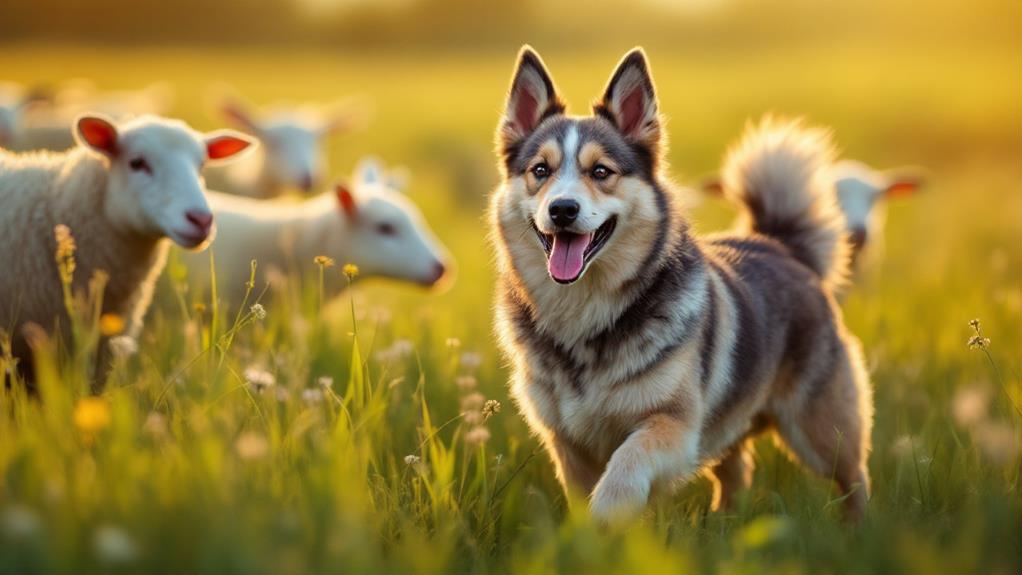
Training and socialization form the backbone of a Swedish Vallhund's development. As a herding dog, your Vallhund thrives when exposed to real herding situations, ideally three times a week. This practical experience is vital for preserving their instinctual behaviors and skills. When training your Vallhund, positive reinforcement isn't just beneficial—it's fundamental. This method improves the effectiveness of commands and strengthens the bond between you and your dog. Here's how you can approach training and socialization successfully:
- Consistency is Key: Your Vallhund needs regular practice to hone their herding instincts. Keep a consistent schedule and engage them with different animals to improve their skills.
- Understand Their Nature: Vallhunds have a natural inclination towards cattle herding. Tailor your training approaches to the specific livestock your dog will work with.
- Be Patient and Adaptable: These dogs can be a bit stubborn. Patience and adaptability are vital to overcome challenges and guarantee successful training.
- Socialize Broadly: Make certain your Vallhund interacts with a variety of animals. This prevents behavioral issues and helps them thrive in diverse environments.
Exercise and Activity Needs
High-energy companions like the Swedish Vallhund demand daily exercise to stay fit and content. To meet their exercise needs, you'll need to engage them in both physical and mental stimulation. Swedish Vallhunds are not just any dogs; they thrive on activity and require at least one hour of exercise each day. Without it, they can become bored, leading to unwanted behavioral issues.
Consider incorporating activities such as herding, agility, and obedience training into their routine. These activities not only burn off their high energy but also provide much-needed mental stimulation. Tracking exercises are another excellent way to challenge their minds. Structured routines and interactive play are key, turning exercise time into a bonding experience. This makes them wonderful companions for active families who enjoy a similar lifestyle.
Socialization is also essential. Engaging with other dogs and animals during regular herding practices improves their skills and general well-being. It's not just about exercise; it's about meeting their instinctual needs, too. By providing varied and enriching activities, you guarantee your Vallhund stays not only healthy but truly happy, ready to be the confident, vocal herding dog they're meant to be.
Grooming and Maintenance
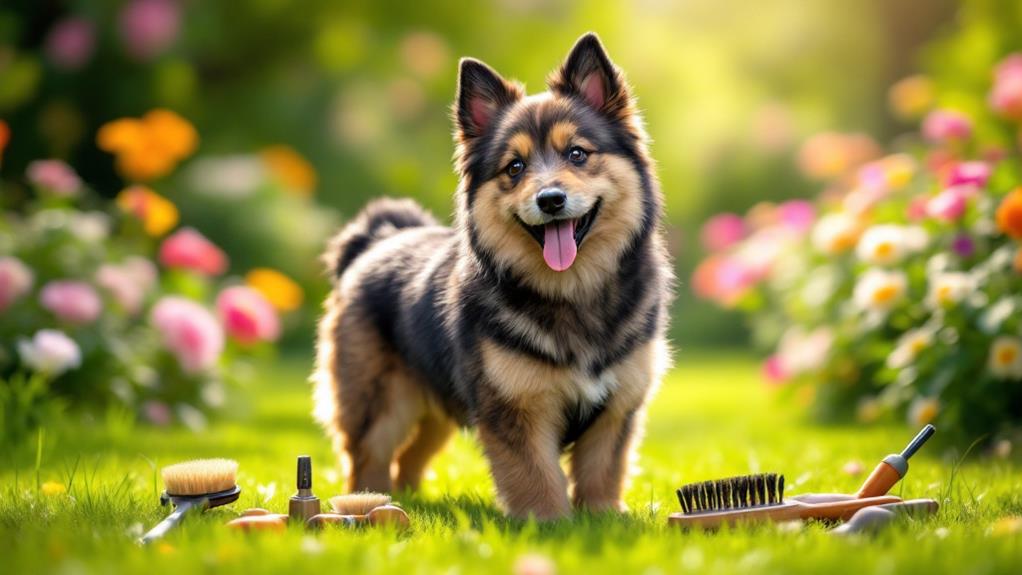
While meeting the exercise needs of your Swedish Vallhund is vital, keeping them well-groomed is equally significant for their thorough well-being. This healthy breed sports a medium-length double coat that requires consistent care. Regular grooming helps manage shedding and keeps their coat in top condition. Aim to brush your Vallhund once a week, and remember, during seasonal shedding, you may need to increase this frequency to prevent matting and keep your home tidy.
Here's a quick guide to maintaining your Vallhund's grooming routine:
- Weekly Brushing: A good brush once a week will help control shedding and maintain the double coat's health.
- Seasonal Grooming: Increase brushing frequency during shedding seasons to manage hair loss effectively.
- Bathing: Bathe your Vallhund only when necessary to preserve the natural oils in their coat, promoting skin health.
- Hygiene Checks: Use grooming sessions to inspect for skin issues, parasites, and abnormalities.
Additionally, don't forget ear cleaning and nail trimming as part of your Vallhund's routine. These steps guarantee their comfort and hygiene, contributing to their general health and happiness. Regular grooming not only keeps your Swedish Vallhund looking great but also supports their well-being.
Health Concerns
Swedish Vallhunds, with their lively energy and enthusiasm, are generally healthy dogs, yet they can face specific hereditary issues. One major health concern is hip dysplasia, a condition affecting joint development and causing discomfort or pain. It's vital to monitor for signs like limping or difficulty moving. Another issue is Swedish Vallhund Retinopathy, a form of progressive retinal atrophy, which gradually leads to vision loss. Regular eye examinations can help in early detection and management of this condition, allowing you to take the necessary steps to maintain their quality of life.
Cataracts may also arise in Swedish Vallhunds, leading to cloudy lenses that can greatly impair vision. Surgical interventions might be necessary to restore their sight. Scheduling regular veterinary check-ups is fundamental to catch these problems early. These check-ups contribute to your Vallhund's general well-being, enabling you to manage any potential health issues promptly. Ensuring that your Vallhund maintains a healthy weight is also significant, as obesity can worsen existing health problems. By staying vigilant and proactive, you can help your Swedish Vallhund enjoy a healthy and happy life alongside you.
Diet and Nutrition
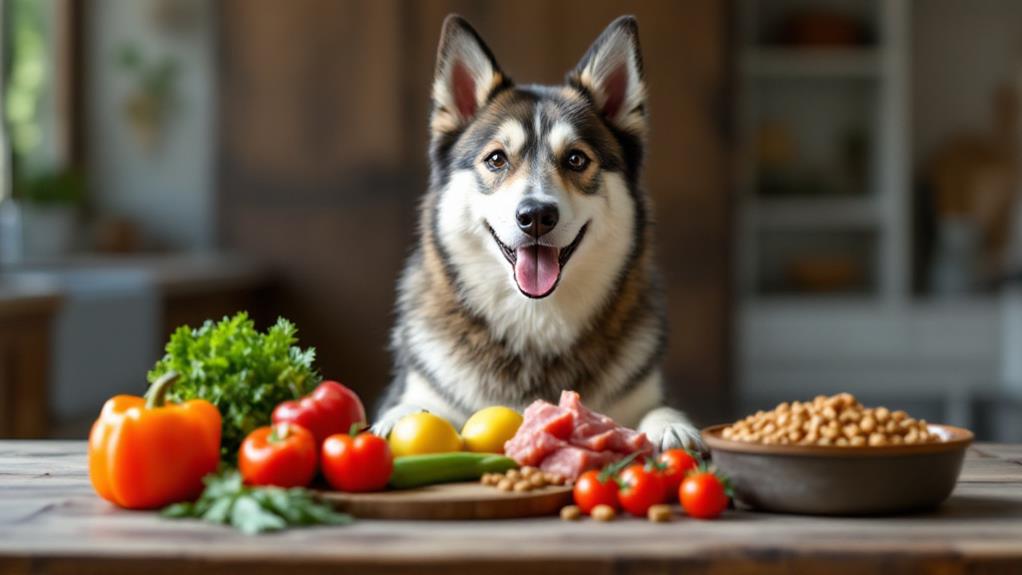
In relation to feeding a Swedish Vallhund, guaranteeing a balanced diet is fundamental for maintaining their energy and general health. You should be mindful of their daily food intake, providing 1 to 1.5 cups split into two meals. This helps maintain a healthy weight and keeps their energy levels stable. Always provide access to fresh water to keep your Vallhund hydrated throughout the day.
When planning a diet for your Swedish Vallhund puppy or adult dog, consider these key points:
- Portion Control: Monitor their weight regularly, as they can become obese if overfed. Careful portion control is critical to avoid weight gain.
- Quality Dog Food: Choose a high-quality, nutritionally balanced dog food. This supports their active lifestyle and high energy levels, guaranteeing they get all necessary nutrients.
- Veterinarian Consultation: Consult your vet for specific dietary recommendations based on your Vallhund's maturity and activity level. This guarantees their nutritional needs are met.
- Fresh Water: Keep fresh water available at all times, which is crucial for their overall health.
Family and Other Pets Compatibility
Families looking for a friendly and sociable companion will find the Swedish Vallhund a perfect match. These dogs are known for their amiable temperament, making them excellent pals for families with children. Their playful and energetic nature fits well with active households, ensuring everyone has positive experiences. Early socialization is essential, allowing Vallhunds to develop good relationships with other pets. By introducing them to a range of animals, you can improve their compatibility and encourage harmonious coexistence.
Training with positive reinforcement is key to nurturing their friendly disposition. Vallhunds are confident and alert, traits that make them effective watchdogs. However, they generally aren't overly aggressive towards other animals, making them a good choice for multi-pet families. Engaging in regular play with other pets not only satisfies their herding instincts but also strengthens their social skills.
For the best results, expose your Vallhund to diverse environments and animals. This exposure not only hones their herding skills but also minimizes behavioral issues. Regardless of it being running in the yard or enjoying a family hike, these dogs thrive on activity. With the right approach, a Swedish Vallhund can be a delightful addition to your family dynamic.