Staffordshire Bull Terrier: The Surprisingly Sweet and Loyal Dog
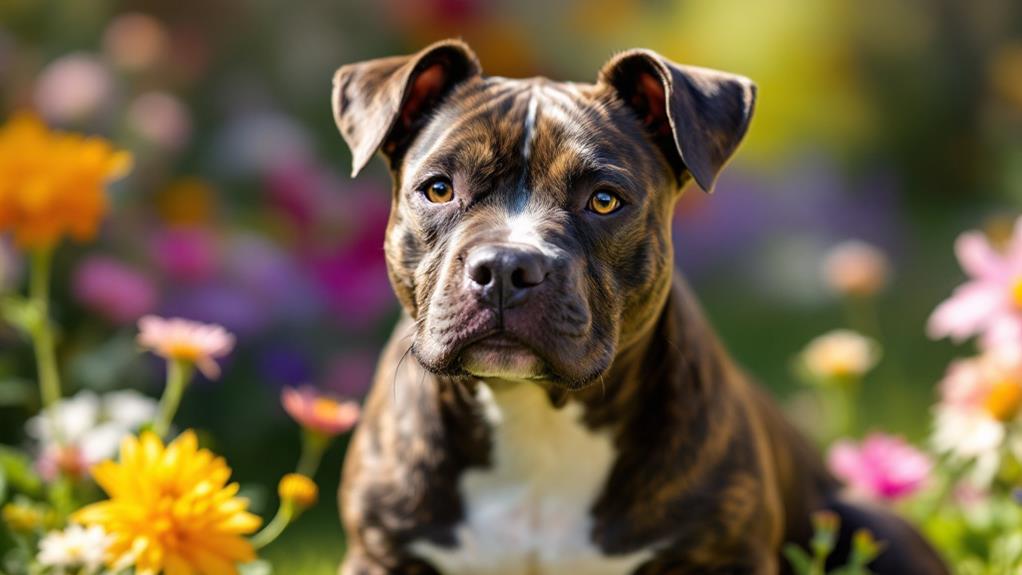
You'll find Staffordshire Bull Terriers to be surprisingly sweet and loyal companions, often nicknamed "nanny dogs" for their gentle demeanor with children. Their transformation from 19th-century fighting dogs to beloved family members showcases their affectionate nature. Typically medium-sized, they require minimal grooming and respond well to training, though early socialization is essential. Remember to provide them with at least an hour of exercise daily to curb any separation anxiety. Guarding instincts make them protective yet charming enhancements to homes. As you investigate more, you'll uncover how their reputation contrasts with their true temperaments.
Breed History and Origins
How did the Staffordshire Bull Terrier evolve from a fighter to a beloved family pet? This remarkable expedition begins in 19th-century England, where the breed's origins trace back to the crossbreeding of Bulldogs and terriers. After the ban on blood sports in 1835, these dogs were developed for dog fighting, earning a reputation for their strength and tenacity. Named after Staffordshire, England, where James Hinks initially bred them, they were known by several names, including the Patched Fighting Terrier.
In Victorian England, the Staffordshire Bull Terrier began shedding its fighting image. As societal attitudes changed, these dogs became popular among the working class, not just for their strength but also for their affectionate nature. Families soon realized their potential as loyal companions, and the breed adapted into a family companion. This shift was significant, as they became known as "nanny dogs" for their gentle demeanor with children.
Their transformation was solidified when The Kennel Club recognized them in 1935, and later, the American Kennel Club added them to its registry in 1974. Today, the Staffordshire Bull Terrier stands proudly as a cherished family pet, celebrated for its loving, loyal nature.
Physical Characteristics
Though compact in size, the Staffordshire Bull Terrier packs a robust and muscular build that commands attention. Standing at 14-16 inches tall, they're medium-sized dogs, yet their physical presence is undeniable. Males are typically taller and heavier, with weight ranges from 28-38 lbs, whereas females usually weigh between 24-34 lbs. The Staffordshire Bull Terrier's broad wedge-shaped head and short snout give them a distinctive appearance. Their pronounced cheeks add an extra layer of character to their already striking features.
One of the most visually appealing aspects of the Staffordshire Bull Terrier is their coat colors. You can find them in shades like red, fawn, white, black, blue, brindle, or in combinations with white. This variety adds to their charm and individuality. Their short-haired coat is another practical advantage, requiring minimal grooming. With low-maintenance grooming needs, you won't spend much time on brushing. They shed just once or twice a year, making them a convenient choice for those who prefer less upkeep.
In essence, the Staffordshire Bull Terrier is a perfect blend of muscular strength and aesthetic appeal, wrapped in a low-maintenance package that suits many lifestyles.
Health and Wellness
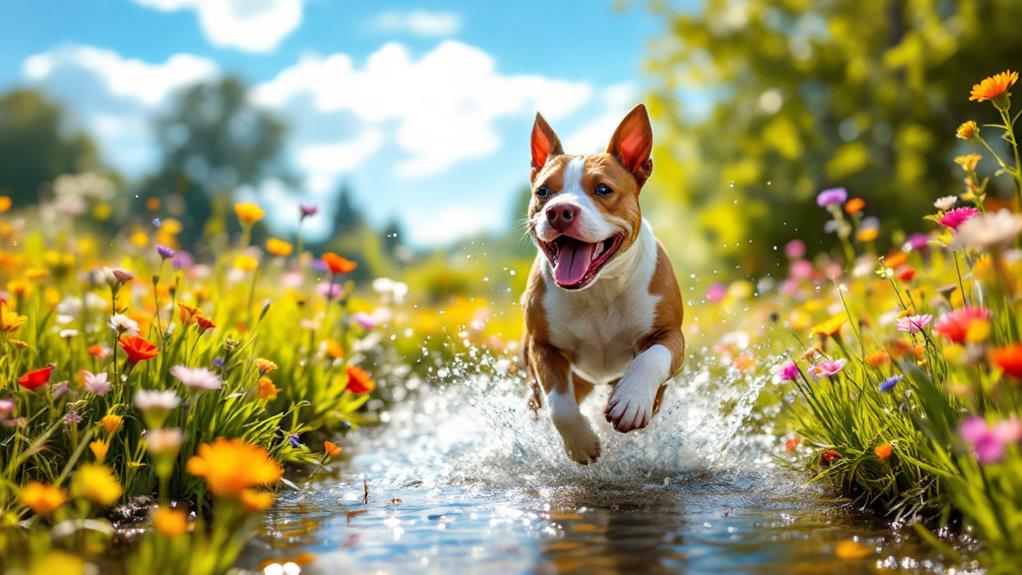
Beyond their striking appearance and physical prowess, Staffordshire Bull Terriers require attention to their health and wellness to enjoy a long, active life. As a Staffordshire Bull Terrier owner, it's important to be aware of common health conditions like hip dysplasia and hereditary eye disorders. Regular veterinary check-ups are necessary to monitor these issues, guaranteeing early detection and management. Genetic testing can also help you identify potential problems before they develop.
A balanced diet is fundamental for maintaining their muscular build. Make sure their meals are high in protein, usually about 1 to 1.5 cups of high-quality kibble twice daily. This supports their energy levels and general health.
Despite their robust physique, Staffordshire Bull Terriers are sensitive to heat. Avoid leaving them outside in high temperatures, and always provide shaded areas and fresh water to prevent overheating. Their grooming needs are low-maintenance, requiring only weekly brushing. Don't forget routine dental care and ear cleaning to keep them in optimal shape.
Temperament and Behavior
Renowned for their affectionate and loyal nature, Staffordshire Bull Terriers often form strong bonds with family members, earning them the endearing nickname "nanny dog" due to their gentle demeanor around children. Their temperament is a delightful blend of being both loving and protective, making them an ideal choice for a loving family. Despite their muscular appearance, their good-natured behavior shines through, especially with proper training and socialization. It's vital to start socializing them early, ensuring they develop positive interactions with other pets and unfamiliar dogs.
However, Staffordshire Bull Terriers can develop separation anxiety if left alone for long periods. This can lead to destructive behavior, so be sure to dedicate time and effort to keep them engaged. Regular exercise is key for their well-being, helping them stay calm and content.
Here's why they tug at your heartstrings:
- Their unwavering loyalty, always ready to stand by your side.
- Their affectionate cuddles, making them excellent companions.
- Their protective instincts, ensuring your family's safety.
With the right balance of love, training, and exercise, a Staffordshire Bull Terrier can be a cherished member of your family, providing endless joy and companionship.
Training Tips
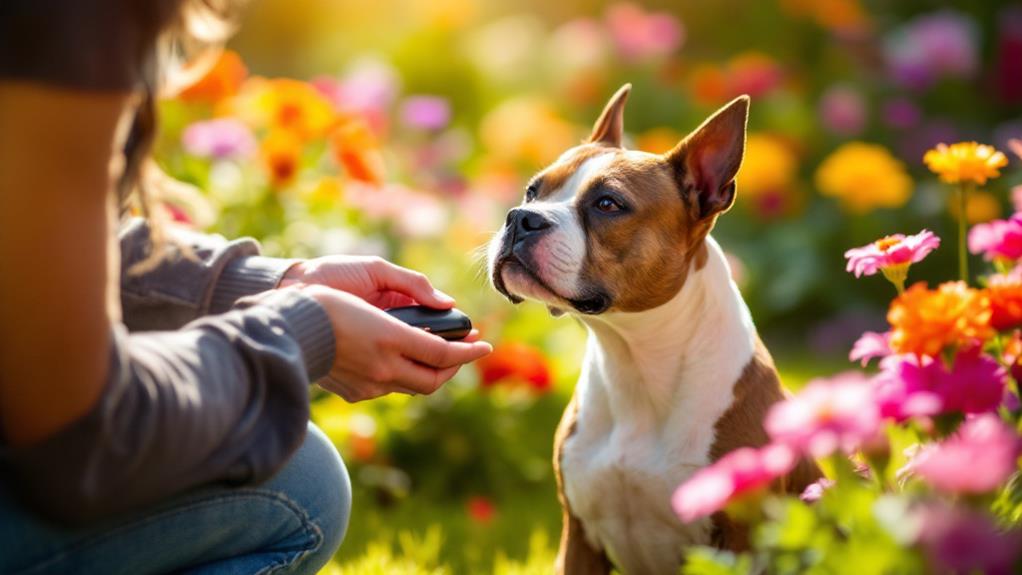
Training a Staffordshire Bull Terrier requires dedication and a strategic approach to bring out the best in this intelligent breed. Start with early socialization to guarantee your dog becomes well-adjusted. Expose them to diverse people, environments, and other animals right from a young stage. This will help prevent any aggressive tendencies and make them more adaptable.
Positive reinforcement is key during training. Staffordshire Bull Terriers respond well to rewards like treats or praise, making them enthusiastic to learn. Consistent training routines are crucial since, despite their intelligence, they can be stubborn. Patience and persistence in your approach will yield the best results.
Incorporate both physical and mental exercises to keep your dog engaged. Provide interactive toys and activities to prevent boredom, which can lead to destructive behaviors. Leash training should be a priority too. Staffordshire Bull Terriers may exhibit aggression towards strangers or other dogs, so guarantee you maintain control during walks.
Exercise Requirements
Keeping your Staffordshire Bull Terrier active is vital for their health and happiness. These highly energetic dogs have specific exercise requirements that include at least one hour of exercise each day. Regular daily exercise is important for preventing destructive behaviors that can arise from boredom and pent-up energy. Without proper outlets, your Staffordshire Bull Terrier might channel their energy in less desirable ways.
To meet their exercise needs, incorporate engaging activities such as brisk walks, games of fetch, and agility training. These activities not only provide physical exertion but also offer mental stimulation, contributing to their general well-being. Keep in mind that they thrive on variety and challenge.
- Imagine their joy as they sprint across the park, tongue out, tail wagging.
- Picture their excitement when they successfully navigate an agility course.
- Feel their satisfaction when they solve a puzzle toy, earning a tasty reward.
On warm days, be mindful of their short snouts, which can make them prone to overheating during strenuous activities. Providing a mix of outdoor play and mental exercises will guarantee your Staffordshire Bull Terrier remains a happy and well-adjusted companion. Balancing physical and mental activities will keep them healthy and content.
Grooming Needs
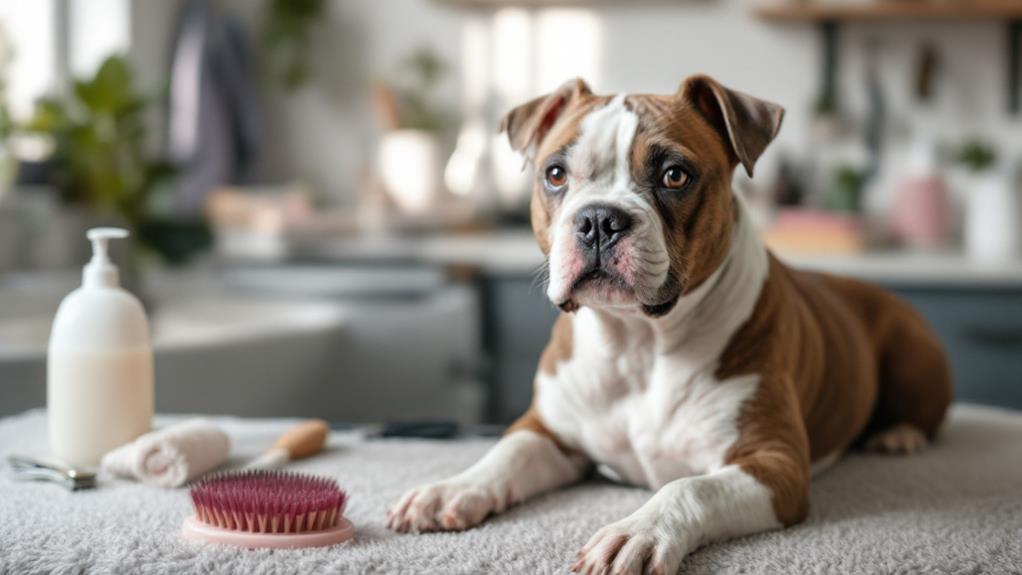
A Staffordshire Bull Terrier's short-haired coat makes grooming a breeze, requiring just a weekly brush to keep them looking their best and free from loose hair and dirt. Their minimal grooming needs mean you won't spend hours maintaining their coat, but you still have to pay attention to other aspects of their care. Shedding usually happens once or twice a year, so during those periods, you might want to increase brushing frequency to manage the extra hair.
Regular nail trimming is vital, at least once a month, to prevent pain and discomfort in your Staffordshire Bull Terrier. Don't forget about their dental hygiene—brushing their teeth regularly helps ward off dental diseases that can affect general health. Bathing should only occur when your dog is dirty, and make sure to use dog-specific shampoo to maintain their skin health and avoid irritation.
Routine checks for ticks and fleas are important, along with regular ear cleaning. Their floppy ears can be prone to infections, so keeping them clean is key. By adhering to these grooming needs, you guarantee your Staffordshire Bull Terrier stays healthy, comfortable, and looking great.
Nutrition and Diet
Feeding your Staffordshire Bull Terrier a balanced diet that's high in protein is vital to maintaining their muscular physique and general health. Their nutritional needs can be met with quality protein sources such as salmon, turkey, and chicken. Typically, adult Staffies require between 1 to 1.5 cups of high-quality dog kibble twice daily. This routine helps prevent weight gain—a common issue if they're overfed or lack exercise.
Providing fresh drinking water at all times is important, especially in warmer climates. This prevents dehydration, as Staffordshire Bull Terriers can be sensitive to heat. Regular dietary assessments guarantee your dog's diet aligns with their health requirements. It's always wise to consult with a veterinarian to tailor your Staffie's diet and monitor for potential skin issues.
Consider the following when planning your Staffie's diet:
- Love and care: A balanced diet shows your commitment to their well-being.
- Health check-ins: Regular vet visits can prevent future health problems.
- Hydration is key: Fresh water keeps your dog happy and healthy.
Common Misconceptions
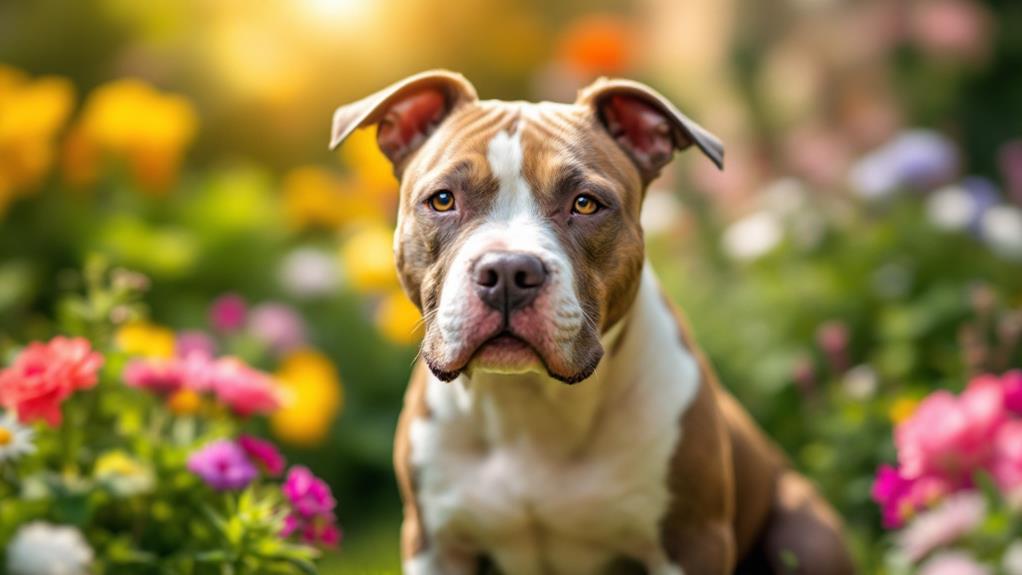
While ensuring your Staffordshire Bull Terrier receives a balanced diet, it's just as essential to address common misconceptions about the breed. Many people mistakenly label them as aggressive because of their historical use in dog fighting. However, this behavior isn't inherent. It usually results from poor training and upbringing. In reality, a well-trained Staffordshire Bull Terrier is a loving, loyal companion and a true family-friendly dog.
Misconceptions often arise from confusing Staffordshire Bull Terriers with American Staffordshire Terriers and Pit Bull breeds. Despite their similar appearances, significant differences in temperament and purpose exist. Staffordshire Bull Terriers have earned the affectionate nickname "Nanny Dog" due to their gentle and protective nature around children. This endearing trait underscores their suitability as family pets.
Unfortunately, misleading stereotypes sometimes lead to discrimination and abandonment, with many Staffordshire Bull Terriers landing in shelters. These misconceptions can overshadow the breed's true potential as loving, loyal companions. Responsible ownership is key. By providing proper socialization and training, you can help dispel myths surrounding Staffordshire Bull Terriers. When raised in a nurturing environment, they thrive as devoted members of your family, proving the misconceptions unfounded.
Adoption Considerations
When considering adopting a Staffordshire Bull Terrier, it's vital to understand the unique needs and characteristics of the breed. These loyal dogs often face unfair stereotypes, so it's significant to be informed about their loving nature and potential as wonderful family members. Adopting a Staffordshire Bull Terrier means committing to proper training and socialization from an early period. This will help them integrate smoothly into your family life and foster positive behavior. Their strong loyalty and protective instincts can be a great asset, but only with the right guidance.
You'll need to meet their exercise needs, dedicating at least an hour daily to physical activity. Without this, they may become bored or even destructive. They also require mental stimulation to keep them happy and healthy. Potential health issues, like hip dysplasia and skin conditions, should also be part of your adoption considerations. Being prepared for possible veterinary care is vital for maintaining their well-being.
- Witness the joy of a loyal companion always by your side.
- Experience the bond of a breed that thrives in a loving family.
- Accept the commitment of a long-term, fulfilling relationship.