Somali Cat: The Determined and Animated Long-Haired Feline
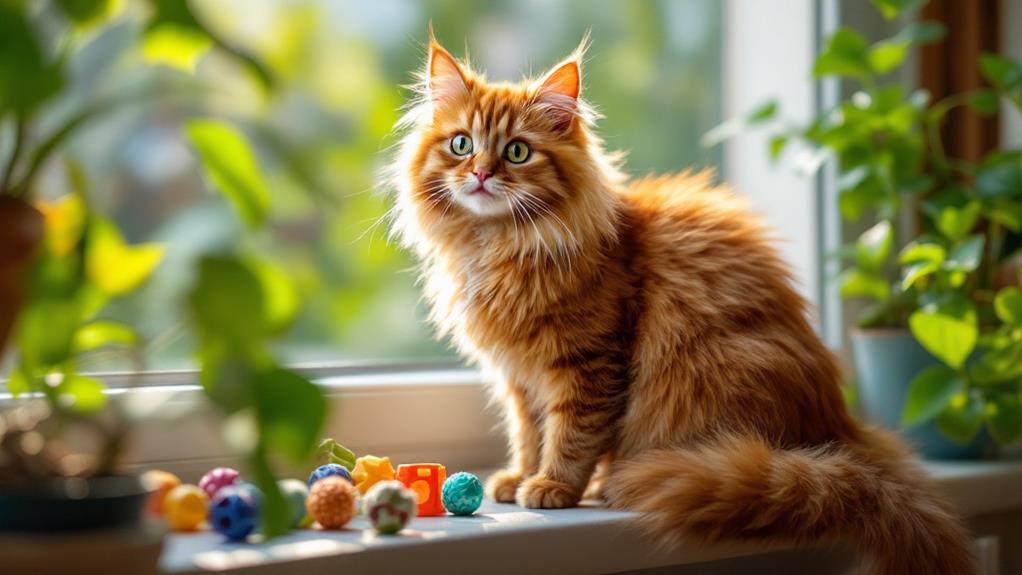
Meet the Somali cat, a spirited and engaging long-haired feline descended from the Abyssinian. This medium-sized breed thrives on social interaction, boasting a lively personality and a love for play. With its silky, beautifully ticked coat and fox-like bushy tail, the Somali is a visual delight. You'll find these intelligent cats love to investigate and entertain, often getting into playful antics. They need regular grooming to maintain their luxurious fur and benefit from a balanced diet to address potential health issues. Curious to know what makes owning a Somali truly special? The adventure with this exotic beauty continues.
Origin and History
In the intriguing world of cat breeds, the Somali cat stands out with its fascinating origin and history. You might be surprised to learn that the Somali cat originated in the United States during the 1950s as a long-haired version of the Abyssinian. This unique breed emerged from recessive genes found in the Abyssinian's litters. The Somali's exotic appeal has always intrigued cat lovers, yet its origins are shrouded in some controversy. While some believe it resulted from Abyssinian breeding programs in England, others suggest it arose as a spontaneous mutation.
Evelyn Mague played an essential role in the Somali's path to breed recognition. In 1972, she founded the Somali Cat Club of America, aiming to promote the breed's recognition and establish standards. Her efforts paid off as the breed's popularity surged in the 1960s. The initial Abyssinian cat, Raby Chuffa, introduced to the United States in 1953, is considered an ancestor of the Somali breed. The name "Somali" reflects its connection to the Abyssinian lineage, with Somalia evoking a sense of exotic allure. Today, the Somali cat captivates enthusiasts with its rich history and unique charm.
Physical Traits
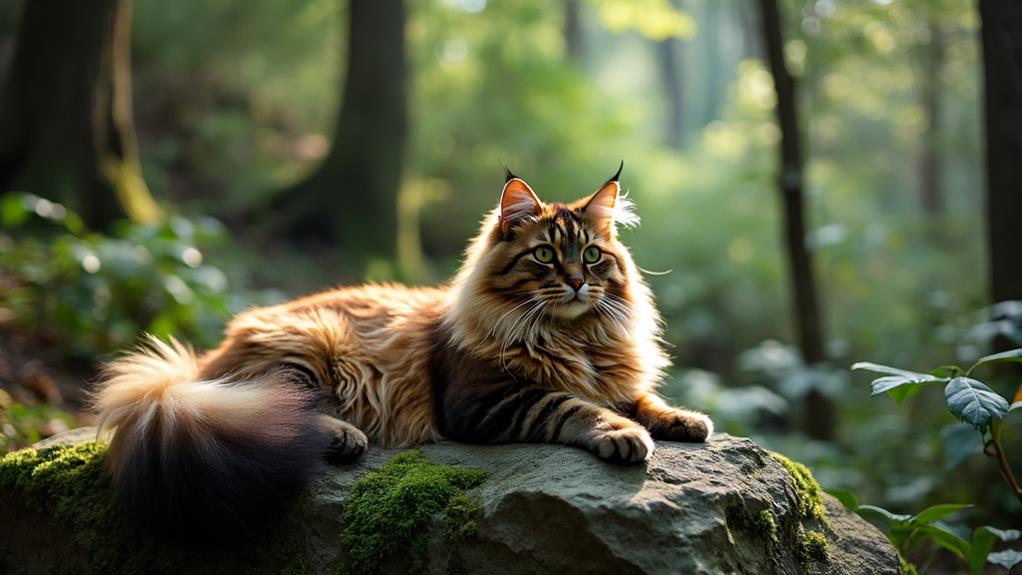
A Somali cat's physical traits are both enchanting and distinctive. You'll notice their medium-sized, muscular body that typically weighs between 6 and 12 pounds. Females are usually slightly smaller than males, but both genders exhibit an athletic build that showcases their strength and agility. Somali cats have a silky, medium-length coat, featuring a unique ticked pattern. This gives their fur a striking appearance with colors such as ruddy, red, blue, fawn, and lilac, making them stand out among long-haired cats.
Their wedge-shaped head and slightly rounded muzzle add to their enchanting look, while their large forward-arched ears hint at a perpetual state of alertness. The bright almond-shaped eyes of Somali cats can be gold, amber, or green, providing a vivid contrast to their coat and enhancing their expressive appearance.
One of their most notable physical traits is their bushy tail, covered in long fur, which contributes to their resemblance to a fox. This feature, along with their dense fur, creates an illusion of greater size. Despite being larger than the Abyssinian, their short-haired cousin, Somali cats share a similar weight, showcasing their unique ability to appear both robust and graceful.
Personality and Behavior

Beyond their striking appearance, Somali cats captivate with their lively personalities and engaging behavior. These felines are known for their outgoing and adventurous spirit, thriving on social interaction with both humans and other pets. Somali cats have a playful nature and high energy levels, which means they need regular playtime to stay happy and healthy.
Here's what you can expect from a Somali cat's personality and behavior:
- Interactive Play: Somali cats love engaging in interactive play, regardless of it's chasing toys or playing fetch. They enjoy activities that challenge their mind and keep them entertained.
- Affectionate Companions: These cats are affectionate companions, often using vocalizations to communicate their needs and desires, showing attentiveness to their owners.
- Curious and Intelligent: Somali cats are highly intelligent and curious, often exploring every nook and cranny of their environment. Their curiosity can lead them into occasional mischief as they investigate their surroundings.
- Animated Antics: With a strong sense of humor, Somali cats bring joy and entertainment through their animated antics. Their playful behaviors often make them the life of the household, keeping you smiling with their endless energy.
Grooming Needs
Grooming a Somali cat is vital to keeping its beautiful coat healthy and tangle-free. With their medium-length coat, Somali cats require grooming about twice a week to maintain that soft, silky fur you adore. Regular brushing is important, especially around areas prone to matting like the neck ruff and tail. This not only helps prevent mats but also promotes healthy fur and skin, reducing shedding and hairballs—common issues in longhaired breeds.
Your Somali cat likely enjoys the grooming process, turning it into a delightful bonding experience for both of you. To make the most of this time, use the right tools. A stainless steel comb is perfect for gently detangling any knots, while a slicker brush can efficiently remove loose hair and debris from the coat. These tools guarantee you're grooming effectively, keeping your cat's fur in top condition.
Paying attention during grooming sessions is key. Focus on areas with longer fur and be gentle to avoid causing discomfort. By incorporating regular grooming into your routine, you'll keep your Somali's coat luxurious and your relationship strong. Remember, a well-groomed coat is a happy, healthy cat.
Health Considerations
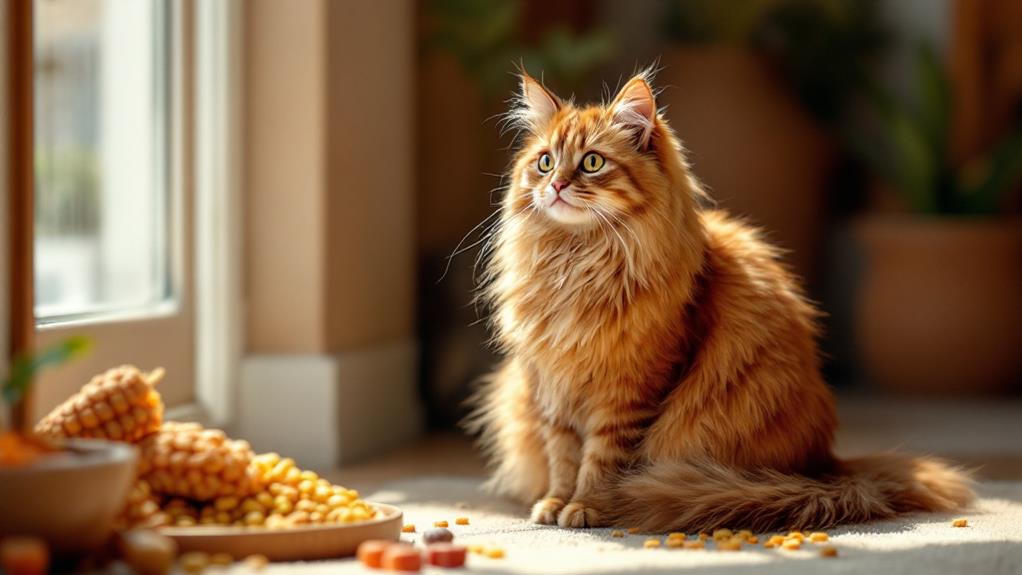
In regard to the health of your Somali cat, understanding their specific needs is critical. Somalis are prone to certain genetic health issues, making it important to stay informed and proactive. Here are some key health considerations to keep in mind:
- Genetic Health Issues: Somalis may suffer from Pyruvate Kinase Deficiency, which can cause anemia. Watch for signs such as fatigue and poor coat quality. Furthermore, renal amyloidosis can affect your Somali's kidneys, with symptoms like excessive thirst and frequent urination.
- Eye Conditions: Progressive retinal atrophy is another concern, potentially leading to vision loss. Be alert for symptoms like cloudiness or squinting, which could indicate corneal amyloidosis or other problems.
- Routine Veterinary Check-ups: Regular visits to the vet are imperative. They help in the early detection and management of health issues, ensuring your Somali cat's general well-being.
- Balanced Diet and Exercise: A balanced diet and regular exercise are fundamental to your Somali's health. These practices can extend their life expectancy, which typically ranges from 11 to 14 years.
Ownership and Costs
Owning a Somali cat comes with both joyful companionship and financial considerations. When you decide to bring a Somali cat into your home, you're making a long-term commitment that involves more than just the initial cost of acquisition. Pedigree kittens can cost between $800 to $1,500, while adopting an adult from a rescue is more affordable, ranging from $75 to $200. However, the expenses don't stop there.
Somali cats, with their energetic nature, require high-quality food to maintain their health and vitality. You'll also need to budget for grooming supplies, toys, and litter. Routine veterinary care is essential to prevent breed-specific health issues like pyruvate kinase deficiency and renal amyloidosis, so be prepared for regular vet visits. Furthermore, setting aside funds for unexpected vet bills is wise to avoid financial strain during emergencies.
Their lively demeanor demands time and attention, as insufficient engagement can lead to behavioral issues. Ensuring your Somali cat is mentally and physically stimulated is important for their well-being. In summary, understanding the ongoing costs and responsibilities involved in Somali cat ownership will help you provide a loving and stable environment for your feline friend.