Small Dogs Can Make Great Pets: How to Pick the Right Breed for Your Lifestyle

Choosing the right small dog for your lifestyle involves evaluating your living space, activity level, and time commitments. Small breeds thrive in apartments and need minimal exercise, making them perfect for urban dwellers. You should match a dog's energy with your daily routine; laid-back breeds like French Bulldogs fit busy lifestyles, while Jack Russell Terriers need more stimulation. Consider grooming needs; breeds like Bichon Frises are low maintenance. Family settings also matter—friendly temperaments in small dogs make them great with kids. Regardless of whether you're considering adoption or purchasing, understanding these factors will help you find the perfect companion. Investigate further to uncover more.
Evaluating Your Living Space
When you're considering a small dog breed, evaluating your living space is an important initial step. Small dogs generally thrive in smaller living spaces like apartments or condos. Their compact size and lower exercise needs make them perfect companions for such environments. Breeds like the Chihuahua or French Bulldog adapt well to indoor living, meaning you don't need a sprawling yard to keep them happy.
Living in urban settings without a yard isn't a problem for small dogs. They often relish short walks and can get plenty of exercise in nearby parks or through indoor play. However, noise considerations are significant; some small dogs are prone to barking, so choosing a breed known for a quieter demeanor can maintain peace with your neighbors.
Safety is another vital factor. Small dogs are more vulnerable to household hazards, so your living space should be a dog-proof area. Make sure staircases are blocked and potentially dangerous objects are out of reach. This precaution helps create a safe and comfortable environment for your furry friend. By addressing these elements, you can make certain your living space is well-suited for a small dog.
Matching Activity Levels
After evaluating your living space, it's time to contemplate how a small dog's activity level aligns with your lifestyle. Small dog breeds vary in energy levels, so selecting one that matches your daily routine is vital for a happy pet. If you lead a laid-back lifestyle, consider breeds like the French Bulldog or Cavalier King Charles Spaniel. These dogs enjoy gentle indoor activities and require less exercise, making them perfect companions for quieter households.
On the flip side, if your household is more active, high-energy breeds like the Jack Russell Terrier or Miniature Pinscher could be a great match. These small dogs thrive on regular playtime and exercise, so incorporating regular daily walks and mental stimulation into their routine is fundamental. This not only keeps them physically fit but also prevents boredom and potential behavioral issues.
Understanding a small dog's energy levels guarantees you provide the appropriate amount of activity they need. Regardless of whether it's a few laps around the living room or a brisk walk in the park, matching their activity level with your lifestyle will keep both you and your furry friend content and harmonious. Choose wisely, and you'll enjoy every moment with your new companion.
Time Commitment Considerations
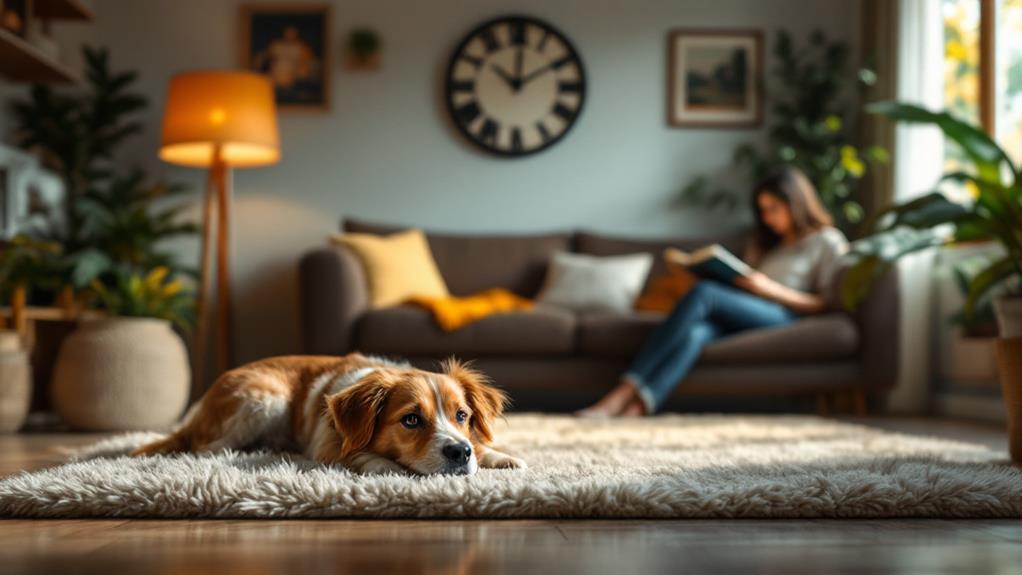
Opting for a small dog can be a smart choice if you're pressed for time. Small dogs typically require less exercise, which fits perfectly with busy schedules. A brief daily walk or a quick play session can keep them happy and healthy. Many small breeds, like Chihuahuas and Pomeranians, are independent, adapting well if you're away from home for extended periods. This independence means they often need less companionship than larger breeds, making them ideal for novice pet owners.
However, it's crucial to reflect on their mental stimulation needs. Without proper engagement, small dogs might develop behavioral issues. Incorporating interactive toys or short training sessions can help keep their minds active. Training a small dog is usually quicker, which is great if you have limited time for extensive training regimes.
Certain small breeds have low grooming needs, reducing time commitments for maintenance. For instance, Beagles require minimal grooming, unlike high-maintenance breeds such as Poodles.
Here's a quick summary of why small dogs might fit your lifestyle:
- Less exercise required
- Independent nature
- Shorter training periods
- Lower grooming needs
- Need for mental stimulation
Reflect on these factors to guarantee your small dog thrives within your available time.
Family Dynamics and Pets
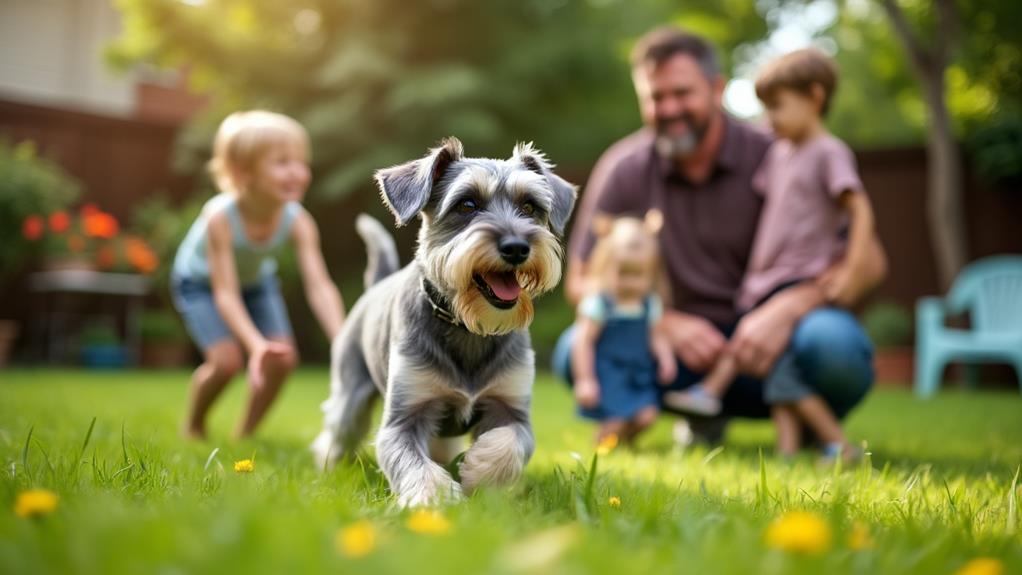
Among family dynamics and pets, choosing the right small dog breed can make all the difference in fostering a harmonious household. Small dog breeds like Beagles and Chihuahuas adapt well to family dynamics. Their friendly and playful temperaments make them suitable companions for children and other pets. If you're looking for an affectionate nature, the Cavalier King Charles Spaniel or Pug might be the perfect choice, as they're known for their ability to form strong bonds and offer companionship.
For families with young children, it's vital to select a dog that's gentle and tolerant. Breeds such as the Bichon Frise and Shih Tzu are renowned for their patient behavior and sociable nature, making them perfect for families needing a more tolerant pet. Small dogs typically require less space and exercise, making them ideal for apartment living while still providing plenty of interaction.
Evaluating the dog's energy level and temperament is significant when considering family dynamics. Active families might enjoy the spirited Jack Russell Terrier, while calmer households could benefit from the laid-back French Bulldog. Whatever your family's lifestyle, there's a small dog breed that can seamlessly fit into your home.
Experience With Dogs

Maneuvering the world of dog ownership can be an intimidating task, especially for novice pet parents. Choosing small breeds like Cavalier King Charles Spaniels or Bichon Frises can offer easier manageability and adaptability for initial pet parenting. These breeds often require less exercise, making them suitable for those new to the world of training and care. However, understanding a breed's temperament is essential. For instance, while Pomeranians might be stubborn and need consistent training, Shih Tzus are generally more laid-back.
It's vital to research potential health issues. For example, Chihuahuas are prone to dental problems or patellar luxation, which might surprise inexperienced owners. Engaging with local dog clubs or attending meet-and-greet events can offer valuable insight. These activities allow you to experience small breeds firsthand and understand their care needs.
Here are some tips to keep in mind:
- Opt for small breeds known for adaptability, like Poodle breeds.
- Prioritize breeds with manageable temperaments for novice dog owners.
- Be aware of potential health issues specific to each breed.
- Engage in consistent training to address stubborn behaviors.
- Seek firsthand experience through dog clubs or events.
Selecting the right breed can make all the difference in your pet parenting experience.
Understanding Small Dog Traits
Small dogs pack a lot of personality into their tiny frames, making them popular choices for assorted living situations. If you're considering bringing one into your life, understanding their traits is essential. Small dogs, such as Chihuahuas and Pomeranians, typically weigh between 2 to 20 pounds, which makes them perfect for urban apartments or smaller spaces. Their adaptability allows them to thrive in different environments, regardless of whether in lively cities or quiet suburbs, provided their exercise requirements are met.
Most small dogs have lower exercise needs compared to larger breeds. They usually require just 20 to 30 minutes of daily activity, which is easily fulfilled through short walks or indoor playtime. This makes them a great fit for individuals with a busy lifestyle or limited space. When picking the right breed, consider a hypoallergenic dog such as the Poodle or Bichon Frise if allergies are a concern, as they produce fewer allergens.
Additionally, small dogs are known for their bold personalities. Breeds like the Dachshund are spirited, making them great companions for active individuals or families. Their lively nature can bring joy and energy to any household.
Managing Grooming Needs

When choosing the right small dog breed, understanding their grooming needs is just as important as knowing their personality traits. Small dog breeds come with varying grooming requirements, and it's vital to match these with your lifestyle. If you're seeking low-maintenance grooming, breeds like Beagles or French Bulldogs might be ideal. Their shorter coats require only occasional brushing, reducing the time and financial commitment. However, breeds with long hair, such as Shih Tzus or Maltese, demand daily brushing and regular baths to maintain coat quality and prevent tangles.
Grooming isn't just about appearance; it's a chance to monitor health concerns. Regular grooming sessions allow you to check for skin issues or parasites, promoting your dog's general well-being. Hypoallergenic breeds, though great for allergy sufferers, often need more frequent grooming to manage dander and keep their coat in top condition.
Here are some key points to take into account:
- Low-maintenance grooming: Short-haired breeds need less attention.
- Long hair demands: Prepare for daily brushing and regular baths.
- Financial commitment: Professional grooming can add up.
- Health concerns: Regular grooming helps identify potential issues.
- Coat quality: Consistent care is key for all breeds.
Addressing Allergy Concerns
Allergies can be a notable concern when choosing a small dog breed, but understanding hypoallergenic options can assist. If you or a family member suffer from allergies, consider hypoallergenic breeds like Poodles and Bichon Frises. These dogs produce fewer allergens, making them suitable choices for allergy sufferers. However, keep in mind that no dog is completely hypoallergenic.
Regular grooming is vital for managing allergy concerns. It helps reduce shedding and dander levels, which are common allergen sources. Incorporating regular grooming routines for your dog and maintaining cleanliness in your living environment can greatly lower allergens.
Breeds with hair instead of fur, such as the Shih Tzu, also tend to produce less dander. This trait makes them better suited for people with sensitivities. Furthermore, lower shedding breeds like Beagles and French Bulldogs can further minimize allergens in your home, providing a more comfortable environment for allergy-prone families.
Consulting with a veterinarian is important when addressing allergy concerns. They can offer personalized advice and recommend breeds that align with your specific needs. It's also a good idea to consult an allergist for thorough guidance on managing allergies while enjoying the companionship of a small dog.
Adoption Versus Buying
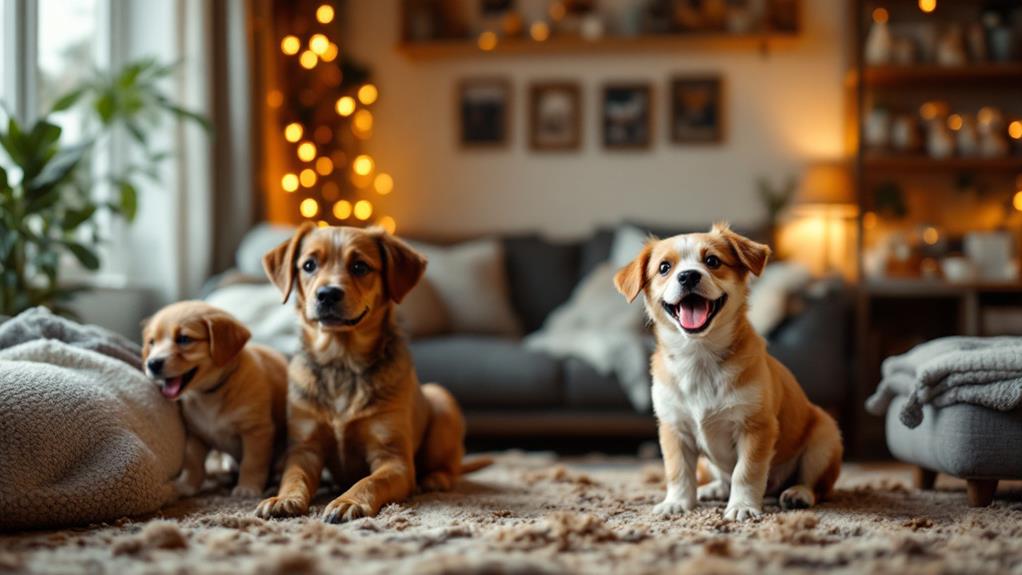
Many people face the decision of if to adopt a small dog or buy one from a breeder. Adopting from a shelter often costs less, with fees covering vaccinations and spaying/neutering. You'll find many small breeds available for adoption, allowing you to choose a companion that fits your lifestyle without paying the premium price of purebreds. Plus, adopting an adult dog can save time and effort on training since they often have established behaviors.
On the other hand, reputable breeders focus on health and temperament, but it's vital to confirm they follow ethical practices. Regardless of whether you adopt or buy, both paths demand a long-term commitment to care, training, and socialization. Consider your lifestyle and readiness for pet ownership carefully.
Here's a quick breakdown to help with your decision:
- Adoption: More affordable, supports shelters, and provides a forever home.
- Small Breeds: Available in shelters, offering diverse options.
- Adult Dog: Often pre-trained, reducing initial training efforts.
- Reputable Breeders: Confirm ethical practices for health and temperament.
- Long-term Commitment: Important regardless of adoption or purchase.
Choose the path that aligns with your values and lifestyle needs.
Preparing Your Home
Before bringing your new small dog home, it's crucial to confirm your space is safe and welcoming. Start by verifying your home is puppy-proofed. Remove hazards like toxic plants, small objects, and electrical cords that small dogs might chew on or swallow. Next, designate a cozy living space with a comfortable bed, engaging toys, and food/water bowls to help your little friend feel secure and at ease.
Stock up on vital supplies such as a harness or collar, leash, and grooming tools tailored to your small dog's needs. These items will help you manage your pet's activities and maintain their health and hygiene effectively.
Consider the layout of your home. Small dogs can be prone to injuries, so confirm stairs or slippery floors are safe for them to navigate. If necessary, add pet gates or non-slip mats to prevent accidents.
Outside, create a safe outdoor area like a fenced yard or enclosed space for supervised playtime. This guarantees your dog can investigate without the risk of escape or injury. By preparing your home thoughtfully, you'll provide a nurturing environment for your new small dog.