Skye Terriers: Can They See? Exploring Their Unique Coat
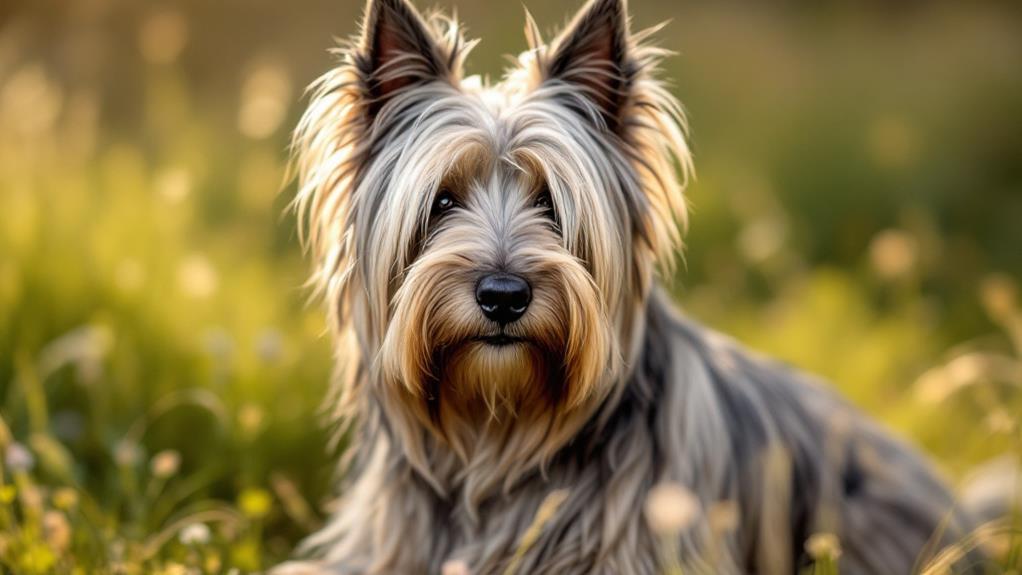
Yes, Skye Terriers can see very well. They have keen eyesight perfect for spotting prey, even with their luxurious, thick coat. Their long coat evolved to protect them from harsh Scottish weather, insulating them while they hunted. However, without proper grooming, their coat can obstruct their vision. Regular grooming boosts their visibility and guarantees their impressive vision remains unhampered. Those expressive hazel eyes can reflect their alertness and love for adventure. You'll find out how their coat, while initially seeming like a barrier, actually improves their ability to thrive in rugged terrains with a unique blend of beauty and function.
Skye Terrier Vision
Possessing excellent vision, Skye Terriers are well-suited for their historical role as hunters. Their keen eyesight allows them to spot prey effectively, even in challenging terrains. Despite their long and flowing coat, these dogs have a remarkable field of vision. Their eyes are strategically positioned, offering a wide peripheral view, critical for their hunting prowess.
You'll notice that Skye Terriers typically boast expressive hazel eyes, reflecting their alert and inquisitive nature. This expressiveness contributes to their effectiveness as watchdogs, where their sharp vision works alongside their keen sense of smell and hearing to discern potential threats. However, maintaining eye health is fundamental for these terriers. Skye Terriers can face common eye issues like lens luxation, a condition that might lead to glaucoma if not monitored closely. Regular veterinary check-ups are crucial to guarantee their eyes remain in peak condition.
In the world of canines, the Skye's combination of excellent vision and expressive eyes sets them apart. Their ability to maintain such clarity despite their distinctive coat highlights their unique adaptation and historical significance as hunters and guardians.
Historical Role of the Coat
The long, thick double coat of the Skye Terrier isn't just for show; it's a reflection of the breed's historical roots in Scotland. Originally, this coat was carefully bred to protect these terriers while they hunted in the rugged landscapes of their homeland. The Skye Terrier's coat played an important historical role by providing insulation and shielding them from the harsh Scottish weather. This protection was fundamental for a breed tasked with pest control, as they often had to access burrows and dens, facing potential bites from their quarry.
Besides protection, the coat also served as a form of camouflage. The Skye Terrier's coat colors, such as black, gray, fawn, and cream, blended seamlessly with their natural hunting environments, making them effective hunters. Additionally, the coat's length and density created an illusion of greater size, which helped intimidate threats.
To maintain the health and functionality of this invaluable coat, rigorous grooming requirements were important. Regular brushing and trimming guaranteed the coat didn't become a hindrance, preserving its protective qualities. Therefore, the Skye Terrier's coat was more than just fur; it was a significant tool in their historical hunting and pest control duties.
Coat Structure and Function
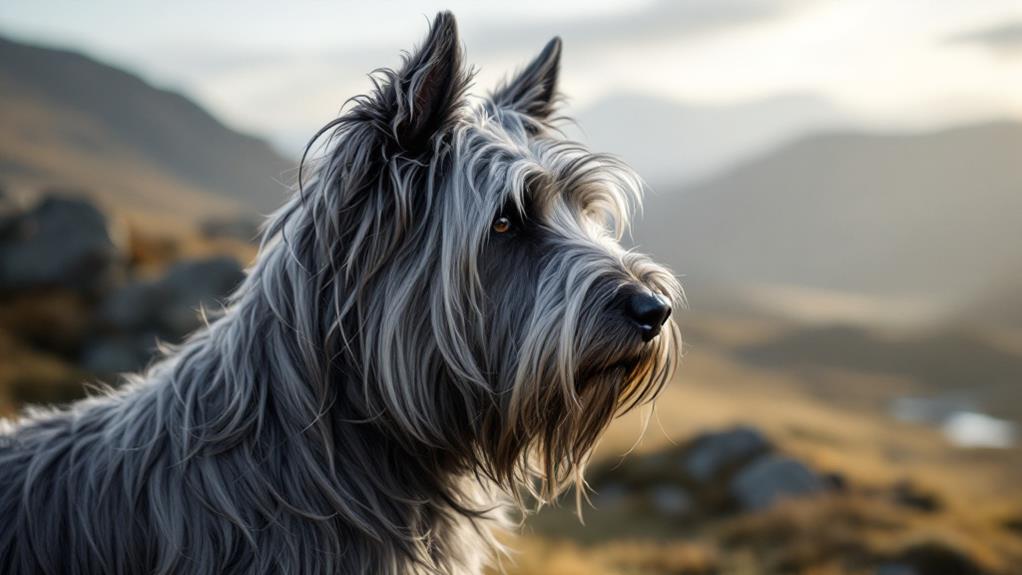
With its distinctive structure, the Skye Terrier's coat serves as a multifaceted tool, offering both protection and improvement of the breed's appearance. The long, thick double coat, with its soft undercoat and harsh outer layer, provides vital insulation against harsh weather. This unique coat structure isn't just for show; it improves the Skye Terrier's elegance and makes them appear larger, which was historically beneficial for hunting by intimidating prey or predators.
The Skye Terrier's coat is weather-resistant, a feature that was fundamental when these dogs worked in rugged terrains. It allowed them to hunt and ward off pests effectively, maintaining their role as reliable working dogs. The coat comes in a variety of colors, such as black, gray, fawn, and cream, with darker shades on the back and ears, contributing to their general elegant appearance.
However, this luxurious coat requires care to keep it in top condition. Regular grooming is vital to prevent matting and maintain the health of the long hair. Weekly brushing is recommended to manage:
- Insulation efficiency
- Prevention of matting
- Elegant appearance
- Health of the thick double coat
These steps guarantee your Skye Terrier remains both functional and beautiful.
Grooming Needs
Caring for a Skye Terrier's coat involves quite a bit of dedication, but it's crucial for keeping your dog comfortable and healthy. The Skye Terrier's coat is long and flowing, requiring regular grooming to prevent matting and tangles. You should aim to brush it at least once a week. This not only detangles the hair but also focuses on the undercoat, which helps reduce buildup and shedding. Regular grooming keeps the coat healthy and avoids skin issues that can cause discomfort.
Because their coat is thick, Skye Terriers are prone to debris like leaves and twigs, especially after outdoor walks. So, it's a good idea to check and remove any debris to maintain coat health. While at-home grooming is important, professional grooming every few months is recommended, especially if you have a show dog. This guarantees the coat is in top condition.
Bathing every 4-6 weeks with a gentle dog shampoo is advisable. This helps keep the coat clean and reduces the risk of matting. Don't forget regular nail trimming to prevent overgrowth, which is part of your Skye Terrier's grooming needs.
Impacts on Mobility
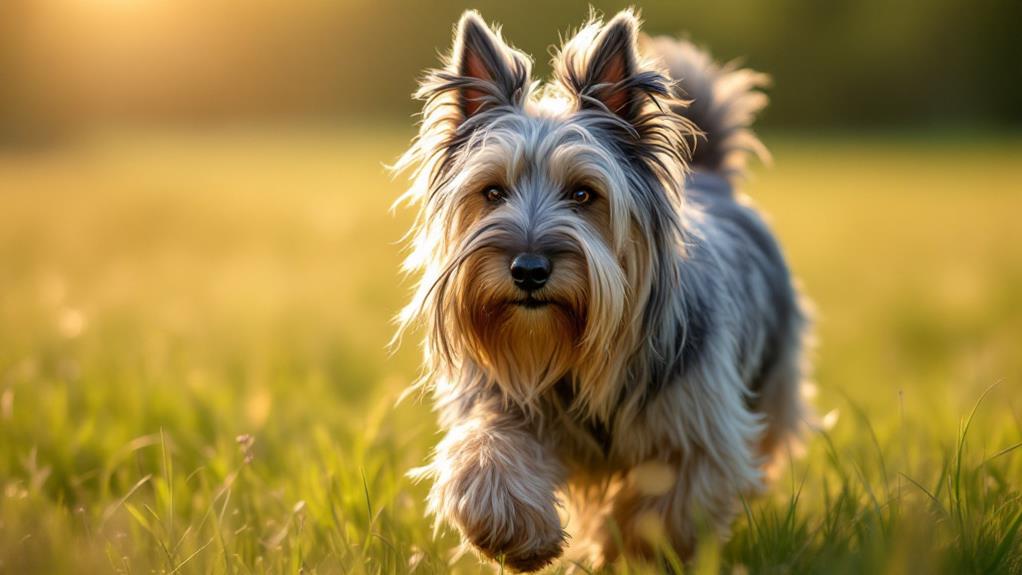
Many Skye Terriers experience challenges with mobility due to their distinctly long and flowing double coat. This magnificent coat, while beautiful, can sometimes hinder their movement and vision. The long hair may obstruct their peripheral vision if not regularly groomed or trimmed around the eyes. This obstruction can lead to decreased agility and confidence during play or exercise. Regular grooming is vital for effective coat management, guaranteeing their movements aren't restricted by matting or excessive weight.
To maintain the mobility of your Skye Terrier, consider the following:
- Regular grooming: Keeps the coat from matting and reduces extra weight, aiding in better movement.
- Vision checks: Confirm that their long hair isn't obstructing their vision, which is important for their confidence and agility.
- Trim around the eyes: Regularly trim to prevent obstructed vision and improve peripheral vision.
- Monitor exercise: Be aware that their coat might add weight, so adjust activities to their comfort.
Their low stature and long body structure are naturally suited to maneuvering tight spaces. However, without proper coat management, their flowing coat might cause unnecessary hindrance. Keeping their vision clear and their coat well-maintained guarantees your Skye Terrier stays active and agile.
Perception and Behavior
While guaranteeing their mobility through proper grooming, it's just as significant to understand how Skye Terriers perceive the world around them. These dogs' expressive hazel eyes aren't just charming; they play a vital role in communicating emotions and intentions. Despite their long flowing coats, Skye Terriers possess a keen sense of sight, enabling them to navigate their environment with ease. Their ability to detect movement and potential threats is remarkable, aided by their low stature and long bodies, which allow them to investigate tight spaces and visually track prey.
To make certain Skye Terriers develop a balanced perception of their surroundings, socialization during puppyhood is fundamental. This process builds confidence and reduces shyness, making them less wary of strangers and new experiences. Their natural guard instinct makes them highly alert, often leading them to bark at perceived intruders or unusual activities. This behavior is not just instinctual but also a reflection of their acute awareness of their environment.